
The Lisbon Cathedral, also known as Sé de Lisboa, is the city’s oldest and most important church, with a history dating back to the 12th century. Built soon after the Christian reconquest of Lisbon from the Moors in 1147, it has served as a powerful symbol of Portugal’s resilience and religious devotion ever since. Its design is a fascinating blend of Romanesque, Gothic, Baroque, and Neoclassical styles, reflecting centuries of architectural evolution and restoration.
The exterior of the cathedral resembles a fortress, with massive crenellated walls and two imposing bell towers that frame its grand, arched entrance. Stepping inside, visitors are greeted by a cool, dimly lit nave with high vaulted ceilings and stone pillars, creating a majestic and somewhat austere atmosphere. The Gothic ambulatory and chapels are particularly beautiful, with intricate details and relics on display.
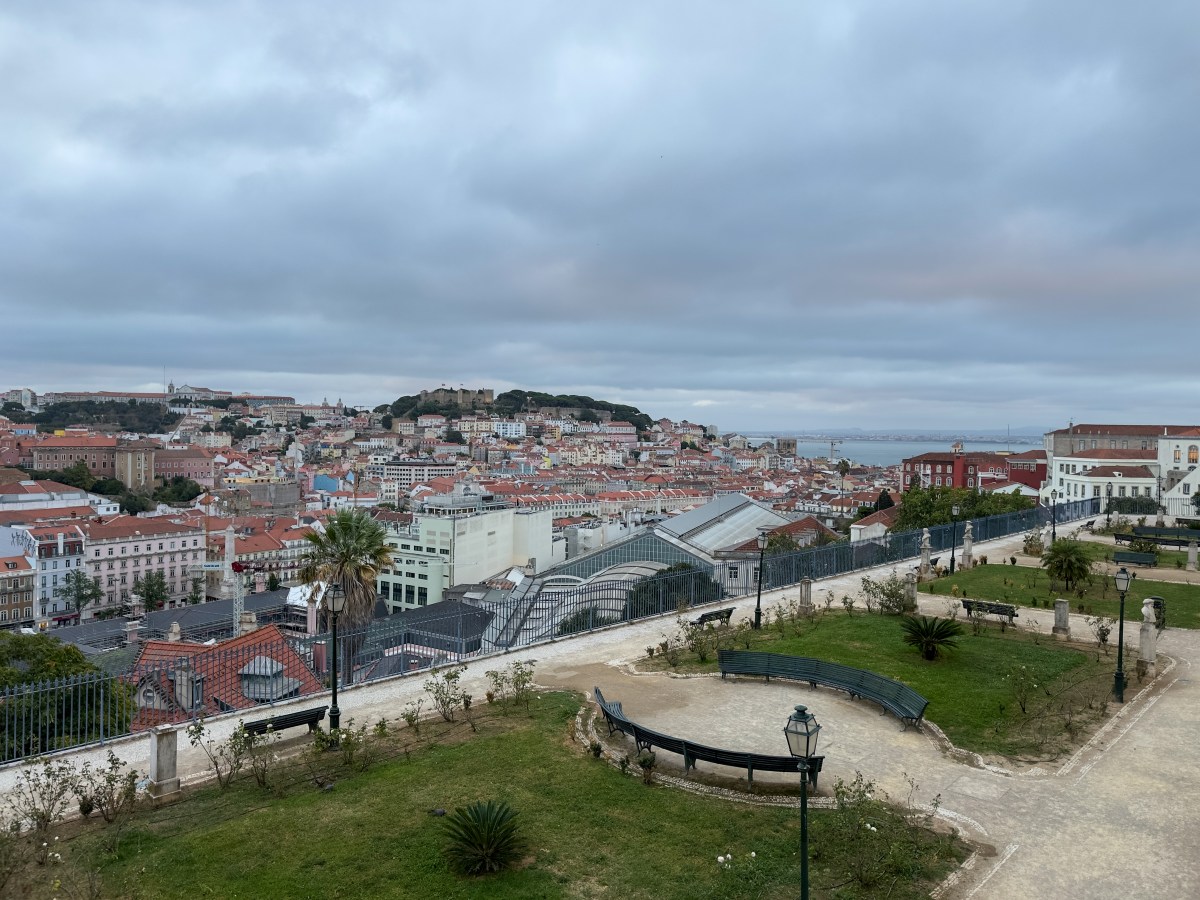
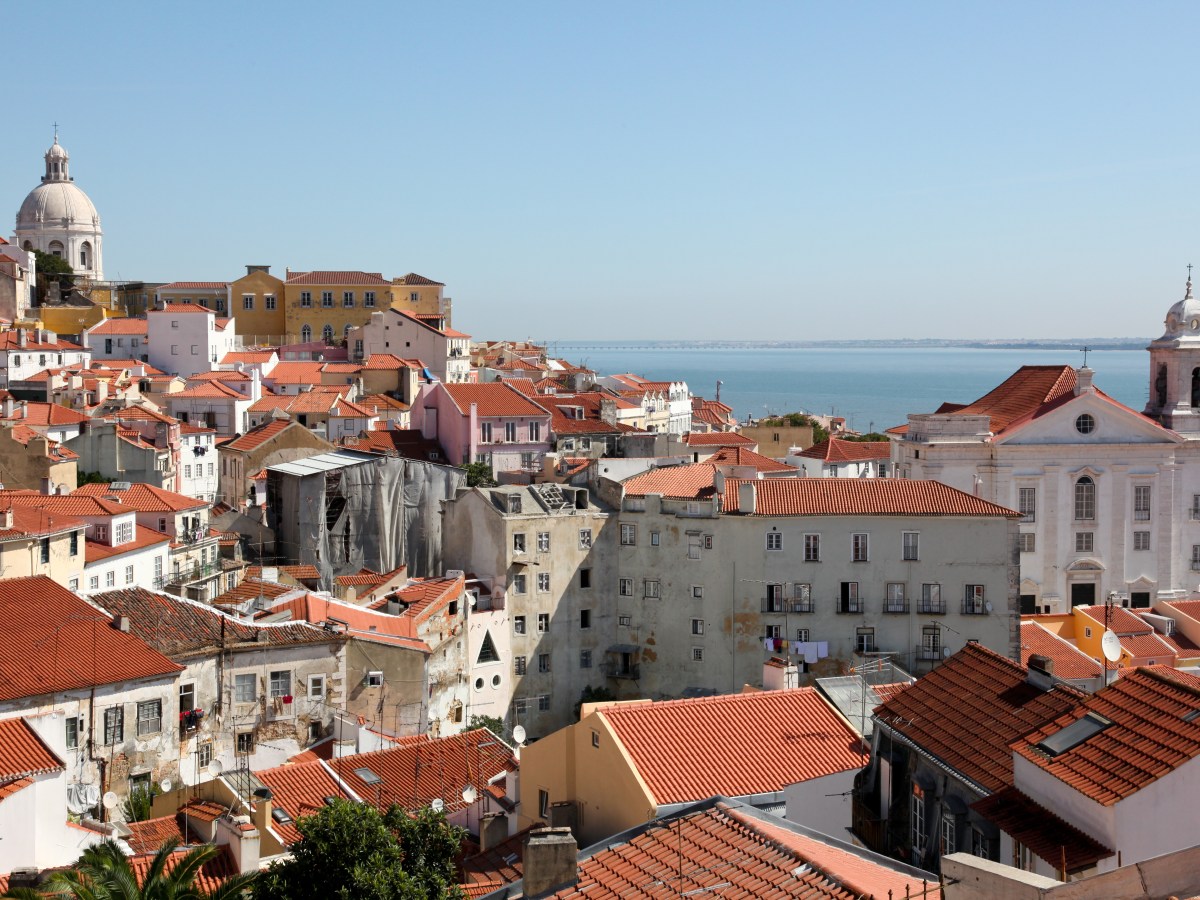
The cathedral’s location in the Alfama district offers stunning views over Lisbon’s rooftops and the Tagus River. It’s a wonderful place to explore while meandering through the historic, winding streets of the old town. Whether you’re interested in architecture, history, or just soaking up the atmosphere of Lisbon’s oldest neighborhood, the Lisbon Cathedral is a must-see.
Visit Notes
What can I say? If you’re a fan of cathedrals, you’re going to enjoy your time here. The inside is rather plain compared to many of the other churches you will find in Lisbon. Many other churches here are literally dripping with gold details, but not the Sé. The beauty you’ll find here is quieter and more reserved. If nothing else, the lack of adornment is a refreshing break from the over-embellishment you’ll find elsewhere in town.
Be sure you go up to the balcony where you can enjoy a view over the interior of the cathedral and go outside onto the balcony under the rose window. You should also take a look through the cathedral’s museum.

Photos


Nearby

St. Anthony Church and Museum
The St. Anthony Church and Museum is a captivating destination that combines religious history and cultural heritage. If you’re considering visiting, prepare to be enchanted by its architectural beauty, intriguing artifacts, and the fascinating story of its namesake, Saint Anthony of Padua. The church itself is a magnificent example of Portuguese Baroque architecture. Its façade…























 Meticulous Meanderings
You must be logged in to post a comment.