
(AKA Santa Cueva, Holy Cave)
The Santa Cueva (Holy Cave) in Covadonga, Spain, is a significant religious and historical site located in the region of Asturias. It is closely associated with the founding of the Kingdom of Asturias and holds great cultural and symbolic importance for the Asturian people.
Architecture:
The Santa Cueva is a natural cave located within the Picos de Europa mountain range, nestled in a picturesque valley near the town of Cangas de Onís. The cave itself is relatively small and is adorned with religious artifacts and sculptures. It consists of a central nave with a stone altar and is illuminated by natural light filtering through a small opening above. The interior is simple yet striking, creating a serene atmosphere for prayer and contemplation.
History:
The history of the Santa Cueva dates back to the early 8th century when the Iberian Peninsula was under Moorish rule. In 711, the Muslim Moors invaded Spain, and most of the Visigothic Kingdom fell under their control. However, in the rugged mountains of Asturias, a resistance movement began to form.
According to legend, in 722, a Visigothic nobleman named Don Pelayo led a rebellion against the Moors in the Battle of Covadonga. Pelayo and his small Christian army took refuge in the natural fortress of the Covadonga Valley, where the Santa Cueva is situated. Despite being heavily outnumbered, they successfully repelled the Moorish forces, marking the beginning of the Christian Reconquista (reconquest) of the Iberian Peninsula.
The Santa Cueva became a revered site associated with this significant victory. Over the centuries, it was developed into a sanctuary and pilgrimage site. The original cave was expanded and embellished, and a small chapel was constructed to accommodate the growing number of pilgrims.
In the 19th century, the sanctuary underwent significant renovations under the direction of the architect Ventura Rodríguez. The chapel was reconstructed in a neoclassical style, and a series of steps were added to the entrance, enhancing the accessibility of the site. The renovations maintained the cave’s natural beauty while providing a more formalized space for religious services.
Today, the Santa Cueva continues to be an important pilgrimage destination for both religious and historical reasons. It is closely associated with the Virgin of Covadonga, a revered statue of the Virgin Mary that is housed in the cave. The site attracts visitors from all over the world who come to pay homage to the Virgin and to experience the historical and spiritual significance of the place.
Details
Lugar Covadonga, s/n, 33589 Covadonga, Asturias, Spain
8:00 – 20:00
Attraction opening days and times can change with no warning.
Always double-check information with the official website before making any plans
Photos


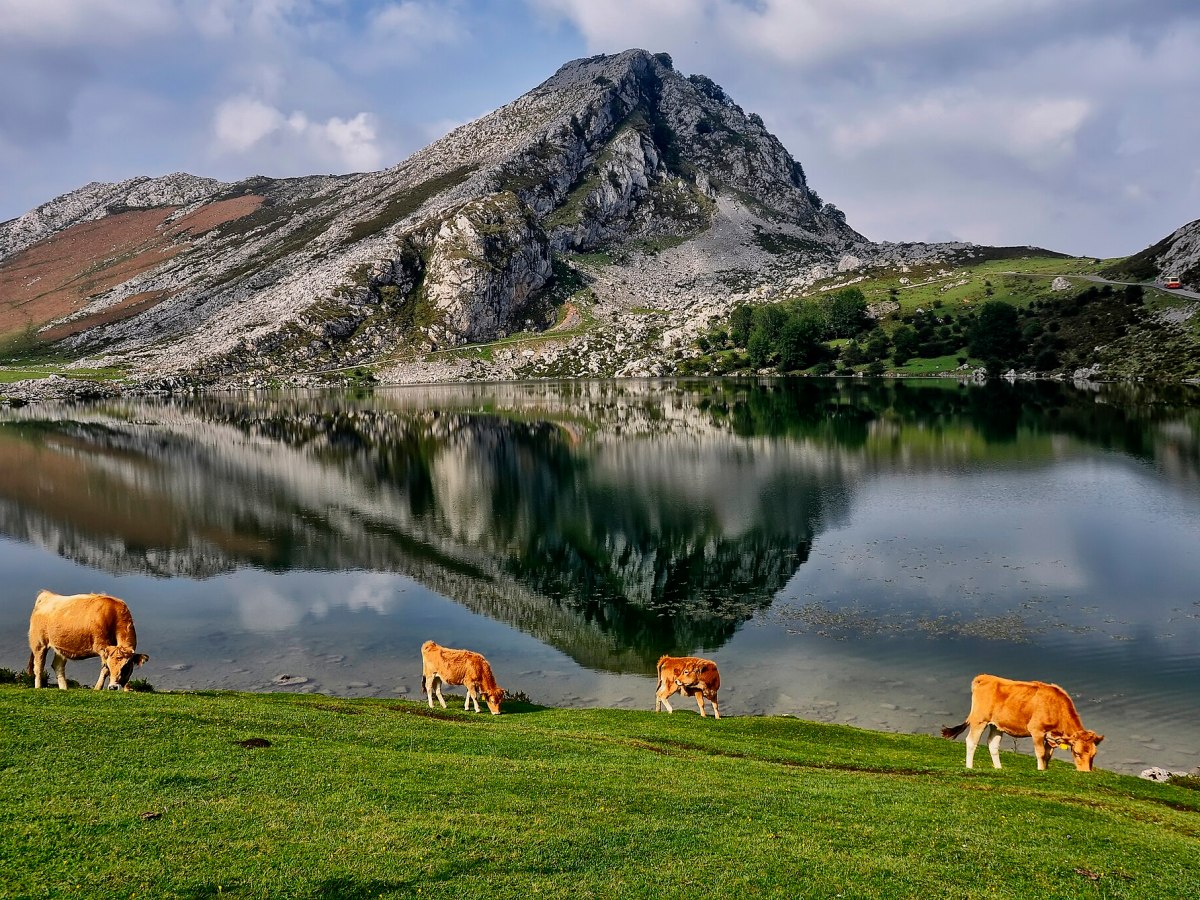
Covadonga
Covadonga is a picturesque village located in the region of Asturias, Spain. It is nestled in the stunning Picos de Europa National Park, making it a popular destination for nature lovers and outdoor enthusiasts. One of the main attractions in Covadonga is the Santa Cueva de Covadonga, a cave chapel that holds great religious significance…
 Meticulous Meanderings
You must be logged in to post a comment.