
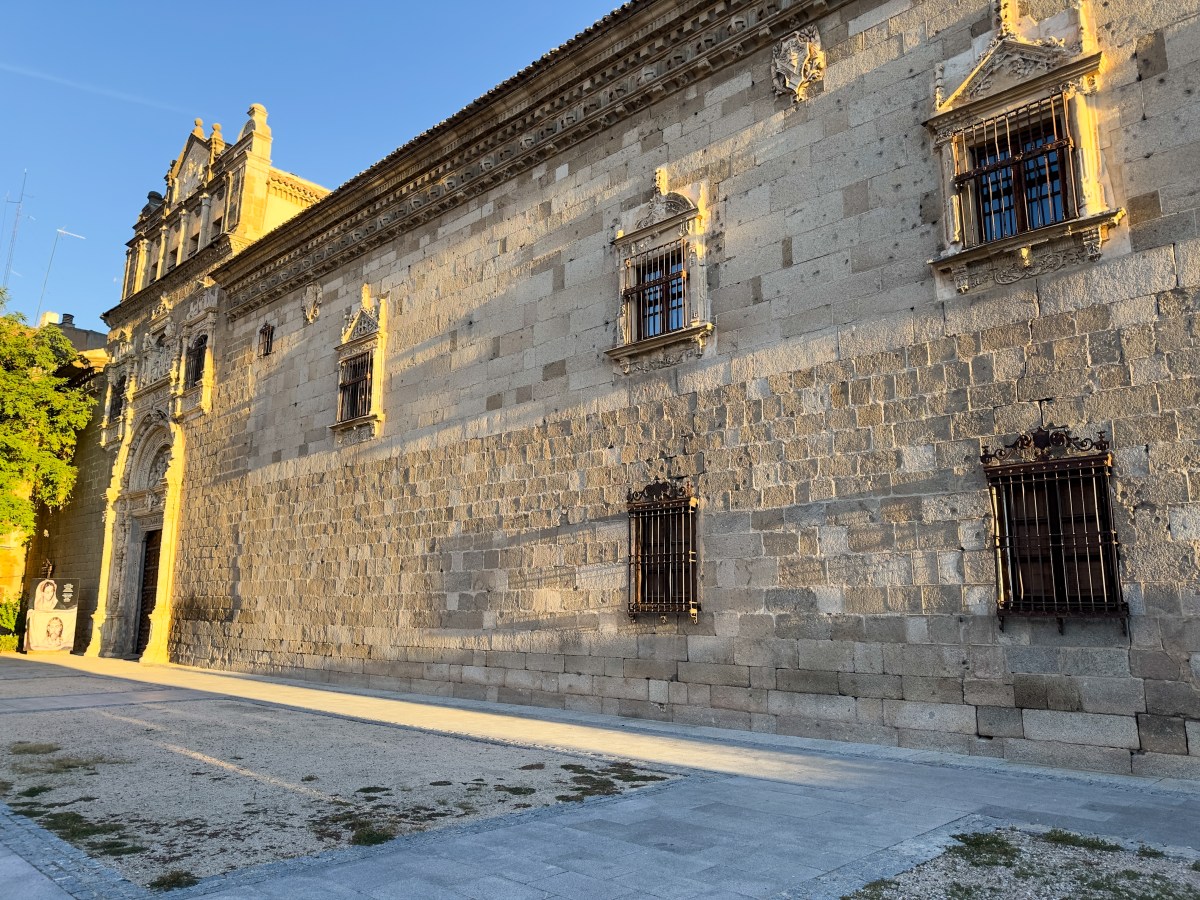
The Royal College of Doncellas Nobles was founded in 1551 by Cardinal Juan Martínez Silíceo, the Archbishop of Toledo. Its purpose was to provide education and shelter to the daughters of the Spanish nobility who had fallen on hard times or were orphaned. The college was established with the intention of offering these young noblewomen an education and preparing them for a respectable life, either as wives of noblemen or in religious orders.
Over the centuries, the college witnessed periods of prosperity and decline, and its architectural style evolved accordingly. During its heyday, it was one of the most prestigious educational institutions for noblewomen in Spain.
The architectural design of the Royal College of Doncellas Nobles is a beautiful blend of various styles, reflecting the evolution of the building over the centuries.
- Renaissance: The original construction of the college was in the Renaissance style, which was prominent during the 16th century. The founder, Cardinal Juan Martínez Silíceo, wanted to create a building that would be a symbol of the intellectual and spiritual growth of the noblewomen. The Renaissance influence can be seen in the symmetrically arranged facades and the use of classical elements such as columns, pilasters, and decorative motifs.
- Baroque: As the college expanded and underwent renovations in the 17th and 18th centuries, the Baroque style began to take over. This era brought about more elaborate ornamentation, dynamic shapes, and a sense of drama. Look for grand archways, intricate stonework, and decorative flourishes that exemplify the Baroque period.
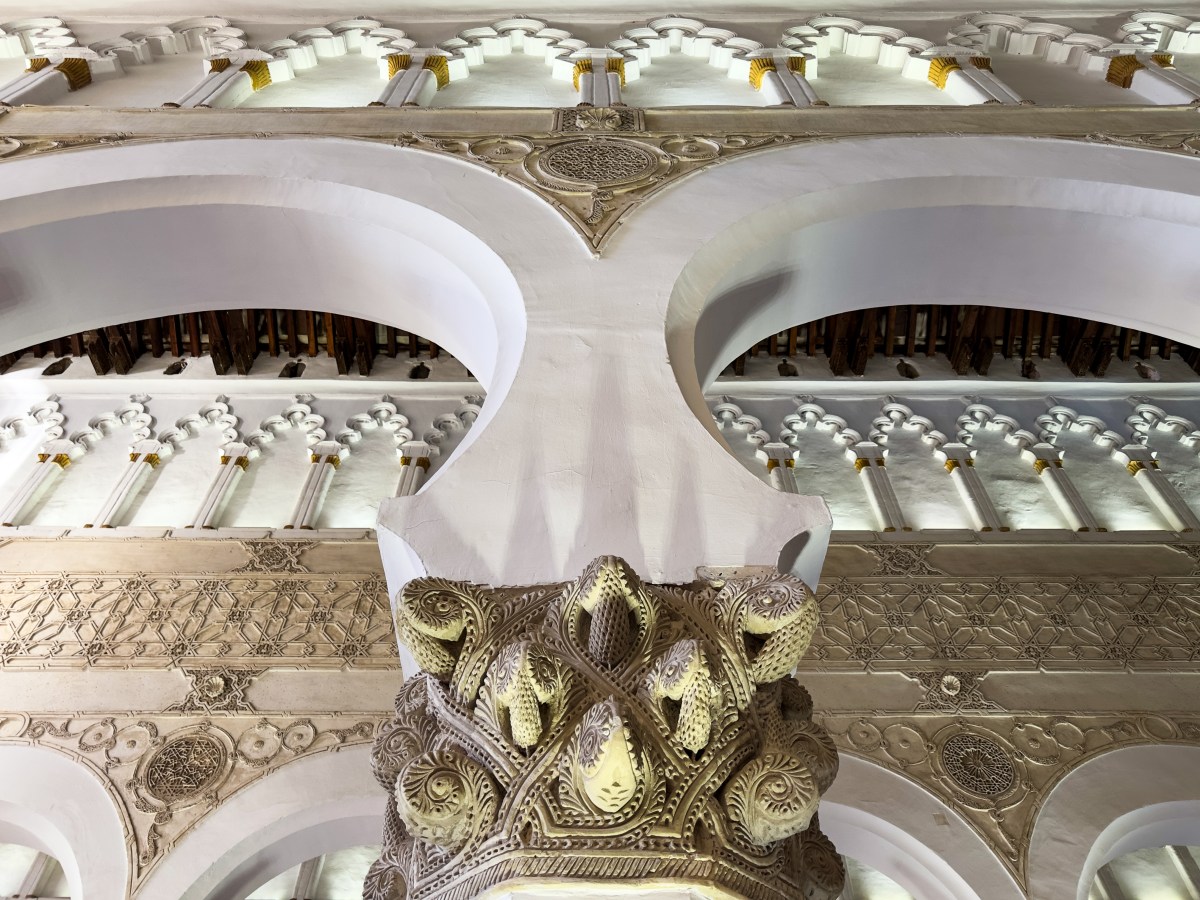
- Mudejar: The Mudejar style, characterized by its fusion of Islamic and Christian design elements, is evident in some parts of the building. This is a unique architectural feature that reflects the cultural diversity and historical influences present in Toledo.
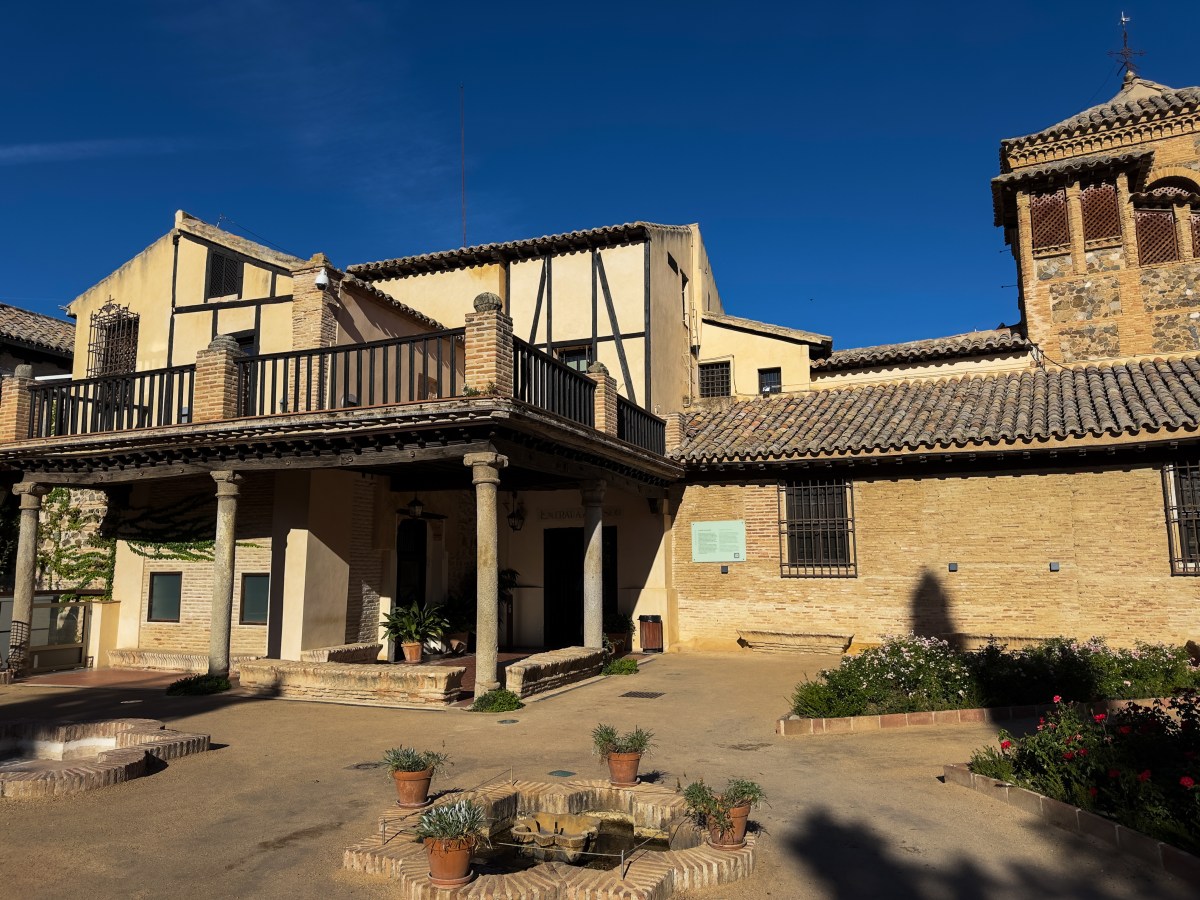
Visiting this historic college can be a fascinating experience for those interested in history, architecture, and the role of women in Spanish society throughout the centuries. While exploring the college, you’ll have the opportunity to see the richly adorned halls, beautiful courtyards, and charming gardens.
As you walk through its halls, imagine the lives of the noblewomen who once studied here and the profound impact the institution had on their destinies. The Royal College of Doncellas Nobles offers a unique glimpse into Spain’s past and the role of education in shaping the lives of noblewomen.

Admission is free with the
Photos


Other Sights







Thanks for visiting! I hope you have a great trip.
 Meticulous Meanderings
You must be logged in to post a comment.