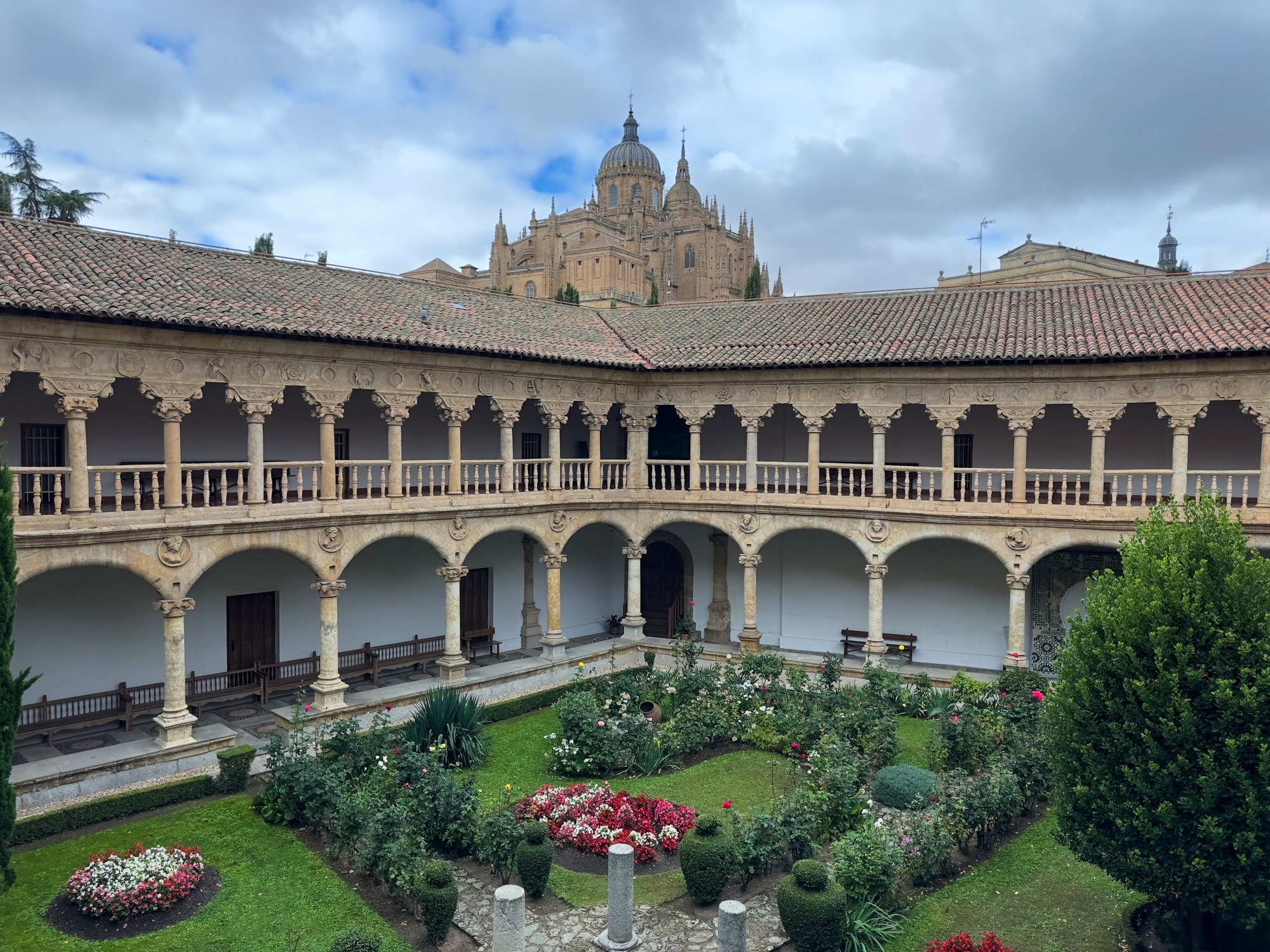
The Convento de las Dueñas was founded in the 15th century, with construction starting in 1419 and continuing over the following decades. It was commissioned by the Catholic Monarchs, Queen Isabella I of Castile and King Ferdinand II of Aragon, as a place of worship and residence for nuns of the Order of Saint Clare (also known as the Poor Clares). The convent was initially designed as a way to provide shelter and spiritual guidance to noblewomen who wished to live a religious life.
Throughout its history, the convent went through various phases of prosperity and decline. During its heyday, it was an important center of religious and cultural activities in Salamanca. However, like many religious institutions, it faced challenges during periods of political instability and societal changes.
The architecture of the Convento de las Dueñas is a remarkable blend of different styles, reflecting the evolution of construction techniques and artistic influences over several centuries.
Gothic: The earliest sections of the convent showcase Gothic architecture, characterized by pointed arches, ribbed vaults, and flying buttresses. This style was predominant during the initial construction phase in the 15th century.
Plateresque: As the Renaissance began to influence Spanish architecture, elements of Plateresque style were incorporated into the convent’s design. Plateresque is known for its intricate ornamentation, often resembling fine metalwork (platería in Spanish). This transition occurred during the 16th century.
Baroque: The 17th and 18th centuries saw further modifications to the convent in the Baroque style. This period brought more ornate decorations, elaborate facades, and the addition of Baroque altars and chapels within the church.
Cloister and Gardens: One of the highlights of the Convento de las Dueñas is its beautiful cloister, a tranquil courtyard surrounded by elegant arches and adorned with lush gardens. The cloister is a fine example of Spanish Renaissance architecture.
Church: The convent’s church, dedicated to Santa María de las Dueñas, features an impressive facade and holds numerous religious art pieces, including paintings, sculptures, and religious relics.
As a visitor, you’ll have the opportunity to explore the fascinating history and architectural evolution of this convent. The serene cloister and picturesque gardens provide a peaceful escape from the bustling city, and the church offers a glimpse into the spiritual and artistic legacy of the place.
Details
Pl. Concilio de Trento, s/n, 37001 Salamanca, Spain
Photos


Nearby Sights

Convento San Esteban
The Convento San Esteban was founded in the 16th century, with construction beginning in 1524 and completed in 1610. It was designed by the renowned…
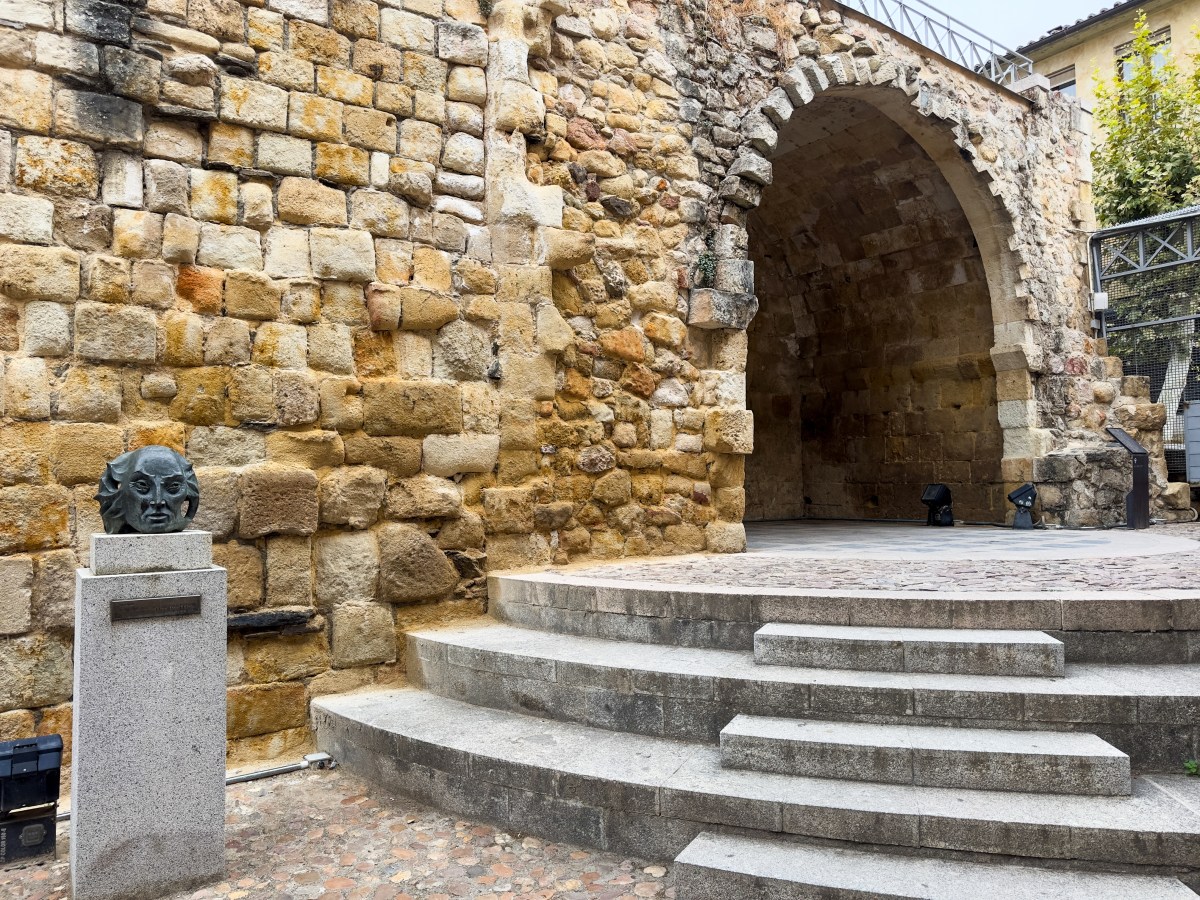
Cueva de Salamanca
The Cueva de Salamanca, also known as the Cave of Salamanca, is a fascinating historical site located in the charming city of Salamanca, Spain. This…
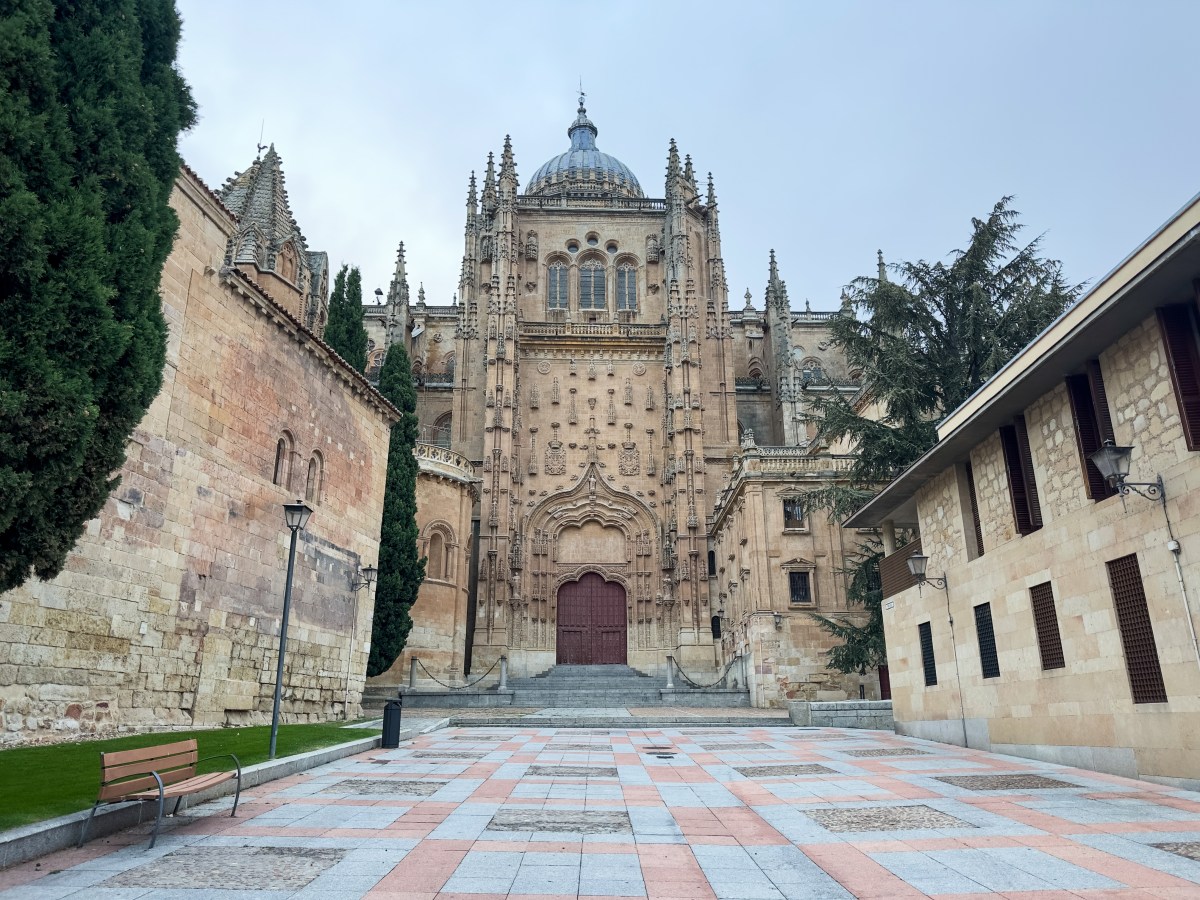
Catedral de Salamanca
The construction of the Salamanca Cathedral began in the 12th century, in 1102, during the Romanesque period. However, as was common with many cathedrals in…

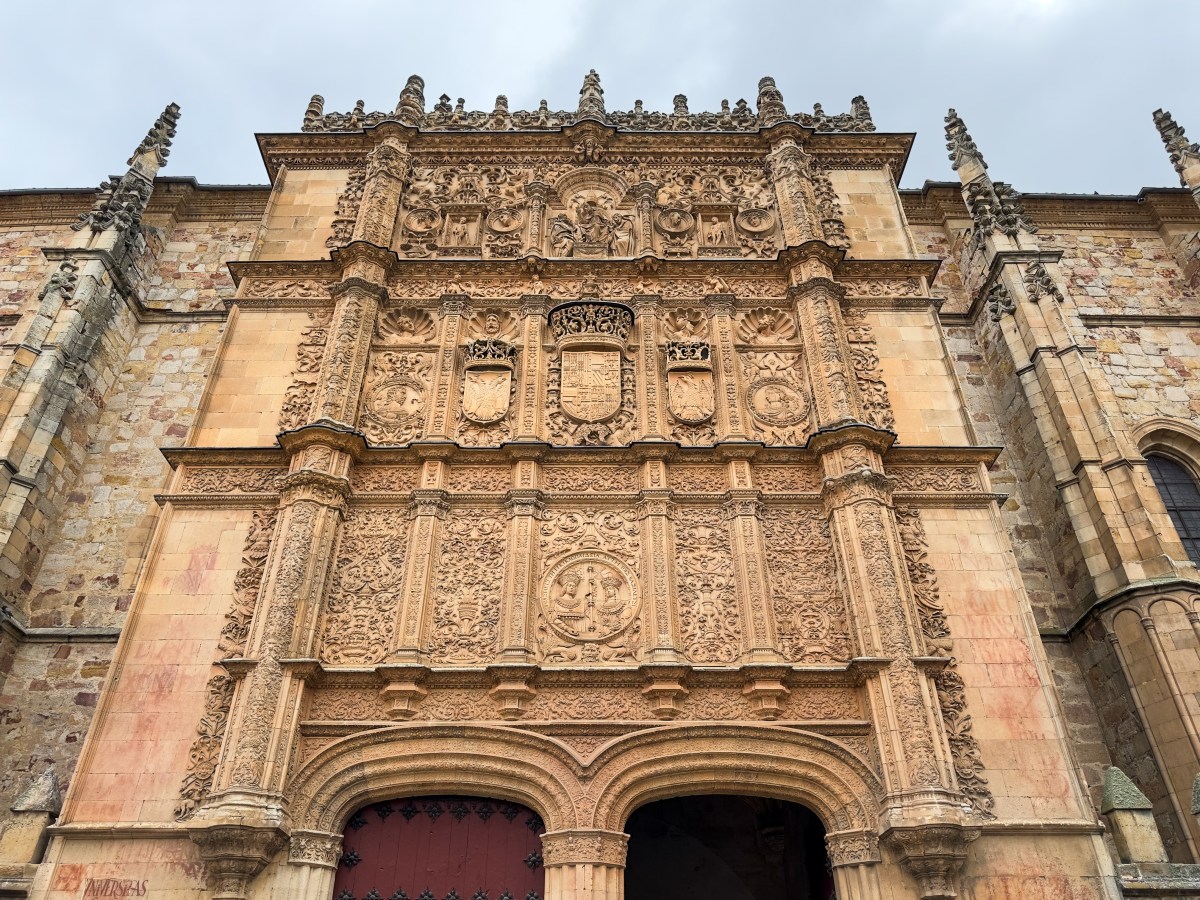


Salamanca
Salamanca, Spain boasts a rich history, stunning architecture, vibrant culture, and a lively atmosphere that will undoubtedly leave a lasting impression on anyone who visits. Nestled in the heart of the Castile and León region, Salamanca is one of Spain’s most picturesque and enchanting cities. One of the city’s most notable features is its prestigious…
Thanks for visiting! I hope you have a great trip.
 Meticulous Meanderings