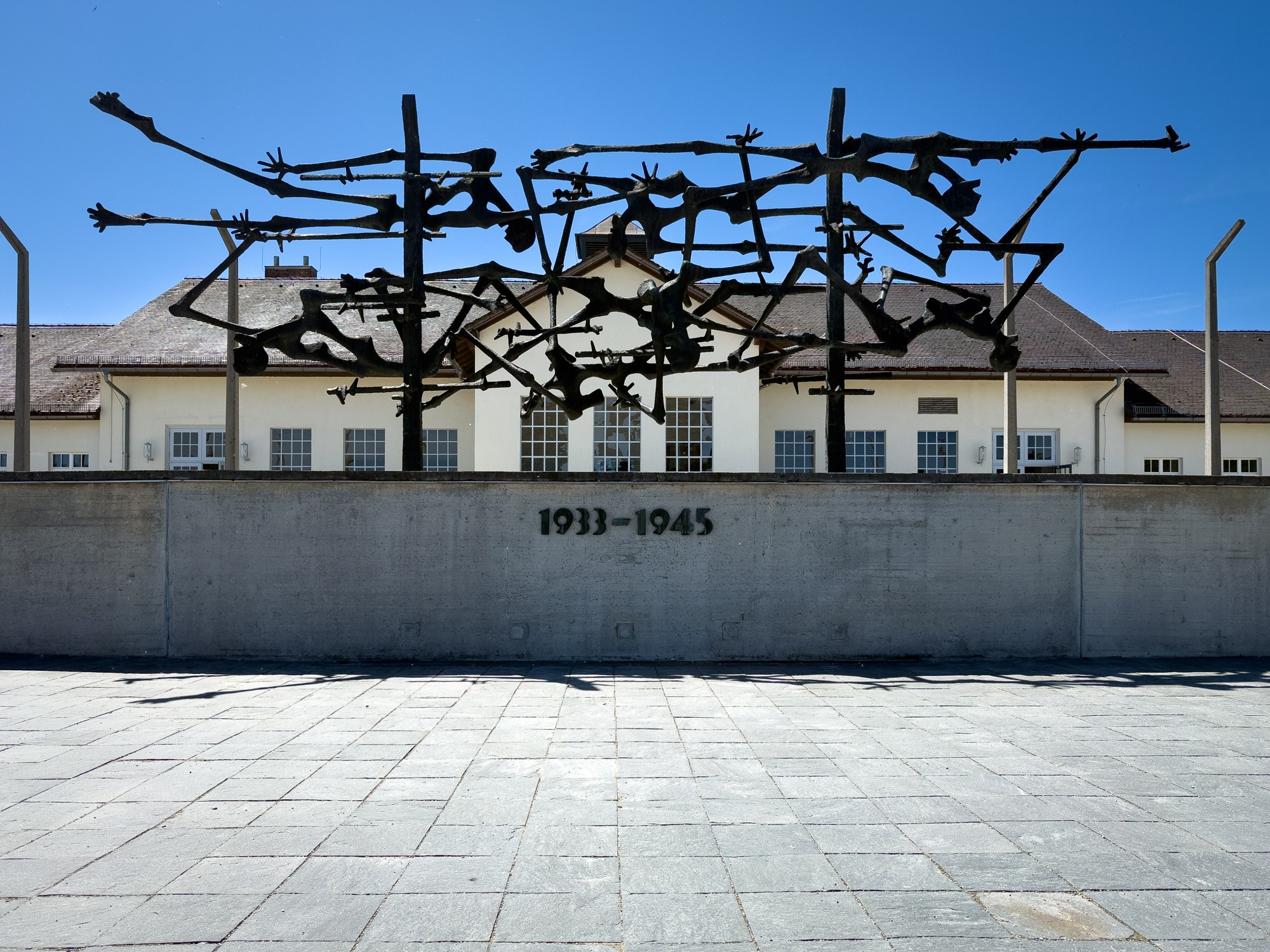
The Dachau Concentration Camp Memorial Site, located just outside Munich, is a profoundly moving place of remembrance and reflection. Established in 1933 as the first Nazi concentration camp, Dachau became the model for all that followed, serving as both a site of imprisonment and immense suffering for political opponents, Jews, clergy, and countless others persecuted under the regime. Today, the memorial preserves the grounds and several original buildings, including the gatehouse, barracks, and crematorium, along with powerful exhibitions that document the camp’s history and the experiences of those imprisoned there. Walking through the site, visitors can see the roll-call square, the foundations of former barracks, and solemn religious memorials built by various faiths to honor the victims. The experience is sobering and deeply emotional, offering a stark reminder of the consequences of intolerance and totalitarianism. Visiting Dachau is not easy, but it is an essential and educational experience—one that fosters remembrance, empathy, and a renewed commitment to human rights and dignity.
A Brief History of the Dachau Concentration Camp
The Dachau Concentration Camp, established in March 1933, was the first Nazi concentration camp and served as the prototype for all that followed. Located about 10 miles northwest of Munich, it was initially created to imprison political opponents of the Nazi regime, such as Communists, Social Democrats, and trade unionists. Over time, its purpose expanded to include Jews, Roma, clergy, homosexuals, and other groups targeted by the Nazis.
Operated by the SS, Dachau became a training center for camp guards and administrators who would later run other camps across Europe. Prisoners endured brutal forced labor, inadequate food, disease, and constant punishment, leading to the deaths of tens of thousands of people. In addition to its main compound, Dachau oversaw a network of more than 30 subcamps, where inmates were exploited in armament production and construction projects.
In April 1945, as Allied forces advanced, U.S. troops liberated Dachau, discovering the horrifying conditions and thousands of survivors near death. After the war, the site was used briefly as an internment camp for Nazi officials and later became a memorial in 1965. Today, the Dachau Concentration Camp Memorial Site stands as a place of remembrance and education, preserving the memory of the victims and the lessons of this dark chapter in history.
Photos


Other Sights
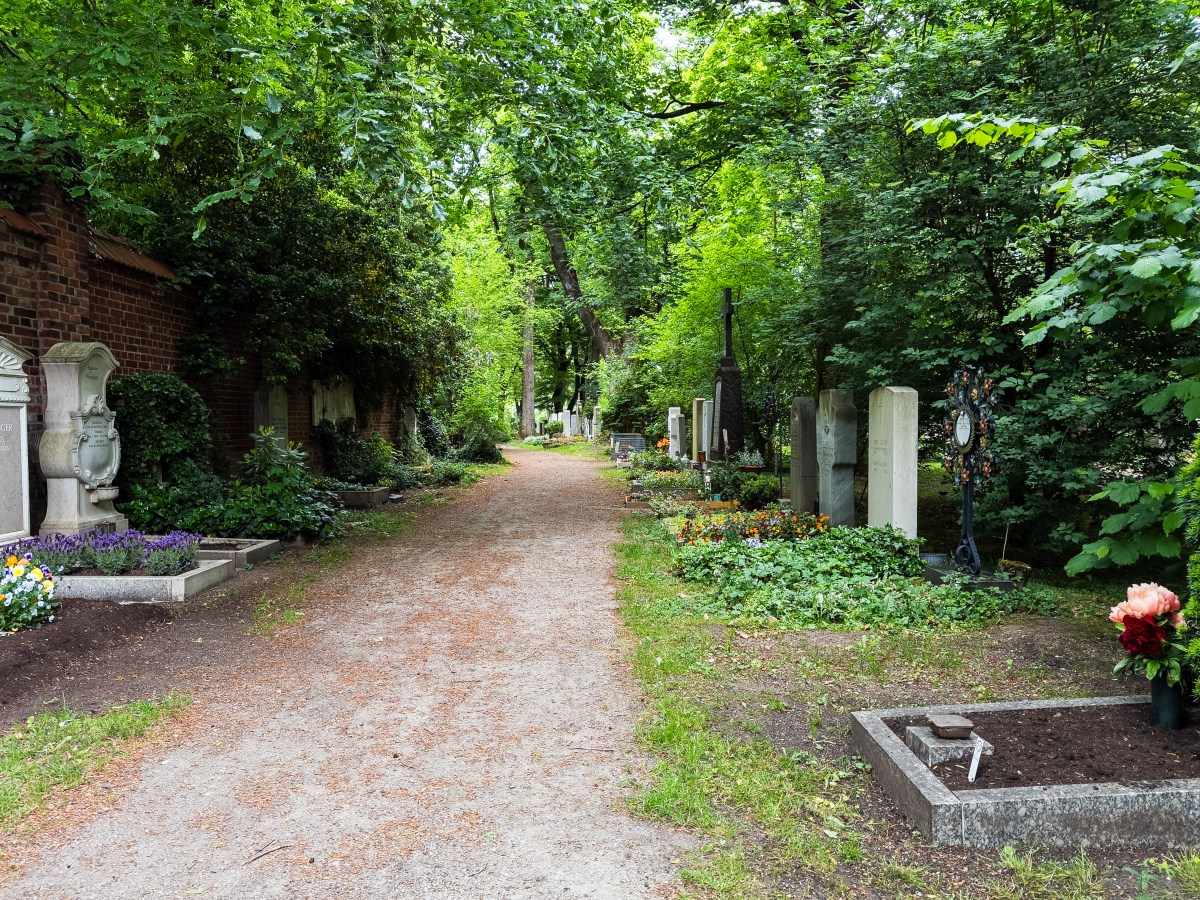

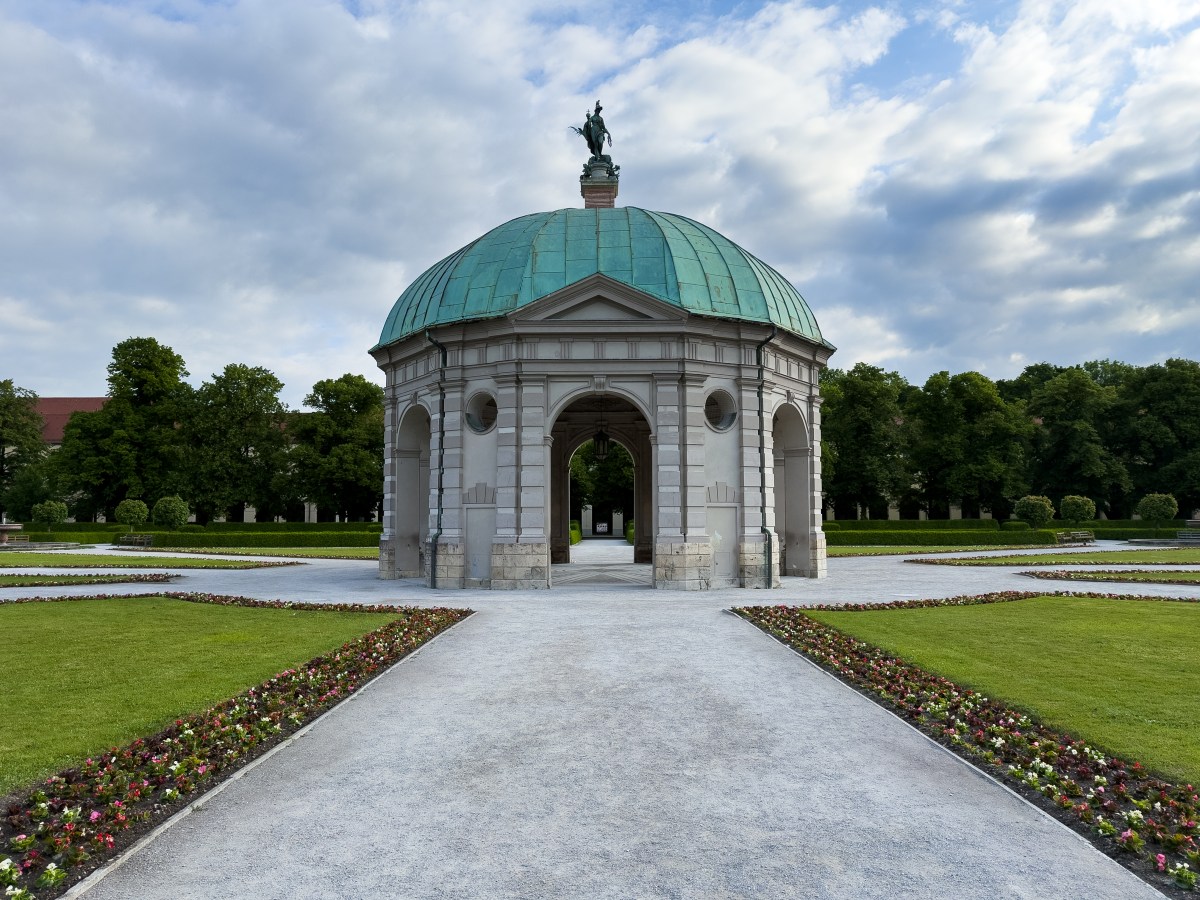


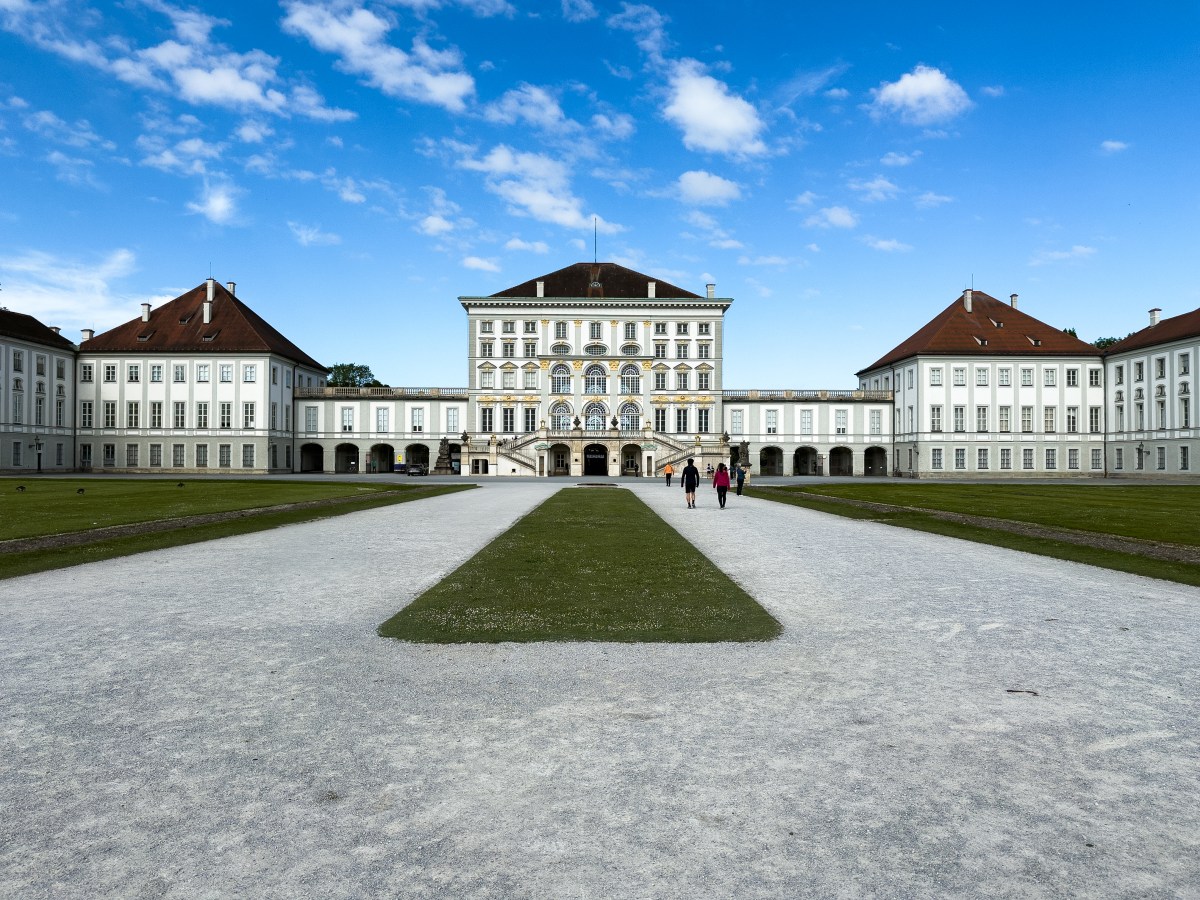

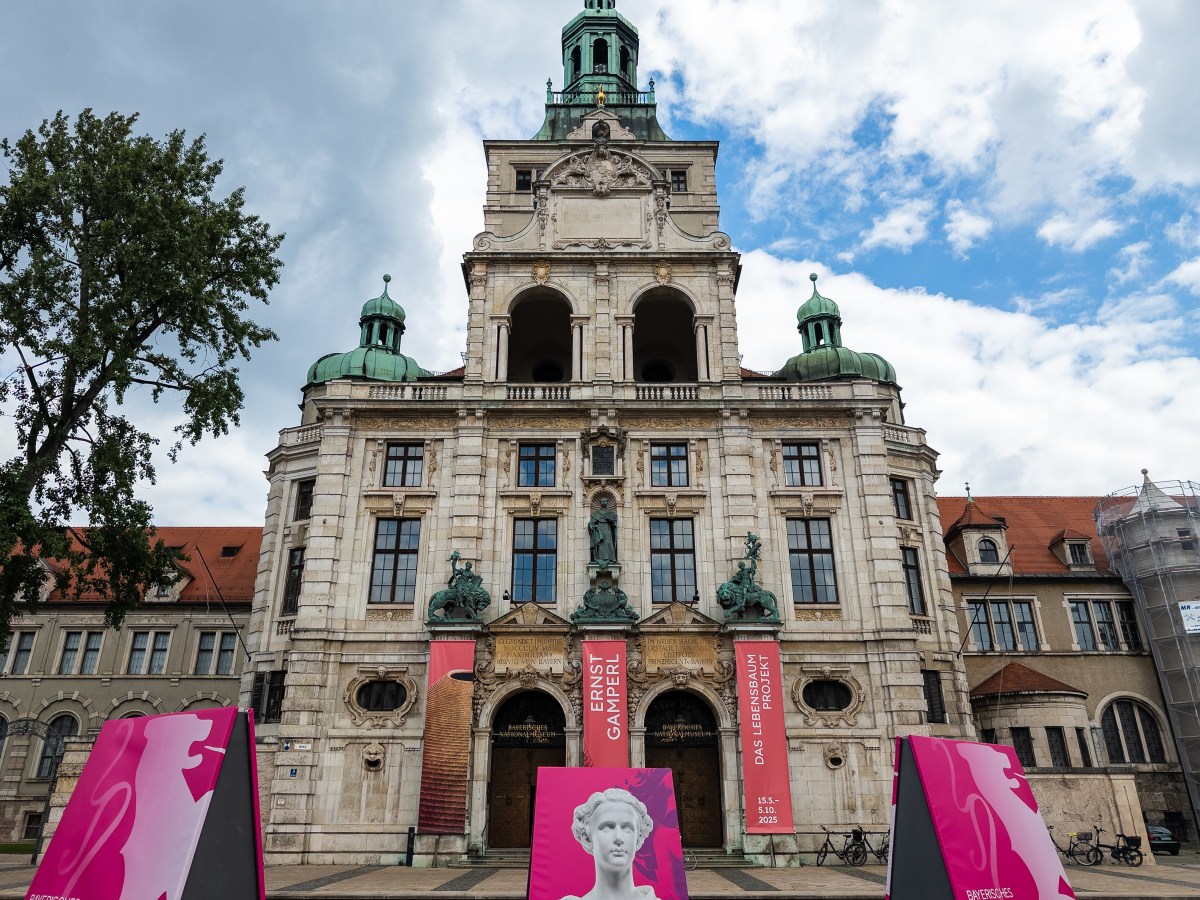
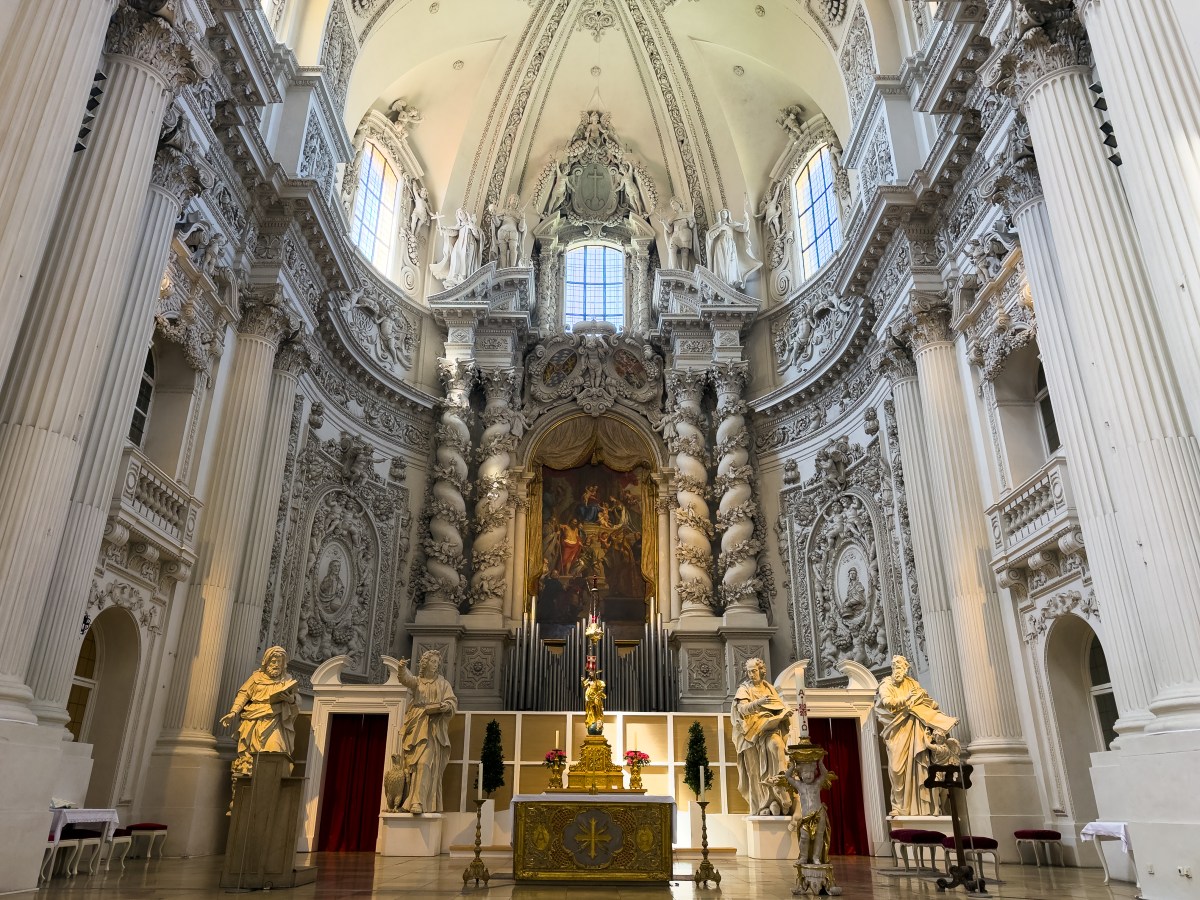

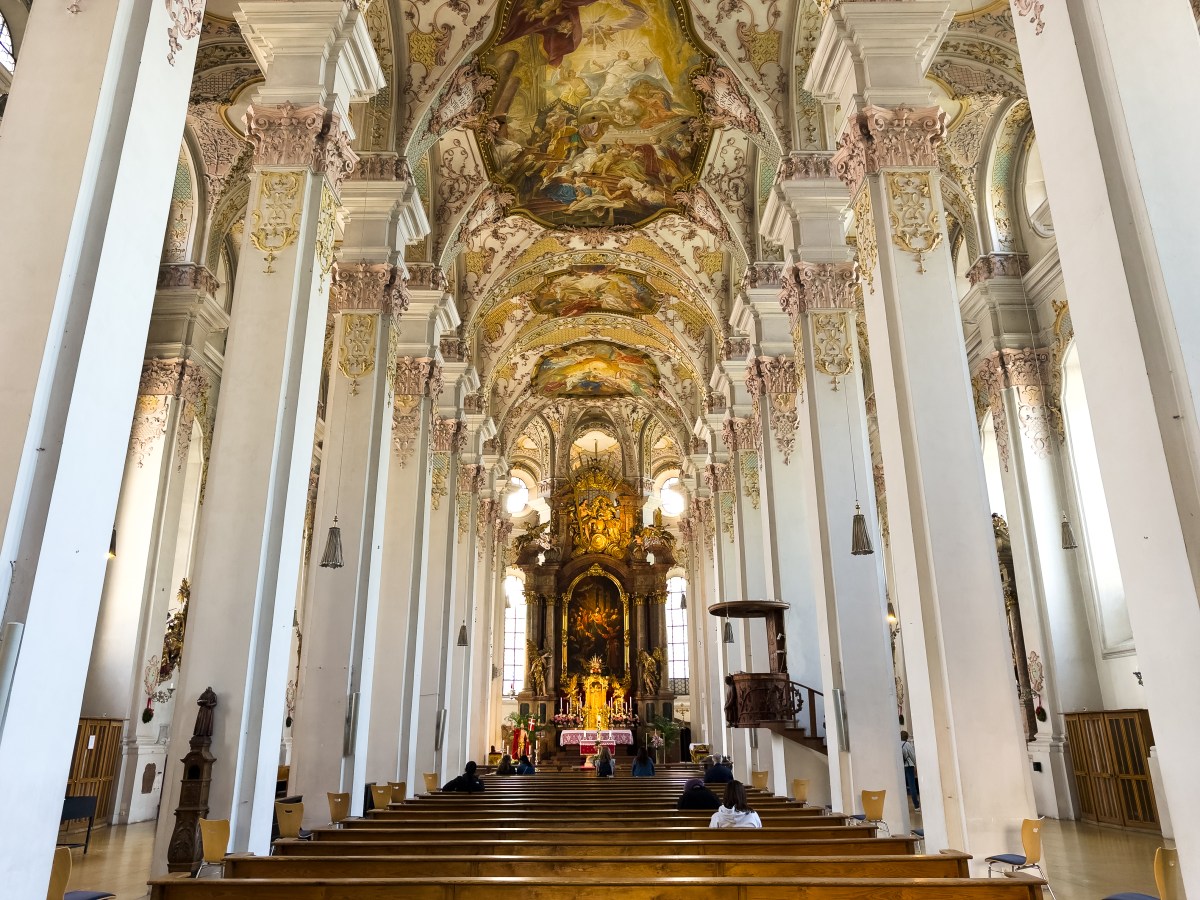


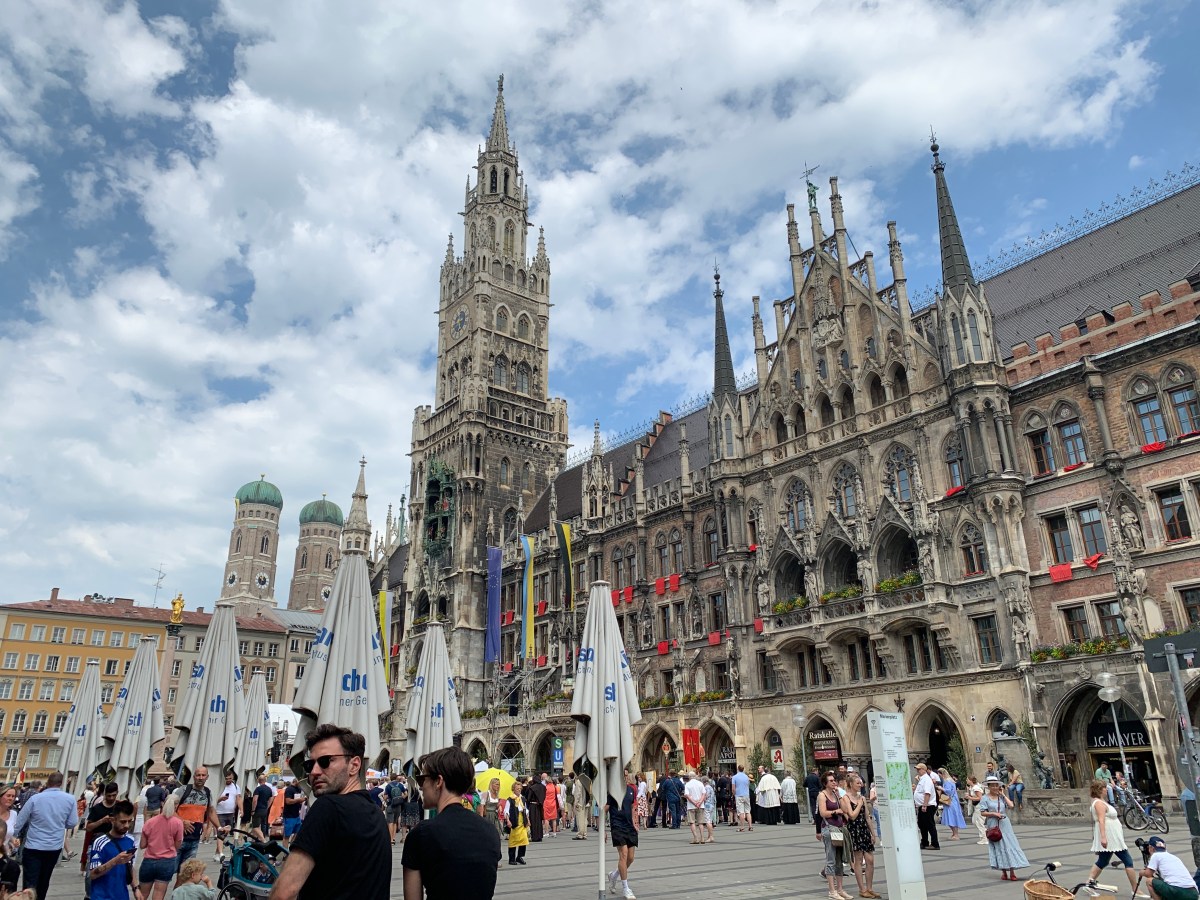

Munich
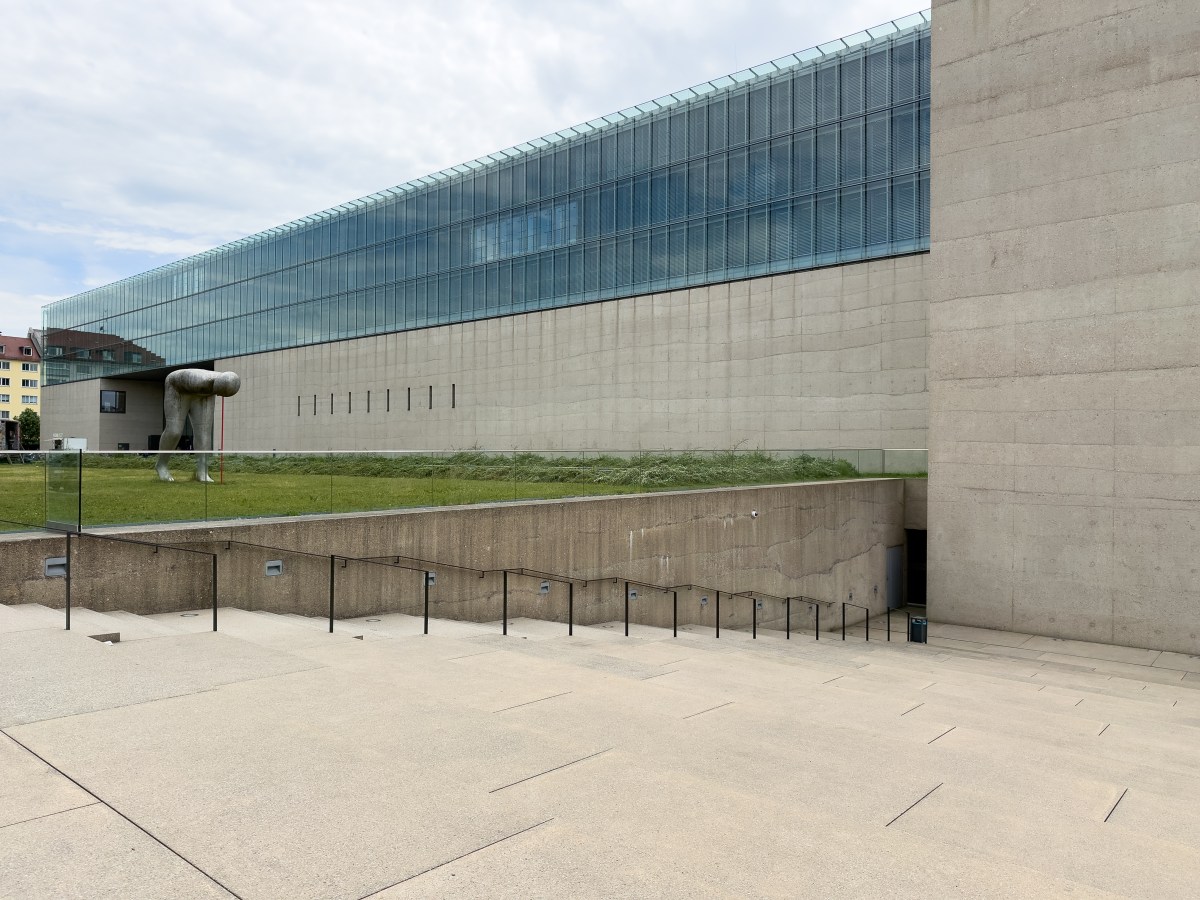
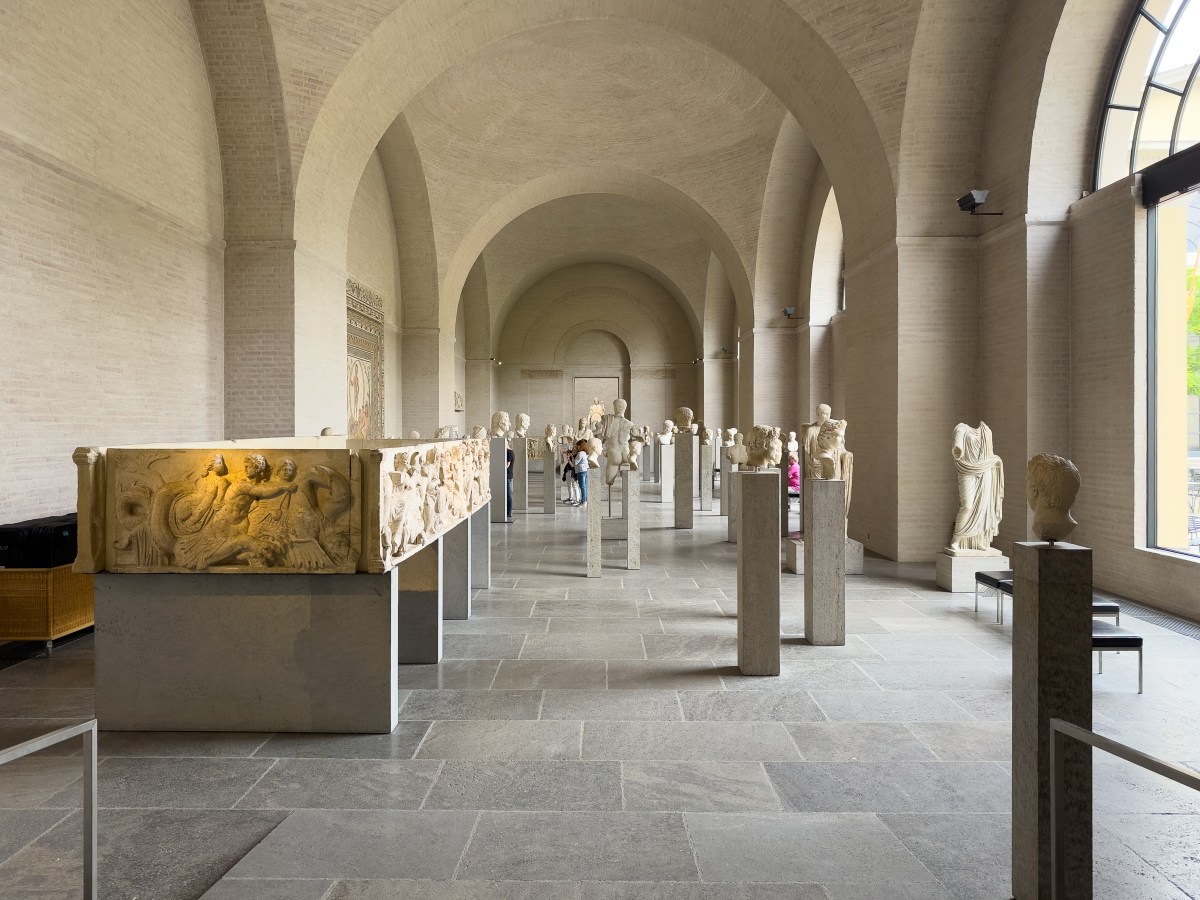
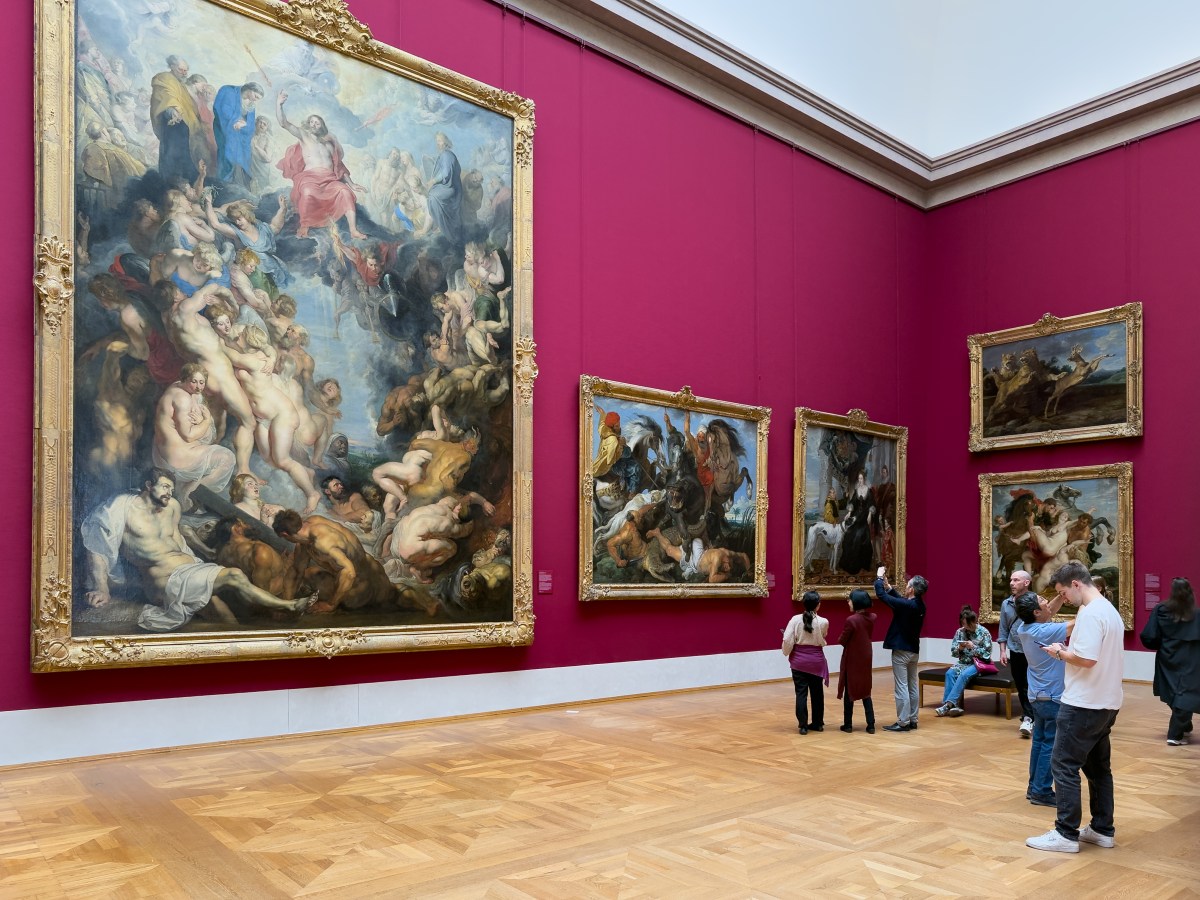
Munich, the capital of Bavaria in southern Germany, is a city that offers a perfect blend of history, culture, and modern charm. It’s an ideal destination for anyone seeking rich traditions, stunning architecture, vibrant arts, and hearty Bavarian hospitality. Munich dates back to 1158 and has grown from its monastic roots into one of Germany’s…
Thanks for visiting! I hope you have a great trip.
 Meticulous Meanderings