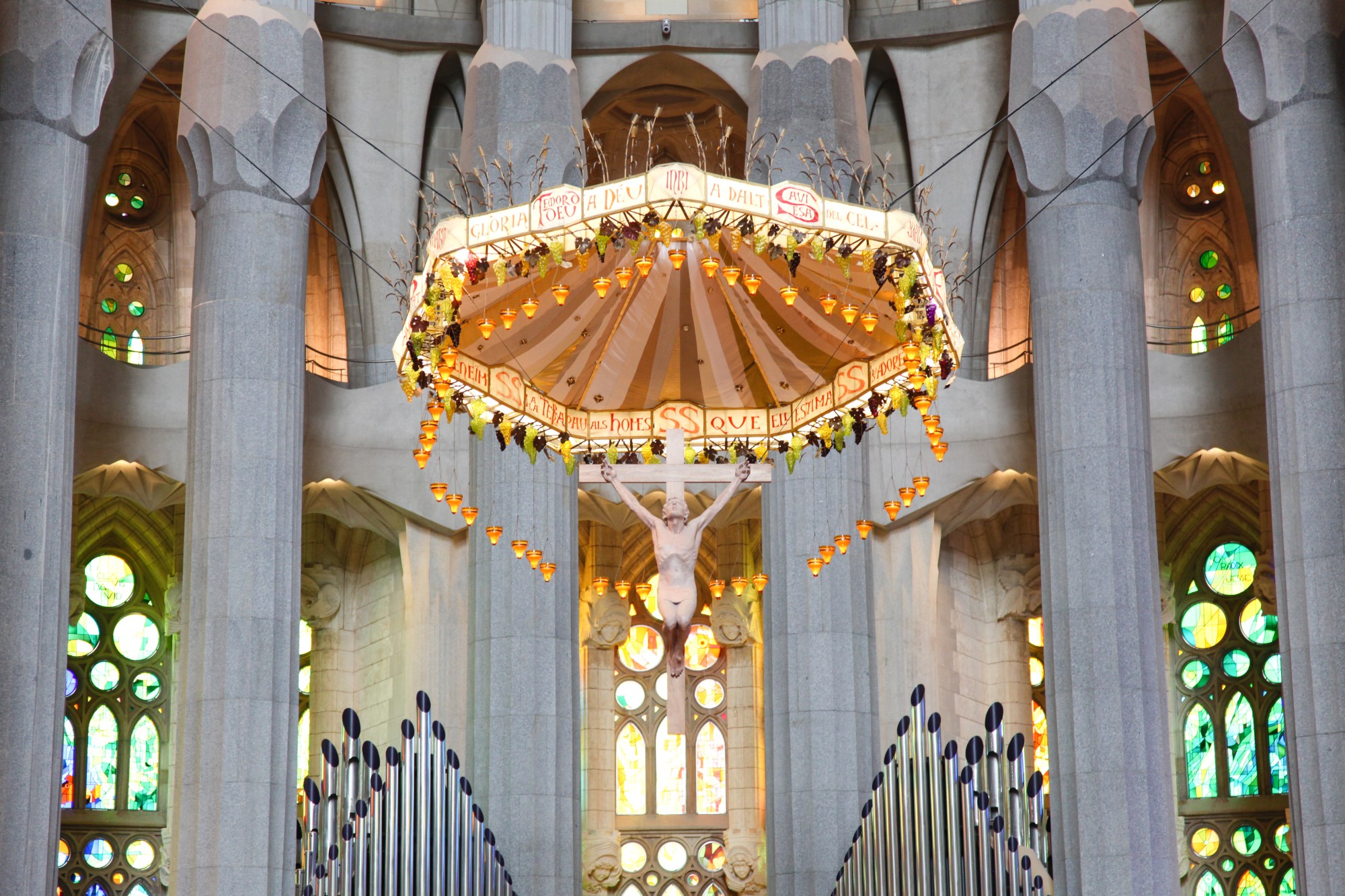
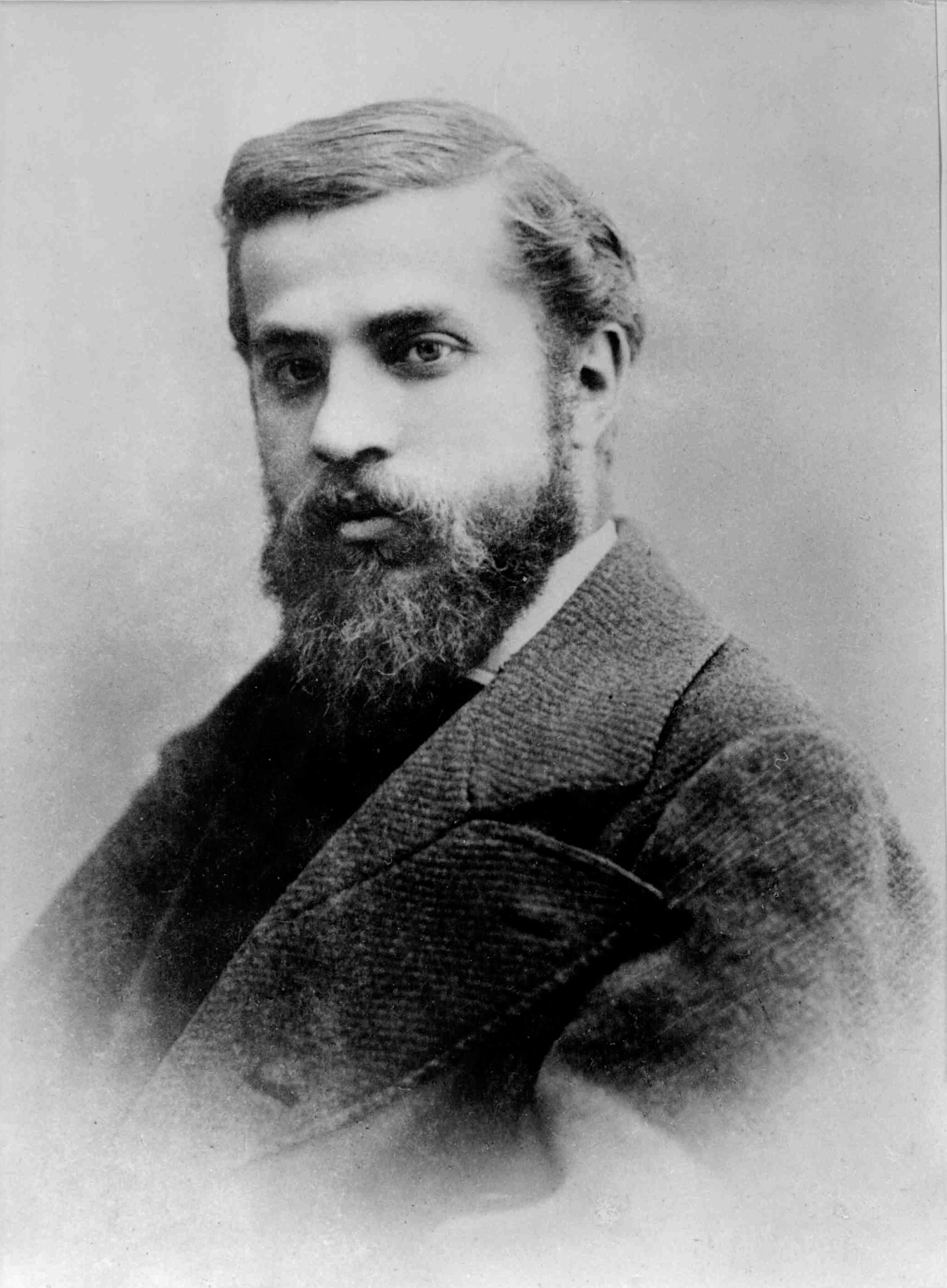
Antoni Gaudí i Cornet (1852-1926) was a renowned Spanish architect known for his distinctive and highly unique architectural style. He is considered one of the most important figures in the history of architecture and a leading exponent of Catalan Modernism, also known as Art Nouveau. Gaudí’s work is characterized by its organic forms, intricate detailing, and a strong connection to nature.
Gaudí was born on June 25, 1852, in Reus, a town in Catalonia, Spain. From a young age, he displayed an interest and talent in architecture and design. In 1873, he enrolled at the Barcelona Higher School of Architecture, where he studied and worked on various architectural projects. After graduating in 1878, Gaudí began his professional career by working on several projects, including the restoration of the Barcelona Cathedral.
Gaudí’s breakthrough project came in 1883 when he was commissioned to design and oversee the construction of the Sagrada Família, a monumental basilica in Barcelona. This became his most famous and ambitious work, although it remained unfinished at the time of his death. The Sagrada Família showcases Gaudí’s innovative architectural ideas, blending Gothic and Art Nouveau elements with his own distinct style. It is characterized by its towering spires, intricate facades, and a complex structural system inspired by natural forms.

In addition to the Sagrada Família, Gaudí designed and built numerous other notable structures in Barcelona. Among his most celebrated works are Casa Batlló, Casa Milà (also known as La Pedrera), and Park Güell. These buildings exhibit Gaudí’s fascination with organic shapes, colorful tile work, and the integration of sculpture and wrought iron into the architecture.

Gaudí was deeply influenced by nature and drew inspiration from natural forms, such as the shapes of trees, shells, and animal skeletons. He believed that architecture should harmonize with its surroundings and sought to create buildings that felt like natural organisms. Gaudí paid meticulous attention to detail and often personally supervised the construction process, making extensive use of scale models and intricate design drawings.
Tragically, Gaudí’s life came to a sudden end in 1926. He was struck by a tram in Barcelona and suffered severe injuries, eventually succumbing to his injuries three days later. Despite his premature death, Gaudí’s architectural legacy continues to inspire and captivate people from around the world. His works have been recognized as UNESCO World Heritage Sites and have become iconic symbols of Barcelona’s rich architectural heritage.
Antoni Gaudí’s distinctive style, blending nature, symbolism, and innovative design, has left an indelible mark on the world of architecture. His visionary approach and imaginative creations continue to inspire architects and artists to this day, ensuring that his legacy lives on as a testament to his extraordinary talent and creativity.
 Meticulous Meanderings
You must be logged in to post a comment.