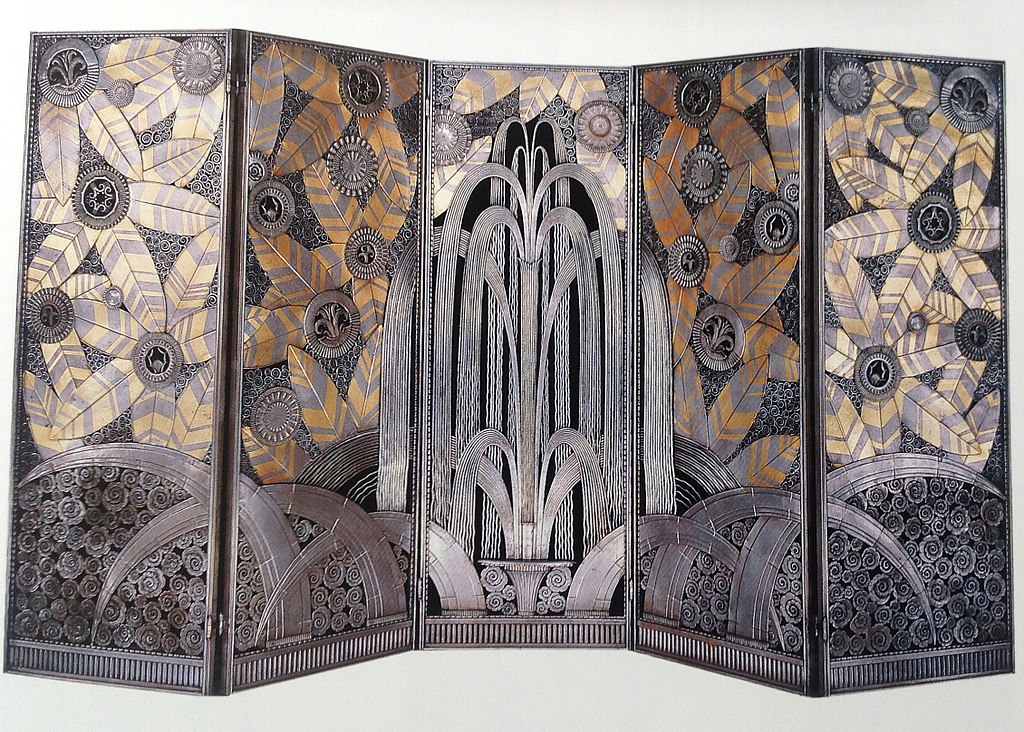
Art Deco architecture is a distinctive architectural style that emerged in the early 20th century, reaching its peak in the 1920s and 1930s. It is characterized by its bold geometric shapes, streamlined forms, and luxurious decorative elements. Here are the key characteristics of Art Deco architecture:
- Geometric Forms: Art Deco architecture features strong geometric shapes, such as rectangles, triangles, and zigzags. Buildings often have clean, sleek lines and symmetrical designs. Cubic and cylindrical forms are also common, giving a sense of solidity and strength.
- Ornamentation: Art Deco embraces decorative elements as an integral part of the design. Buildings are adorned with elaborate motifs, including sunbursts, zigzags, chevrons, and stylized flora and fauna. These decorative elements are often made of materials like glass, metal, and terracotta.
- Luxurious Materials: Art Deco buildings are associated with opulence and luxury. They are constructed using high-quality materials, such as polished stone, marble, granite, and expensive metals like chrome and brass. The use of these materials adds a sense of grandeur and sophistication to the architecture.
- Symmetry and Balance: Art Deco architecture often emphasizes symmetry and balance. Buildings are frequently designed with a central axis and mirrored elements on either side. This creates a sense of order and harmony in the overall composition.
- Smooth Surfaces: Art Deco buildings often have smooth, sleek surfaces, showcasing a sense of modernity and efficiency. Walls are often rendered in stucco or concrete, and large windows are common to allow ample natural light to penetrate the interiors.
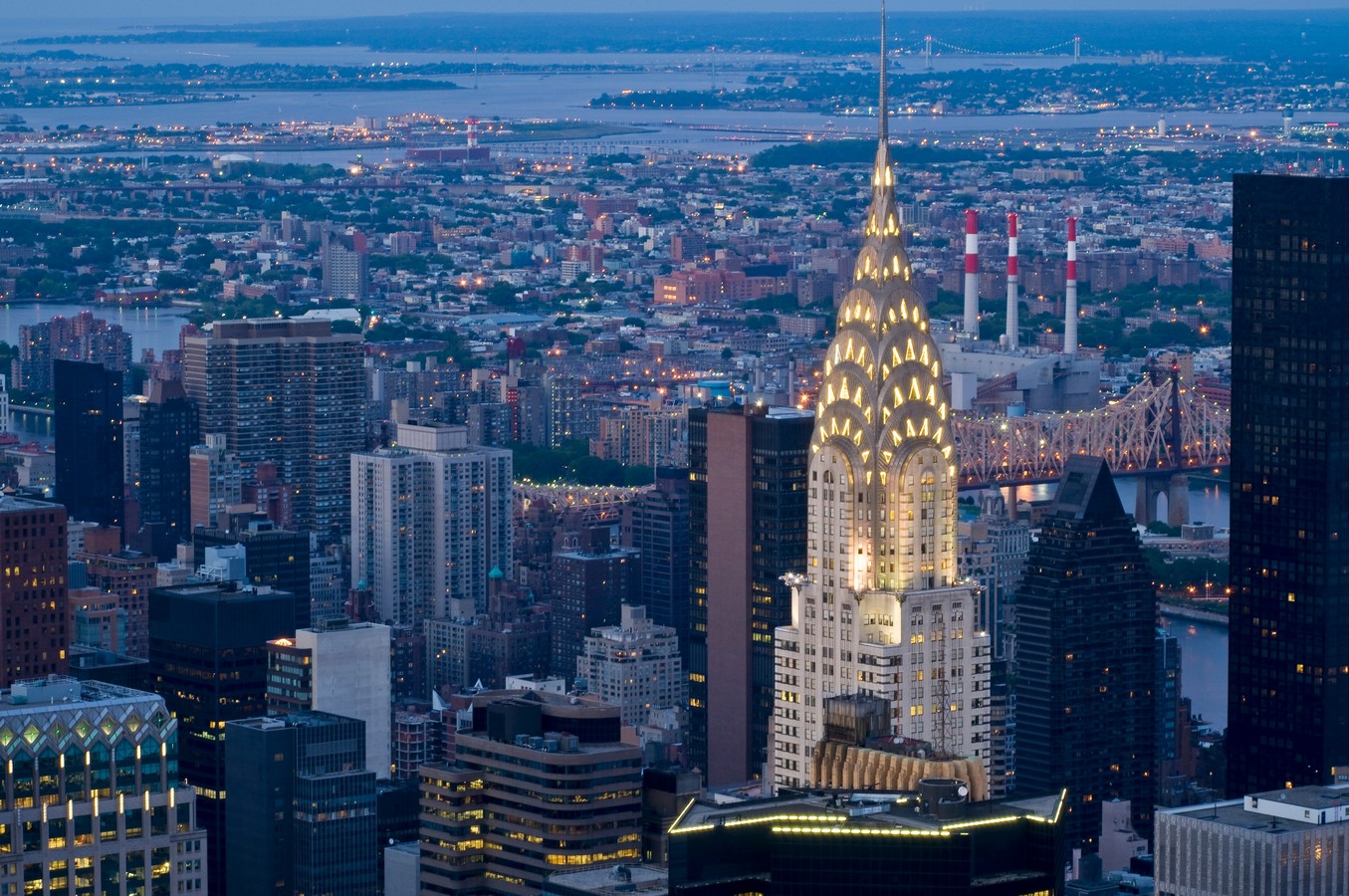
- Vertical Emphasis: Art Deco architecture frequently employs vertical elements to create a sense of height and grandeur. Skyscrapers and tall buildings with setbacks and tiered designs were popular during this period, symbolizing progress and modernity.
- Decorative Lighting: Art Deco architecture utilizes decorative lighting fixtures as an integral part of the design. Buildings often feature elaborate chandeliers, sconces, and geometrically shaped light fixtures that add a sense of glamour and elegance.
- Streamlined Design: Art Deco architecture reflects the influence of the machine age and the concept of aerodynamics. It embraces streamlined design principles, with smooth curves and sleek surfaces reminiscent of modern transportation, such as cars, trains, and ocean liners.
- Influence from Ancient Cultures: Art Deco draws inspiration from various ancient cultures and artistic movements. It incorporates elements from Egyptian, Aztec, and Mayan art, as well as Cubism and Futurism, resulting in a fusion of historical references and modern aesthetics.
- Urban Focus: Art Deco architecture flourished in urban settings, particularly in major cities around the world. It often represents the spirit of progress, modernity, and the bustling energy of city life.
Overall, Art Deco architecture is characterized by its boldness, glamour, and embrace of modernity. It represents a unique blend of decorative arts, industrial design, and architectural innovation, leaving a lasting legacy in many iconic buildings and cityscapes worldwide.
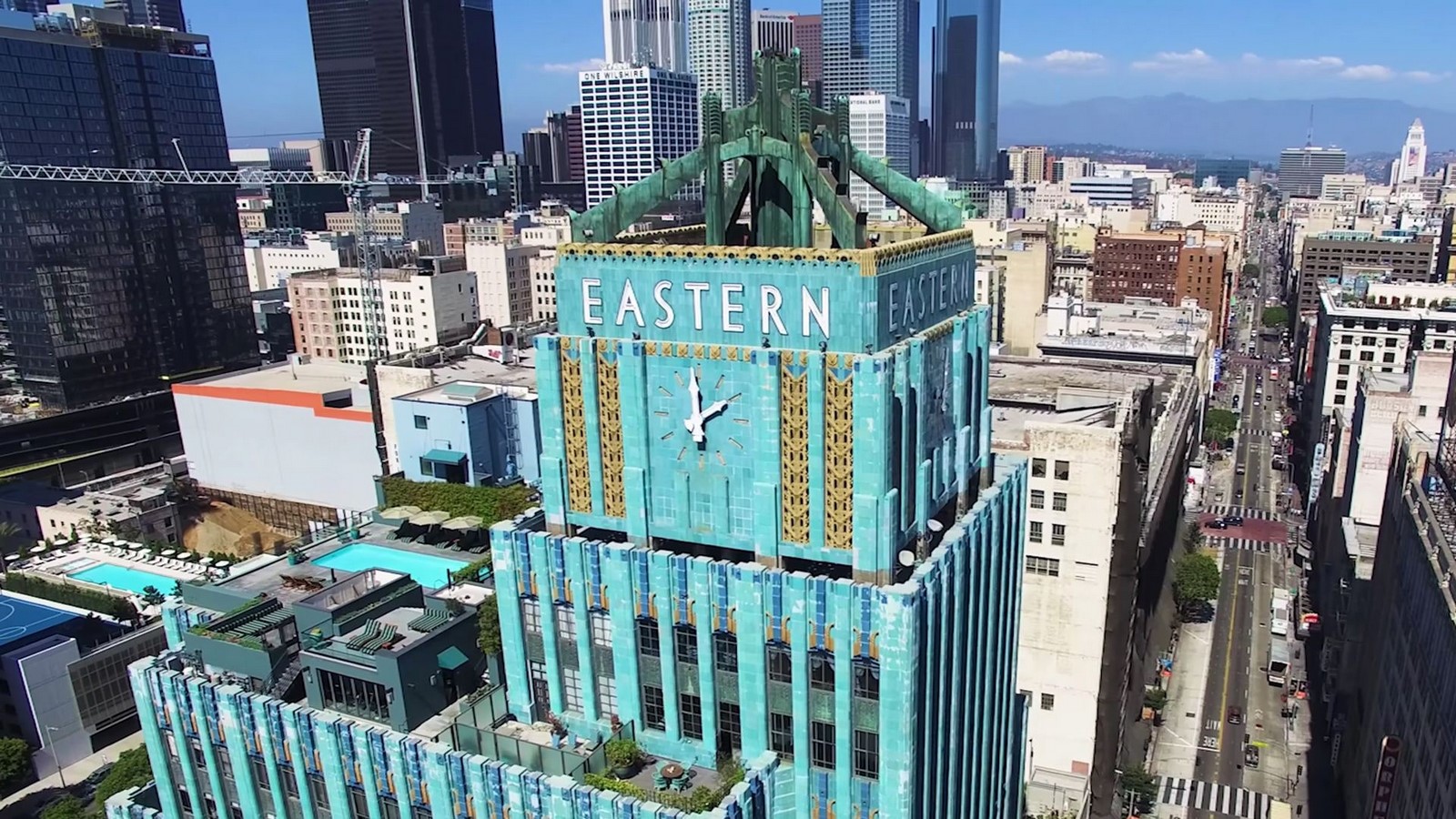


Other architectural styles

Gothic Architecture
Gothic architecture is a style of architecture that emerged in Europe during the late medieval period, spanning from the 12th to the 16th centuries. It is characterized by several distinctive features that set it apart from other architectural styles of its time. Here are the key features of Gothic architecture: Gothic architecture represented a departure…

Baroque Architecture
Baroque architecture is an extravagant and theatrical style that emerged in Europe during the late 16th century and flourished until the early 18th century. It is characterized by grandeur, ornate decoration, and a sense of motion and drama. Here are some key characteristics of Baroque architecture: Overall, Baroque architecture is a style that revels in…
Rococo Architecture
The Rococo style of architecture emerged in the 18th century as a continuation of the Baroque style, but with a lighter and more delicate aesthetic. It originated in France and spread throughout Europe, particularly in countries such as Germany, Austria, and Italy. Rococo architecture is characterized by its emphasis on asymmetry, ornate decoration, and a…

Neoclassical Architecture
Neoclassical architecture is a style that emerged in the mid-18th century as a reaction against the extravagance and complexity of the Baroque and Rococo styles. Inspired by the classical architecture of ancient Greece and Rome, neoclassical buildings sought to revive the principles and aesthetics of classical antiquity while incorporating a sense of order, simplicity, and…
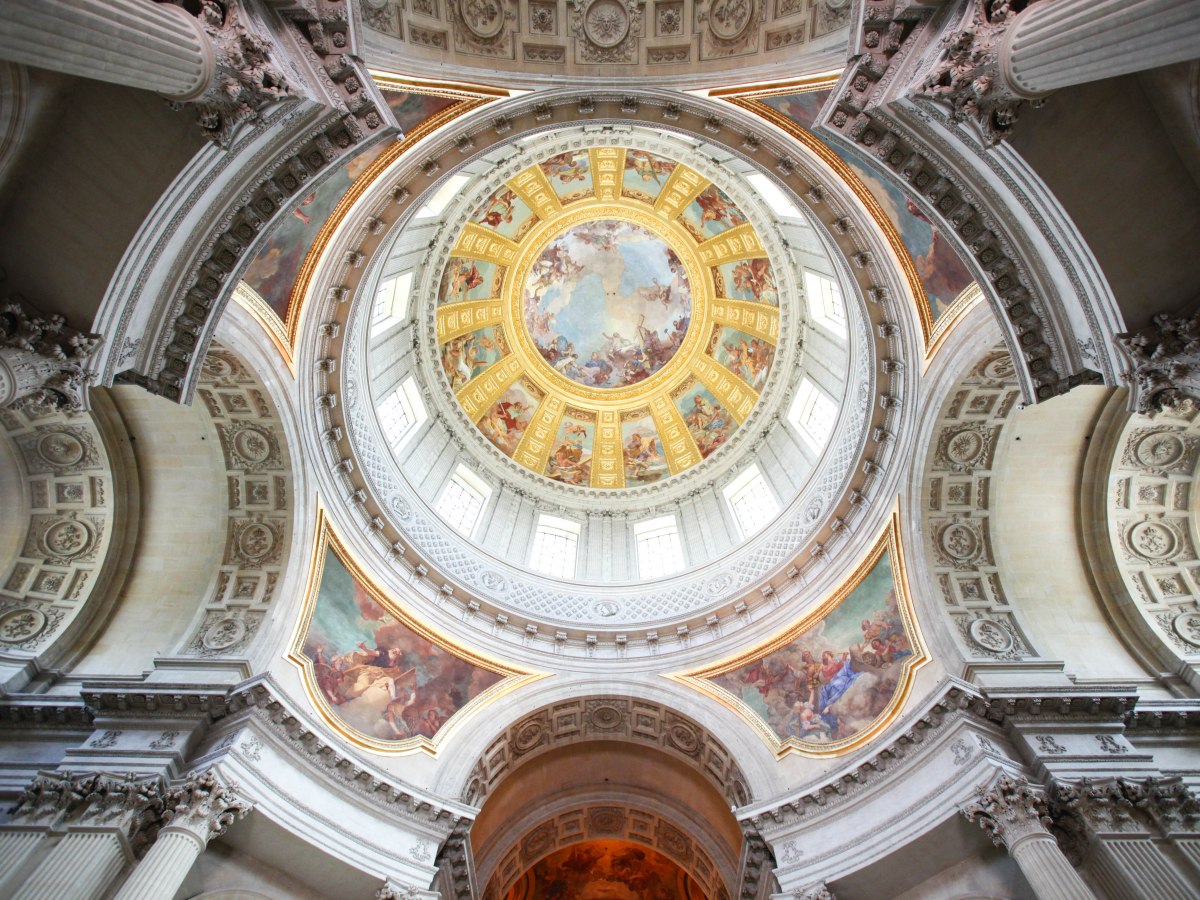
Renaissance Architecture
Renaissance architecture refers to the architectural style that emerged in Europe during the Renaissance period, roughly spanning from the 14th to the 17th century. This style was a revival and reinterpretation of the classical architectural principles of ancient Greece and Rome. Here are some key features of Renaissance architecture: These features collectively contributed to the…
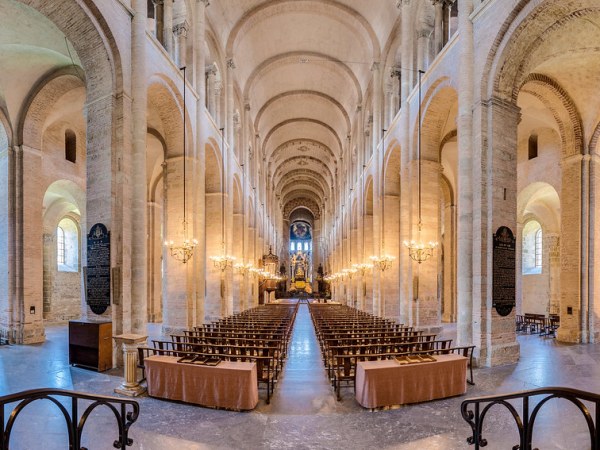
Romanesque Architecture
Romanesque architecture is a medieval architectural style that flourished in Europe from the 10th to the 12th century. It was a distinctive architectural form that evolved from the earlier Roman and Byzantine architectural traditions and laid the foundation for the Gothic style that followed. Here are the key characteristics of Romanesque architecture: Overall, Romanesque architecture…
Moorish Architecture
Moorish architecture refers to the architectural style that developed in the Western Islamic world during the period of Moorish rule (8th to 15th centuries) in Spain, North Africa, and parts of Portugal. It is known for its unique and distinctive characteristics. Here are some key features of Moorish architecture: These characteristics collectively contribute to the…
Pombaline Architecture
The Pombaline style of architecture refers to a distinctive architectural style that emerged during the reign of Marquis of Pombal, Sebastião José de Carvalho e Melo, who was the Prime Minister of Portugal from 1750 to 1777. This architectural style is primarily associated with the reconstruction efforts that took place in Lisbon after the devastating…

Manueline Architecture
The Manueline style of architecture in Portugal is a unique and ornate architectural style that emerged during the late 15th and early 16th centuries, coinciding with the Age of Discovery when Portugal was at the forefront of maritime exploration and trade. Named after King Manuel I of Portugal, who ruled during this period, Manueline architecture…

Art Deco Architecture
Art Deco architecture is a distinctive architectural style that emerged in the early 20th century, reaching its peak in the 1920s and 1930s. It is characterized by its bold geometric shapes, streamlined forms, and luxurious decorative elements. Here are the key characteristics of Art Deco architecture: Overall, Art Deco architecture is characterized by its boldness,…

Art Nouveau Architecture
Art Nouveau, also known as “New Art” or “Jugendstil,” was an influential art movement that emerged in the late 19th century and flourished until the early 20th century. It was an international style that manifested in various art forms, including architecture, decorative arts, and graphic design. Art Nouveau architecture sought to break away from the…
 Meticulous Meanderings
You must be logged in to post a comment.