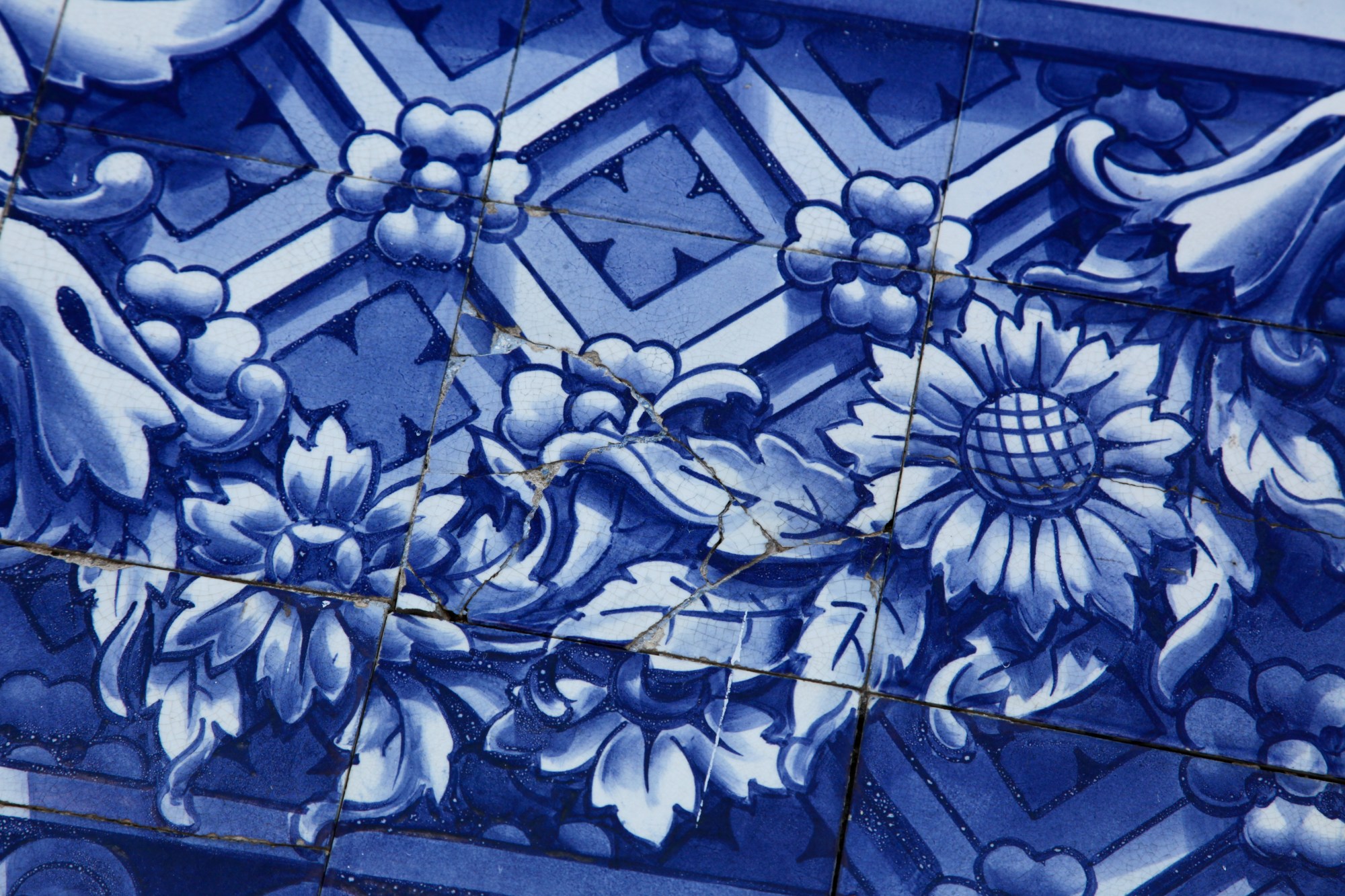
The history of Portuguese Azulejo tiles is a fascinating journey that dates back several centuries. The word “azulejo” itself is derived from the Arabic word “zellige,” which means “polished stone.” The art of creating these decorative tiles was introduced to Portugal during the Moorish occupation of the Iberian Peninsula, which lasted from the 8th to the 13th century. Over time, the Portuguese transformed and adapted this art form, making it an integral part of their culture and architectural heritage.
The production of Azulejo tiles involves several distinct steps. Traditionally, the tiles were made by hand, although modern techniques have introduced mechanization to some extent. Here is a general overview of the process:
- Clay Preparation: The first step involves preparing the clay mixture. High-quality clay is selected and mixed with water to create a homogeneous paste. The mixture is then left to rest for a specific period to achieve the desired consistency.
- Shaping the Tiles: Once the clay is ready, it is shaped into flat slabs using various techniques. The slabs can be rolled out manually or passed through a mechanical press. The thickness of the slabs is carefully controlled to ensure uniformity.
- Drying: The shaped slabs are left to dry naturally in a controlled environment. This process allows the excess moisture to evaporate slowly, preventing cracks and deformities in the tiles.
- Glazing: After the drying process, the tiles are coated with a layer of glaze, which is usually made of tin or lead. The glaze serves both decorative and protective purposes, adding a glossy finish and making the tiles more resistant to moisture and wear.
- Painting and Decoration: Once the glaze has been applied, the tiles are ready to be decorated. Traditional Azulejos are painted using a technique called “cuerda seca” (dry cord). In this method, the design is outlined using a raised line made of a black, iron-rich pigment mixed with oil or wax. The compartments created by the lines are then filled with colored glazes, which are carefully applied with a brush.
- Firing: The final step involves firing the tiles in a kiln at high temperatures. This firing process is essential to fix the glaze and achieve the desired durability and vibrant colors. The temperature and duration of firing vary depending on the type of clay and glaze used.
Throughout history, Azulejo tiles have been used extensively in Portuguese architecture, adorning both the exteriors and interiors of buildings. They have been employed to depict various themes, including historical events, religious scenes, nature, and geometric patterns. These tiles can be found in palaces, churches, monasteries, public buildings, and even private homes, contributing to the unique visual identity of Portugal.
The art of creating Azulejo tiles has evolved over time, blending traditional techniques with modern innovations. While some artisans still produce tiles entirely by hand, others employ machinery for certain stages of the process to increase efficiency and productivity. However, the essence of this remarkable art form remains deeply rooted in Portuguese culture, and the beauty and craftsmanship of Azulejo tiles continue to be appreciated worldwide.


 Meticulous Meanderings