Claude Monet (1840-1926) was a renowned French painter and a leading figure in the Impressionist movement. He is widely regarded as one of the greatest artists of all time and played a crucial role in shaping modern art. Monet’s innovative approach to painting and his devotion to capturing the essence of light and color had a profound impact on the art world.

Monet, along with other like-minded artists, rejected the traditional academic style of painting prevalent in the 19th century. They sought to depict the fleeting nature of light and the sensory experience of a scene rather than focusing on detailed, realistic representations. This approach led to the development of the Impressionist style, which emphasized capturing the atmospheric effects of a particular moment in time.
Monet’s paintings were characterized by loose brushwork, vibrant colors, and an emphasis on the interplay of light and shadow. He often painted en plein air, which means he worked outdoors directly from nature, allowing him to capture the changing effects of light and atmosphere.
Some of Monet’s most famous paintings include:
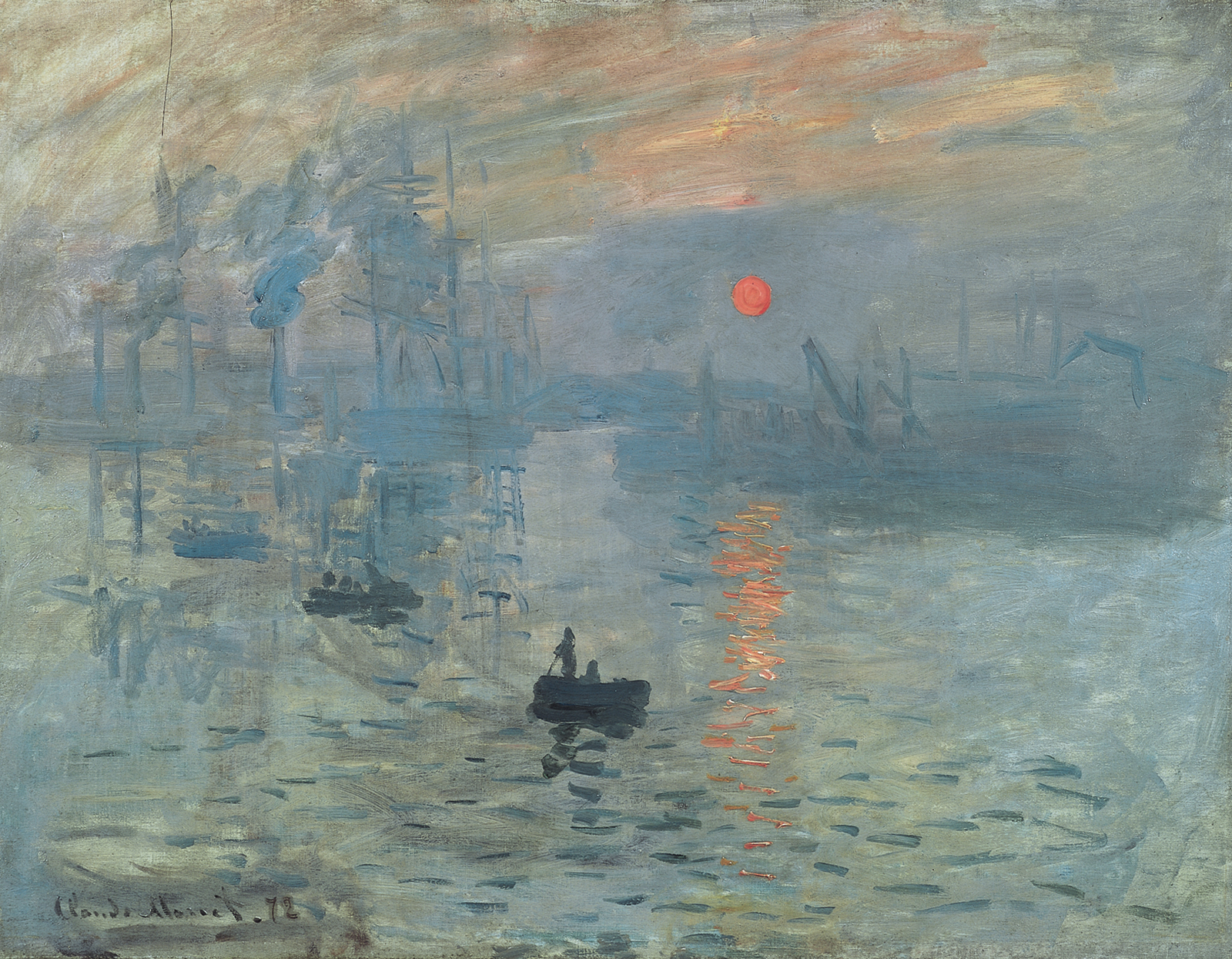
“Impression, Sunrise” (1872): This painting gave the name “Impressionism” to the entire movement. It depicts the port of Le Havre at sunrise, with loose brushstrokes and a hazy atmosphere.
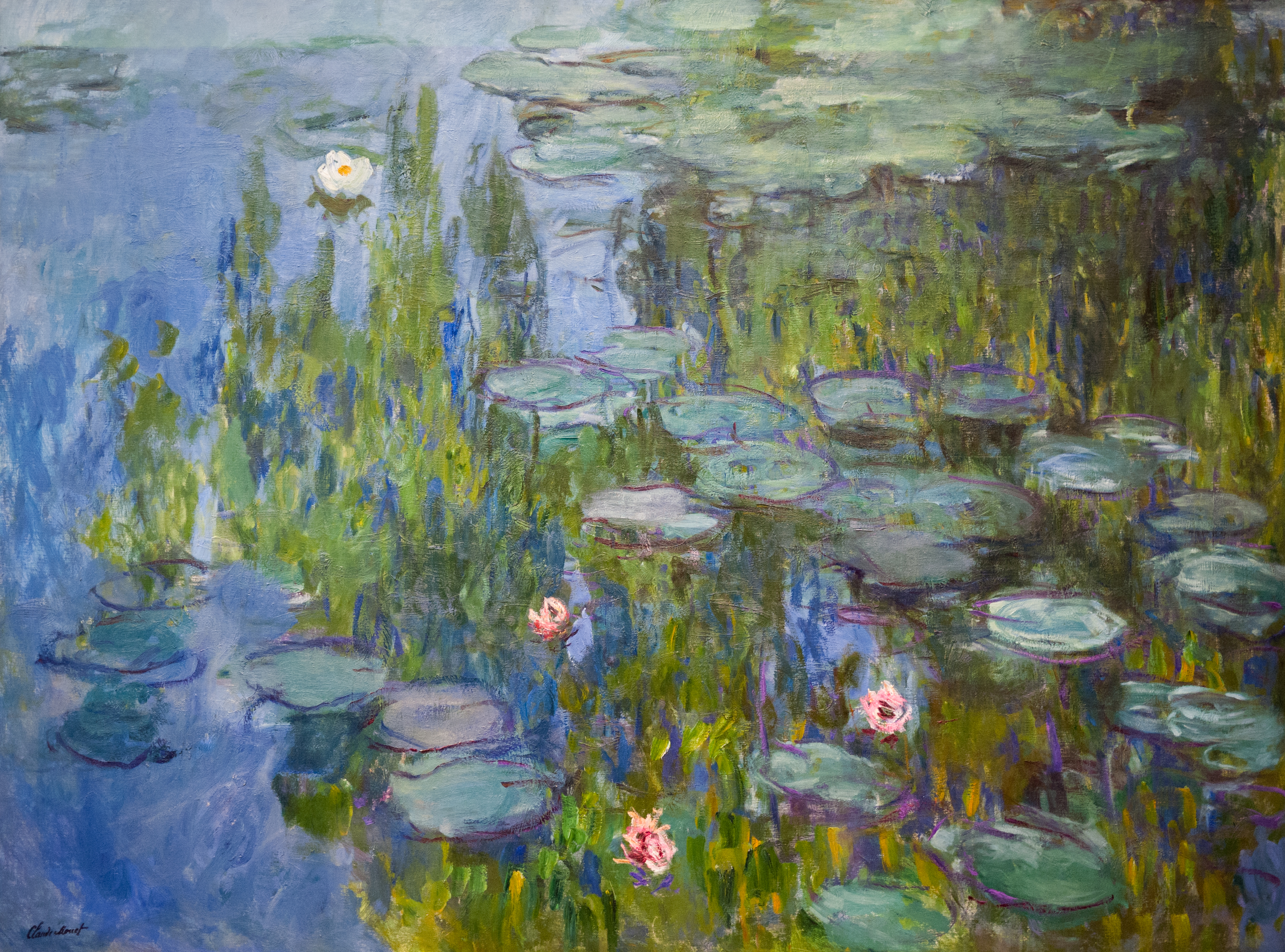
“Water Lilies” series (1890s-1920s): Monet’s series of paintings featuring water lilies in his garden at Giverny are some of his most iconic works. These large-scale, immersive paintings depict the serene beauty of the lily ponds and showcase Monet’s mastery of color and light.
“Rouen Cathedral” series (1892-1894): Monet created a series of paintings depicting the façade of Rouen Cathedral at different times of the day and under various lighting conditions. The series showcases his ability to capture the ever-changing effects of light and atmosphere.

“Haystacks” series (1890-1891): In this series, Monet painted the same haystacks in the countryside of Giverny at different times of the day and seasons. The focus was on the shifting colors and shadows, highlighting the transient nature of light.

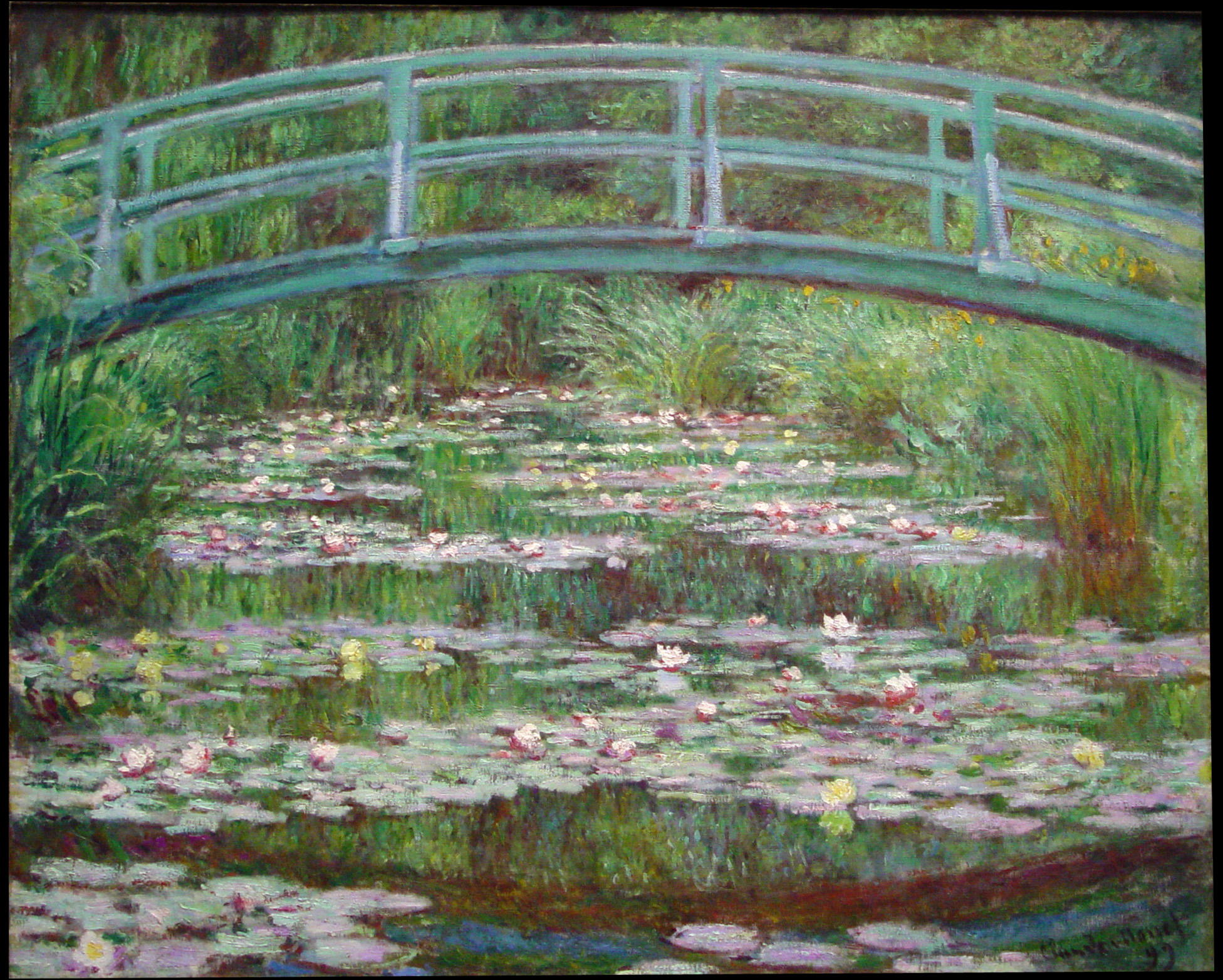
“The Japanese Bridge” (1899): This painting is part of Monet’s series depicting his Japanese-style bridge over the water lily pond at Giverny. It showcases his mastery of color harmony and atmospheric perspective.
Monet’s innovative techniques and bold exploration of color and light paved the way for modern art movements such as Fauvism and Abstract Expressionism. His contributions to the art world continue to inspire generations of artists and art enthusiasts to this day.
 Meticulous Meanderings
You must be logged in to post a comment.