
The English style of garden design is known for its timeless elegance, naturalistic approach, and careful attention to detail. Here are some characteristics commonly associated with English gardens:
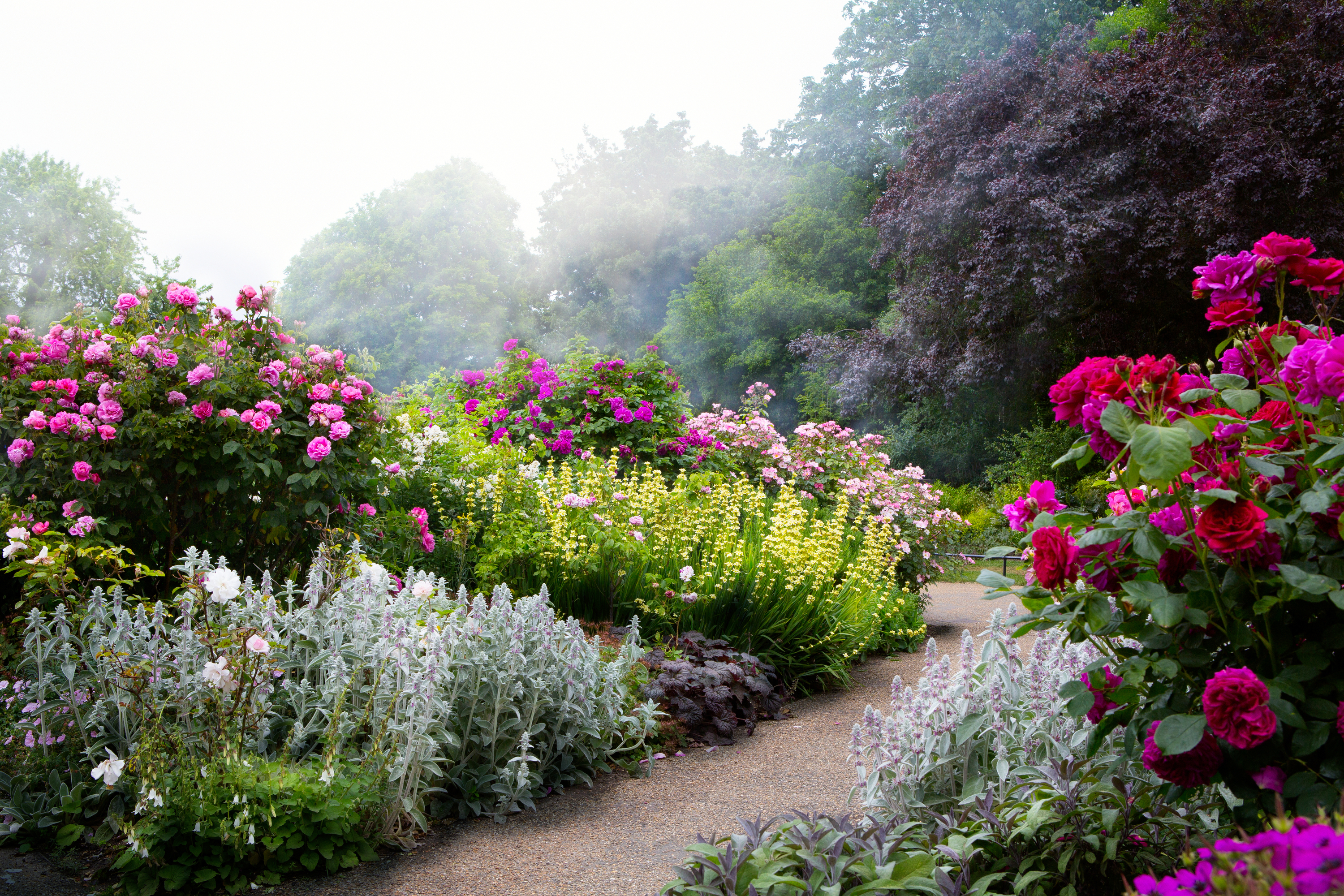
- Informality: English gardens typically have a relaxed and informal layout, avoiding rigid geometric patterns. They often feature meandering pathways, curving borders, and irregularly shaped flowerbeds.
- Abundance of Plants: English gardens are known for their profusion of plants, including a wide variety of flowers, shrubs, and trees. These gardens aim to create a rich tapestry of colors, textures, and scents throughout the year.
- Mixed Borders: English gardens often incorporate mixed borders, where plants of varying heights and forms are arranged together. This creates a sense of layering and depth, with taller plants at the back and shorter ones towards the front.
- Ponds and Water Features: Water is an integral part of many English gardens. Ponds, fountains, and small water features add a sense of tranquility and provide a habitat for aquatic plants and wildlife.
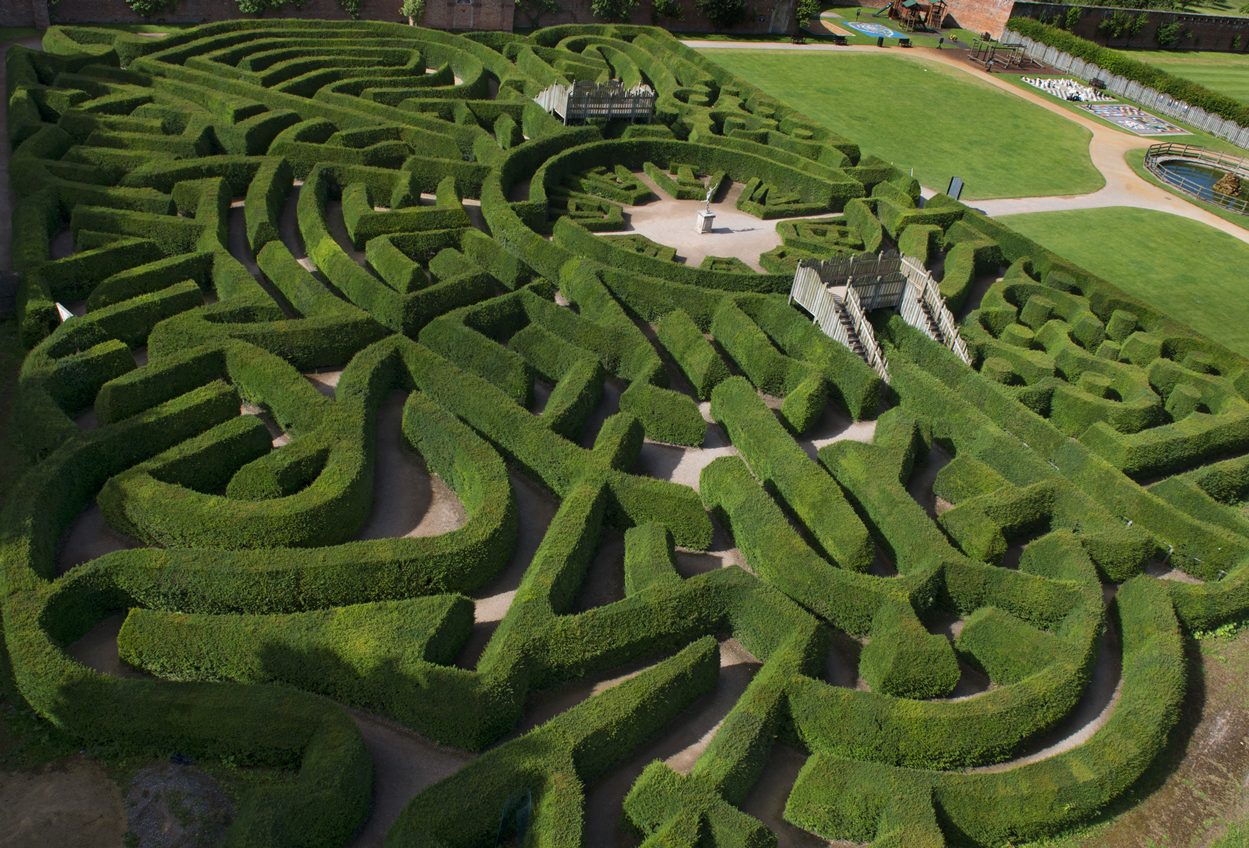
- Hedges and Enclosures: Hedges are commonly used to define garden boundaries and create outdoor rooms or “garden rooms.” These enclosed spaces offer a sense of privacy and a feeling of discovery as visitors move from one area to another.
- Architectural Elements: English gardens often incorporate architectural elements such as trellises, arbors, pergolas, and gazebos. These structures provide focal points, support climbing plants, and create shaded areas for relaxation.
- Informal Lawn Areas: English gardens frequently feature well-manicured lawns as open spaces for recreation and social gatherings. These lawns are typically not as expansive as those found in formal French gardens.
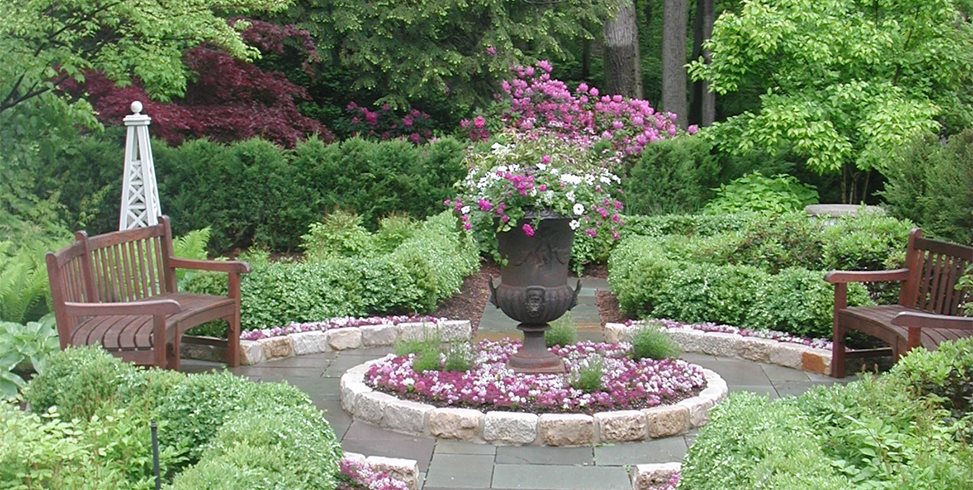
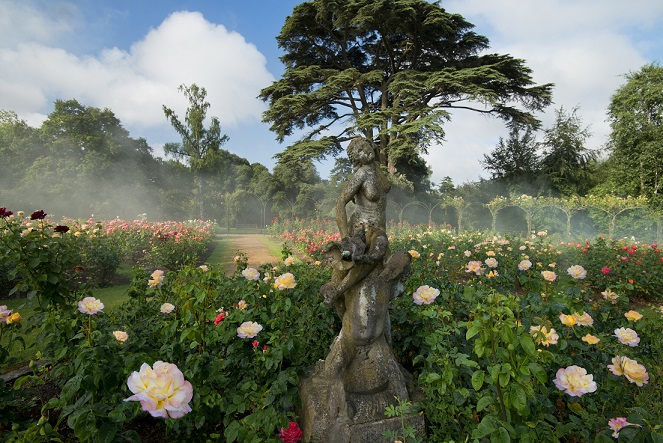
- Garden Ornaments: Ornamental elements like statues, urns, and sundials are often incorporated into English gardens. These additions add a touch of whimsy and visual interest.
Some influential English garden designers who have made significant contributions to the field include:
Capability Brown (1716-1783): Considered one of the most influential English landscape designers, Capability Brown transformed the English countryside with his naturalistic designs. He created vast parklands, including Blenheim Palace and Chatsworth House.
Gertrude Jekyll (1843-1932): Known for her collaboration with architect Sir Edwin Lutyens, Gertrude Jekyll is renowned for her innovative use of color, texture, and plant combinations. She popularized the concept of “color-themed borders” and created over 400 gardens in the English Arts and Crafts style.
Vita Sackville-West (1892-1962): Vita Sackville-West was a writer and gardener who played a significant role in the creation of Sissinghurst Castle Garden in Kent. Her garden designs emphasized structure, with distinct “garden rooms” and lush planting schemes.
Rosemary Verey (1918-2001): Rosemary Verey was an influential English garden designer known for her elegant and romantic style. Her designs often featured geometric patterns, boxwood hedges, and vibrant herbaceous borders.
Dan Pearson: A contemporary English garden designer, Dan Pearson is known for his naturalistic and sustainable approach to design. His works include the award-winning gardens at the 2015 Chelsea Flower Show and the restoration of the Tokachi Millennium Forest in Japan.
These are just a few examples of influential English garden designers, but there are many more who have contributed to the rich heritage of English garden design.
 Meticulous Meanderings
You must be logged in to post a comment.