
Gargoyles have a rich history and significant presence in architectural design. Originally developed during the medieval period, these grotesque figures were primarily used as decorative water spouts on buildings, particularly Gothic cathedrals. Let’s explore the history and significance of gargoyles in architecture:
Historical Origins:
Gargoyles trace their roots back to ancient civilizations such as the Egyptians, Greeks, and Romans, who incorporated decorative waterspouts in their architectural designs. However, it was during the medieval period, particularly from the 12th century onwards, that gargoyles became popular in Europe.
Practical Function:
The primary purpose of gargoyles was functional. They were designed to divert rainwater away from the walls of buildings, particularly the roofs and foundations. By directing water through their mouths and away from the structure, gargoyles helped prevent water damage and erosion, ultimately protecting the building’s integrity.
Symbolism and Iconography:
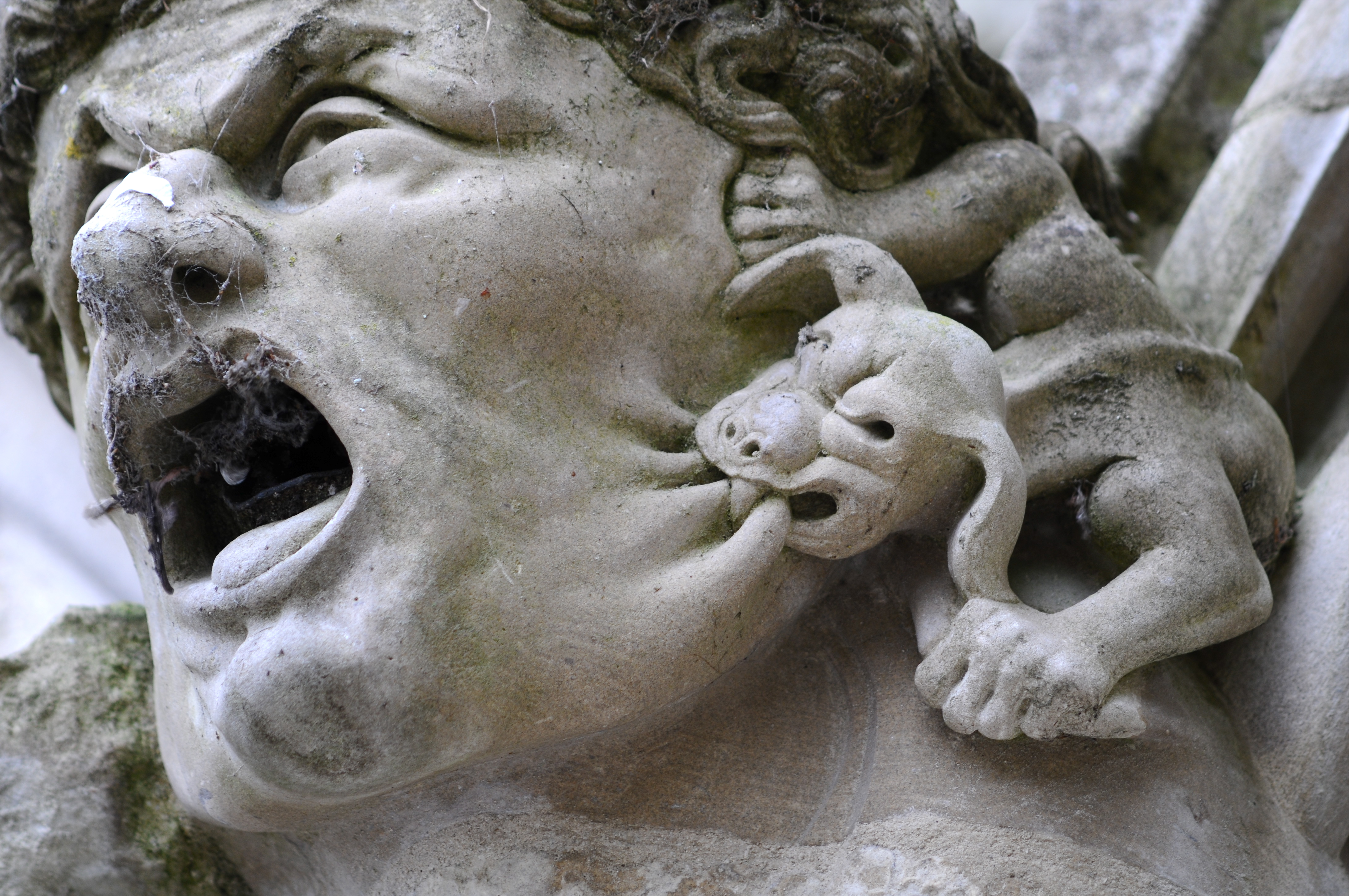
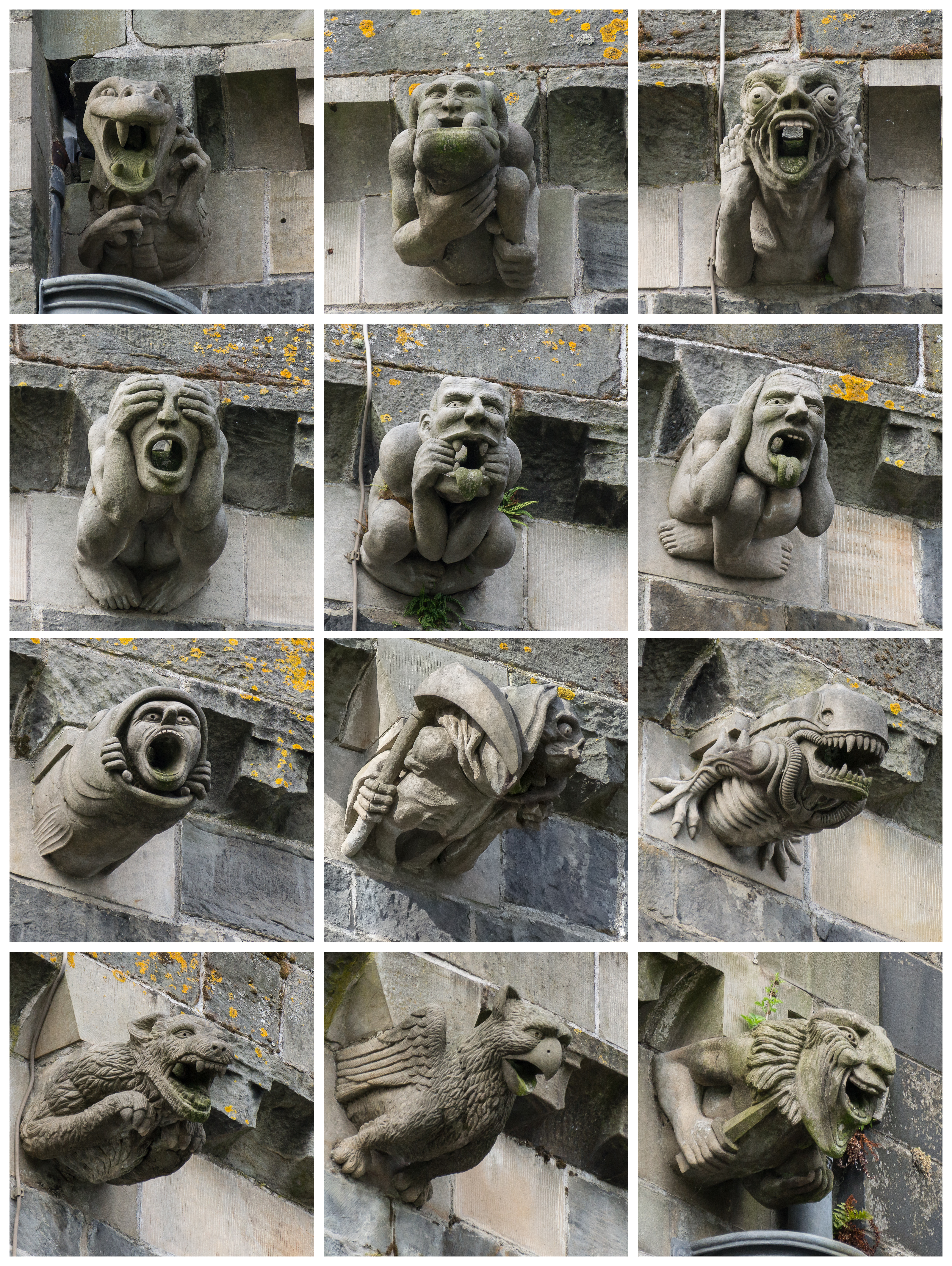
Beyond their practical function, gargoyles also held symbolic significance. The imagery of these grotesque creatures incorporated elements of myth, religion, and folklore. Many gargoyles depicted animals, mythical beasts, or hybrids of both, such as dragons, demons, lions, and serpents. These figures often represented evil spirits or creatures from folklore, serving as guardians or protectors against malevolent forces.

Religious Significance:
Gargoyles were extensively used in Gothic architecture, particularly in the construction of cathedrals. In this context, they held religious symbolism. The Catholic Church employed gargoyles as visual representations of evil and sin. They were positioned on church exteriors, primarily around the roofs and spires, to remind the congregation of the consequences of sinful behavior and the need for redemption.
Architectural Aesthetics:
Gargoyles played a crucial role in the overall aesthetic of medieval architecture. Their inclusion added a sense of grandeur, uniqueness, and mystery to the buildings. Gargoyles often adorned the highest points of cathedrals, creating a visual spectacle against the sky. They served as decorative elements that enhanced the architectural beauty, providing a striking contrast to the ornate stonework and intricate details found in Gothic structures.

Revival and Influence:
The popularity of gargoyles waned during the Renaissance and subsequent architectural movements, as their medieval associations fell out of favor. However, interest in Gothic Revival architecture in the 19th century brought gargoyles back into the limelight. Prominent examples include the gargoyles found on the Notre-Dame Cathedral in Paris, which became iconic symbols of the building.
Modern Interpretations:
Today, gargoyles continue to fascinate and inspire. While their practical function as water spouts is less common, they are still incorporated into contemporary architecture for aesthetic purposes. Gargoyles have also found their way into popular culture, appearing in literature, films, and other media as intriguing and eerie creatures associated with the mystical and supernatural.

Gargoyles have a rich history and significant role in architectural design. They served both practical and symbolic purposes, diverting water and embodying mythical and religious elements. Gargoyles contributed to the aesthetic appeal of buildings, particularly in Gothic architecture, and continue to capture our imagination today.
 Meticulous Meanderings
You must be logged in to post a comment.