Pablo Picasso (1881-1973) was a Spanish painter, sculptor, printmaker, ceramicist, and stage designer who is widely regarded as one of the most influential artists of the 20th century. He co-founded the Cubist movement and is known for his innovative artistic style and diverse body of work. Picasso’s artistic career spanned over seven decades, during which he produced an estimated 50,000 artworks, including paintings, sculptures, ceramics, drawings, and textiles.

One of Picasso’s most famous periods is known as the Blue Period, which lasted from 1901 to 1904. During this time, he predominantly used shades of blue and green in his artworks, often depicting themes of poverty, melancholy, and despair. Some notable paintings from this period include “The Old Guitarist,” “La Vie,” and “Blue Nude.”

Another significant period in Picasso’s career is the Rose Period, which followed the Blue Period and lasted from 1904 to 1906. In this phase, his color palette shifted to warmer tones, including pinks and oranges, and he depicted circus performers, harlequins, and acrobats in his paintings. One of the most famous artworks from this period is “Les Demoiselles d’Avignon,” a groundbreaking painting that marked the transition to a new style that would eventually become Cubism.
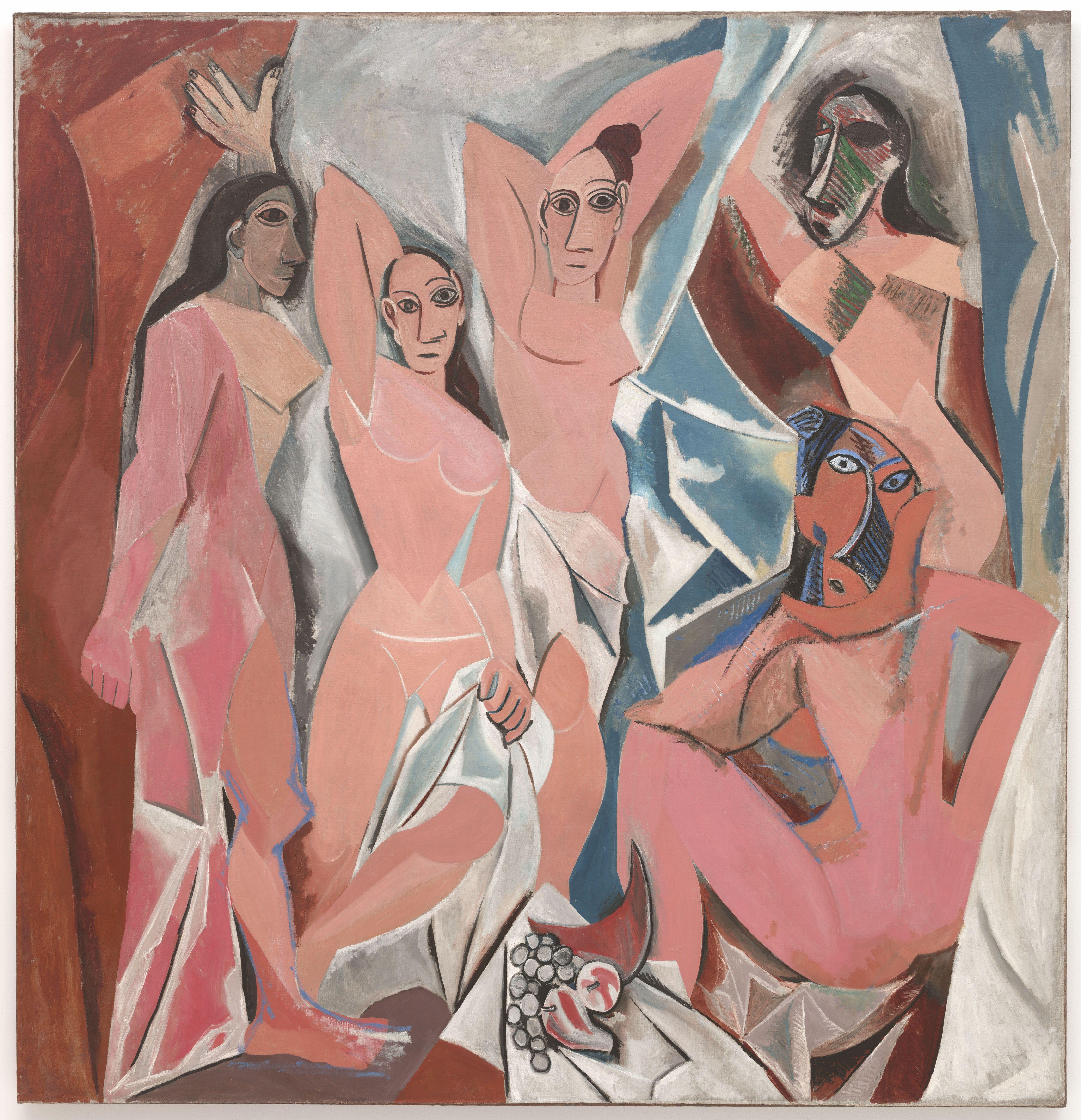
Cubism, co-created by Picasso and Georges Braque, is one of the most influential art movements of the 20th century. It revolutionized the way artists approached representation and perception, breaking down objects into geometric shapes and presenting multiple viewpoints simultaneously. Picasso’s notable Cubist artworks include “Guernica,” a large mural-sized painting depicting the horrors of war, and his collaboration with Braque on various still life compositions.
In addition to these periods, Picasso explored various other styles throughout his career, such as Neoclassicism and Surrealism. His artistic versatility and constant experimentation make it challenging to pinpoint a single most famous artwork. However, “Guernica” is often considered one of his most important and iconic works due to its powerful anti-war message and its status as a universal symbol of the horrors of war.

Picasso’s immense impact on the art world cannot be overstated. His contributions to modern art, his innovative use of form and color, and his ability to constantly reinvent himself continue to inspire and influence artists to this day.

 Meticulous Meanderings
You must be logged in to post a comment.