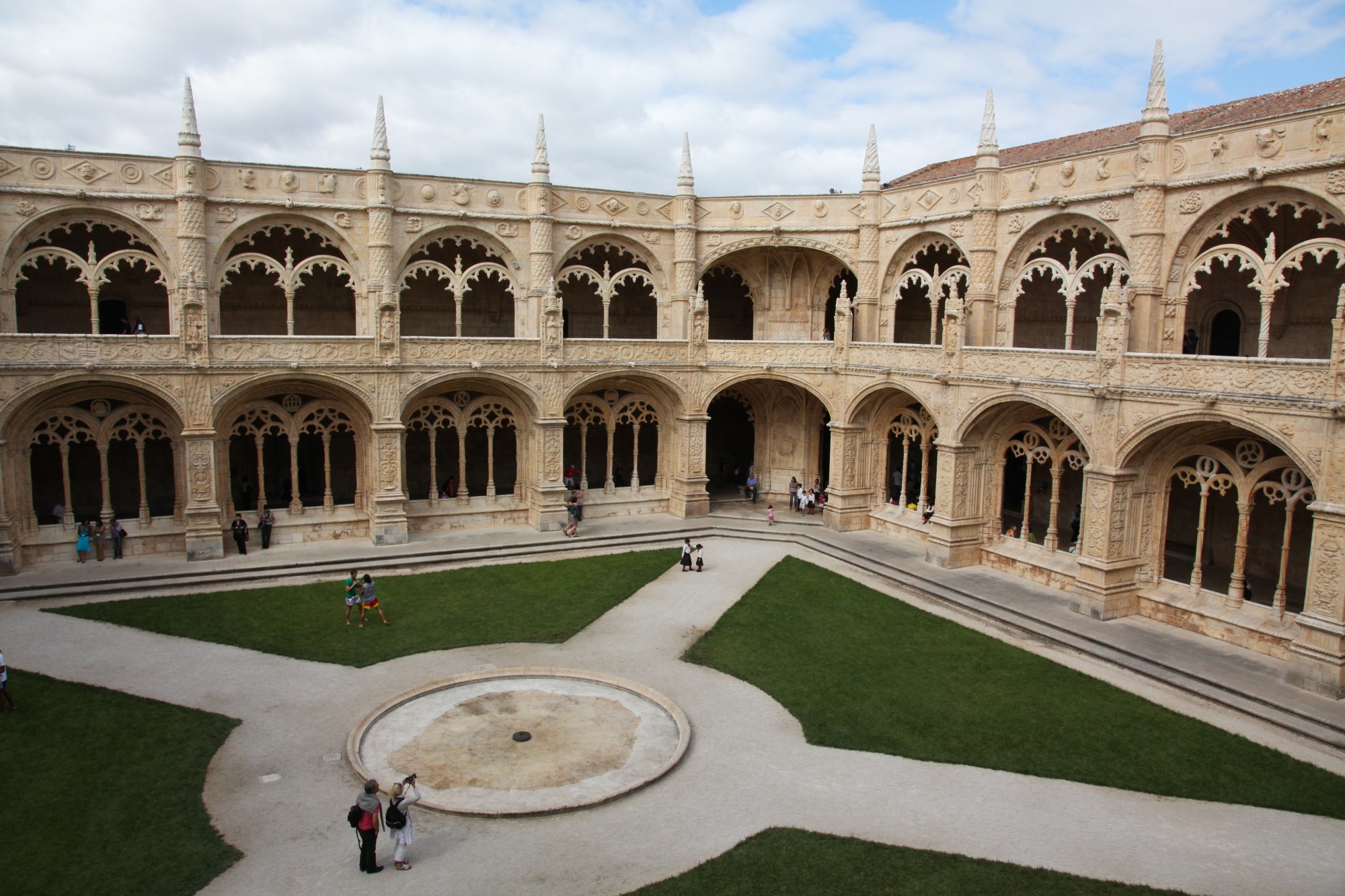
A cloister, also known as a claustrum or a monastic cloister, is an architectural feature commonly found in Christian churches, particularly those of monastic orders. It serves both practical and symbolic purposes within the context of religious life. The history and use of a cloister can be traced back to ancient times.
Historically, the concept of a cloister can be linked to the early Christian communities and their desire to establish a communal lifestyle. In the 4th century, as the monastic movement gained momentum, cloisters became an essential component of monastic architecture. The earliest examples of cloisters can be found in the monastic complexes of Egypt and Syria, such as the famous St. Catherine’s Monastery in the Sinai Peninsula.
The primary function of a cloister is to provide a secluded and enclosed space within the church or monastery complex. It typically consists of a rectangular or square courtyard surrounded by covered walkways, known as arcades, supported by columns or arches. These arcades connect various buildings, including the church, monastic living quarters, chapter house, refectory, and other essential facilities.
Practically, the cloister offers a sheltered outdoor area for monks or nuns to walk, meditate, and engage in private reflection. The arcades provide protection from the elements, allowing individuals to move freely between different buildings without exposure to the weather. The central courtyard may also include a garden or fountain, providing a peaceful and contemplative environment.
Symbolically, the cloister represents the separation from the secular world and serves as a metaphorical boundary between the sacred space of the church and the outside world. It embodies the idea of withdrawal from worldly distractions and the pursuit of spiritual devotion. The peaceful and enclosed nature of the cloister encourages solitude and introspection, fostering an environment conducive to prayer, study, and spiritual contemplation.
Throughout history, cloisters have been centers of learning and intellectual pursuits. Monks and nuns would often gather in the cloister to study religious texts, engage in scholarly discussions, and copy manuscripts. The arcades would be adorned with religious artworks, sculptures, and inscriptions, further enriching the spiritual and intellectual atmosphere of the space.
Today, many churches and monastic communities still maintain cloisters, although their functional significance may vary. Some cloisters serve as serene spaces for prayer and reflection, while others have transformed into museums or exhibition areas displaying religious art and artifacts. They continue to evoke a sense of tranquility and provide a connection to the rich history and traditions of monastic life within the church.
 Meticulous Meanderings