Catedral de Salamanca

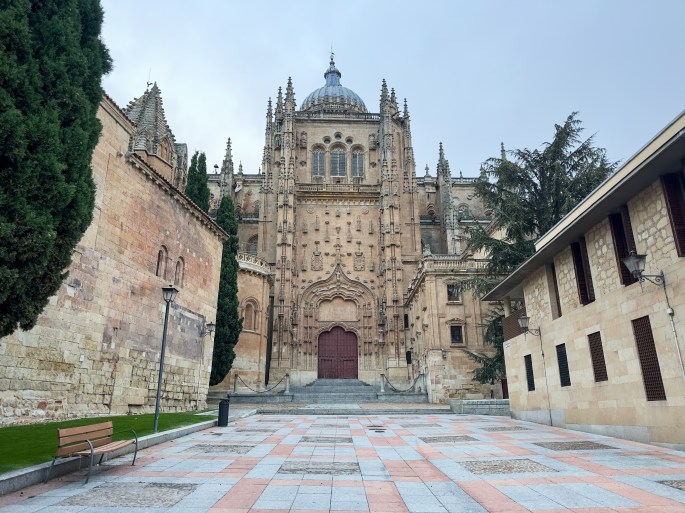
Catedral de Salamanca

The construction of the Salamanca Cathedral began in the 12th century, in 1102, during the Romanesque period. However, as was common with many cathedrals in Europe, it went through various expansions and modifications over the centuries, incorporating different architectural styles. As a result, the cathedral displays a beautiful blend of Romanesque, Gothic, Renaissance, and Baroque … Continue reading Catedral de Salamanca
Convento San Esteban, Salamanca

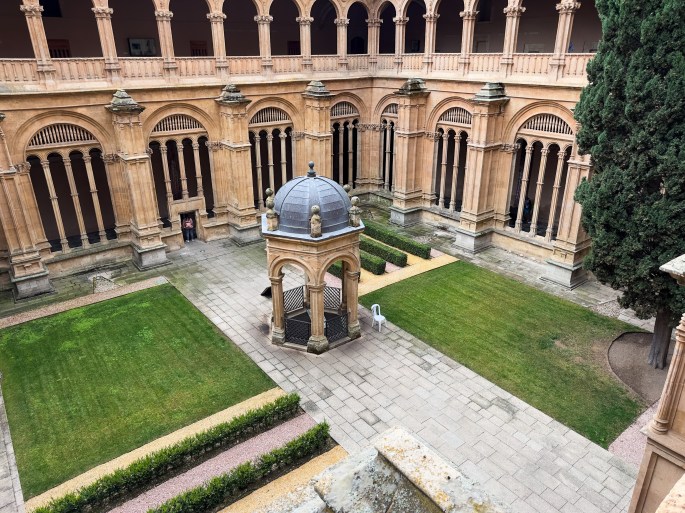
Convento San Esteban

The Convento San Esteban was founded in the 16th century, with construction beginning in 1524 and completed in 1610. It was designed by the renowned Spanish architect Rodrigo Gil de Hontaรฑรณn. The convent was established by the Dominican Order, one of the most influential religious orders during the medieval period. The Dominican friars, who inhabited … Continue reading Convento San Esteban

Convento de las Dueรฑas, Salamanca

Convento de las Dueรฑas

The Convento de las Dueรฑas was founded in the 15th century, with construction starting in 1419 and continuing over the following decades. It was commissioned by the Catholic Monarchs, Queen Isabella I of Castile and King Ferdinand II of Aragon, as a place of worship and residence for nuns of the Order of Saint Clare … Continue reading Convento de las Dueรฑas

Faรงade of the University of Salamanca

Faรงade of the University of Salamanca

As you approach the university, you'll be greeted by a magnificent display of intricate stonework that adorns the entire facade. The Plateresque style is a stunning blend of late Gothic and Renaissance architectural elements, and it showcases the artistic brilliance of the Spanish Renaissance. The facade is adorned with a plethora of decorative motifs, including … Continue reading Faรงade of the University of Salamanca

La Clerecรญa, Salamanca

La Clerecรญa

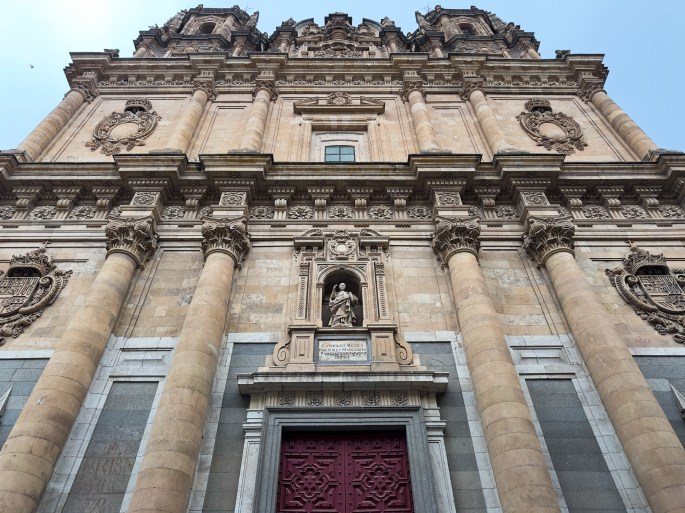
La Clerecรญa was originally established in the late 16th century as a Jesuit college and seminary. Its construction began in 1617 and took several decades to complete. The college was founded to serve as a center for the education of future clergy and the religious elite, offering studies in theology, philosophy, and other academic disciplines. … Continue reading La Clerecรญa

Casa de las Conchas, Salamanca

Casa de las Conchas

The Casa de las Conchas was built in the late 15th to early 16th century, between 1493 and 1517, by Rodrigo Arias de Maldonado, a knight of the Order of Santiago and a professor at the University of Salamanca. The purpose behind its construction was to serve as a residence and a private library for … Continue reading Casa de las Conchas

Cueva de Salamanca

Cueva de Salamanca

The Cueva de Salamanca, also known as the Cave of Salamanca, is a fascinating historical site located in the charming city of Salamanca, Spain. This cave holds a unique blend of legends, dark magic, and secrets, making it an intriguing destination for those with an interest in history and folklore. The cave's history dates back … Continue reading Cueva de Salamanca

Puente Romano de Salamanca

Puente Romano de Salamanca

The Roman Bridge of Salamanca has an ancient origin, dating back to the 1st century AD during the Roman Empire's rule in the Iberian Peninsula. It was constructed to span the Tormes River, an essential waterway that played a significant role in the economic and strategic importance of the area. The bridge served as a … Continue reading Puente Romano de Salamanca

Museo da Salamanca

Museo da Salamanca

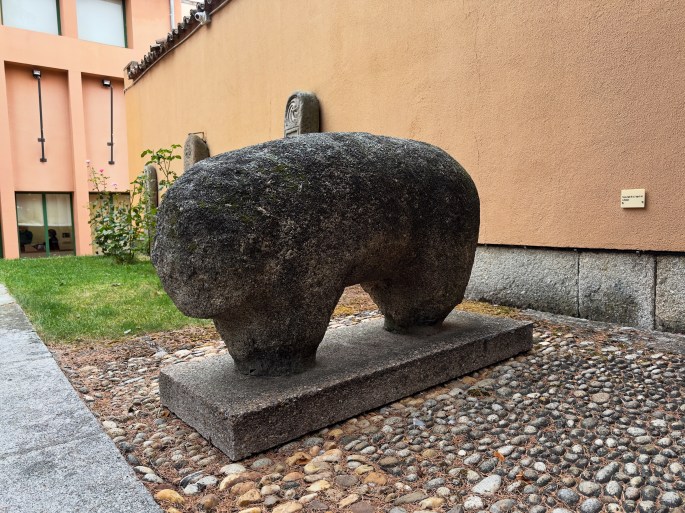
Located in the heart of Salamanca, a historic and beautiful city in western Spain, the Museo da Salamanca is housed in the รlvarez Albarca Palace, a 15th century medieval fort with tower and a beautiful courtyard. This architectural gem alone is worth a visit, as it provides a glimpse of the cultural significance and aesthetic … Continue reading Museo da Salamanca

Iglesia de la Purรญsima

Iglesia de la Purรญsima

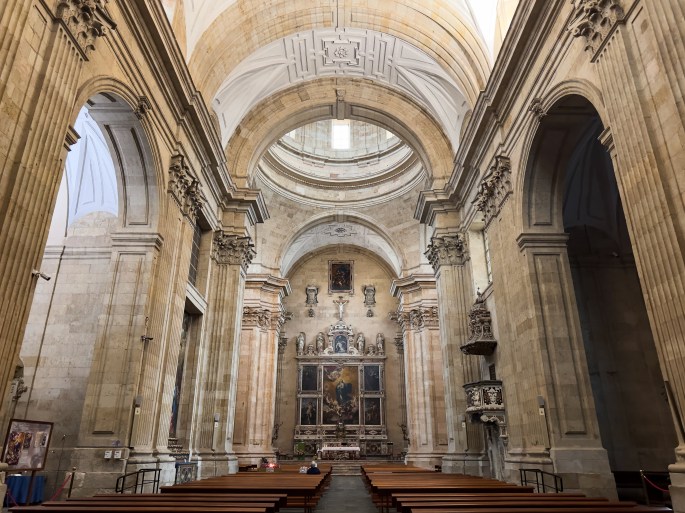
The Iglesia de la Purรญsima in Salamanca is a remarkable example of 17th-century Baroque architecture. Commissioned in 1636 by Manuel de Zรบรฑiga y Fonseca, Count of Monterrey, the church was intended as a family mausoleum and a convent for his daughter, Inรฉs Francisca de la Visitaciรณn. Situated opposite the Palacio de Monterrey, the church is … Continue reading Iglesia de la Purรญsima