Agua de Prata Aqueduct

(AKA Aqueduct of Silver Water) Stretching across the charming city of Evora, the aqueduct was built to supply water to the city from the surrounding countryside. It consists of a series of majestic arches that span over valleys and hills, creating an awe-inspiring sight. Built in the 16th century, between 1531 and 1537, the aqueduct … Continue reading Agua de Prata Aqueduct

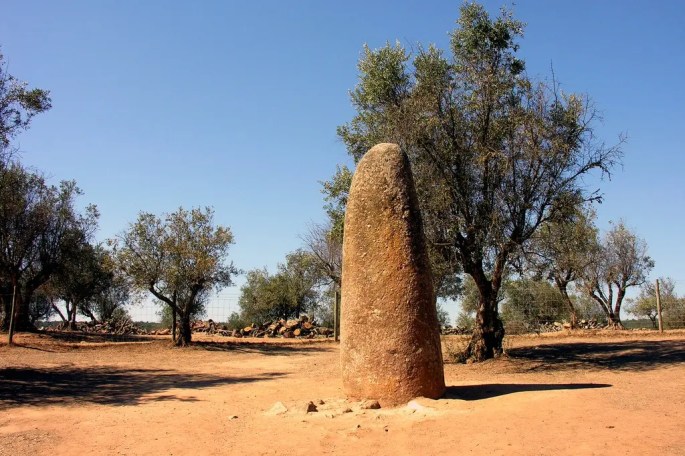
Menhir dos Almendres

This prehistoric site dates back to the late Neolithic period, making it over 7,000 years old. It consists of a collection of large standing stones, with the centerpiece being a remarkable menhir, which is a vertical monolithic stone. The menhir itself stands at an impressive height of around 4.5 meters (15 feet) and weighs several … Continue reading Menhir dos Almendres

Almendres Cromlech

(AKA Cromeleque dos Almendres) The Cromeleque dos Almendres consists of a large stone circle with over 90 granite monoliths arranged in an elliptical shape. These impressive standing stones date back to the prehistoric period, specifically the late Neolithic and early Bronze Age, making them around 6,000 years old. It's truly remarkable to think about the … Continue reading Almendres Cromlech

Igreja de Santo Antão

(AKA Santo Antão Church) As you approach the church, you'll immediately be captivated by its striking façade, adorned with intricate carvings and decorative details. The exterior features a blend of Gothic and Manueline architectural styles, which were prevalent during the 15th and 16th centuries in Portugal. This unique combination creates a visually stunning and harmonious … Continue reading Igreja de Santo Antão

Igreja dos Lóios

(AKA Igreja de São João Evangelista) This church is situated in the heart of Évora, a charming city in the Alentejo region of Portugal. The Igreja dos Lóios dates back to the 15th century and is considered one of the finest examples of Gothic architecture in the country. Its construction began in 1485 and was … Continue reading Igreja dos Lóios

Templo Romano Évora

(AKA Roman Temple of Evora) Dating back to the 1st century AD, this temple stands as a remarkable testament to the Roman presence in the Iberian Peninsula. It is one of the most well-preserved Roman structures in Portugal and holds great significance in the country's cultural heritage. As you approach the Templo Romano Évora, you'll … Continue reading Templo Romano Évora

Chapel of Bones

(AKA Igreja e Mosteiro de São Francisco, Capela dos Ossos) The Chapel of Bones, also known as Capela dos Ossos, is a unique and intriguing attraction located in Évora, Portugal. It is a small chapel, but what sets it apart is its interior, which is adorned with human bones and skulls. This chapel is a … Continue reading Chapel of Bones

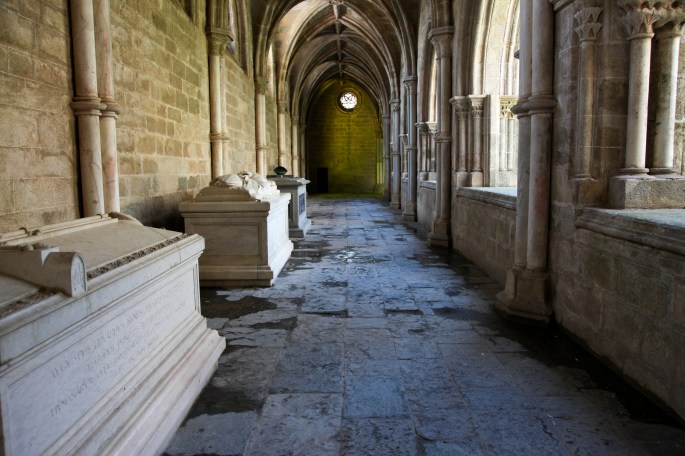
Cathedral of Évora

(AKA Sé de Évora, Evora Cathedral) Built between the 12th and 13th centuries, the Évora Cathedral is one of the most significant medieval cathedrals in Portugal. As you approach the cathedral, you'll be captivated by its impressive Gothic-Romanesque façade, adorned with intricate carvings and statues. The entrance is flanked by two sturdy towers, adding to … Continue reading Cathedral of Évora