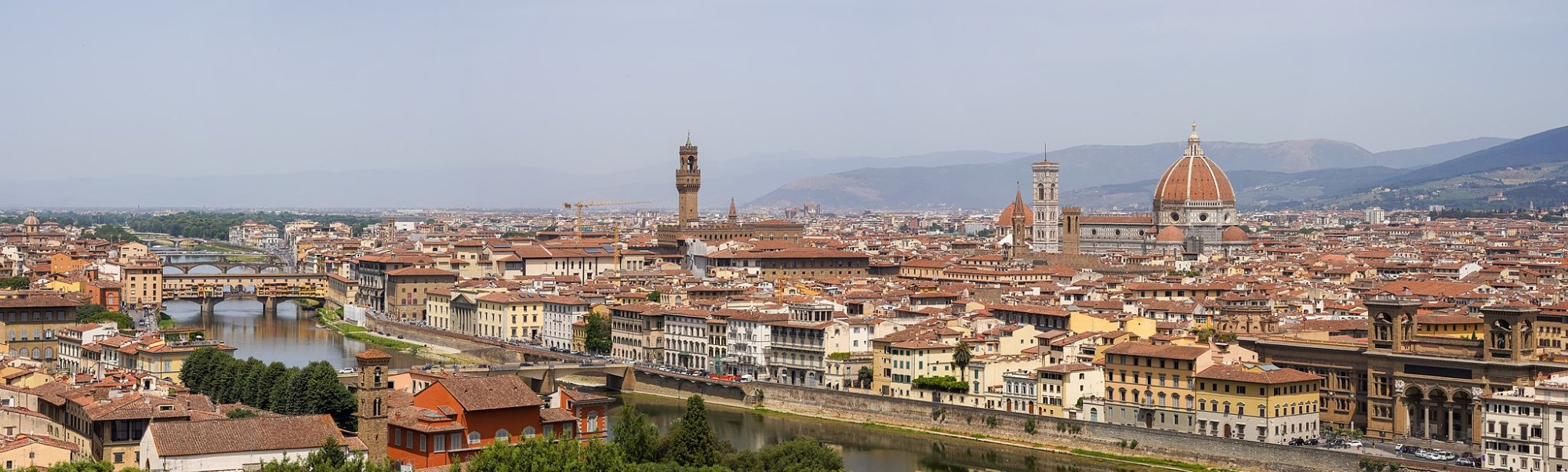
Florence’s churches are like living galleries where art, history, and faith meet on every corner. Start with the Duomo—officially Santa Maria del Fiore—whose terracotta-tiled dome dominates the skyline. Walking up to the cathedral you’ll first notice the intricate polychrome marble façade and the campanile beside it. Inside, the scale is surprisingly intimate for such a monumental exterior: the vastness of the dome’s frescoes by Giorgio Vasari and Federico Zuccari draws your eyes skyward, while light through the clerestory windows gives the nave a warm, reverent glow.
A short stroll away, Santa Croce feels quieter but just as impressive: it’s the resting place of Michelangelo, Galileo, and other luminaries. The church’s fresco cycles—especially those by Giotto—are vivid examples of early Renaissance narrative painting, and the chapels themselves showcase ornate tombs and delicate marble work. The cloistered courtyard offers a peaceful spot to sit and imagine the centuries of Florentine life that passed through the square stone doorways.
San Lorenzo and the Medici Chapels tell a different, more intimate story: San Lorenzo’s plain brick exterior belies interiors shaped by Brunelleschi’s humanist architecture, while the Medici Chapels (with their luminous green and white marble and Michelangelo’s sculptural work) are a testament to how art and family power intertwined here. The New Sacristy, with its monumental figures, feels like a dialogue between stone and memory.
Santa Maria Novella, facing the main train station, is a masterpiece of Gothic and early Renaissance design. Its façade is a study in geometric harmony, and inside you’ll find masterpieces by Masaccio and Domenico Ghirlandaio; the Spanish Chapel and the Dominican cloisters are especially atmospheric, where frescoes and quiet arcades encourage lingering and reflection.
For a different mood, try the small, candlelit church of Santo Spirito in Oltrarno. Designed by Brunelleschi, it has a simple, welcoming interior and a lively neighborhood around it—perfect for combining a visit with coffee or a stroll through artisan workshops. Nearby, the Basilica di San Miniato al Monte sits high above the city and rewards the climb with sweeping views and a Romanesque interior filled with mosaic work; at dusk the stone piazza and bell tower frame Florence like a painted postcard.
Many smaller churches hide astonishing treasures—orphans of huge artistic programs tucked behind unassuming doors. Chapels and side altars contain works by Botticelli, Lippi, and other masters you might expect only in museums. Part of the pleasure of visiting Florence is letting yourself be led into these quieter spaces by narrow streets and the sound of bells, discovering frescoes and tombs that suddenly make a small piazza feel monumental.
If you’re planning your visits, balance the famous sites with time for the lesser-known gems: mornings are great for the Duomo before crowds swell, while late afternoons in Oltrarno or at San Miniato feel more contemplative. Bring comfortable shoes, because each church rewards wandering—inside and out—with details you’ll want to return to. Above all, approach them at a slow pace; Florence’s churches aren’t just stops on an itinerary, they’re chapters in the city’s long, living story.
Churches

Florence
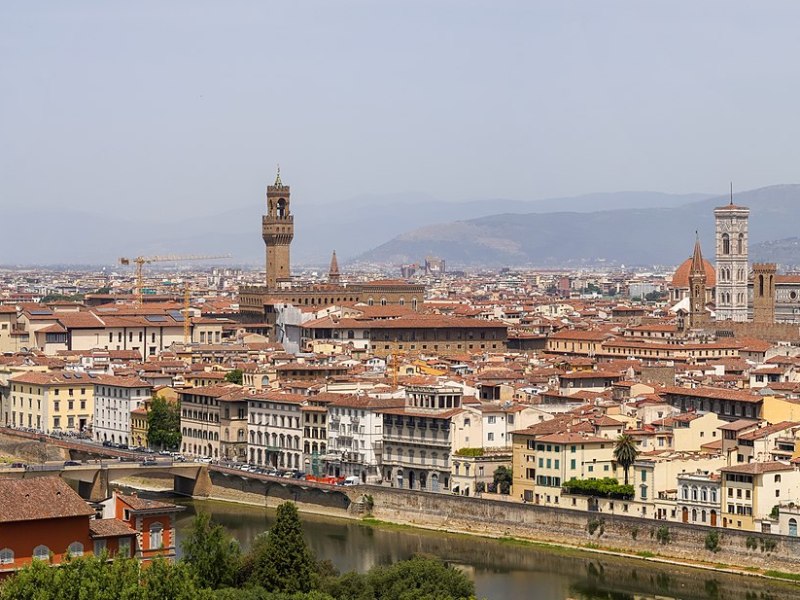
Florence, often regarded as the birthplace of the Renaissance, is a dazzling city that exudes art, culture, and history at every turn. Nestled in the picturesque Tuscany region, it captivates visitors with its stunning architecture, world-class museums, and vibrant streets filled with life. The historical center of Florence is a UNESCO World Heritage site, known…

