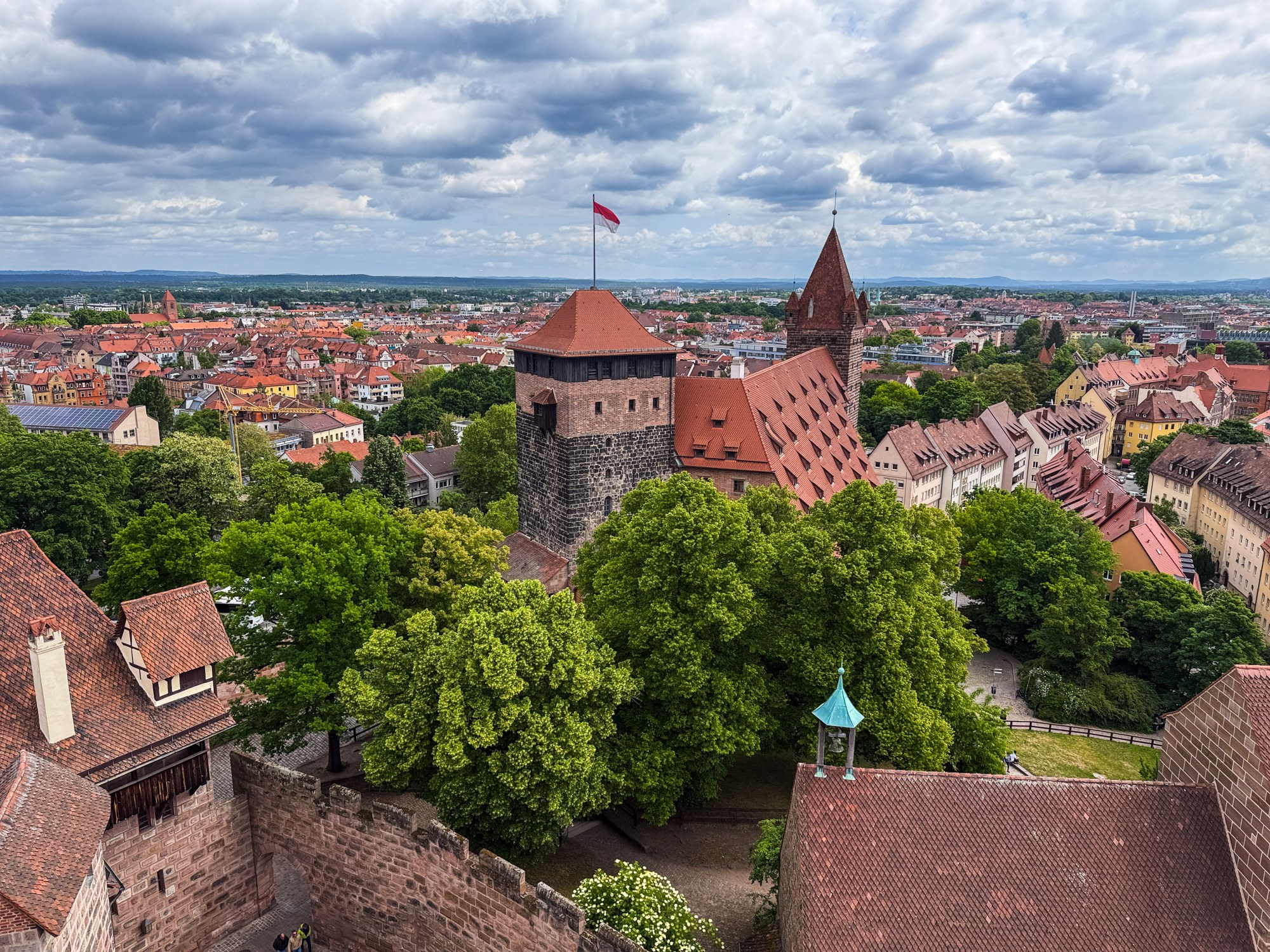
Nuremberg (Nürnberg), Germany, is a city rich in history, culture, and medieval charm, making it a must-visit destination for travelers. Located in Bavaria, Nuremberg is best known for its well-preserved Old Town, impressive medieval architecture, and deep connections to both the Holy Roman Empire and World War II history.

A Brief History of Nuremberg
Early Foundations Nuremberg’s history dates back to the 11th century when it was established as a settlement. Its strategic location at the intersection of trade routes made it an essential site for merchants and travelers. The city’s name is derived from “Noremberg,” reflecting its foundational ties to the local geography. Medieval Prosperity Nuremberg grew exponentially…
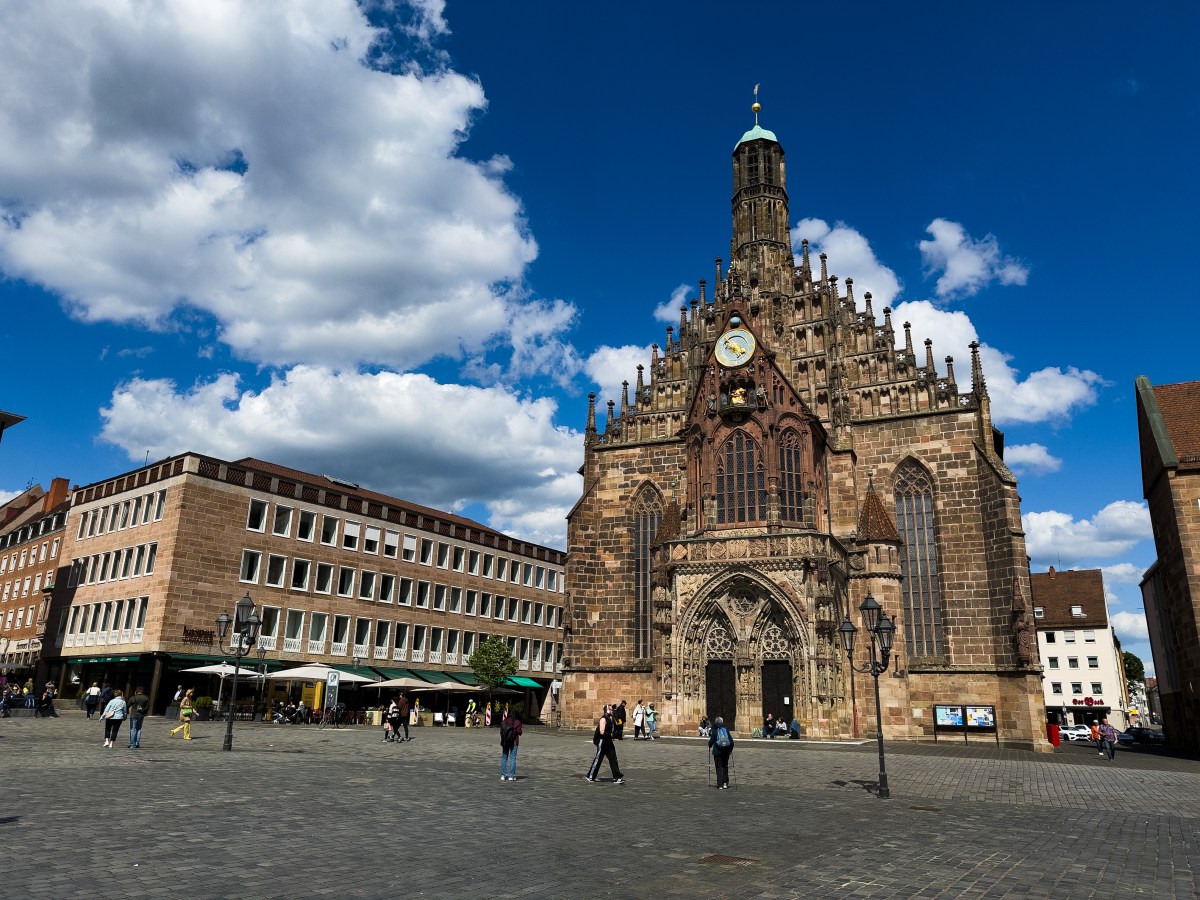
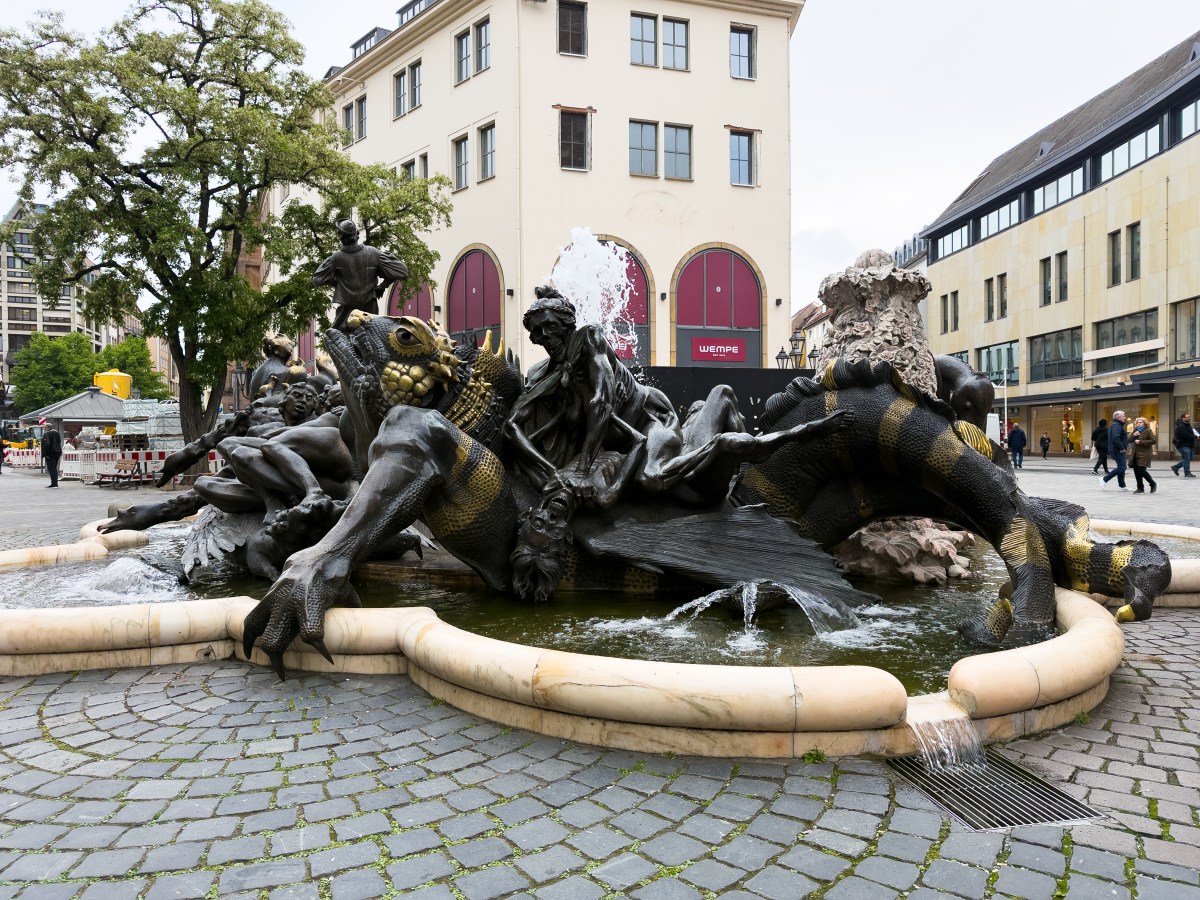
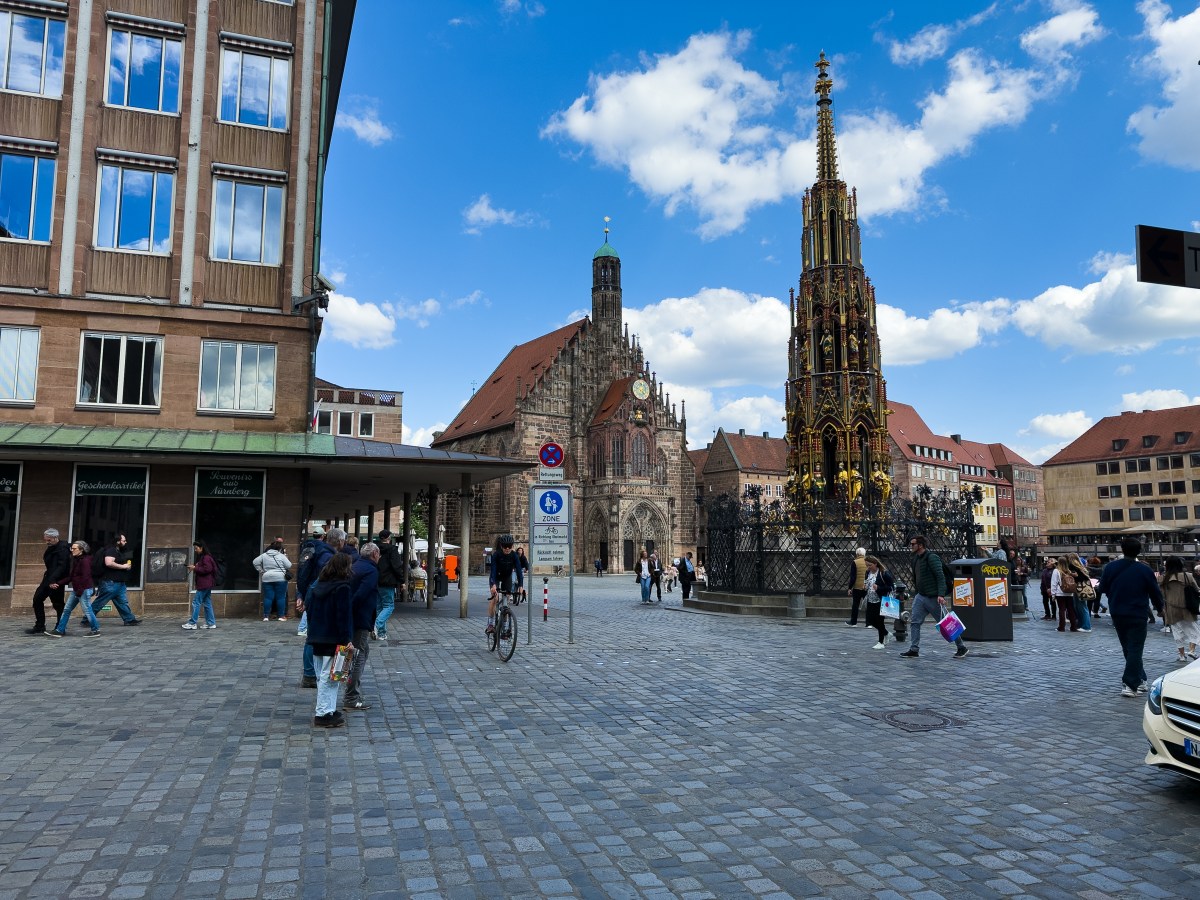
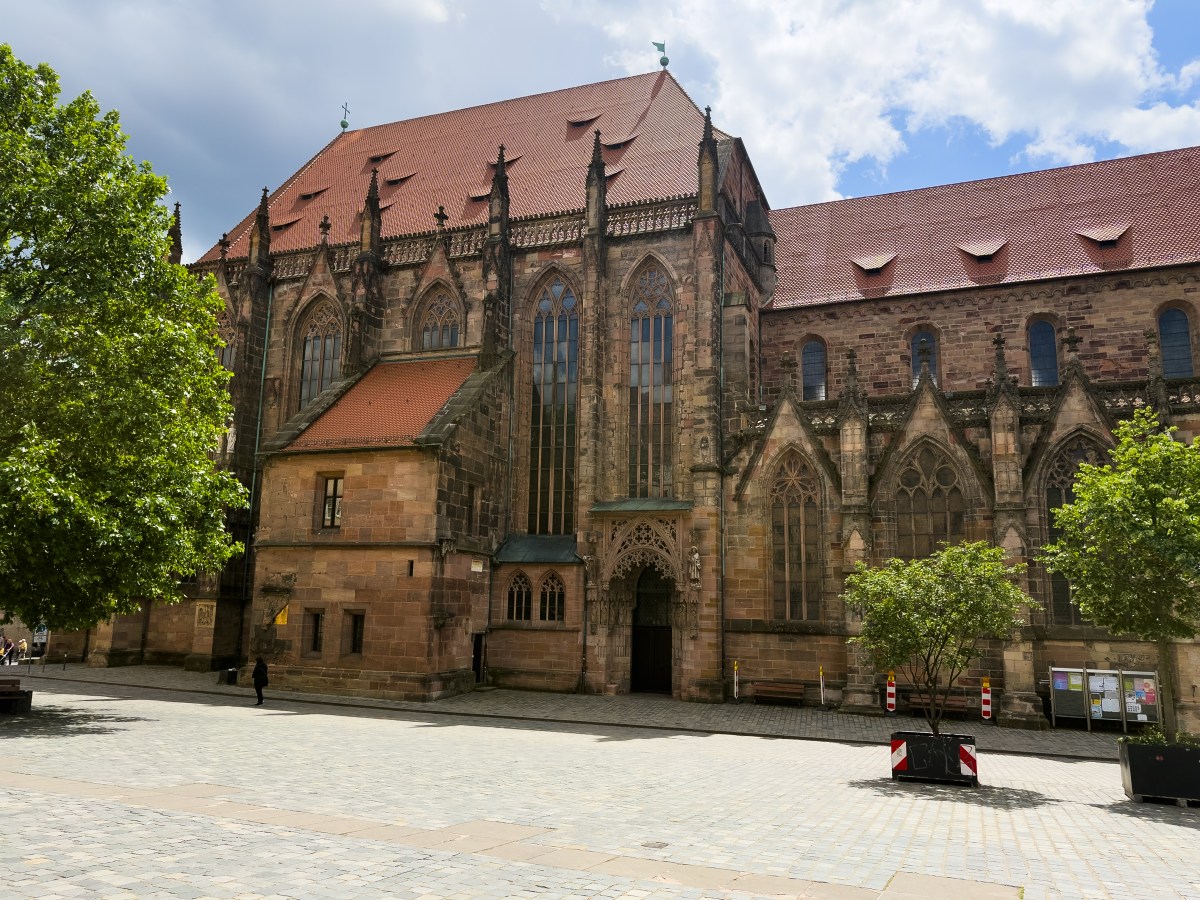
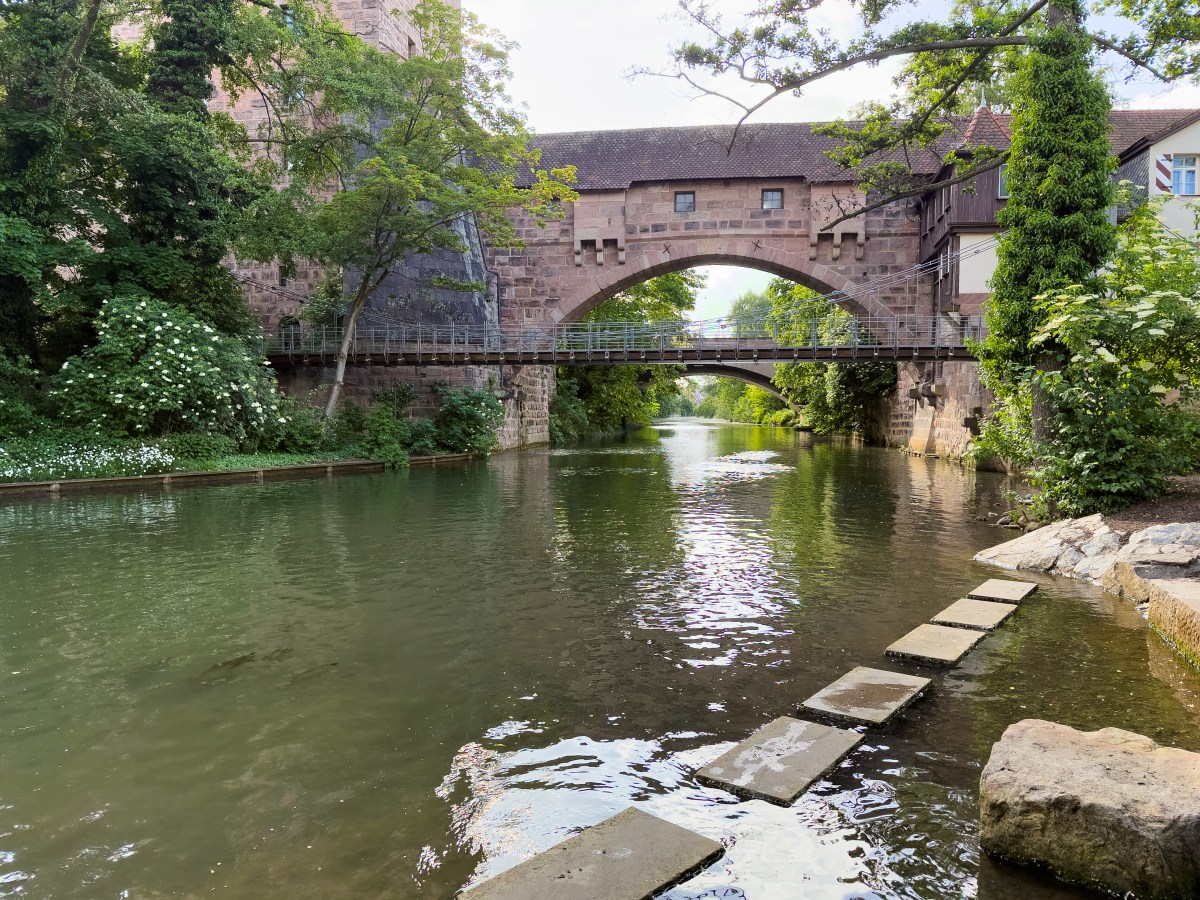
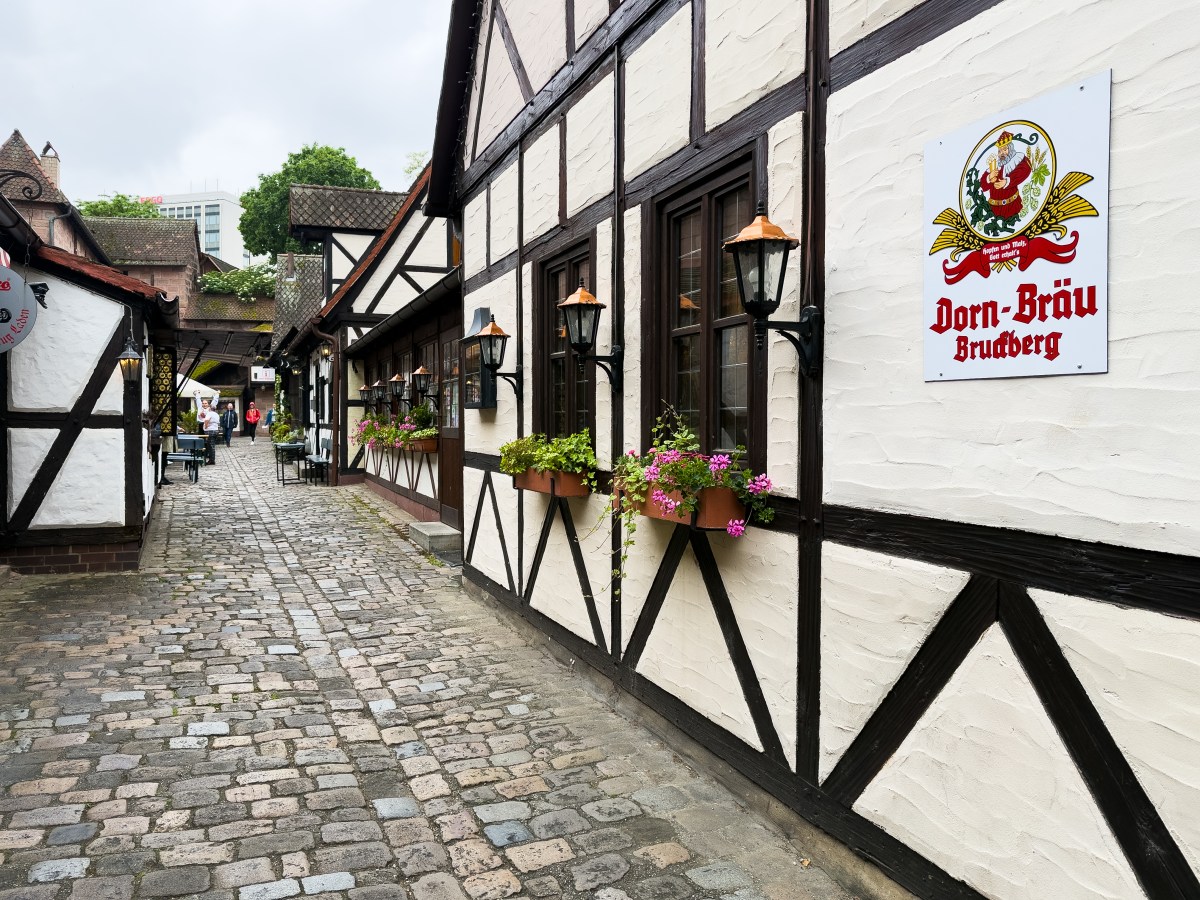
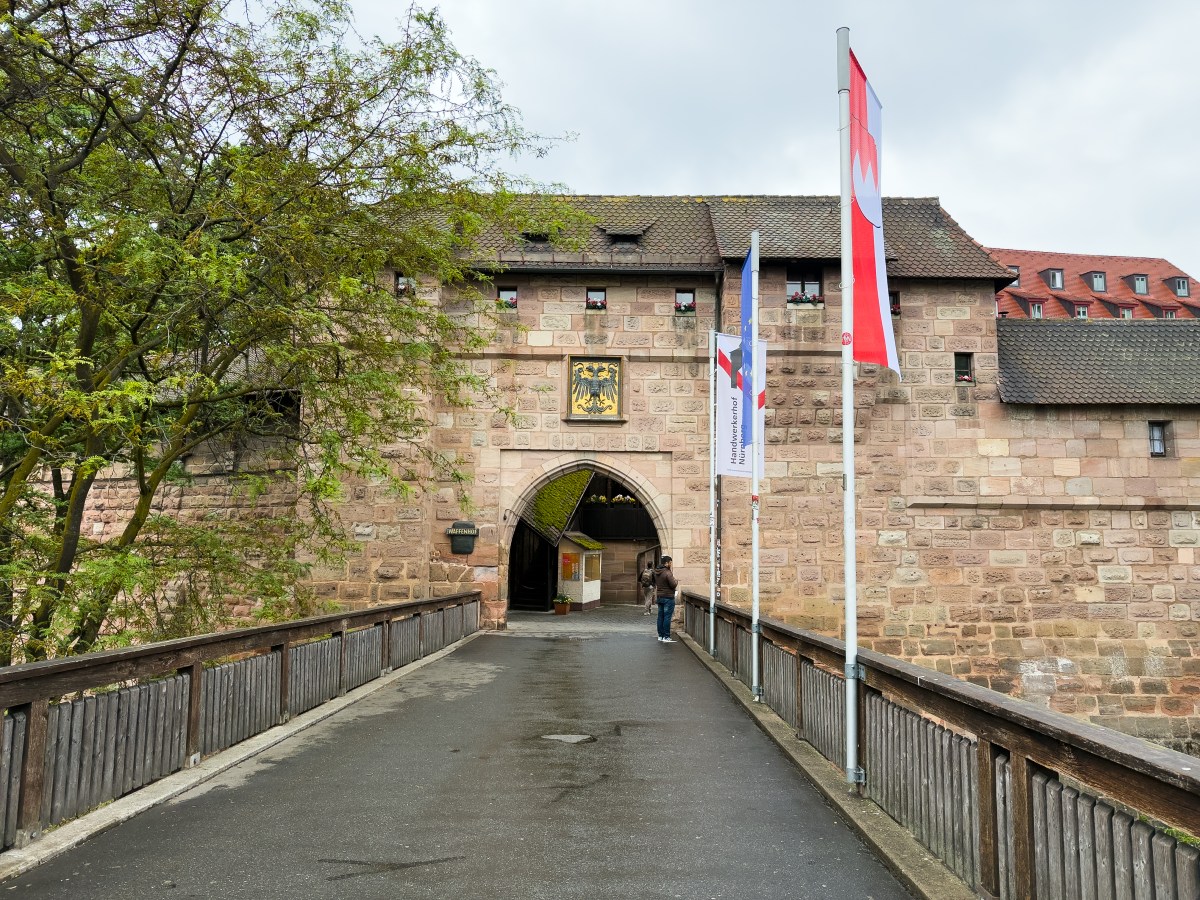
One of Nuremberg’s most striking features is its Old Town (Altstadt), divided by the Pegnitz River and surrounded by 14th-century city walls. Overlooking the city is the Kaiserburg (Imperial Castle), a fortress that was once a residence of Holy Roman Emperors and offers breathtaking views of the city. Wandering through the Old Town, you’ll find half-timbered houses, charming squares, and landmarks like St. Lorenz Church, St. Sebaldus Church, and the Schöner Brunnen (Beautiful Fountain) in the central Hauptmarkt square.
Nuremberg offers a unique mix of medieval beauty, artistic heritage, and historical significance. Whether you’re exploring the Imperial Castle, walking through the picturesque Old Town, diving into WWII history, or enjoying a festive market, the city provides an unforgettable experience for history lovers, culture enthusiasts, and casual travelers alike.
List of Sights in Nuremberg



Photos


When viewing all photos from a city, the photos are tagged with the sight name (for instance, the name of a church or museum) and most photos will also have GPS information attached, so you can see approximately where the photo was taken. To see this data, open the individual photo and click the “information” icon on the left side of the screen.
 Meticulous Meanderings