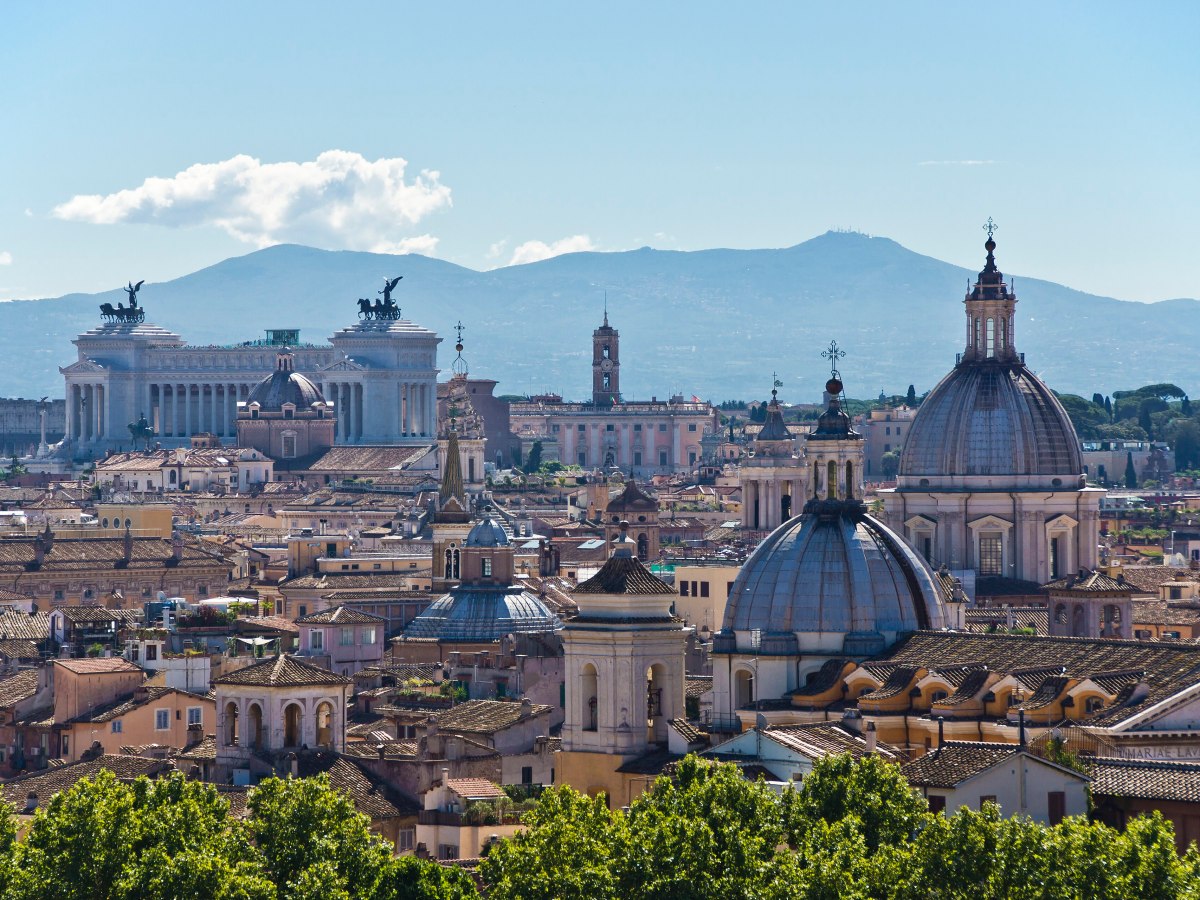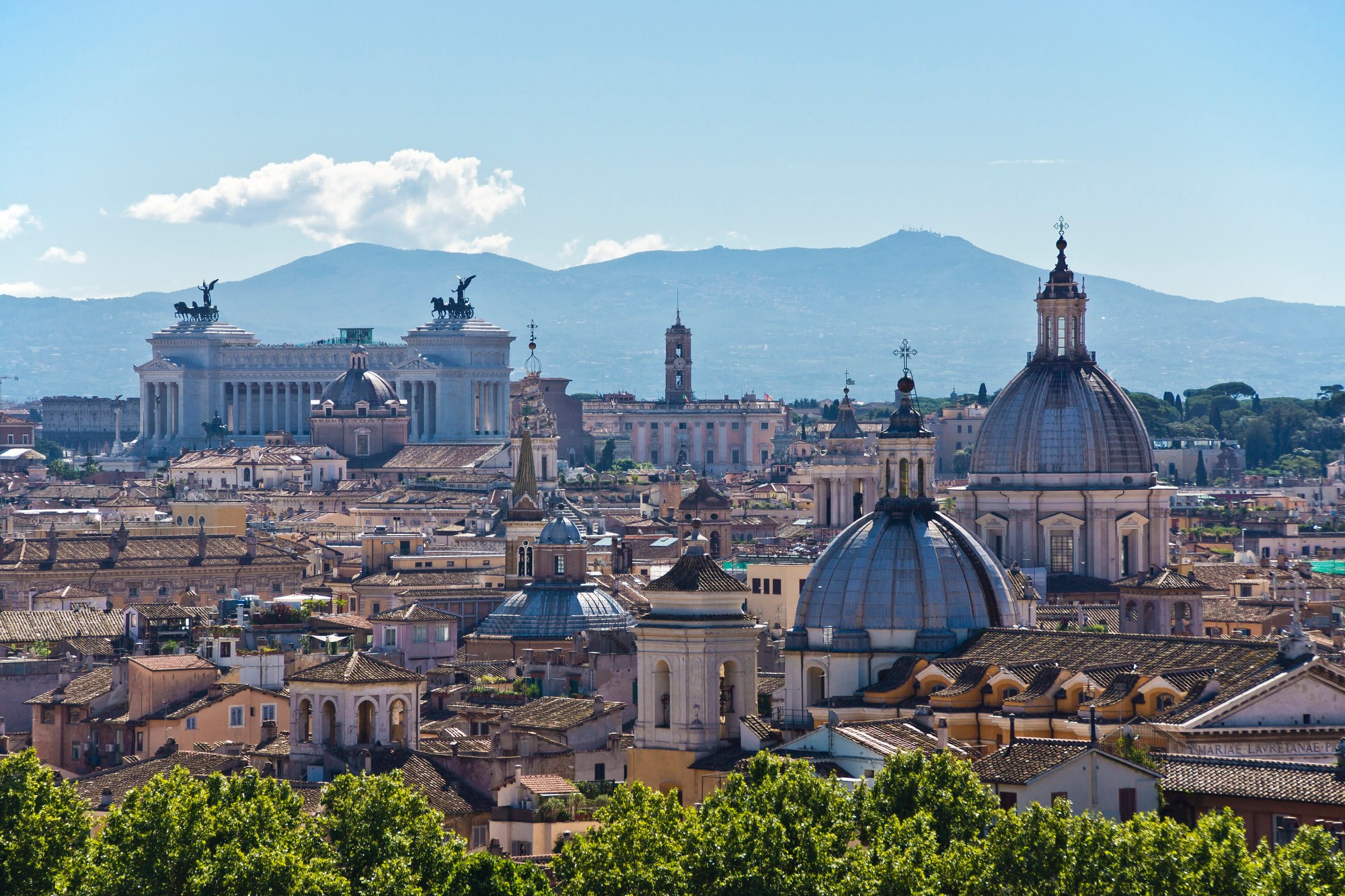
Rome is a city where every street feels like a short history lesson. Walk around and you’ll stumble on ruins, fountains, and churches all squeezed together — the Colosseum and Roman Forum sit near busy modern neighborhoods, while ancient columns pop up outside trendy cafés. It’s easy to soak up the past just by wandering: narrow cobblestone lanes open onto grand piazzas, and layers of history stack visibly in buildings that were reused and reshaped over centuries.
Food and daily life in Rome are simple pleasures that visitors love. Expect long, slow meals — espresso at a standing bar in the morning, fresh pasta or pizza for lunch, and gelato while strolling in the evening. Neighborhood markets, little trattorias, and wine bars invite you to sit and watch locals go by; tipping culture is relaxed, and asking for recommendations usually leads to the best, busiest places.
Rome balances big, dramatic sites with lived-in neighborhoods. Areas like Trastevere and Monti are great for evening strolls, local food, and a more local vibe, while the Vatican and central historic core deliver the iconic scale and art that draw crowds. Bring a sense of curiosity and a plan, and you’ll leave with memories of both monumental sights and simple, human moments.
A Brief History of Rome
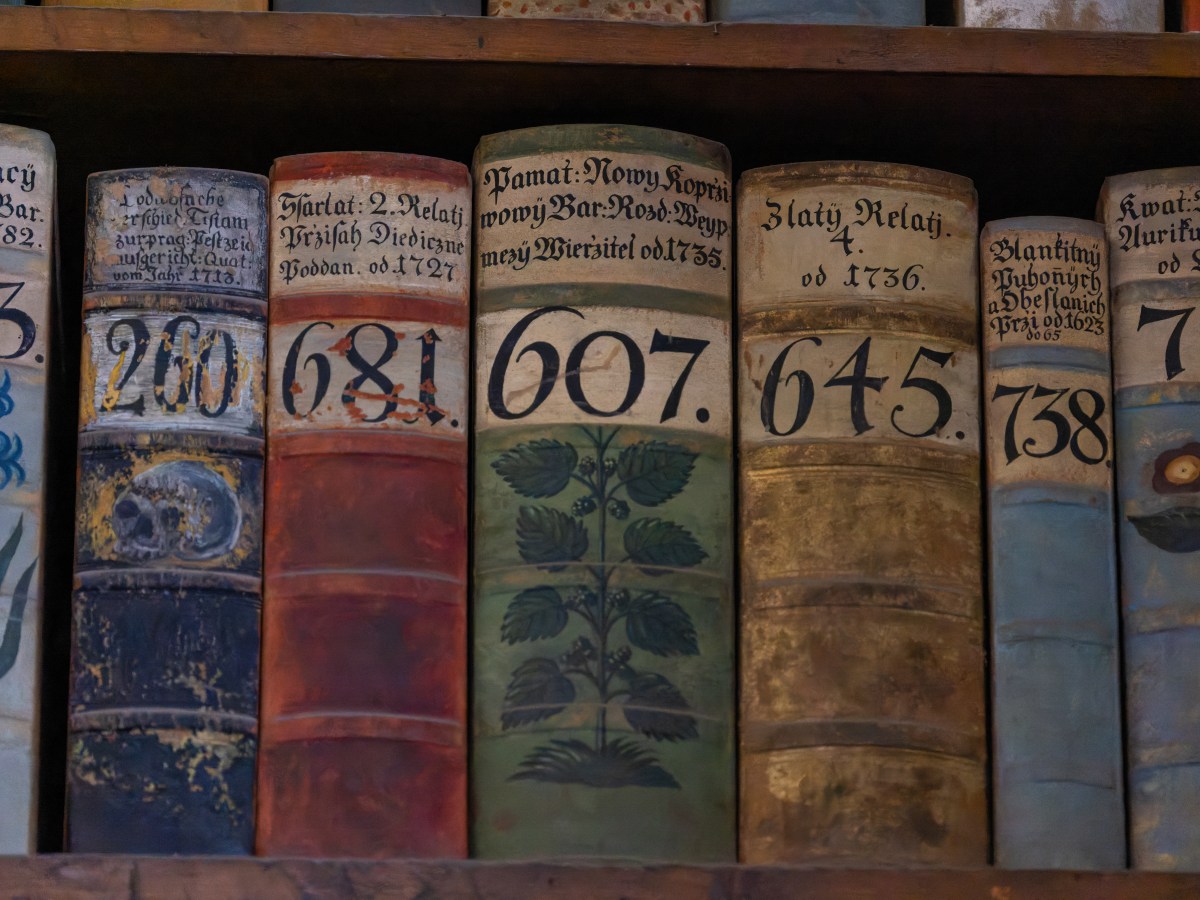
Rome began as a small settlement on the Tiber River more than two and a half thousand years ago. People lived on the hills nearby and used the river for water and trade. A simple farming and trading community grew because the location was good for moving goods between the hills and the sea. According…
Practical notes for a first-time visitor
Expect crowds at major sites—book timed tickets for the Vatican, Colosseum, and Borghese in advance—and plan to walk or use buses/metro for longer hops. Balance the must-see monuments with quieter neighborhoods, museum visits, and simple pleasures: an evening aperitivo in Campo de’ Fiori, a stroll across the Tiber at sunset, or getting lost among cobbled lanes in Monti. Comfortable shoes, a flexible itinerary, and a readiness to linger over food and coffee will make the experience feel less rushed and more impactful.