
Portugal is a beautiful country located in the southwestern corner of Europe, renowned for its rich history, stunning landscapes, warm Mediterranean climate, and vibrant culture. Whether you’re interested in exploring historic cities, enjoying beautiful beaches, savoring delicious cuisine, or experiencing a mix of all these things, Portugal has something for everyone.
Landscape and Geography:
Portugal boasts diverse landscapes, from picturesque beaches along the Atlantic coastline to rolling vineyards in the Douro Valley and lush forests in the interior. The Algarve region is famous for its golden beaches and dramatic cliffs, while the Azores and Madeira archipelagos offer a unique blend of volcanic landscapes, hot springs, and lush vegetation.
Historic Cities:
The country’s history is reflected in its charming cities. Lisbon, the capital, is a city of hills, historic neighborhoods, and vibrant street art. The iconic tram 28 winds through its narrow streets, taking you past historic landmarks like the São Jorge Castle and the stunning Belém Tower. Porto, Portugal’s second-largest city, is renowned for its historic center, Ribeira, a UNESCO World Heritage site, and for being the home of port wine production.
Cultural Heritage:
Portugal’s cultural heritage is deeply ingrained in its architecture, art, and traditions. The Manueline architecture, a style unique to Portugal, is characterized by intricate and ornate designs. You’ll also find beautiful azulejos, traditional ceramic tiles, adorning buildings throughout the country. The Portuguese are proud of their Fado music, a melancholic and soulful genre that often tells tales of love and longing.
Cuisine:
Portuguese cuisine is a treat for food lovers. Seafood is a staple, given the country’s extensive coastline. Enjoy dishes like bacalhau (salted cod), grilled sardines, and seafood rice. Pastries like pastéis de nata (custard tarts) are popular for dessert, and Portugal’s wine culture is remarkable, with the aforementioned port wine, Vinho Verde, and various red and white wines from different regions.
Warm Hospitality:
Portuguese people are known for their warm and welcoming nature. Visitors often feel a sense of friendliness and genuine hospitality when interacting with locals, making the experience all the more memorable.
Outdoor Activities:
Whether you’re into surfing, hiking, or simply relaxing by the beach, Portugal offers a variety of outdoor activities. The mild climate allows for year-round exploration, and the country’s natural beauty provides numerous opportunities to enjoy the great outdoors.
Affordability:
Compared to many other European destinations, Portugal tends to be more budget-friendly, offering excellent value for money in terms of accommodation, dining, and activities.
In a nutshell, Portugal is a country that seamlessly blends its rich history with a modern and inviting atmosphere. It’s a destination that caters to a wide range of interests and offers a delightful mix of culture, cuisine, landscapes, and experiences, making it a perfect choice for travelers looking to discover the beauty and charm of southern Europe.
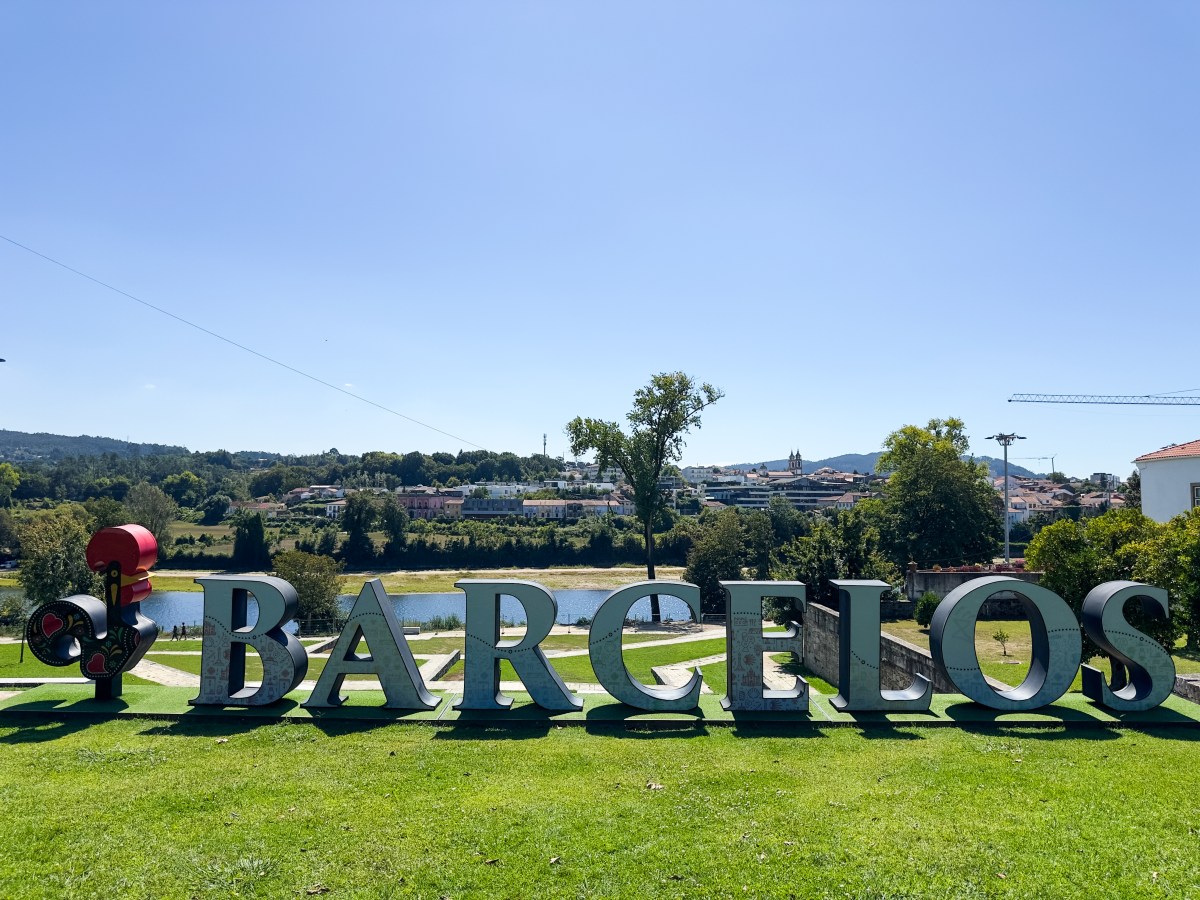
Barcelos
Barcelos is a charming and historic town located in the northwestern part of Portugal, known for its rich cultural heritage, vibrant atmosphere, and picturesque landscapes. Situated in the Braga district, it is just a short drive away from the city…

Braga
Braga, Portugal is a charming city located in the northwest part of the country. Known as the “Rome of Portugal,” Braga is deeply rooted in history and boasts a rich cultural heritage that dates back over 2,000 years. One of…
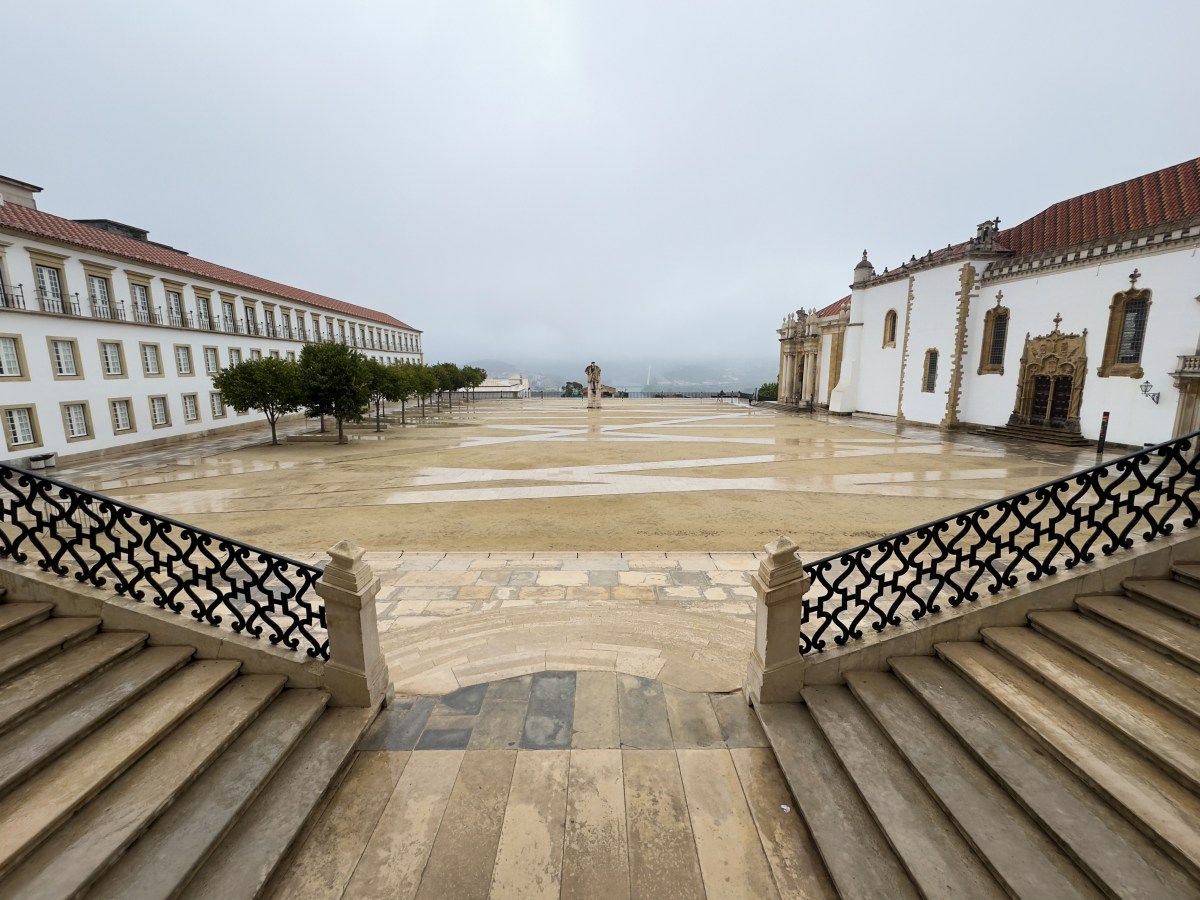
Coimbra
Coimbra is a charming and historic city located in central Portugal, known for its rich cultural heritage, prestigious university, and picturesque setting. If you’re considering visiting Coimbra, get ready to immerse yourself in a blend of medieval architecture, vibrant student…

Evora
Evora, Portugal is a captivating city that effortlessly blends history, culture, and natural beauty. Located in the Alentejo region, about 80 kilometers east of Lisbon, Evora is a UNESCO World Heritage site and one of the most charming destinations in…

Guimarães
Guimarães, Portugal is a charming and historic city that holds immense cultural significance as the birthplace of the nation. Known as the “Cradle of Portugal,” it offers a rich tapestry of architectural wonders, fascinating history, and a vibrant atmosphere that…
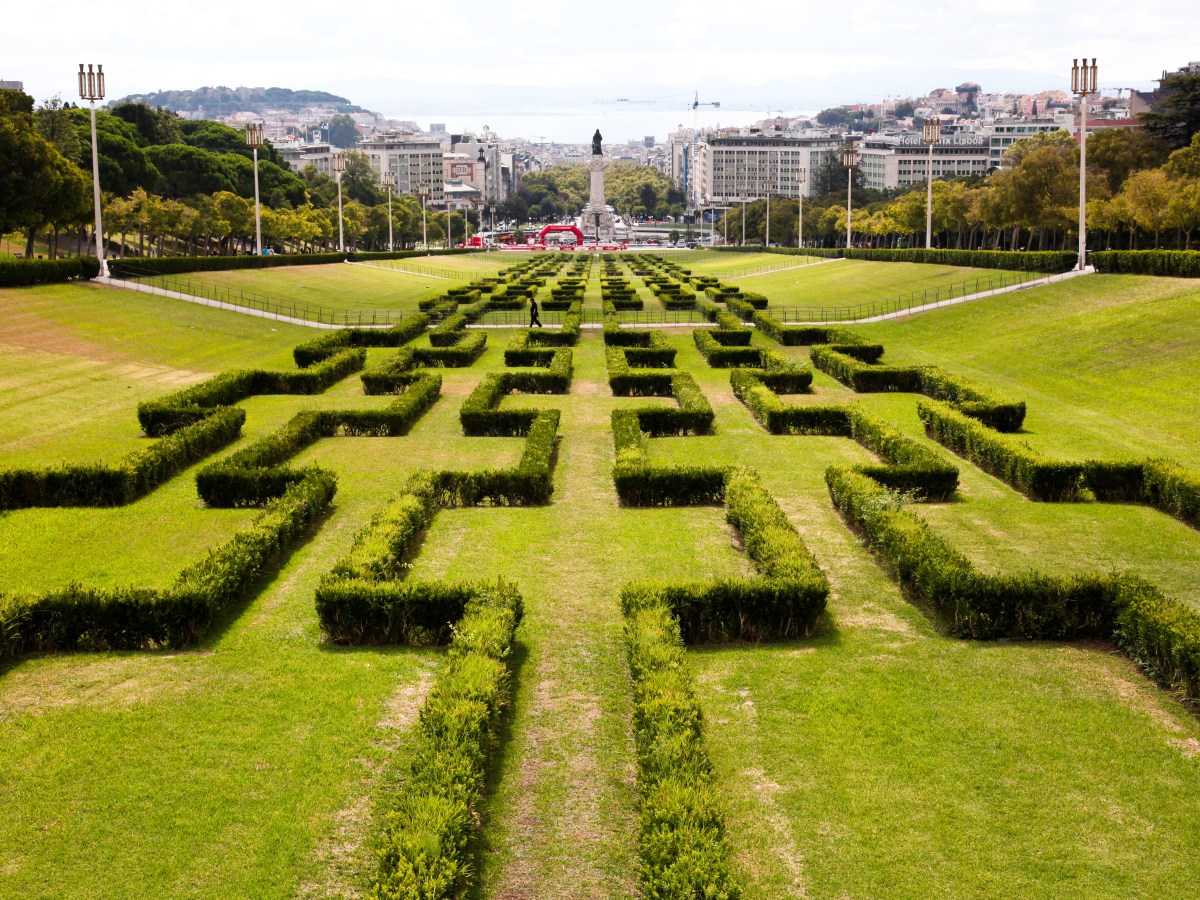
Lisbon
Lisbon, the capital city of Portugal, is a vibrant and enchanting destination that effortlessly blends rich history with a modern, cosmopolitan vibe. Nestled along the scenic banks of the Tagus River, Lisbon boasts a captivating cityscape adorned with colorful tiled…

Porto
Porto, also known as Oporto, is a vibrant and picturesque city located in northwest Portugal. It is the second-largest city in the country and one of the oldest European centers, boasting a rich history, stunning architecture, and a unique cultural…

Sintra
Sintra is a charming town nestled in the scenic foothills of the Serra de Sintra, just a short distance from Lisbon, the capital city of Portugal. It is a place of undeniable beauty, enchanting landscapes, and rich history, making it…

Tomar
Tomar, Portugal is a charming and historic town located in the central part of the country. It is situated along the banks of the Nabão River, surrounded by picturesque natural landscapes and lush greenery. Tomar is renowned for its rich…

Viana do Castelo
Viana do Castelo, perched between the Atlantic Ocean and the lush hills of northern Portugal, is a charming coastal city that combines natural beauty, rich tradition, and elegant architecture. It’s one of the most picturesque towns in the Minho region…
A Bit of History…
Want to bone up on your Portuguese history a bit before your trip? Here are a few historical events and people that relate to the cities above.
Lisbon Earthquake of 1755
The Lisbon earthquake of 1755 was a devastating natural disaster that occurred on November 1, 1755, in Lisbon, Portugal. It is considered one of the most destructive earthquakes in history, not only due to its intensity but also because of the widespread destruction and loss of life that followed. Here is a description of the…
A Brief History of the Knights Templar
The Knights Templar, also known as the Poor Fellow-Soldiers of Christ and of the Temple of Solomon, were a medieval Christian military order. They emerged during the early 12th century and played a significant role in the Crusades. Here’s an overview of their history: Foundation: The Knights Templar were founded in 1119 CE by a…
Azulejo Tiles
The history of Portuguese Azulejo tiles is a fascinating journey that dates back several centuries. The word “azulejo” itself is derived from the Arabic word “zellige,” which means “polished stone.” The art of creating these decorative tiles was introduced to Portugal during the Moorish occupation of the Iberian Peninsula, which lasted from the 8th to…
Fado Music
Fado is a unique form of Portuguese music that holds great cultural and historical significance. It is often described as the soulful expression of the Portuguese people, reflecting their emotions, experiences, and longing for what is known as “saudade” (a feeling of nostalgia or longing). The history of fado stretches back several centuries and has…
Tagus River
The Tagus River in Lisbon, Portugal is a magnificent waterway that holds great historical, cultural, and scenic significance. It is an absolute must-visit for anyone exploring the city. Let me take you on a virtual tour to help you envision this incredible destination. The Tagus River, also known as the Tejo River or Rio Tejo…
A Brief History of the Moors
The history of the Moors is complex and spans several centuries, involving a diverse array of cultures and events. The term “Moors” refers to the Muslim inhabitants of the medieval Islamic territories in North Africa, Spain, and Portugal. The history of the Moors is intricately linked to the broader history of the Islamic world and…
A Brief History of the Visigoths
The Visigoths were a Germanic people who played a significant role in the history of Europe during the late Roman Empire and the early Middle Ages. Originally part of a larger group known as the Goths, they emerged as a distinct branch and eventually established their own kingdom on the Iberian Peninsula. The Goths themselves…
Pombaline Architecture
The Pombaline style of architecture refers to a distinctive architectural style that emerged during the reign of Marquis of Pombal, Sebastião José de Carvalho e Melo, who was the Prime Minister of Portugal from 1750 to 1777. This architectural style is primarily associated with the reconstruction efforts that took place in Lisbon after the devastating…


 Meticulous Meanderings