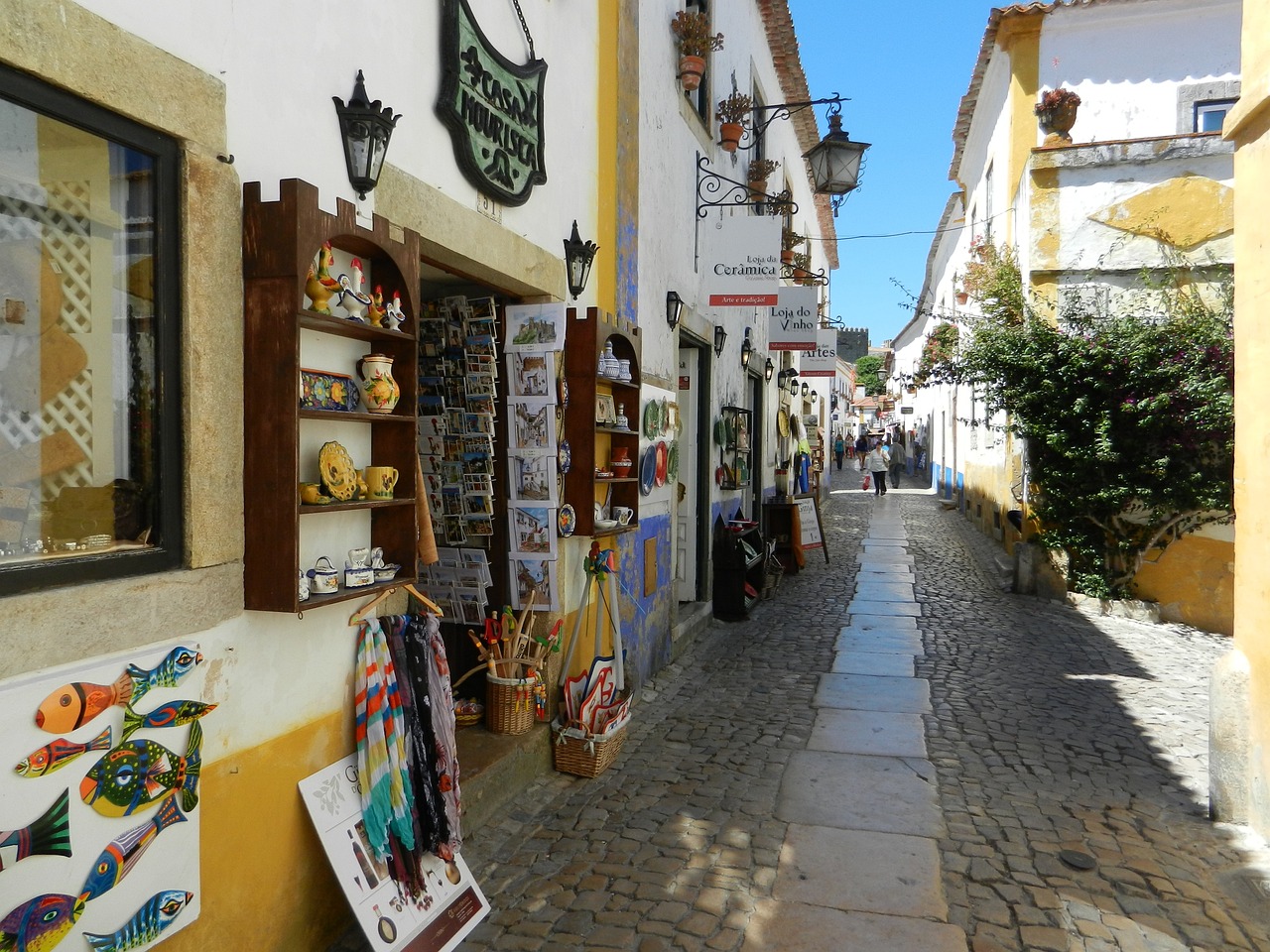
Óbidos is a charming medieval town located in the western part of Portugal, just a short drive away from the capital city of Lisbon. It is a place that seems to have been frozen in time, offering visitors a delightful journey back to the Middle Ages.
One of the most striking features of Óbidos is its impressive fortified walls that encircle the entire town. As you enter through the town’s main gate, you’ll find yourself stepping into a world of narrow cobblestone streets, whitewashed houses adorned with colorful flowers, and picturesque squares. The town has managed to preserve its medieval character and is incredibly well-preserved, making it a popular destination for history enthusiasts and those seeking a romantic atmosphere.
Strolling through Óbidos, you’ll come across numerous historical landmarks and architectural gems. The centerpiece is the magnificent Óbidos Castle, which sits atop a hill and offers breathtaking views of the surrounding countryside. The castle has been converted into a luxury hotel, allowing visitors to experience a truly unique stay within its ancient walls.
Wandering further into the town, you’ll discover charming churches, such as the Church of Santa Maria, with its beautiful Manueline-style portal. The streets are also filled with quaint shops selling local handicrafts, traditional ceramics, and the renowned cherry liqueur called “Ginjinha.” It’s customary to drink the sweet liqueur served in edible chocolate cups, adding a delightful touch to your exploration of the town.
Throughout the year, Óbidos hosts various cultural events and festivals, adding to its vibrant ambiance. One of the most famous events is the Óbidos Medieval Festival, where the town transforms into a bustling medieval village, with locals dressed in period costumes, jousting tournaments, and traditional crafts on display.
Beyond the town walls, the surrounding countryside is dotted with vineyards and rolling hills, providing an ideal backdrop for leisurely walks or bike rides. If you’re a golf enthusiast, you’ll find excellent golf courses in the area as well.
- Map of Sights in Óbidos
- Explore the Streets of Óbidos
- Castle of Óbidos
- Municipal Museum of Óbidos
- Igreja de Santa Maria
- Porta da Vila
- Rua Direita
- Igreja de São Tiago
- Igreja de São Pedro
- Aqueduto de Usseira
- Chapel of Saint Martin
- Igreja da Misericórdia
- Buddha Eden Garden of Peace
Explore the Streets of Óbidos


Once inside the town, you’ll find yourself transported back in time. The cobblestone streets wind their way through the town, lined with colorful houses adorned with bougainvillea and geraniums. The charming architecture, with its Manueline and Moorish influences, creates a truly captivating atmosphere. Take your time to wander through the streets, as every corner holds a new discovery.
One of the highlights of Óbidos is Rua Direita, the main street that stretches from the town’s main gate to the castle. Rua Direita is a vibrant thoroughfare filled with traditional shops, quaint cafes, and artisanal boutiques. It’s the perfect place to indulge in local handicrafts, taste regional delicacies, and even sample the famous ginjinha, a traditional cherry liqueur served in a chocolate cup.
As you venture deeper into the labyrinthine streets, you’ll stumble upon hidden squares and charming corners. Don’t miss Praça de Santa Maria, a picturesque square adorned with a beautiful fountain and surrounded by colorful houses. This square often serves as a venue for local events, such as festivals and concerts, adding a lively touch to your exploration.
Another notable street in Óbidos is Rua Nova, known for its abundance of traditional handicraft shops. Here, you can admire and purchase local crafts, including ceramics, embroidered linens, and delicate lacework. It’s an excellent opportunity to take home a piece of Óbidos’s heritage.
While strolling through the streets, you’ll notice the influence of the town’s medieval past. Keep an eye out for the Manueline-style windows, the traditional azulejo tiles that adorn some facades, and the small chapels tucked away in unexpected corners. Óbidos Castle, situated at the highest point of the town, is a must-visit. The castle dates back to the 12th century and offers a glimpse into the town’s history through its walls, towers, and exhibitions.
Exploring the streets of Óbidos is not just about admiring the architecture and historic sites—it’s also an invitation to slow down, savor the atmosphere, and immerse yourself in the town’s unique ambiance. Whether you choose to get lost in the winding streets, savor local delicacies, or simply soak up the charm of this medieval gem, Óbidos promises an unforgettable experience for any visitor.
Castle of Óbidos

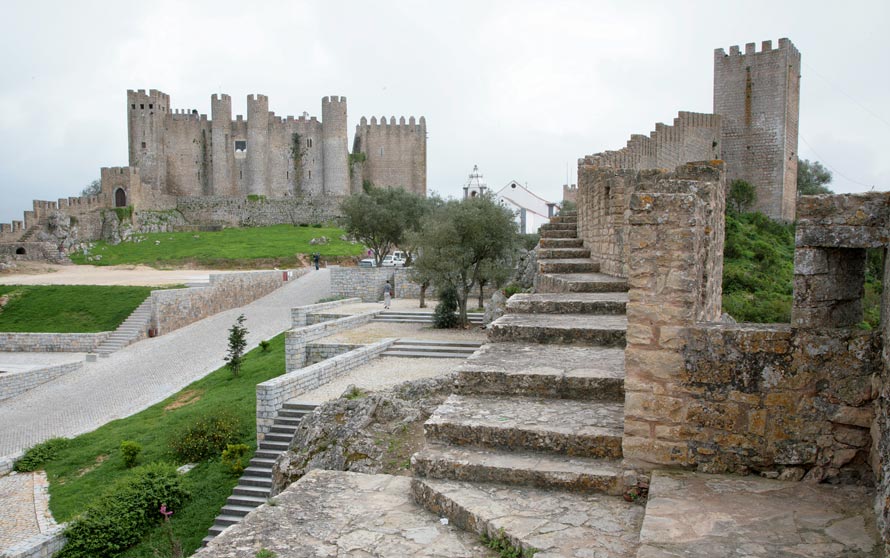

As you approach the town, you’ll be immediately struck by the sight of the castle’s imposing stone walls rising majestically against the sky. The castle dates back to the 12th century and has been remarkably well-preserved, transporting visitors back in time to a bygone era.
Stepping through the castle’s gate, you’ll find yourself immersed in a world of cobbled streets, narrow alleyways, and traditional whitewashed houses adorned with colorful flowers. The castle’s interior is equally enchanting, with a labyrinthine layout that invites exploration. You can wander through its corridors, climb the ancient staircases, and discover hidden corners that hold echoes of centuries past.
One of the highlights of the Castle of Óbidos is its impressive battlements, which offer breathtaking panoramic views of the surrounding countryside. From the top, you’ll be treated to vistas of the town’s red-roofed houses, the rolling hills of the Portuguese countryside, and even glimpses of the Atlantic Ocean in the distance.
The castle also houses a charming chapel dedicated to Our Lady of the Castle, featuring beautiful religious art and intricate tilework. This serene space provides a moment of tranquility amid the castle’s historic grandeur.
DETAILS
R. Josefa de Óbidos, 2510-001 Óbidos, Portugal
Visiting the castle:
The castle itself functions as a hotel these days and you can only visit the interior of the castle if you are a guest at the hotel. However, if you are not a guest, you can visit the Garden/Terrace, Belvedere, and the Walls of the castle. Be advised that while the walls can be walked on, it is not suitable for small children as there are no barriers to keep you from falling off the walls, presumably to your death.
Municipal Museum of Óbidos
(AKA Museu Municipal de Óbidos)
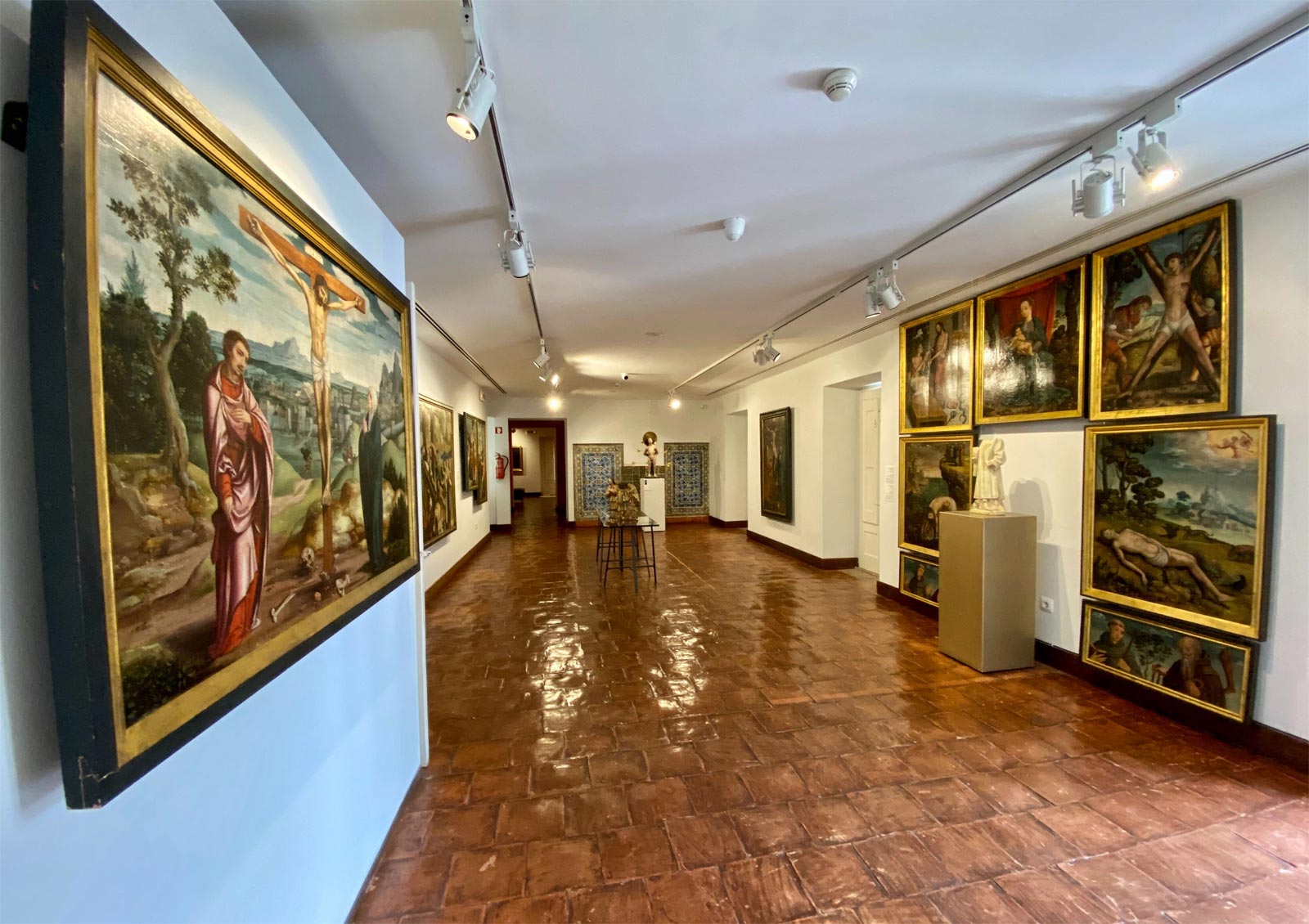
Housed within a historic building, the Municipal Museum offers a captivating journey through Óbidos’ rich past. The town itself is steeped in medieval heritage, and the museum beautifully showcases the unique character and traditions that define this enchanting place.
As you step inside, you’ll be greeted by a well-curated collection of artifacts, artworks, and historical documents that span centuries. The museum takes you on a chronological exploration of Óbidos’ evolution, highlighting its significant moments and cultural influences. From the Roman era to the Middle Ages and beyond, each period comes to life through carefully displayed exhibits and informative displays.
One of the highlights of the museum is its exhibition on the town’s literary legacy. Óbidos is known for its strong ties to literature and has been declared a Literary Village by UNESCO. The museum pays homage to this distinction with exhibits dedicated to famous writers associated with Óbidos, such as Eça de Queirós and José Saramago. You’ll find manuscripts, books, and personal belongings that provide insights into their lives and works.
Additionally, the museum’s architecture itself is worth admiring. The building itself is a piece of history, showcasing traditional Portuguese design elements and a well-preserved façade. The blend of the old and the new creates a unique atmosphere that enhances the overall museum experience.
In addition to its permanent collection, the Municipal Museum of Óbidos often hosts temporary exhibitions, ensuring there’s always something new to discover. These exhibitions may focus on a particular theme, artist, or historical period, adding further depth to the museum’s offerings.
DETAILS
R. Direita 97, 2510-086 Óbidos, Portugal
Tuesday to Sunday
9:30 – 13:00 and 14:00 – 17:30
Closed Mondays
Igreja de Santa Maria
(AKA Church of Saint Mary)

As you approach the church, you’ll be captivated by its stunning exterior. The Igreja de Santa Maria features a traditional Portuguese Manueline style, characterized by intricate stone carvings, ornate detailing, and a sense of grandeur. The facade is adorned with beautiful azulejo tiles, depicting biblical scenes and religious motifs, which add to its visual appeal.
The interior is equally impressive, featuring a harmonious blend of Gothic and Renaissance architectural elements. The high ceilings, arches, and columns create a sense of space and elegance. The walls are adorned with religious artwork, including paintings, sculptures, and altarpieces, showcasing the artistic talent of the period.
One of the highlights of the Igreja de Santa Maria is its main altar, which is a true masterpiece. Elaborately carved in gilded wood, it is a sight to behold. The altar is dedicated to Our Lady of the Assumption, the patron saint of Óbidos. It is adorned with intricate details, delicate reliefs, and statues that depict scenes from the life of the Virgin Mary.
As you explore the church further, you’ll come across several chapels, each with its own unique character and decorative features. These side chapels house various religious artifacts, such as reliquaries, statues of saints, and intricately designed stained glass windows, adding to the overall splendor of the church.
In addition to its architectural and artistic beauty, the Igreja de Santa Maria holds significant historical importance. It dates back to the 12th century and has witnessed centuries of religious ceremonies, royal weddings, and cultural events. Stepping inside, you’ll feel a sense of awe and reverence as you connect with the rich history of the place.
Located within the walls of the charming medieval town of Óbidos, the Igreja de Santa Maria is easily accessible and is often included as part of a visit to this picturesque destination. After exploring the church, take a leisurely stroll through the cobbled streets of Óbidos, marvel at the well-preserved architecture, and enjoy the quaint shops and cafes that line the narrow lanes.
DETAILS
Praça de Santa Maria, 2510-001 Óbidos, Portugal
Tuesday to Sunday
9:00 – 19:00
Closed Mondays
Porta da Vila
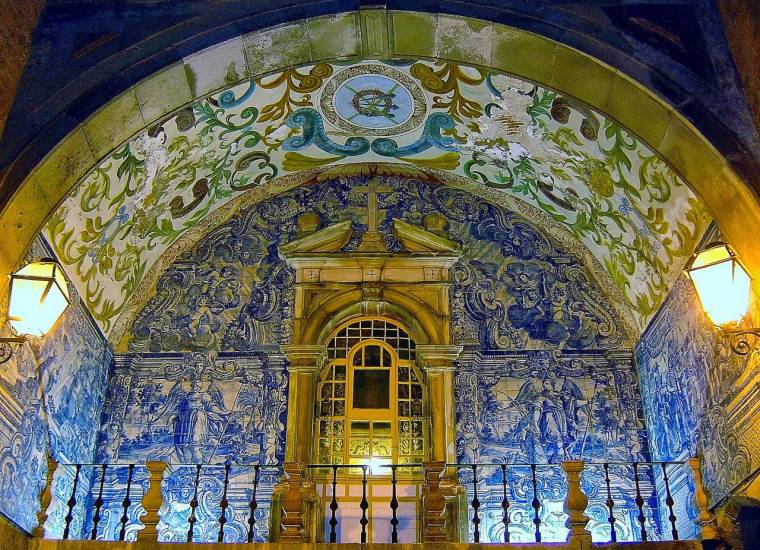
The Porta da Vila in Óbidos, Portugal is a captivating and historical gateway that offers a delightful entry into the enchanting medieval town of Óbidos. Known for its picturesque beauty and well-preserved architecture, the Porta da Vila is a must-visit attraction for anyone seeking a unique and immersive travel experience.
As you approach the Porta da Vila, you’ll be greeted by a massive stone arch that dates back to the 14th century. The gate stands proudly, serving as a testament to the town’s rich history and heritage. Upon passing through the gate, you’ll step into a world frozen in time, as Óbidos is renowned for its well-preserved medieval character.
The gate itself is adorned with traditional Portuguese azulejo tiles, showcasing intricate blue and white designs that depict religious and historical scenes. These beautiful tiles add a touch of elegance and cultural significance to the already captivating structure.
Once inside, you’ll find yourself immersed in a charming and narrow cobblestone street, flanked by whitewashed houses with vibrant flower boxes adorning their windowsills. The quaint shops and cafes that line the street offer a delightful array of local crafts, souvenirs, and traditional delicacies.
DETAILS
R. Josefa de Óbidos 2, 2510-001 Óbidos, Portugal
Rua Direita
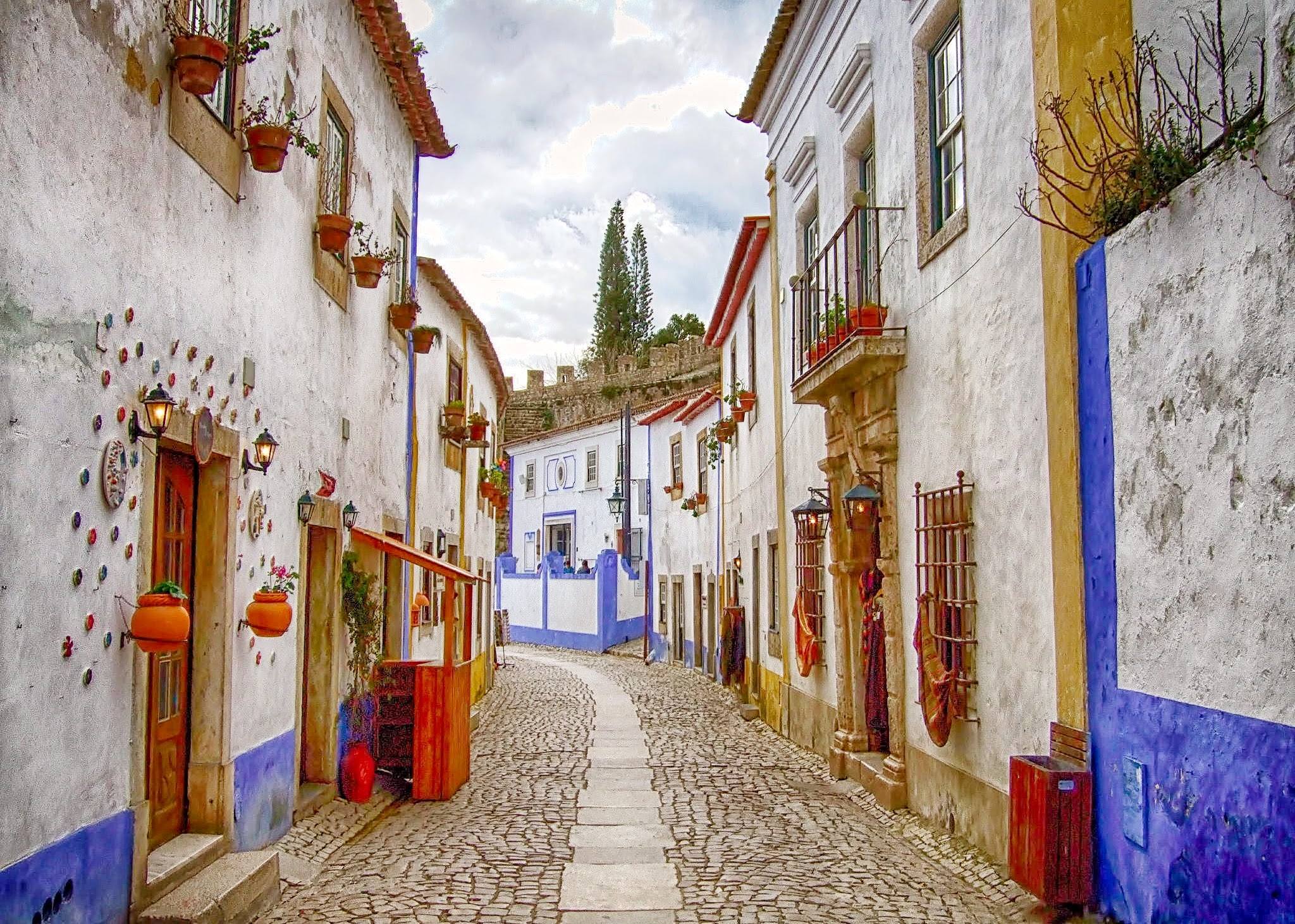
As you step onto Rua Direita, you’ll feel like you’ve stepped back in time. The street is paved with traditional cobblestones and lined with colorful, whitewashed houses adorned with vibrant flowers. The picturesque architecture will immediately captivate you and transport you to a bygone era.
As you stroll along Rua Direita, you’ll encounter an array of delightful shops and boutiques. The street is known for its artisanal handicrafts, including locally made ceramics, textiles, and intricate lacework. It’s the perfect place to find unique souvenirs and gifts to remember your visit to Óbidos.
Rua Direita is also famous for its delightful gastronomy. The street is lined with cozy cafes and traditional Portuguese restaurants where you can savor local delicacies. Indulge in delicious pastries, such as the renowned “ginjinha,” a cherry liqueur served in a chocolate cup, or sample the region’s renowned seafood and hearty stews. There’s no shortage of culinary delights to satisfy your taste buds.
During your visit to Rua Direita, be sure to take your time and soak in the atmosphere. Explore the narrow side streets that branch off from the main road, and discover hidden nooks and crannies filled with charming surprises. Immerse yourself in the lively local culture and interact with friendly locals who are proud of their town’s heritage.
Igreja de São Tiago
(AKA Igreja de Santiago, Livraria de Santiago, St. James Bookstore)

The origins of Livraria de Santiago date back to the 13th century when Óbidos was a flourishing medieval town. The building that now houses the bookstore was once a Franciscan convent, known as the Convento de Santiago. This convent played a significant role in the spiritual and cultural life of the town for several centuries.
Over time, the convent underwent various transformations and renovations. However, it wasn’t until the late 18th century that the space was converted into a bookstore. The Livraria de Santiago was established in 1842 and has since become one of the most iconic and beloved bookstores in Portugal.
Stepping inside the Livraria de Santiago feels like entering a time capsule. The interior retains much of its original architectural charm, with Gothic and Manueline elements blending seamlessly. The shelves are adorned with antique books, creating an ambiance that transports visitors to a bygone era.
Apart from its historical significance, the bookstore also holds a special place in the literary world. It has hosted numerous literary events, book signings, and readings, attracting renowned authors and intellectuals. The Livraria de Santiago has become a cultural hub for locals and visitors alike, fostering a love for literature and fostering a sense of community.
As you explore the bookstore’s shelves, you’ll find a vast collection of books spanning various genres and languages. From classic literature to contemporary works, from poetry to travel guides, the Livraria de Santiago offers something for every reader’s taste. It’s a treasure trove for book enthusiasts and a place where you can easily lose track of time while immersing yourself in the world of words.
DETAILS
Largo de São Tiago do Castelo, 2510-006 Óbidos, Portugal
10:00 – 12:30 and 13:30 – 19:00
Igreja de São Pedro
(AKA Church of Saint Peter)
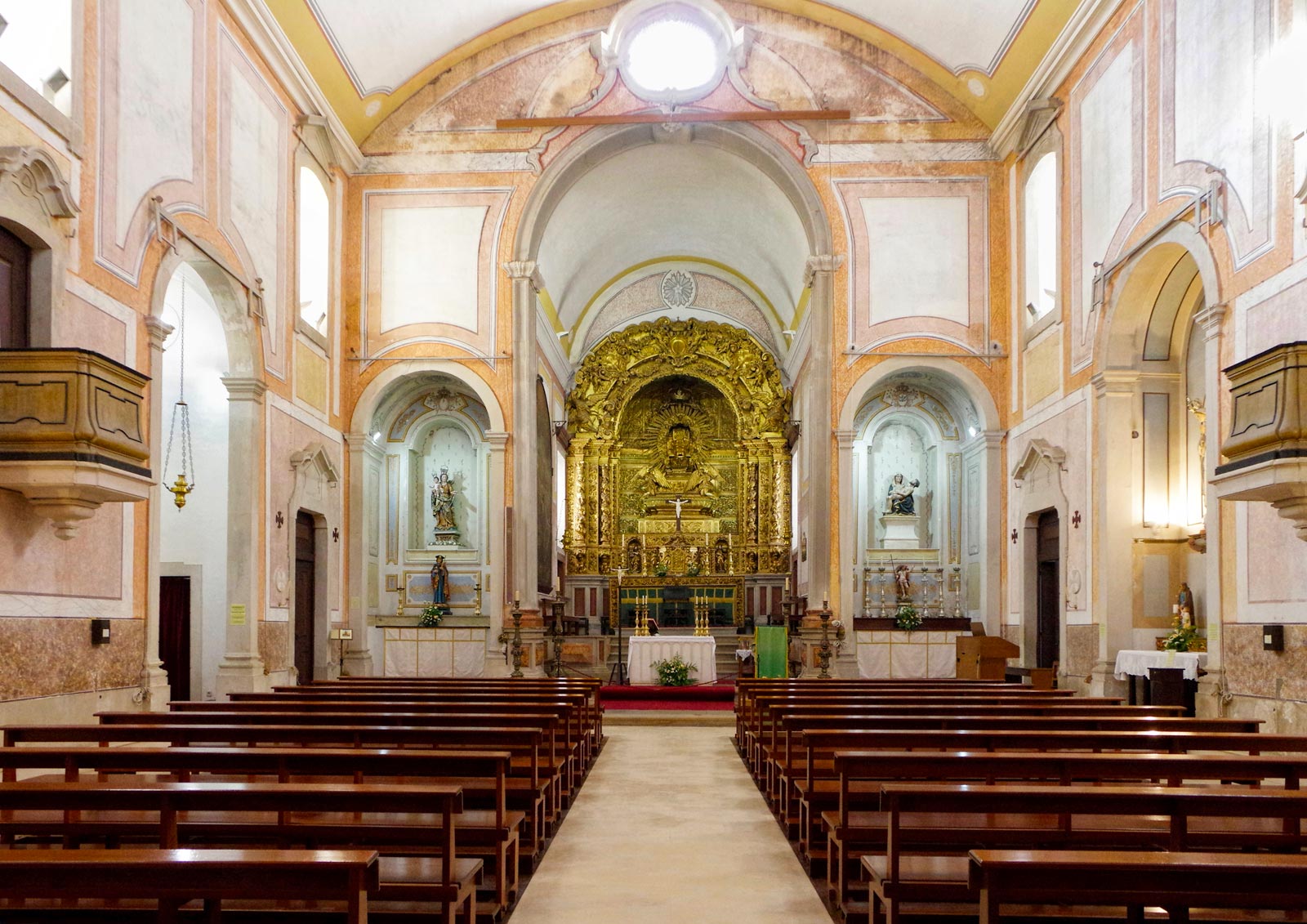
Stepping inside, you’ll be greeted by a tranquil and elegant interior. The church’s design showcases a blend of architectural styles, including Gothic, Manueline, and Baroque elements, reflecting its construction over several centuries. The high ceilings, graceful arches, and ornate altarpieces create a sense of grandeur and reverence.
The main altar, dedicated to Saint Peter, is a magnificent sight to behold. It features exquisite woodwork and intricate gilding, showcasing the craftsmanship of the period. As you explore further, you’ll discover numerous chapels, each with its own unique decorations and religious artworks.
Aqueduto de Usseira

As you approach the aqueduct, you’ll be greeted by an awe-inspiring sight. The Aqueduto de Usseira consists of a series of massive stone arches that span across the undulating landscape, creating a striking visual display. The arches stand tall and proud, forming an elegant silhouette against the backdrop of the Portuguese sky.
The aqueduct spans a distance of approximately 3 kilometers (1.9 miles), showcasing the impressive engineering skills of the time. The construction of the arches, meticulously designed to distribute the weight and provide stability, is a testament to the craftsmanship of the builders. Walking along the aqueduct, you’ll have the opportunity to marvel at the intricate details and appreciate the sheer magnitude of this feat of engineering.
The Aqueduto de Usseira not only serves as a functional structure but also adds to the overall charm of the surrounding landscape. The combination of the arches, the surrounding greenery, and the peaceful ambiance creates a picturesque scene that photographers and nature lovers will surely appreciate. It’s a place where you can immerse yourself in the tranquility of the countryside while admiring the architectural prowess of the past.
DETAILS
N114 9, Óbidos, Portugal
If you’re arriving in Óbidos by car, you’ll probably be parking in the shadow of the aqueduct.
Chapel of Saint Martin

This small chapel dates back to 1331 and has survived numerous earthquakes, making it the only remaining completely in-tact medieval building. All other buildings from that time were either fully or partially destroyed through the intervening years.
As you approach the chapel, you’ll be captivated by its quaint and unassuming exterior. Its stone walls, adorned with delicate white trimmings, create a striking contrast against the vibrant blue sky. You will notice two tombs outside the entrance. These were moved to the exterior of the chapel when the French invaded Portugal and were just… left there ever since. It’s certainly a unique sight.
Upon entering the Capela de São Martinho, you’ll be immediately struck by the sense of tranquility that fills the space. The interior is generally bare, except during special events, such as Christmas when a nativity is on display. You will notice the medieval ribbed vault ceiling (which I still don’t understand how it stays up) and several tombs along the walls.
DETAILS
Largo São João de Deus, 2510-001 Óbidos, Portugal
Igreja da Misericórdia
(AKA Church of Mercy)
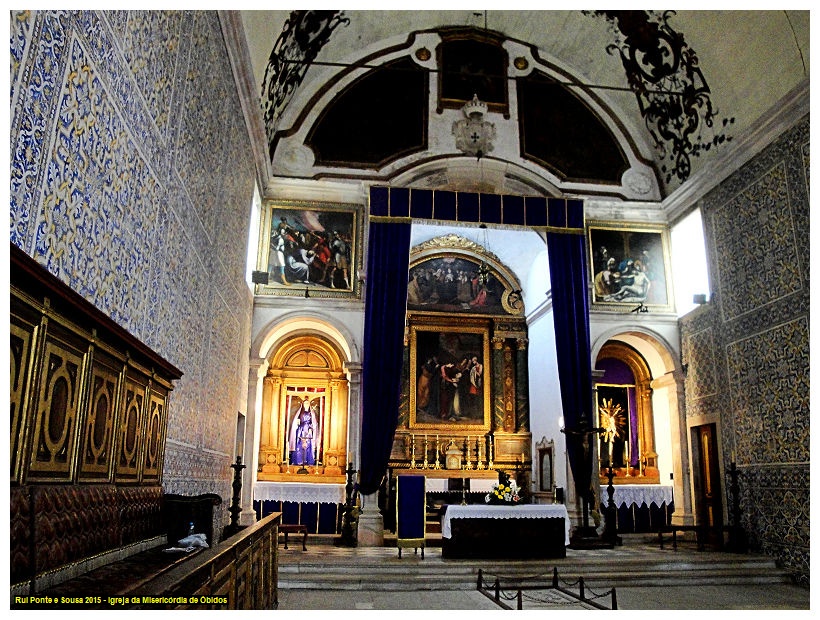
Rebuilt in the 17th century, the Igreja da Misericórdia showcases a stunning blend of architectural styles, primarily influenced by the Manueline and Renaissance periods. The entrance portal has a ceramic Virgin with Child from 1665.
The interior of the church boasts walls that are adorned from floor to ceiling with beautiful hand-painted azulejos dating from between 1625 and 1678. You will also find paintings and statues from the same period.
Buddha Eden Garden of Peace
(AKA Jardim da Paz Buddha Eden)


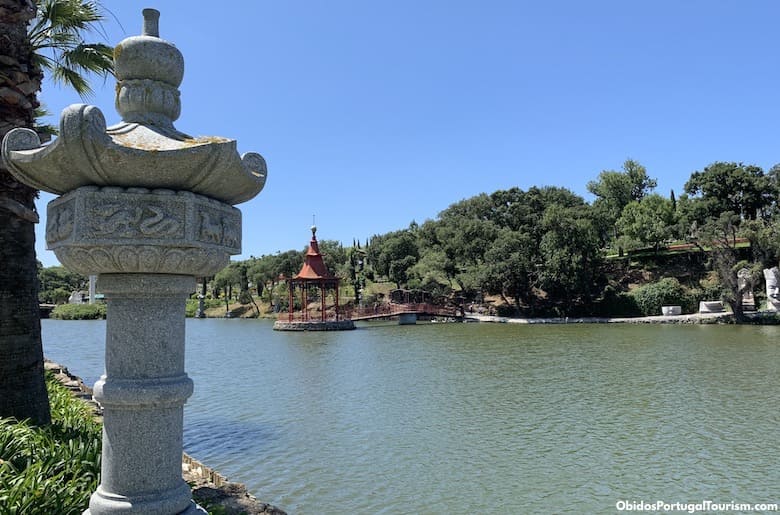
As you step into the Buddha Eden Garden, you’ll immediately be greeted by a serene ambiance and a profound sense of tranquility. The garden spans over 35 hectares and is adorned with a stunning collection of sculptures, statues, and art installations, all crafted to evoke a deep sense of contemplation and harmony. The centerpiece of the garden is undoubtedly the majestic Buddha statue, standing tall and radiating an aura of serenity and enlightenment.
The garden’s design draws inspiration from the famous gardens of the Orient, such as those found in Japan and Bali. As you wander along the winding pathways, you’ll discover meticulously manicured lawns, vibrant flowerbeds, tranquil lakes, and cascading waterfalls, all surrounded by lush vegetation and towering trees. The careful arrangement of these elements creates a soothing environment that encourages meditation, self-reflection, and a connection with nature.
One of the most fascinating aspects of the Buddha Eden Garden is the vast collection of sculptures scattered throughout the grounds. You’ll encounter statues of Buddhas, pagodas, deities, and mythical creatures from various Asian traditions, each representing different aspects of spirituality and wisdom. The sheer diversity and scale of the sculptures are awe-inspiring, making every step a visual delight and a chance to explore different facets of Eastern cultures.
The garden is not only a place of beauty but also a symbol of peace and harmony. It was created as a response to the destruction of ancient Buddha statues in Afghanistan by the Taliban, serving as a reminder of the need for understanding, tolerance, and unity among different cultures and religions. This underlying message adds a profound layer of meaning to the garden, making it more than just a picturesque attraction.
DETAILS
Quinta dos Loridos, 2540-420, Portugal
October to April
9:00 – 20:00
May to September
9:00 – 21:00
 Meticulous Meanderings
You must be logged in to post a comment.