Castilian cuisine refers to the culinary traditions of the Castile region in central Spain, which includes cities like Madrid, Toledo, and Segovia. Castilian cuisine is known for its simplicity, hearty flavors, and use of high-quality ingredients. It draws influences from both the rural and urban areas of Castile, as well as from the neighboring regions.
Here are some key characteristics and dishes of Castilian cuisine:
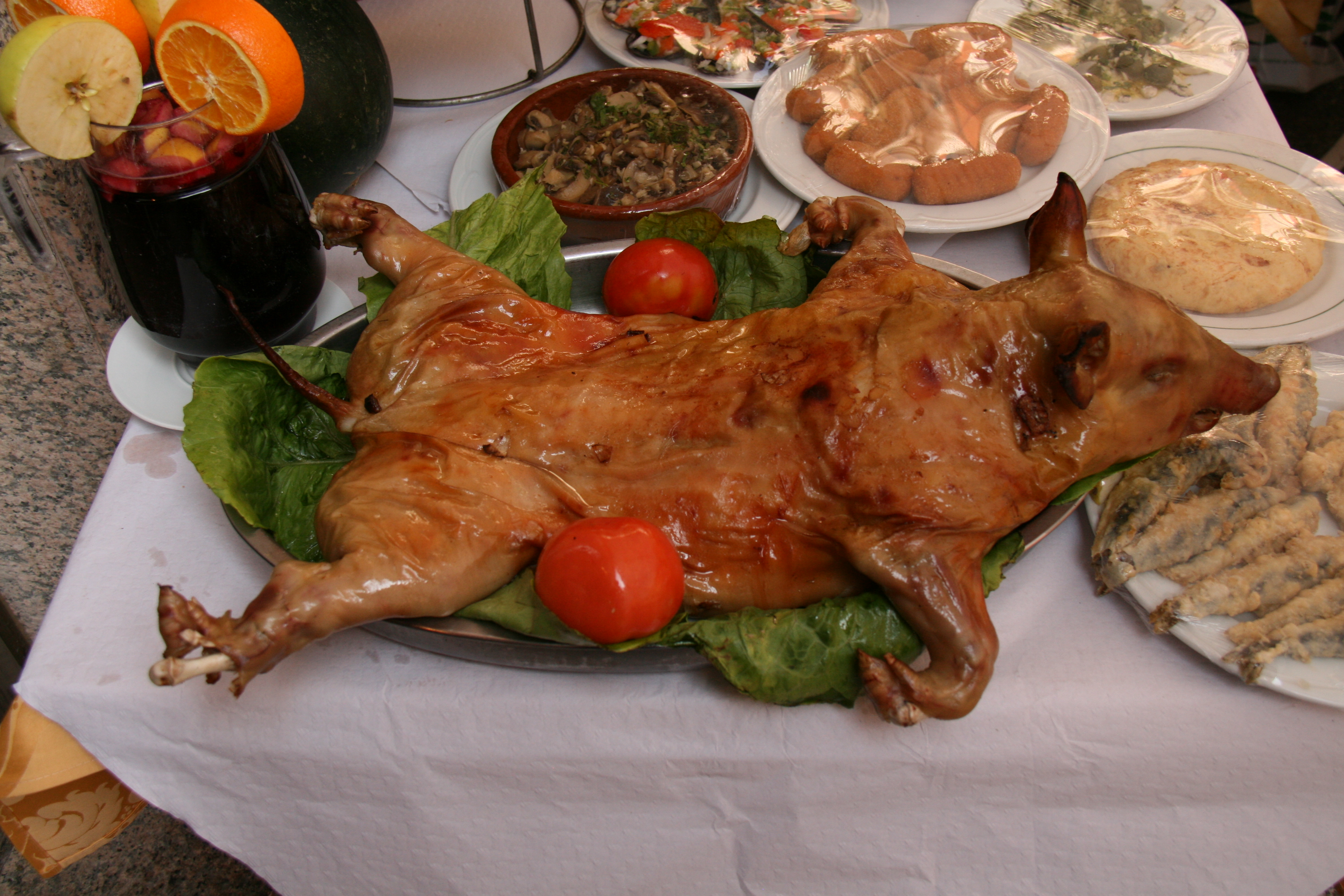
Roast Suckling Pig (Cochinillo Asado): One of the most famous dishes from Castile, especially in Segovia, is the roast suckling pig. It is a tender and succulent dish where the piglet is roasted until the skin is crispy and the meat is tender.
Roast Lamb (Cordero Asado): Another popular roasted meat dish in Castilian cuisine is roast lamb. It is typically seasoned with garlic, rosemary, and other herbs and slow-roasted to perfection.
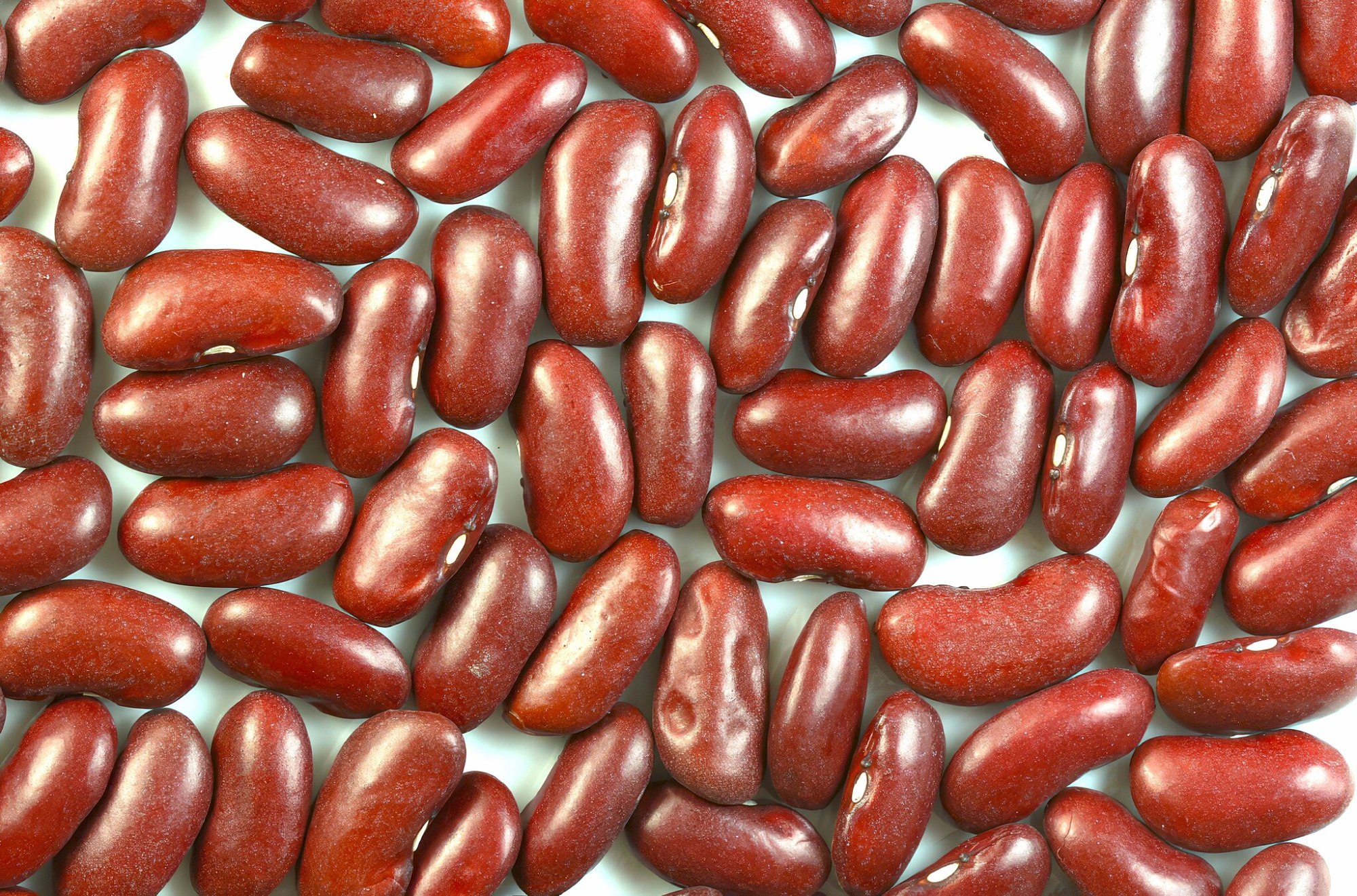
Beans and Legumes: Castile is known for its love of beans and legumes. One of the most iconic dishes is the “Judiones de La Granja,” a stew made with large white beans, chorizo, and pork. Other popular legume-based dishes include lentil soups and chickpea stews.

Cochinillo Relleno (Stuffed Suckling Pig): This is a variation of the roast suckling pig, where the piglet is stuffed with ingredients like breadcrumbs, garlic, and herbs before being roasted. It adds an extra layer of flavor to the dish.
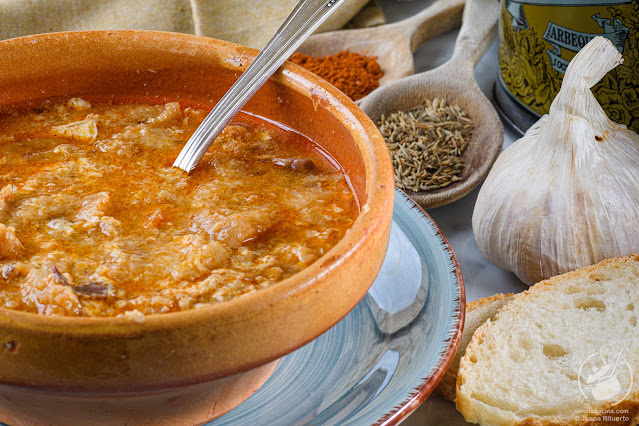
Garlic Soup (Sopa de Ajo): A rustic and comforting soup made with garlic, bread, paprika, and sometimes topped with a poached egg. It is a popular traditional dish, especially during the colder months.
Tapas: While tapas are a staple of Spanish cuisine as a whole, Castilian tapas often feature ingredients like cured ham (Jamón), cheese, olives, and marinated vegetables. You can find a variety of tapas in bars and taverns throughout Castile.
Roasted Red Peppers (Pimientos Asados): In Castile, roasted red peppers are often served as a tapa or used as an ingredient in various dishes. They are typically cooked over an open flame until the skin is charred, then peeled and marinated with olive oil and garlic.
Segovian Soup (Sopa Segoviana): This is a hearty soup made with bread, pork, and vegetables, including cabbage and carrots. It is a traditional dish that showcases the use of local ingredients.
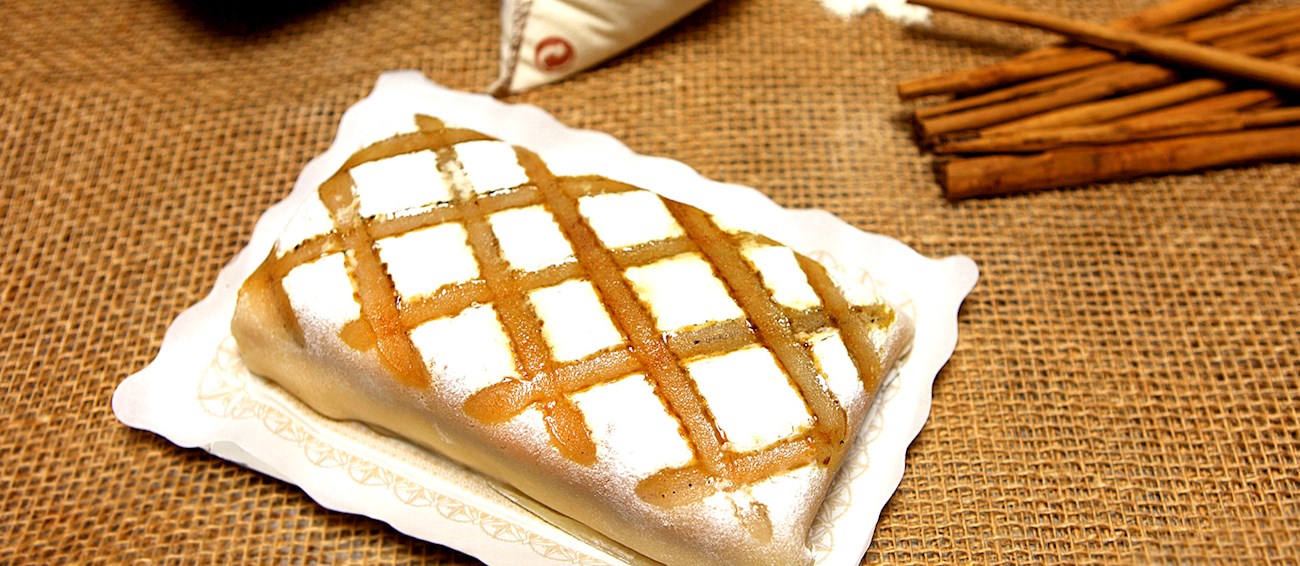
Desserts: Castilian cuisine also offers a range of delicious desserts. Examples include “Ponche Segoviano,” a cake made with marzipan, “Rosquillas,” traditional doughnuts often flavored with anise, and “Yemas de Santa Teresa,” a sweet made with egg yolks and sugar.
These are just a few examples of the dishes and flavors you can find in Castilian cuisine. Overall, Castilian cuisine celebrates the use of simple yet flavorful ingredients, creating hearty and satisfying dishes that reflect the region’s culinary traditions.
 Meticulous Meanderings
You must be logged in to post a comment.