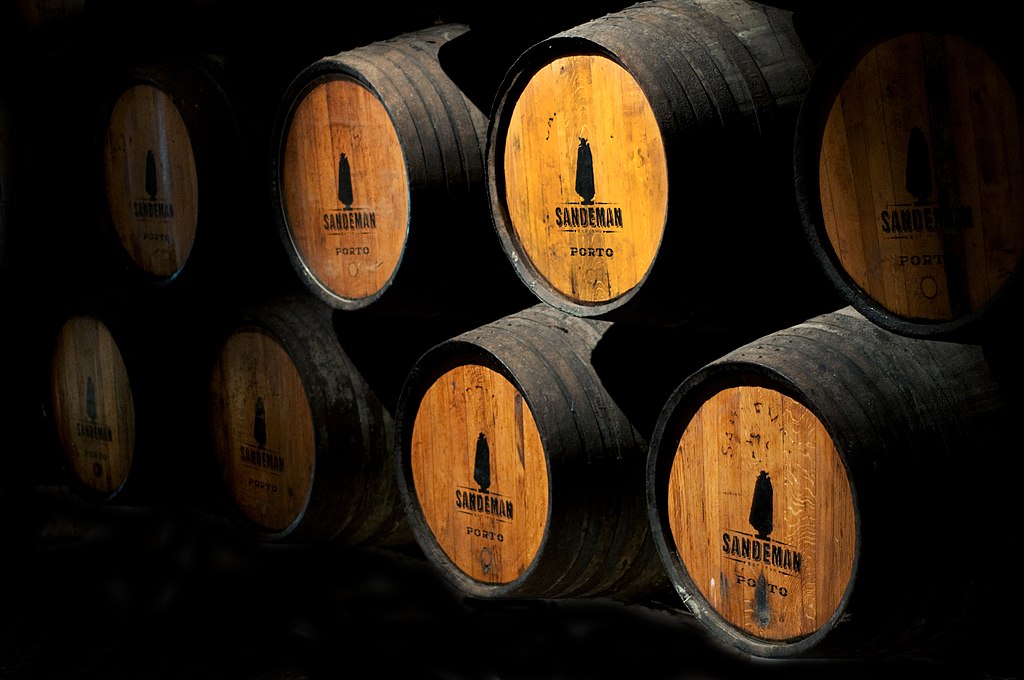
Port wine, also known simply as port, is a fortified wine that originated in the Douro Valley in northern Portugal. It has a rich history dating back several centuries and is closely associated with the city of Porto, which gave the wine its name.
The history of port wine can be traced back to the late 17th century when England was at war with France. As a result of the conflict, English wine merchants turned to Portugal as an alternative source of wine. At that time, the wines from the Douro Valley were being produced and exported, although they were not yet known as port wine.
The production of port wine as we know it today began in the early 18th century. In 1703, the Treaty of Methuen was signed between Portugal and England, which established favorable trade relations between the two countries. As part of the agreement, English merchants gained access to Portuguese wines at lower tariffs, leading to a surge in demand for Portuguese wines in England.
The Douro Valley, with its unique microclimate and steep vineyards along the Douro River, proved to be an ideal region for producing high-quality wines. However, transporting the wines from the Douro Valley to the city of Porto, where they would be loaded onto ships bound for England, presented a significant challenge. The journey down the river was treacherous, and the wines often spoiled during transportation.
To solve this problem, wine producers began adding brandy to the wines during fermentation. The brandy acted as a preservative, stabilizing the wine and preventing spoilage during the long journey. This fortification process not only preserved the wine but also had the unintended consequence of increasing its alcohol content. The resulting wine, which was both fortified and sweeter, became known as “porto” or “port wine.”
The popularity of port wine grew rapidly in England and later spread to other countries. English wine merchants established close ties with Portuguese producers, and many of them set up wine lodges in Vila Nova de Gaia, across the river from Porto, where the wines were aged and stored before export.
Over the years, port wine production and trade became increasingly regulated. The Marquis of Pombal, the prime minister of Portugal in the mid-18th century, introduced legislation to define the boundaries of the Douro Valley and establish strict quality controls for port wine. The Douro Valley was the first officially demarcated wine region in the world, a testament to the importance and quality of its wines.
Today, port wine is produced using traditional methods that have been refined over centuries. The production process involves harvesting grapes from the vineyards in the Douro Valley, crushing them, and fermenting the juice. After a brief period of fermentation, the addition of grape brandy halts the fermentation process, preserving the wine’s natural sweetness. The wine is then aged in barrels, often for extended periods, to develop complex flavors and aromas.
Port wine comes in a variety of styles, including Ruby, Tawny, Vintage, Late Bottled Vintage (LBV), and White. Each style has its own characteristics and aging requirements, offering a range of flavors and experiences for wine enthusiasts.
 Meticulous Meanderings