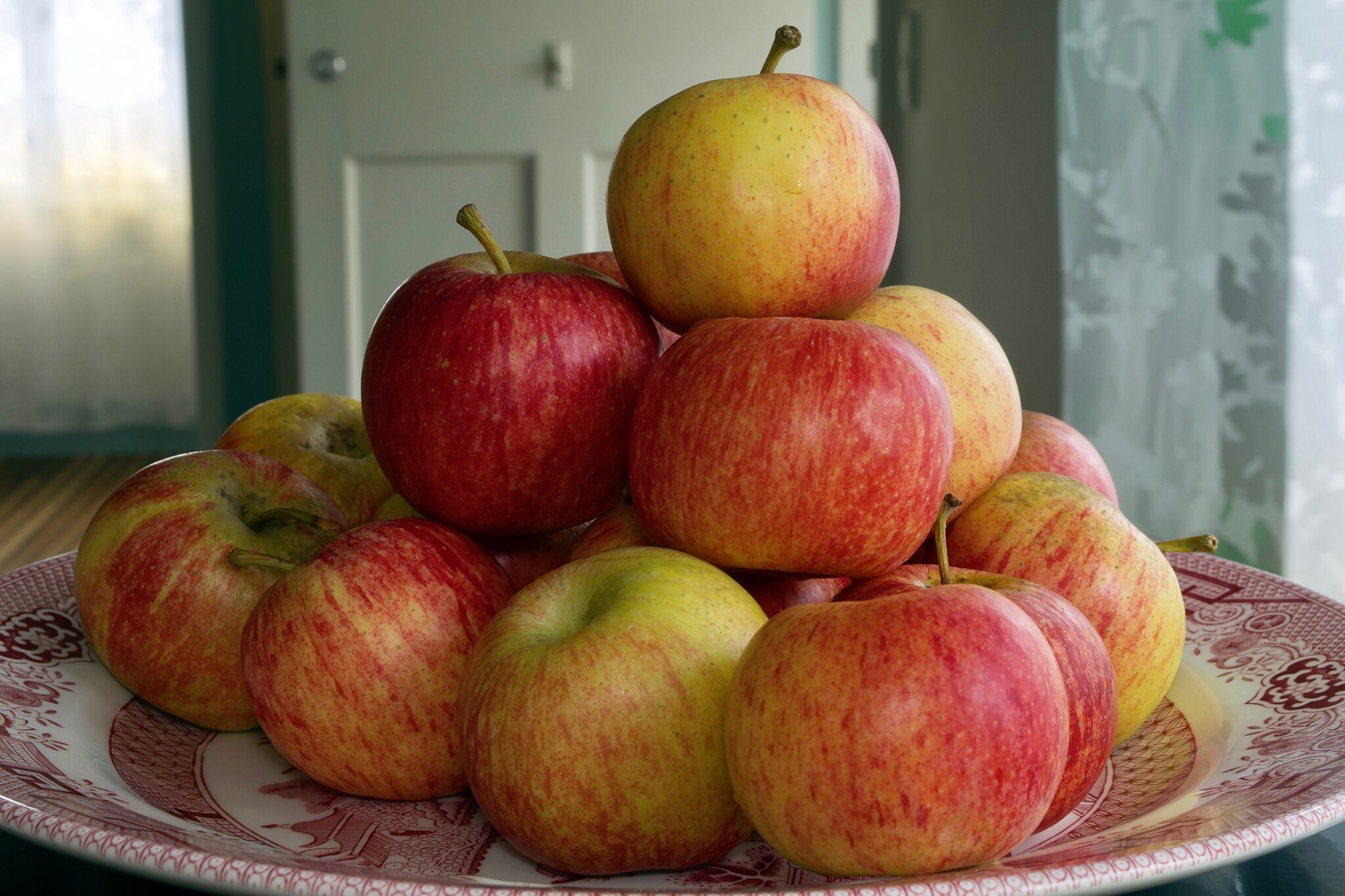
Sidra, also known as cider, has a long and rich history in Asturias, Spain. The region of Asturias, located in the north of Spain, has a strong cider-making tradition that dates back centuries. Sidra is not only a beverage in Asturias but also an integral part of its cultural heritage.
The origins of sidra in Asturias can be traced back to the Roman era when the Romans introduced apple cultivation to the region. However, it wasn’t until the Middle Ages that cider production began to take shape. During this time, monasteries and cider mills started to emerge, and cider became a staple drink among the locals.
In the 16th century, Asturias experienced an economic boom thanks to its flourishing cider industry. Cider production expanded, and orchards were planted throughout the region. Cider became a significant part of the local economy, and Asturian cider started gaining recognition outside the region.
One of the defining features of Asturian sidra is its unique pouring ritual. In traditional Asturian cider houses called “sidrerías,” the cider is poured from a height to allow it to come into contact with the air, enhancing its flavor and releasing carbonation. The person responsible for pouring the cider, called the “escanciador,” holds the bottle above their head and pours a small stream of cider into a glass held at waist height.
Throughout the centuries, Asturian cider production faced various challenges, such as changes in agricultural practices, industrialization, and the Spanish Civil War. However, the cider-making tradition persevered, thanks to the dedication of local cider producers.
In recent years, there has been a renewed interest in Asturian sidra, both within Spain and internationally. Cider festivals, known as “Fiestas de la Sidra,” are celebrated in Asturias, attracting visitors from all over. These festivals showcase the traditional pouring ritual, and participants can taste a wide variety of ciders produced in the region.
Today, Asturias remains one of the most important cider-producing regions in Spain. The region is home to numerous cider mills, known as “llagares,” where apples are pressed and fermented to produce sidra. Asturian cider is characterized by its natural fermentation process, without added sugars or carbonation, resulting in a dry and tart taste.
The cultural significance of sidra in Asturias is evident in the everyday life of the locals. Sidra is not just a beverage but a symbol of Asturian identity and a catalyst for social gatherings and celebrations. The tradition of pouring and sharing cider continues to be passed down through generations, ensuring that the heritage of Asturian sidra remains alive and thriving.

