Hello, I’m Veronica
The sky is not completely dark at night. Were the sky absolutely dark, one would not be able to see the silhouette of an object against the sky.


-
Altamira Museum and Cave

The Altamira Museum and Cave, located in Comillas, Spain, is an extraordinary archaeological and cultural site that is definitely worth a visit. It offers a fascinating glimpse into the prehistoric world and showcases some of the most remarkable examples of Paleolithic cave art in the world.
The Altamira Cave itself is a UNESCO World Heritage Site and is often referred to as the “Sistine Chapel of Paleolithic Art.” While the original cave is not open to the public to preserve its fragile environment, the museum provides an immersive and informative experience that allows visitors to appreciate the cave art in a reconstructed setting.
Upon entering the museum, you’ll be greeted by a comprehensive exhibition that provides a detailed overview of the cave’s history, geology, and the cultural significance of its artwork. The displays incorporate interactive elements, multimedia presentations, and informative panels, making it a captivating experience for both adults and children.
The highlight of the museum is the stunning replica of the cave’s main chamber, known as the “Neocave.” This painstakingly recreated section of the cave faithfully reproduces the original artwork, including the iconic polychrome paintings of bison, horses, deer, and other animals. The attention to detail is exceptional, allowing visitors to get a realistic sense of the cave’s ambiance and the awe-inspiring talent of its ancient artists.
Aside from the Neocave, the museum also houses an extensive collection of artifacts discovered in the area, such as tools, pottery, and bone artifacts, providing valuable insights into the daily lives of our prehistoric ancestors.
The Altamira Museum and Cave is not only a celebration of ancient art but also a testament to the ongoing efforts of conservation and preservation. It serves as an educational resource and a means to inspire future generations to appreciate and protect our cultural heritage.
Details
Avenida Marcelino Sanz de Sautuola, s/n, 39330 Santillana del Mar, Cantabria, Spain
November to April
Tuesday to Saturday
9:30 – 18:00
Sundays and holidays
9:30 – 15:00
May to October
Tuesday to Saturday
9:30 – 20:00
Sundays and holidays
9:30 – 15:00
Closed Mondays
Attraction opening days and times can change with no warning.
Always double-check information with the official website before making any plans
Photos

By Alonso de Mendoza – Own work, CC BY-SA 4.0 
Thomas Quine, CC BY-SA 2.0, via Wikimedia Commons
-
Casa del Duque de Almodóvar del Río
The Casa del Duque de Almodóvar del Río was designed by the renowned Catalan architect Joan Martorell i Montells, who was a prominent figure in the Catalan modernist movement. The mansion was built between 1883 and 1888 and served as the summer residence for the Duke of Almodóvar del Río, hence its name.
The architectural style of the Casa del Duque de Almodóvar del Río can be described as a unique blend of modernist and neo-Gothic influences. Its striking façade showcases intricate details, with Gothic-inspired arches, pointed towers, and delicate ornamentation. The mansion is built primarily with local stone, which adds to its rustic charm and harmonizes with the surrounding natural landscape.
Details
Prado de San José, 7, 39520 Comillas, Cantabria, Spain
Viewable from outside only
Photos

Zarateman, CC0, via Wikimedia Commons Other Sights
-
The Sobrellano Palace
(AKA Palacio de Sobrellano)
The Sobrellano Palace is a magnificent architectural gem nestled in the charming town of Comillas, located in the northern region of Cantabria, Spain. If you’re considering a visit, prepare to be captivated by the grandeur and beauty of this historic landmark.
Built between 1881 and 1888, the palace is a stunning example of the architectural style known as Neo-Gothic, which combines elements of Gothic and Renaissance design. It was commissioned by Antonio López y López, the first Marquis of Comillas, who wanted to create a residence that would reflect his wealth and influence.
As you approach the palace, you’ll immediately notice its imposing presence. The exterior is characterized by intricate stonework, pointed arches, and ornate detailing, all of which contribute to its fairy-tale-like appearance. The palace is surrounded by lush gardens, which add to its overall splendor and provide a serene setting for leisurely walks and relaxation.
Upon entering the palace, you’ll be greeted by a series of opulent rooms, each more lavish than the last. The interior is adorned with exquisite woodwork, delicate stained glass windows, and beautifully painted ceilings, showcasing the finest craftsmanship of the era. The highlight of the palace is the breathtaking chapel, with its soaring spires and awe-inspiring stained glass that bathes the space in a kaleidoscope of colors.
While exploring the palace, don’t miss the chance to visit the Marquis’s study, a room filled with richly carved bookcases, antique furniture, and a magnificent fireplace. It’s a testament to the opulence and refined taste of the time.
Beyond its architectural beauty, the Sobrellano Palace offers visitors a glimpse into the rich history and cultural heritage of Comillas. It stands as a symbol of the town’s past prosperity and serves as a testament to the artistic and architectural achievements of the late 19th century.
Details
Bo. Sobrellano, s/n, 39520 Comillas, Cantabria, Spain
Hours vary by season, check the website for details
Attraction opening days and times can change with no warning.
Always double-check information with the official website before making any plans
Photos

Sandstein, CC BY-SA 3.0, via Wikimedia Commons 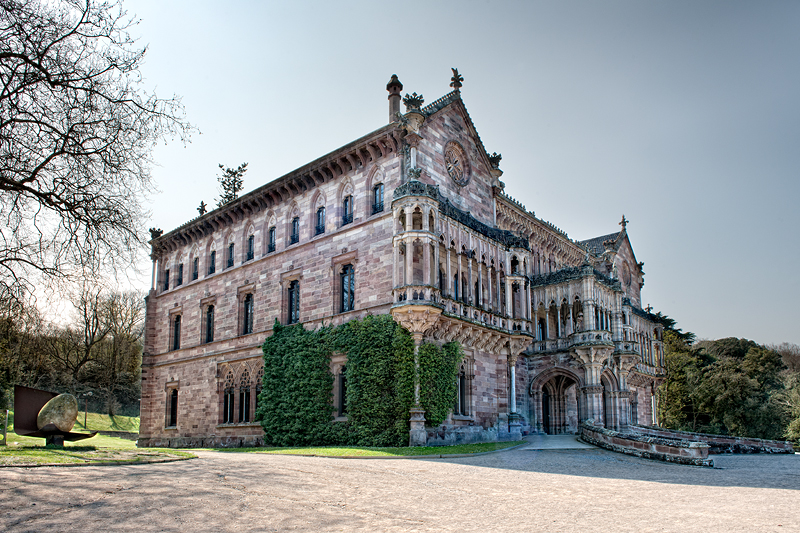
© Sobrellano Palace 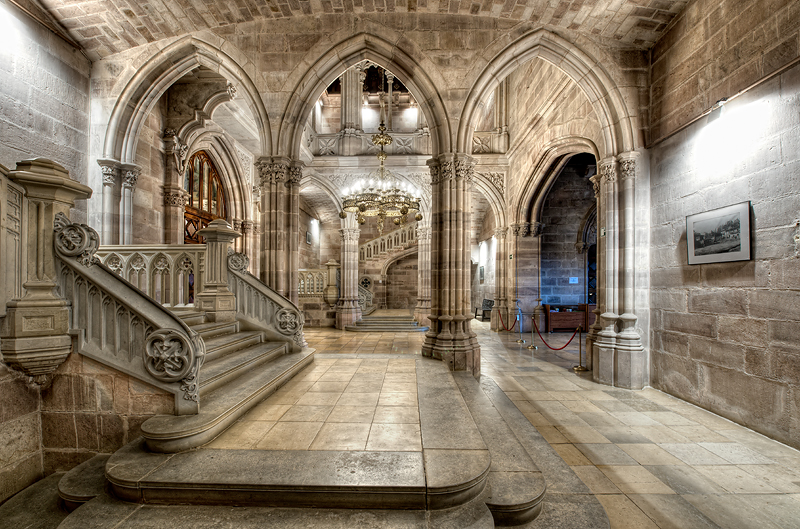
© Sobrellano Palace 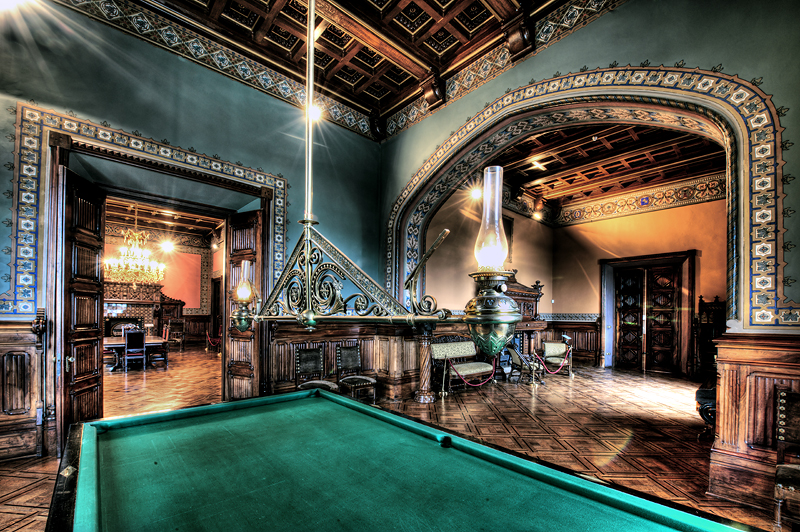
© Sobrellano Palace 
Zarateman, CC BY-SA 3.0 ES, via Wikimedia Commons
-
El Capricho de Gaudi
El Capricho de Gaudí is a fascinating architectural gem located in the picturesque town of Comillas, Spain. Designed by the renowned Catalan architect Antoni Gaudí, this unique building is a must-see for anyone with an appreciation for art, architecture, and Gaudí’s distinctive style.
The El Capricho de Gaudí was built between 1883 and 1885 as a summer residence for Máximo Díaz de Quijano, a wealthy businessman and Gaudí’s patron. The building showcases the early influences and experimental nature of Gaudí’s work before he gained worldwide fame for masterpieces like the Sagrada Familia in Barcelona.
What sets El Capricho apart is its striking design, blending elements of Gothic, Moorish, and Oriental styles, with a touch of whimsy and fantasy. The façade is adorned with colorful ceramic tiles, intricate ironwork, and sculptural details inspired by nature. The building’s asymmetrical structure and playful features give it a fairy tale-like quality, making it truly enchanting.
Upon entering El Capricho, you’ll find yourself in a world of artistic wonder. The interior features a harmonious mix of textures, shapes, and vibrant colors, reflecting Gaudí’s innovative approach to design. Delicate stained glass windows, sculpted wooden furniture, and mosaic patterns create a visual feast that will captivate your senses.
One of the highlights of El Capricho is its beautiful garden, which is as imaginative as the building itself. Gaudí incorporated natural elements, including trees, flowers, and fountains, into his design, giving the garden a magical ambiance. Take a leisurely stroll along the winding paths, and you’ll discover hidden corners, charming nooks, and artistic details at every turn.
El Capricho de Gaudí offers visitors a chance to delve into the mind of one of the world’s greatest architects. It provides a glimpse into Gaudí’s creative process and showcases his ability to push boundaries and create structures that are both aesthetically stunning and functional.
While visiting El Capricho, be sure to explore the town of Comillas itself. This charming coastal town boasts other architectural treasures, including the Pontifical University and the Sobrellano Palace, both designed by Gaudí’s contemporary, Joan Martorell.
Details
Bo. Sobrellano, s/n, 39520 Comillas, Cantabria, Spain
November to February
Monday to Sunday
10:30 – 17:30
March to June and September to October
Monday to Sunday
10:30 – 20:00
Attraction opening days and times can change with no warning.
Always double-check information with the official website before making any plans
Photos

Triplecaña, CC BY-SA 4.0, via Wikimedia Commons 
Respinya, CC BY-SA 4.0, via Wikimedia Commons 
Cosal, CC BY-SA 4.0, via Wikimedia Commons 
Respinya, CC BY-SA 4.0, via Wikimedia Commons
-
Vitoria-Gasteiz Murals
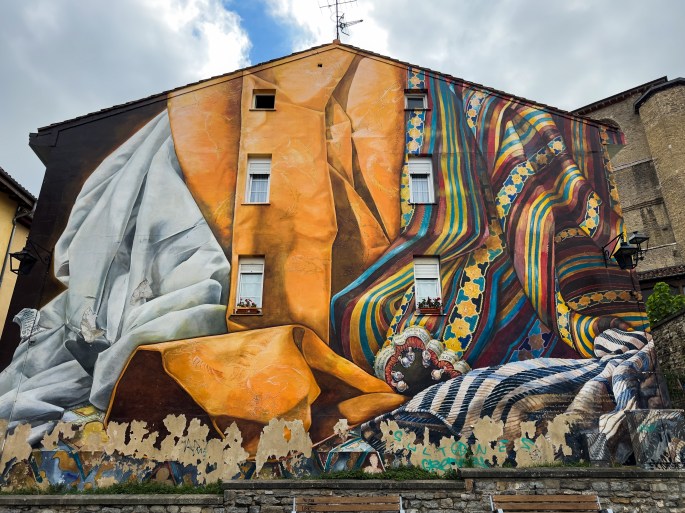
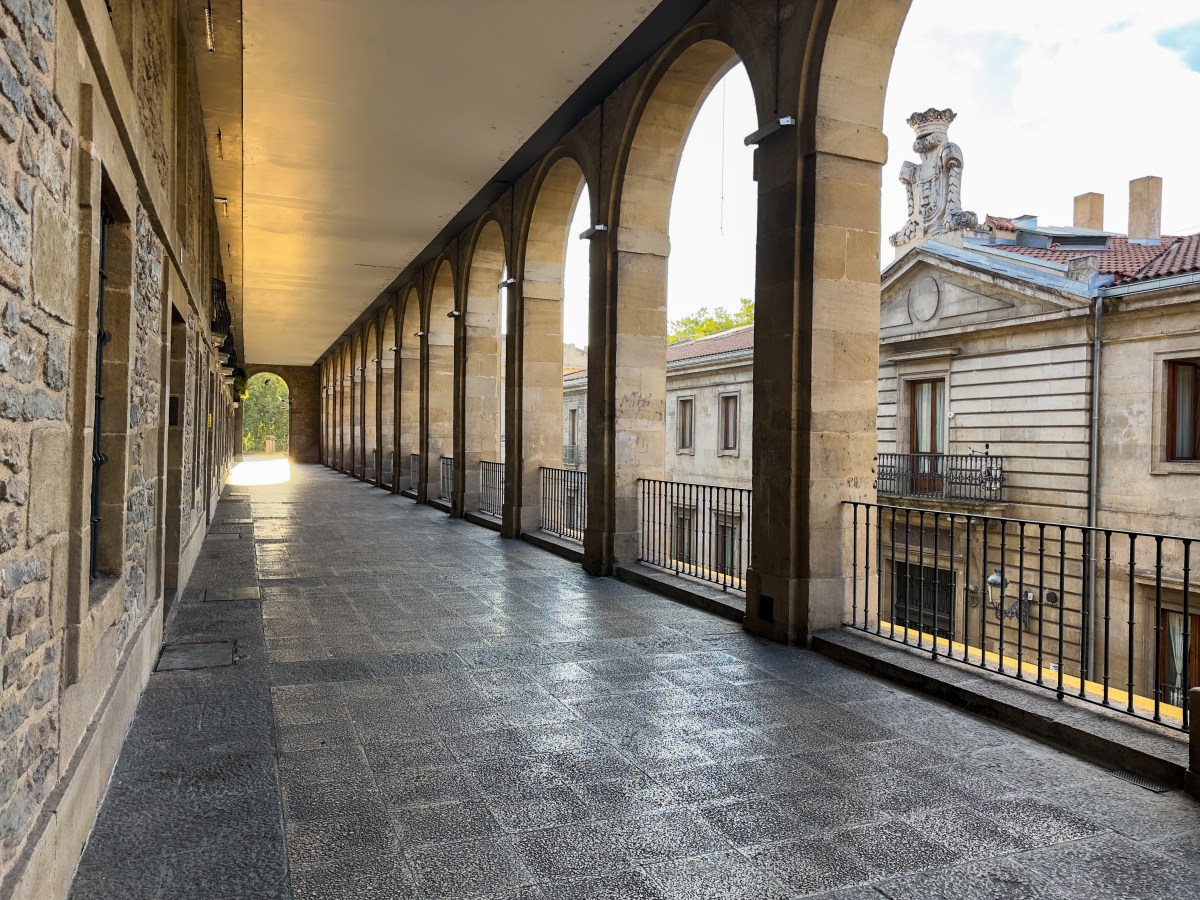
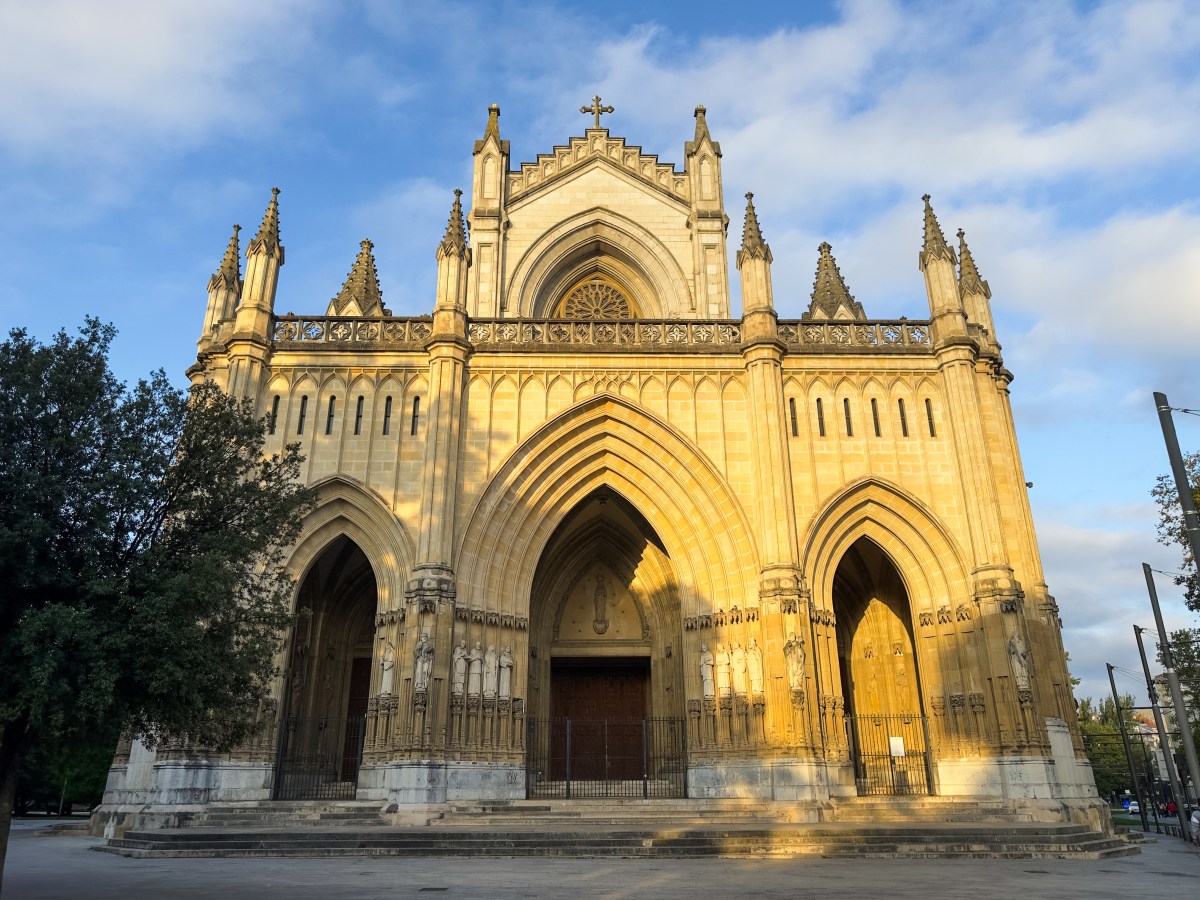
Vitoria-Gasteiz, the capital city of the Basque Country in Spain, is known for its vibrant and diverse street art scene. If you’re considering visiting, you’re in for a visual treat as the city’s streets are adorned with an array of captivating and thought-provoking artworks.
As you wander through the city, you’ll come across colorful murals, graffiti, stencils, and other forms of urban art that add a unique charm to Vitoria-Gasteiz’s already picturesque streets. The street art in this city serves as a powerful form of expression, reflecting the social, cultural, and political issues that resonate with the local community.
One notable area where you can find a concentration of street art is the Zabalgune neighborhood. Here, the walls of buildings serve as an open canvas for talented artists who create large-scale murals bursting with creativity. These murals often depict scenes from local history, folklore, and nature, allowing visitors to immerse themselves in the city’s rich heritage.
Another must-visit spot for street art enthusiasts is the area surrounding the railway tracks, known as the Green Belt (Anillo Verde). This open-air gallery features an ever-changing collection of street art, showcasing the works of both local and international artists. The vibrant colors, intricate details, and powerful messages conveyed by these artworks will leave you inspired and moved.
Apart from large-scale murals, you’ll also encounter smaller, hidden gems of street art scattered throughout the city. Keep an eye out for stencils and paste-ups that can be found on lampposts, electrical boxes, and even on the ground. These smaller pieces often convey a more personal and intimate expression, giving you a glimpse into the individual artist’s perspective.
A great way to explore the street art scene in Vitoria-Gasteiz is by taking a guided tour. Local experts can provide insights into the artists, their techniques, and the stories behind each artwork. They can take you off the beaten path to discover hidden pieces that you might not stumble upon otherwise.
It’s important to note that street art is a dynamic art form, and pieces may change or evolve over time. This constant transformation adds an element of surprise and discovery to your explorations in Vitoria-Gasteiz.
Whether you’re an art enthusiast or simply appreciate the beauty of creative expression, the street art in Vitoria-Gasteiz will undoubtedly captivate your senses and offer a unique perspective on the city’s cultural landscape. Prepare to be inspired by the talent and imagination of the artists who have transformed its streets into an open-air gallery of urban art.
Check out the IMVG site to learn more about the Mural project
Photos






About Me
The sky is not completely dark at night. Were the sky absolutely dark, one would not be able to see the silhouette of an object against the sky.
Follow Me On
Subscribe To My Newsletter
Subscribe for new travel stories and exclusive content.
 Meticulous Meanderings
You must be logged in to post a comment.