Hello, I’m Veronica
The sky is not completely dark at night. Were the sky absolutely dark, one would not be able to see the silhouette of an object against the sky.


-
Lago Enol

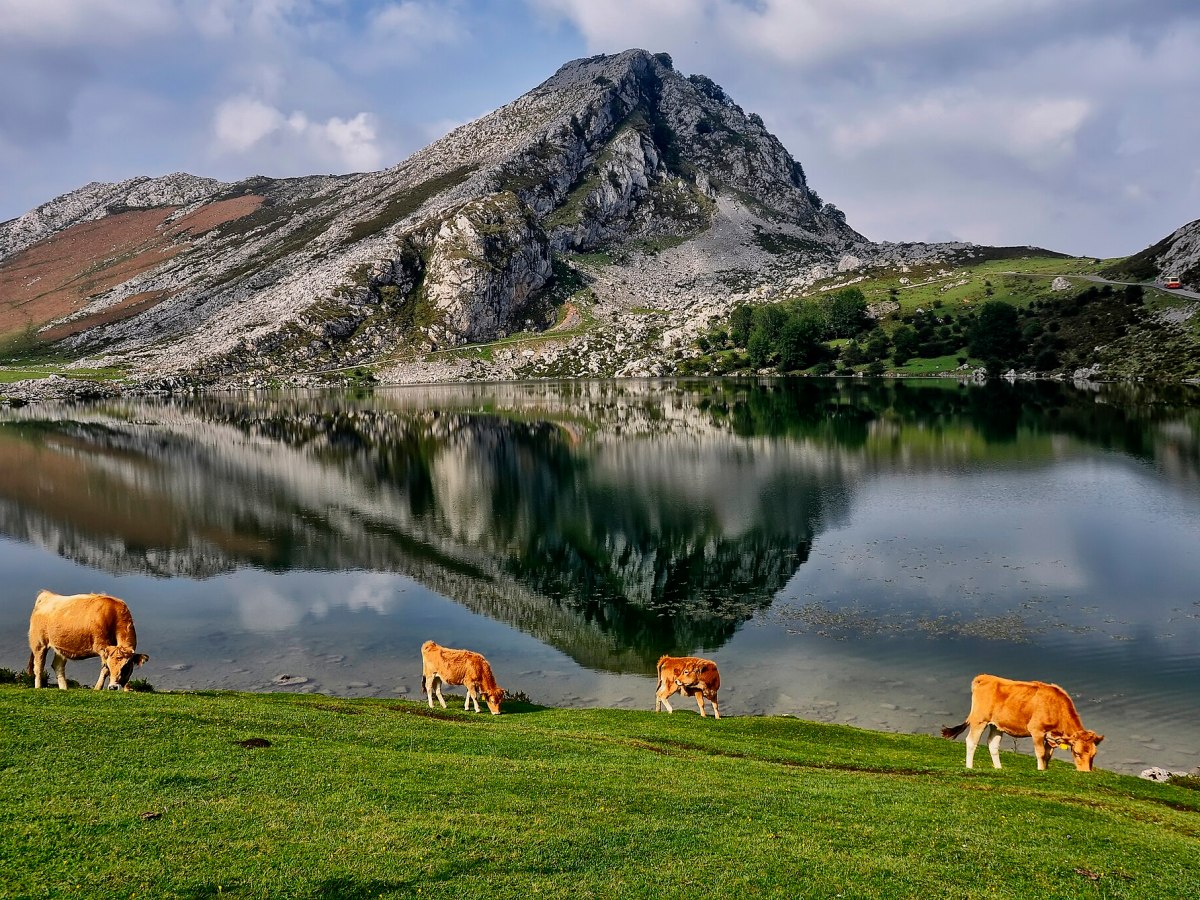
Lago Enol, located in Covadonga, Spain, is a breathtaking natural gem that should definitely be on your list if you’re considering a visit to this enchanting region. Nestled within the majestic Picos de Europa National Park, Lago Enol offers a picturesque and serene setting that will captivate your senses.
As you arrive at Lago Enol, you’ll be greeted by the stunning sight of crystal-clear turquoise waters reflecting the surrounding peaks. The lake is situated at an elevation of approximately 1,070 meters (3,510 feet), adding to its charm and providing panoramic views of the awe-inspiring mountain landscape. The towering peaks of the Picos de Europa serve as a dramatic backdrop, creating a scene that seems straight out of a postcard.
Nature lovers will be delighted by the lush greenery that encompasses the lake, with vibrant wildflowers adorning the shores during the warmer months. The tranquil atmosphere is ideal for a leisurely stroll along the lakeside, taking in the fresh mountain air and embracing the tranquility of the surroundings. It’s the perfect spot to find peace and reconnect with nature.
For those seeking adventure, Lago Enol also offers various hiking trails that cater to different skill levels. Whether you’re a casual hiker or a seasoned mountaineer, you’ll find a path that suits your preferences. Trekking through the park, you’ll have the opportunity to explore the diverse flora and fauna, witness cascading waterfalls, and perhaps even encounter some of the local wildlife.
Getting there:
To get to Lago Enol in Covadonga, Spain, here’s a step-by-step guide:
Arrival in Covadonga: Begin your journey by arriving in Covadonga, a small village located in the Asturias region of northern Spain. The nearest major airport is Asturias Airport (OVD), which receives domestic and international flights.
Travel to Covadonga: From the airport, you have several options to reach Covadonga. The most convenient method is to rent a car at the airport and drive to Covadonga. The drive takes approximately 1 hour and 30 minutes and offers beautiful scenic views along the way. Alternatively, you can take a taxi or hire a private transfer to Covadonga.
Arrival in Covadonga: Once you reach Covadonga, park your vehicle in one of the designated parking areas available in the village. From there, you have two options to reach Lago Enol: hiking or taking a shuttle bus.
Hiking to Lago Enol: If you enjoy hiking and want to immerse yourself in nature, you can choose to hike from Covadonga to Lago Enol. Follow the well-marked trail that leads from the village up into the mountains. The hike is approximately 10 kilometers (6 miles) long and takes about 2 to 3 hours, depending on your pace. The path offers stunning views of the surrounding landscape and passes by the iconic Covadonga Sanctuary.
Shuttle Bus to Lago Enol: For those who prefer a more relaxed approach, a shuttle bus service operates during the peak tourist season (usually from April to October) and takes visitors from Covadonga to Lago Enol. The buses depart from the village center and provide a convenient and comfortable way to reach the lake. The bus journey takes approximately 15 to 20 minutes.
Enjoying Lago Enol: Once you reach Lago Enol, take your time to explore and appreciate the natural beauty of the area. Lago Enol is one of the two famous lakes in the Picos de Europa National Park, renowned for its pristine turquoise waters and stunning mountain backdrop. You can take a leisurely stroll around the lake, have a picnic, or simply relax and take in the breathtaking views.
Additional Tips:
- Weather: Check the weather forecast before your visit to ensure favorable conditions. The region can experience rapid changes in weather, so it’s advisable to bring appropriate clothing and gear.
- Timing: Consider visiting Lago Enol early in the day to avoid crowds, especially during the peak tourist season.
- Covadonga Sanctuary: If you have time, don’t miss the opportunity to visit the Covadonga Sanctuary, an important religious site situated near the village. It holds significant historical and cultural importance in the region.
Photos

Xandra Gixela, CC BY-SA 3.0, via Wikimedia Commons Covadonga
Covadonga is a picturesque village located in the region of Asturias, Spain. It is nestled in the stunning Picos de Europa National Park, making it a popular destination for nature lovers and outdoor enthusiasts. One of the main attractions in Covadonga is the Santa Cueva de Covadonga, a cave chapel that holds great religious significance…
-
Santuario de Nuestra Señora de Covadonga
(AKA Santa Cueva, Holy Cave)
The Santa Cueva (Holy Cave) in Covadonga, Spain, is a significant religious and historical site located in the region of Asturias. It is closely associated with the founding of the Kingdom of Asturias and holds great cultural and symbolic importance for the Asturian people.
Architecture:
The Santa Cueva is a natural cave located within the Picos de Europa mountain range, nestled in a picturesque valley near the town of Cangas de Onís. The cave itself is relatively small and is adorned with religious artifacts and sculptures. It consists of a central nave with a stone altar and is illuminated by natural light filtering through a small opening above. The interior is simple yet striking, creating a serene atmosphere for prayer and contemplation.History:
The history of the Santa Cueva dates back to the early 8th century when the Iberian Peninsula was under Moorish rule. In 711, the Muslim Moors invaded Spain, and most of the Visigothic Kingdom fell under their control. However, in the rugged mountains of Asturias, a resistance movement began to form.According to legend, in 722, a Visigothic nobleman named Don Pelayo led a rebellion against the Moors in the Battle of Covadonga. Pelayo and his small Christian army took refuge in the natural fortress of the Covadonga Valley, where the Santa Cueva is situated. Despite being heavily outnumbered, they successfully repelled the Moorish forces, marking the beginning of the Christian Reconquista (reconquest) of the Iberian Peninsula.
The Santa Cueva became a revered site associated with this significant victory. Over the centuries, it was developed into a sanctuary and pilgrimage site. The original cave was expanded and embellished, and a small chapel was constructed to accommodate the growing number of pilgrims.
In the 19th century, the sanctuary underwent significant renovations under the direction of the architect Ventura Rodríguez. The chapel was reconstructed in a neoclassical style, and a series of steps were added to the entrance, enhancing the accessibility of the site. The renovations maintained the cave’s natural beauty while providing a more formalized space for religious services.
Today, the Santa Cueva continues to be an important pilgrimage destination for both religious and historical reasons. It is closely associated with the Virgin of Covadonga, a revered statue of the Virgin Mary that is housed in the cave. The site attracts visitors from all over the world who come to pay homage to the Virgin and to experience the historical and spiritual significance of the place.
Details
Lugar Covadonga, s/n, 33589 Covadonga, Asturias, Spain
8:00 – 20:00
Attraction opening days and times can change with no warning.
Always double-check information with the official website before making any plans
Photos

© Sanctuary of Covadonga 
© Sanctuary of Covadonga 
Arturo Nikolai, CC BY-SA 2.0, via Wikimedia Commons Other Sights
Covadonga
Covadonga is a picturesque village located in the region of Asturias, Spain. It is nestled in the stunning Picos de Europa National Park, making it a popular destination for nature lovers and outdoor enthusiasts. One of the main attractions in Covadonga is the Santa Cueva de Covadonga, a cave chapel that holds great religious significance…
-
Basílica de Santa María la Real de Covadonga
(AKA Santa Cueva de Covadonga, Covadonga Sanctuary)
The Basílica de Santa María la Real de Covadonga, commonly known as the Santa Cueva de Covadonga or simply Covadonga Sanctuary, is a Roman Catholic church located in Covadonga, a small village in the Principality of Asturias, Spain. It is one of the most important religious and historical sites in the region and holds significant cultural and symbolic value for the people of Asturias.
Architecture:
The Basílica de Santa María la Real de Covadonga showcases a unique architectural style that blends elements of Romanticism and Neoclassicism. The sanctuary is nestled in a picturesque setting amidst the mountains of the Picos de Europa National Park. It consists of several distinct structures, including the Basilica, the Holy Cave, and the Chapel of the Virgin.The Basilica is the central building of the complex and serves as the main place of worship. It features a grand façade with a monumental staircase leading to the entrance. The interior is adorned with exquisite stained glass windows, intricate woodwork, and beautiful sculptures. The main altar is dedicated to the Virgin Mary and is a focal point for devotion.
The Holy Cave, also known as the Cave of Covadonga, is a natural grotto situated behind the Basilica. It holds great historical and religious significance as it is believed to be the site where the Christian Reconquista of Spain began in the 8th century. The cave houses the statue of the Virgin of Covadonga, the patroness of Asturias, which is revered by pilgrims and visitors.
Adjacent to the Basilica is the Chapel of the Virgin, a smaller structure constructed in a similar architectural style. It is located on a hillside and offers a panoramic view of the surrounding landscape. The chapel is a popular spot for contemplation and prayer.
History:
The history of the Basílica de Santa María la Real de Covadonga dates back to the 8th century. According to legend, in the year 722, during the Moorish invasion of the Iberian Peninsula, a battle took place in Covadonga between the Christian forces led by Don Pelayo, the first King of Asturias, and the Muslim army. The Christians achieved a surprising victory, which marked the beginning of the Christian Reconquista and the establishment of the Kingdom of Asturias.Over the centuries, the site of the battle gained a reputation for its miraculous powers and became a place of pilgrimage. In the 19th century, the construction of the current sanctuary began under the guidance of King Ferdinand VII of Spain. The project aimed to commemorate the victory of Covadonga and provide a fitting place of worship for the venerated Virgin Mary.
The construction of the Basilica and the Holy Cave continued through the 20th century, with contributions from various architects and artists. Today, the Covadonga Sanctuary stands as a cherished symbol of Asturian identity and faith, attracting thousands of visitors and pilgrims each year.
In addition to its religious significance, Covadonga is also known for its natural beauty and is considered a gateway to the Picos de Europa National Park, a stunning mountain range that offers breathtaking landscapes and outdoor activities.
Details
33589 Covadonga, Asturias, Spain
8:00 – 20:00
Attraction opening days and times can change with no warning.
Always double-check information with the official website before making any plans
Photos

David Álvarez López, CC BY 2.0, via Wikimedia Commons 
By Javier Losa – Covadonga_1_1, CC BY 2.0 Covadonga
Covadonga is a picturesque village located in the region of Asturias, Spain. It is nestled in the stunning Picos de Europa National Park, making it a popular destination for nature lovers and outdoor enthusiasts. One of the main attractions in Covadonga is the Santa Cueva de Covadonga, a cave chapel that holds great religious significance…
-
Maman

The Maman sculpture is a magnificent and captivating art installation that you will find in Bilbao, Spain. Created by the renowned artist Louise Bourgeois, it has become one of the most iconic and beloved landmarks in the city.
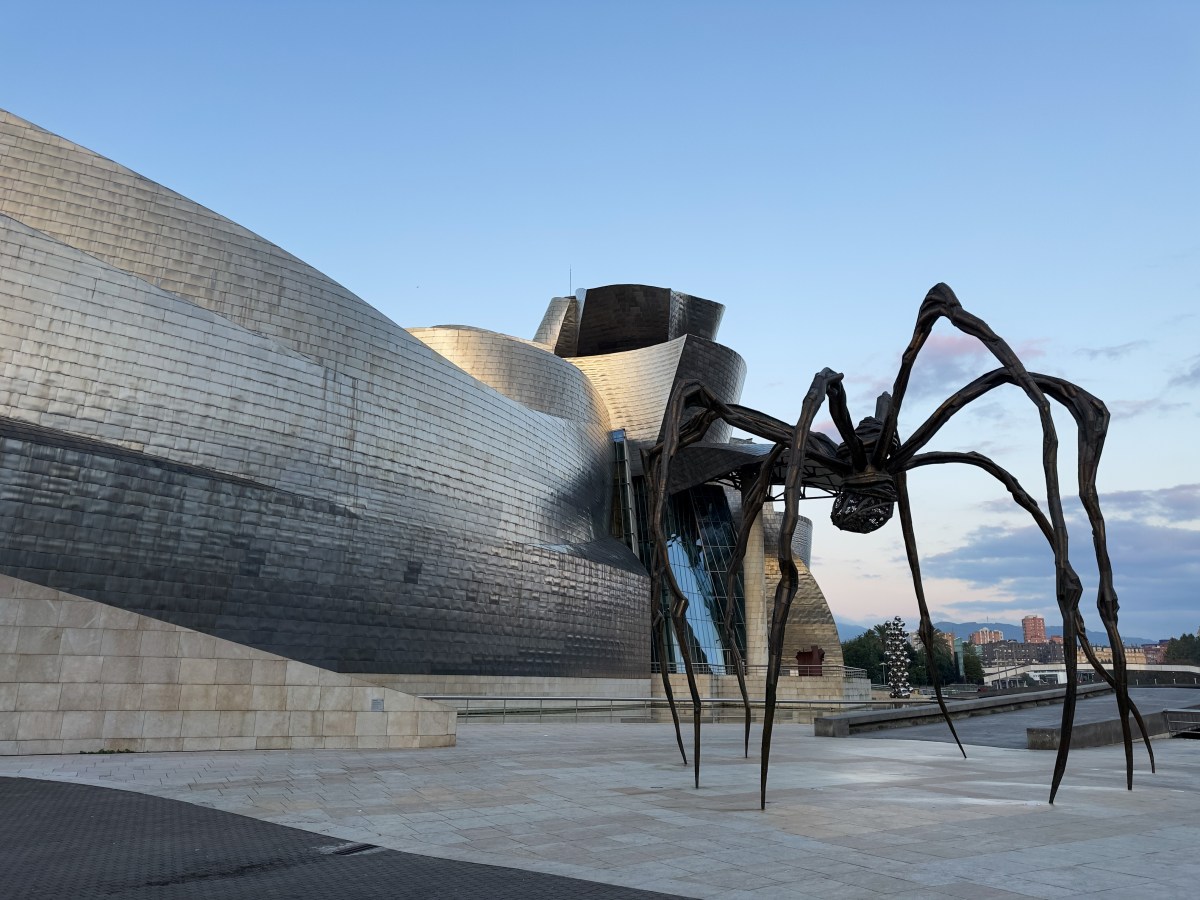
As you approach the sculpture, you’ll be greeted by an awe-inspiring sight. Standing at an impressive height of over 30 feet (9 meters), Maman is a larger-than-life representation of a spider. The word “maman” means “mother” in French, and the sculpture pays homage to the artist’s own mother, who was a weaver.
The first thing you’ll notice about Maman is its size. The sculpture is constructed using sleek, shiny bronze and stainless steel, which gives it a striking appearance against the backdrop of Bilbao’s urban landscape. The spider’s long, spindly legs extend outward, creating an intricate web-like structure that envelops the space around it.
One of the most fascinating aspects of Maman is the giant egg sac held within the spider’s body. The sac is made up of a translucent material and contains a cluster of marble eggs. This element adds a layer of mystery and symbolism to the sculpture, inviting viewers to ponder the themes of birth, protection, and nurturing.
The placement of Maman is equally important. You’ll find it outside the Guggenheim Museum Bilbao, a world-renowned institution for contemporary art. The sculpture’s presence creates a beautiful juxtaposition with the museum’s modern architecture, showcasing the harmonious blend of art, nature, and urban design.
Visiting Maman is an experience that will leave a lasting impression. Whether you’re an art enthusiast or simply curious about extraordinary works of art, this sculpture offers a unique opportunity to engage with contemporary art in a thought-provoking and visually stunning way. Don’t miss the chance to witness the majesty of Maman when you visit Bilbao.
Details
48009 Bilbao, Biscay, Spain
Photos


Nearby Sights
Guggenheim Museum
Designed by the acclaimed architect Frank Gehry, the museum’s distinctive structure is a work of art in itself. The building’s titanium-clad exterior reflects light and…
Puppy
Created by renowned artist Jeff Koons, Puppy is a larger-than-life sculpture that stands approximately 12 meters tall. The sculpture depicts a West Highland White Terrier…
Puente de La Salve
Located in the heart of Bilbao, the Puente de La Salve spans the Nervión River, connecting the central part of the city with the newer…
Other Sights
Bilbao
Bilbao, located in the northern region of Spain called the Basque Country, is a vibrant city that offers a unique blend of history, culture, and modernity. One of the city’s most iconic landmarks is the Guggenheim Museum Bilbao, a masterpiece of contemporary architecture designed by Frank Gehry. Its titanium-clad exterior is a sight to behold,…
Thanks for visiting! I hope you have a great trip.
-
Puppy

Created by renowned artist Jeff Koons, Puppy is a larger-than-life sculpture that stands approximately 12 meters tall. The sculpture depicts a West Highland White Terrier puppy made entirely out of flowers. It’s a breathtaking sight that combines the beauty of nature with the creativity of human artistry.
Puppy is covered in a vibrant and colorful arrangement of flowers, carefully chosen and planted to create an ever-changing display. The flowers cascade down its rounded form, giving the sculpture a sense of life and movement. Depending on the season and time of year, the flowers may change, creating a different visual experience with each visit.
This magnificent artwork is not only a treat for the eyes but also serves as a symbol of joy, love, and hope. The juxtaposition of the adorable puppy and the monumental scale of the sculpture creates a sense of childlike wonder and playfulness. It’s hard to resist smiling when you see this cheerful and welcoming figure.
One of the remarkable aspects of Puppy is its dynamic nature. As time passes, the flowers grow and change, transforming the sculpture’s appearance and adding an element of surprise to each encounter. This ever-evolving quality makes it an engaging piece of art that invites repeated visits and ensures a unique experience every time.
Puppy has become an iconic symbol of Bilbao, capturing the essence of the city’s art scene and its commitment to innovation and creativity. Its location in front of the Guggenheim Museum further enhances its impact, providing a stunning backdrop and a perfect setting for memorable photos.
Details
Mazarredo Zumarkalea, 66, 48009 Bilbo, Bizkaia, Spain
Photos

Nearby Sights
Guggenheim Museum
Designed by the acclaimed architect Frank Gehry, the museum’s distinctive structure is a work of art in itself. The building’s titanium-clad exterior reflects light and…
Maman
The Maman sculpture is a magnificent and captivating art installation that you will find in Bilbao, Spain. Created by the renowned artist Louise Bourgeois, it…
Puente de La Salve
Located in the heart of Bilbao, the Puente de La Salve spans the Nervión River, connecting the central part of the city with the newer…
Bilbao
Bilbao, located in the northern region of Spain called the Basque Country, is a vibrant city that offers a unique blend of history, culture, and modernity. One of the city’s most iconic landmarks is the Guggenheim Museum Bilbao, a masterpiece of contemporary architecture designed by Frank Gehry. Its titanium-clad exterior is a sight to behold,…
Thanks for visiting! I hope you have a great trip.





About Me
The sky is not completely dark at night. Were the sky absolutely dark, one would not be able to see the silhouette of an object against the sky.
Follow Me On
Subscribe To My Newsletter
Subscribe for new travel stories and exclusive content.
 Meticulous Meanderings
You must be logged in to post a comment.