Hello, I’m Veronica
The sky is not completely dark at night. Were the sky absolutely dark, one would not be able to see the silhouette of an object against the sky.


-
Museo del Merletto

The Museo del Merletto, located on the colorful island of Burano, is a charming museum dedicated to the delicate art of Venetian lace-making. Housed in the former Burano Lace School, the museum traces the centuries-old tradition that made Burano lace famous across Europe. Inside, visitors can admire exquisite examples of lace ranging from the 16th to the 20th century, each piece showcasing the remarkable patience, skill, and artistry required to produce such intricate designs. The displays highlight different styles and techniques, allowing you to appreciate how lace evolved over the centuries from simple motifs to elaborate patterns that adorned noble garments, religious vestments, and luxurious home furnishings.
What makes the museum especially engaging is its connection to the living tradition of lace-making on Burano. In addition to the historic displays, visitors often have the chance to watch local lace-makers at work, continuing techniques that have been passed down through generations. This living demonstration brings the history of lace to life and provides a sense of the dedication required for each creation, some of which can take months or even years to complete. Combined with the island’s picturesque setting—famous for its brightly painted houses and tranquil canals—the Museo del Merletto offers not just an artistic and cultural experience, but also an intimate glimpse into one of Venice’s most beloved and enduring crafts.
Photos

Other Sights
Venice
Venice, Italy, is a city unlike any other—a shimmering labyrinth of canals, bridges, and narrow alleyways where every turn seems to reveal a postcard-perfect scene. Built on a network of over 100 small islands in the Venetian Lagoon, it’s a place where boats replace cars and gondolas glide silently past centuries-old palaces. The city’s culture…
Thanks for visiting! I hope you have a great trip.
-
Museo di Palazzo Mocenigo
The Museo di Palazzo Mocenigo offers a fascinating window into the refined world of Venetian aristocracy, with a particular focus on fashion, textiles, and the history of perfume. Housed in an elegant 17th-century palace that once belonged to the noble Mocenigo family, the museum preserves the atmosphere of an aristocratic residence, with richly furnished rooms, original ceilings, and portraits that evoke centuries of Venetian life. Visitors can wander through salons and chambers adorned with period furniture, tapestries, and costumes, gaining a sense of the style and sophistication that defined Venice in the 17th and 18th centuries. The collection highlights the city’s role as a center of textile production and luxury goods, showcasing rare fabrics, ceremonial garments, and accessories that reveal the artistry and craftsmanship of Venetian fashion.
One of the museum’s most unique features is its section dedicated to the history of perfume, reflecting Venice’s importance in the trade and production of fragrances during the Renaissance. Interactive displays and historic objects illustrate the evolution of perfumery, from the import of exotic raw materials to the creation of scents that were prized by European courts. Visitors can learn about traditional distillation techniques, view rare bottles and flacons, and even experience some of the fragrances themselves. This multisensory approach, combined with the palace’s authentic setting, makes the Museo di Palazzo Mocenigo a particularly engaging experience. For anyone interested in the elegance of Venetian society and the luxurious arts that shaped it, the museum offers an intimate and richly detailed journey into the city’s cultural heritage.
Photos


Other Sights
Venice
Venice, Italy, is a city unlike any other—a shimmering labyrinth of canals, bridges, and narrow alleyways where every turn seems to reveal a postcard-perfect scene. Built on a network of over 100 small islands in the Venetian Lagoon, it’s a place where boats replace cars and gondolas glide silently past centuries-old palaces. The city’s culture…
Thanks for visiting! I hope you have a great trip.
-
Scuola Grande di San Rocco
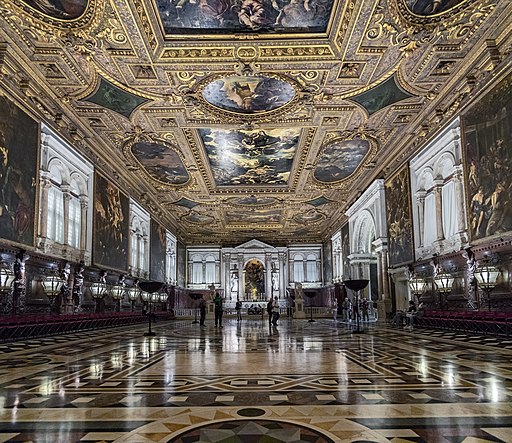
The Scuola Grande di San Rocco is one of Venice’s most extraordinary artistic treasures, renowned for its breathtaking cycle of paintings by Tintoretto. Founded in the 16th century as a confraternity dedicated to San Rocco, the patron saint of plague victims, the building quickly became a place of devotion, charity, and civic pride. Today, visitors enter a richly decorated space where almost every surface is alive with Tintoretto’s dramatic vision. The vast Sala Superiore is particularly awe-inspiring, with its soaring ceiling and walls covered in biblical scenes painted with striking light, shadow, and energy. These works, created over more than two decades, are often considered Tintoretto’s masterpiece and one of the most important pictorial ensembles in Europe.
Beyond the grandeur of Tintoretto’s paintings, the Scuola itself is a masterpiece of Venetian architecture and craftsmanship. The richly carved woodwork, gilded details, and marble floors add to the sense of opulence and reverence. The smaller Sala dell’Albergo houses Tintoretto’s powerful Crucifixion, a monumental painting that many regard as one of the greatest religious works of the Renaissance. Walking through the building feels like stepping into a spiritual and artistic journey, where devotion and creativity merge into a space of profound beauty. For those who wish to experience Venetian art at its most intense and theatrical, the Scuola Grande di San Rocco offers an unforgettable encounter.
Photos



Venice
Venice, Italy, is a city unlike any other—a shimmering labyrinth of canals, bridges, and narrow alleyways where every turn seems to reveal a postcard-perfect scene. Built on a network of over 100 small islands in the Venetian Lagoon, it’s a place where boats replace cars and gondolas glide silently past centuries-old palaces. The city’s culture…
Thanks for visiting! I hope you have a great trip.
-
Museo Fortuny
The Museo Fortuny is one of Venice’s most atmospheric and distinctive museums, set within a 15th-century Gothic palazzo that was once the home and studio of the Spanish artist and designer Mariano Fortuny. Stepping inside feels like entering a world suspended in time, where art, fashion, photography, and stage design blend seamlessly under Fortuny’s visionary touch. The rooms are dimly lit and richly layered, filled with textiles, paintings, and objects that reflect both his eclectic taste and his innovative spirit. Visitors can see examples of his famous silk and velvet creations, experimental lighting designs, and theatrical costumes, all displayed in the evocative surroundings of a historic Venetian palace that still feels alive with creativity.
Unlike more formal museums, Museo Fortuny invites visitors to wander through spaces that retain the character of Fortuny’s personal workshop and home, complete with high wooden ceilings, carved beams, and windows that filter the lagoon’s light in magical ways. Temporary exhibitions often complement the permanent collection, showcasing contemporary art, photography, and design in dialogue with Fortuny’s legacy. Together, the setting and its collections create a deeply immersive experience that highlights Venice not just as a city of tradition, but also as a place of constant artistic experimentation. For anyone seeking something beyond the grandeur of palaces and churches, the Museo Fortuny offers a journey into the imagination of one of the city’s most creative minds.
Photos


Venice
Venice, Italy, is a city unlike any other—a shimmering labyrinth of canals, bridges, and narrow alleyways where every turn seems to reveal a postcard-perfect scene. Built on a network of over 100 small islands in the Venetian Lagoon, it’s a place where boats replace cars and gondolas glide silently past centuries-old palaces. The city’s culture…
Thanks for visiting! I hope you have a great trip.
-
Ca’ Rezzonico
Ca’ Rezzonico is one of Venice’s grandest palaces, now transformed into a museum dedicated to the art and culture of the Venetian 18th century. Overlooking the Grand Canal, the palace itself is a masterpiece of baroque and rococo architecture, designed by Baldassare Longhena and later completed by Giorgio Massari. As you step inside, you are greeted with vast, frescoed ballrooms, ornate staircases, and rooms filled with the opulence of the era. The museum’s collections include paintings by Venetian masters such as Giambattista Tiepolo, Canaletto, and Francesco Guardi, alongside exquisite furniture, elaborate chandeliers, and decorative arts that capture the elegance and extravagance of aristocratic life in Venice’s golden age. Walking through its grand halls feels like entering the world of masked balls, private concerts, and lavish banquets.
Beyond its dazzling interiors, Ca’ Rezzonico also offers a more intimate glimpse into everyday Venetian life during the 18th century. Rooms are furnished as they would have been in noble households, creating a sense of authenticity that immerses visitors in the atmosphere of the time. The museum also features a collection of period costumes, delicate porcelain, and an evocative pharmacy with original wooden cabinetry and glass jars. Upstairs, the top floor hosts a rotating schedule of temporary exhibitions, adding a contemporary dimension to the historic setting. From its sweeping views of the Grand Canal to the richness of its collections, Ca’ Rezzonico is both a palace of grandeur and a museum that vividly brings to life the artistic brilliance and refined lifestyle of Venice’s past.
Photos


Venice
Venice, Italy, is a city unlike any other—a shimmering labyrinth of canals, bridges, and narrow alleyways where every turn seems to reveal a postcard-perfect scene. Built on a network of over 100 small islands in the Venetian Lagoon, it’s a place where boats replace cars and gondolas glide silently past centuries-old palaces. The city’s culture…
Thanks for visiting! I hope you have a great trip.


_Mocenigo_Palace-Museum_seen_from_Ca%27_Pesaro.jpg)


_Palazzo_Mocenigo_-_Portego_-_Portrait_de_Giovanni_Tommaso_Mocenigo.jpg)
.jpg)

_-_Il_Salone_Maggiore.jpg)
_-_Collection_-_Annunciazione_del_Tiziano.jpg)

_Mariano_Fortuny_y_Madrazo_-_Self-Portrait,_1947_-_Fortuny_Museum.jpg)

_Cortile_interno_del_palazzo_Fortuny.jpg)
.jpg)
_Ca%27_Rezzonico_ballroom_chandelier.jpg)


About Me
The sky is not completely dark at night. Were the sky absolutely dark, one would not be able to see the silhouette of an object against the sky.
Follow Me On
Subscribe To My Newsletter
Subscribe for new travel stories and exclusive content.
 Meticulous Meanderings
You must be logged in to post a comment.