
Hello, I’m Veronica
The sky is not completely dark at night. Were the sky absolutely dark, one would not be able to see the silhouette of an object against the sky.


-
Trinity Church

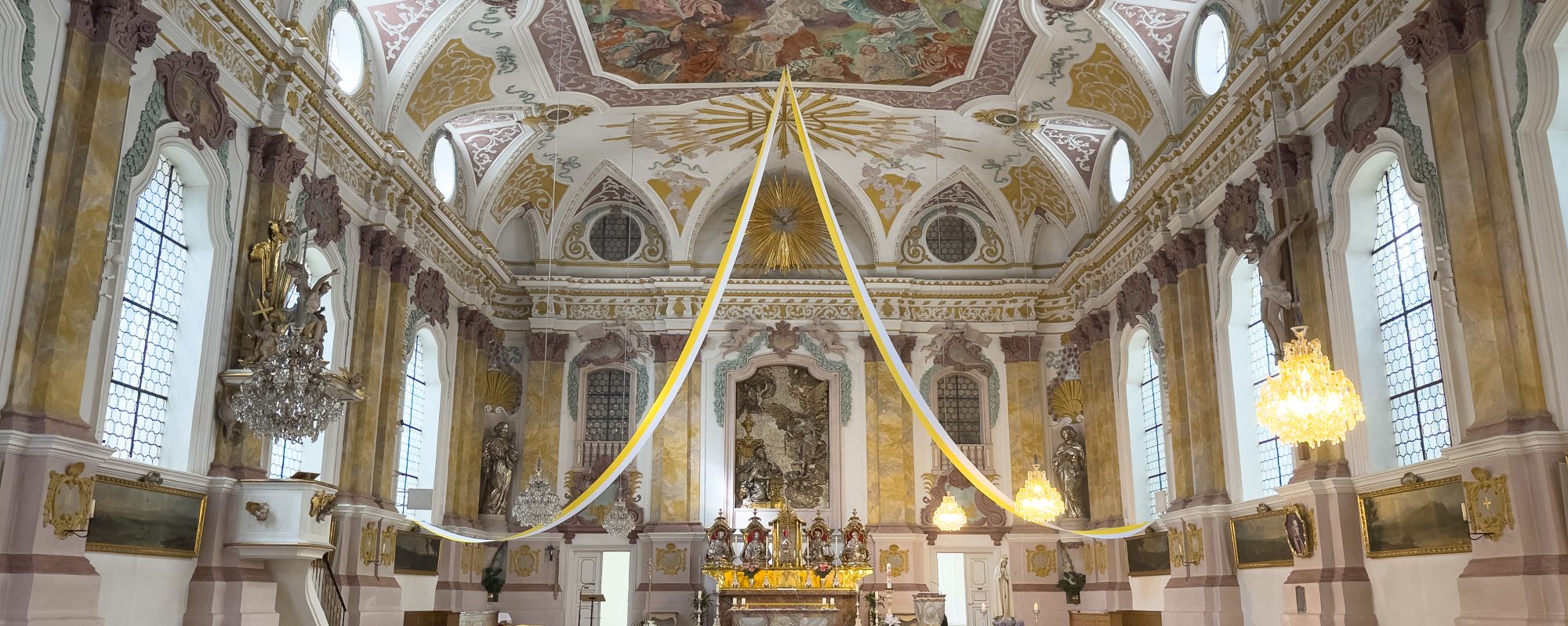
The Trinity Church (Dreieinigkeitskirche) in Regensburg is a stunning example of Protestant Baroque architecture and a hidden gem for visitors exploring the city’s rich religious and cultural heritage. Built between 1627 and 1631, it is one of the oldest Lutheran churches in Bavaria, standing as a symbol of the Reformation’s influence in the region. Unlike the more ornate Catholic churches of Regensburg, Trinity Church features a simpler yet elegant interior, emphasizing the Protestant focus on sermon and scripture.
One of the church’s highlights is its magnificent wooden ceiling, which adds warmth and grandeur to the space, along with the beautifully carved pulpit and altar. The tall bell tower is another standout feature, offering a breathtaking panoramic view of Regensburg for those willing to climb its steps. From the top, you can take in a stunning vista of the medieval rooftops, the Danube River, and landmarks like St. Peter’s Cathedral and the Stone Bridge.
Located in the heart of Regensburg’s Old Town, Trinity Church is a peaceful retreat from the bustling streets and a must-visit for those interested in architecture, history, and religious heritage. Whether you admire its unique Protestant design, attend a concert or service, or climb the tower for an unforgettable view, this church offers a rewarding and enriching experience.
Visit Notes
The tower in this church is a pretty easy climb and not at all terrifying at the top, so I recommend it for anyone with the ability to climb stairs. There’s a small fee to climb the tower (the church is free), but I think it was worth it. The church itself is quite pretty if not overly spectacular, but I particularly enjoyed the small cemetery out back. I have a weird thing for cemetery iconography, so maybe not everyone would enjoy it as much as I did. Even so, it’s worth taking a few minutes to stroll through both the church and the cemetery.
Photos


Regensburg
Regensburg is one of Germany’s most beautiful and well-preserved medieval cities, offering visitors a rich blend of history, architecture, and charm. Located along the Danube River in Bavaria, it is a UNESCO World Heritage Site, known for its stunning medieval old town, vibrant cultural scene, and Roman roots. Walking through its narrow, cobbled streets feels…
Thanks for visiting! I hope you have a great trip.
-
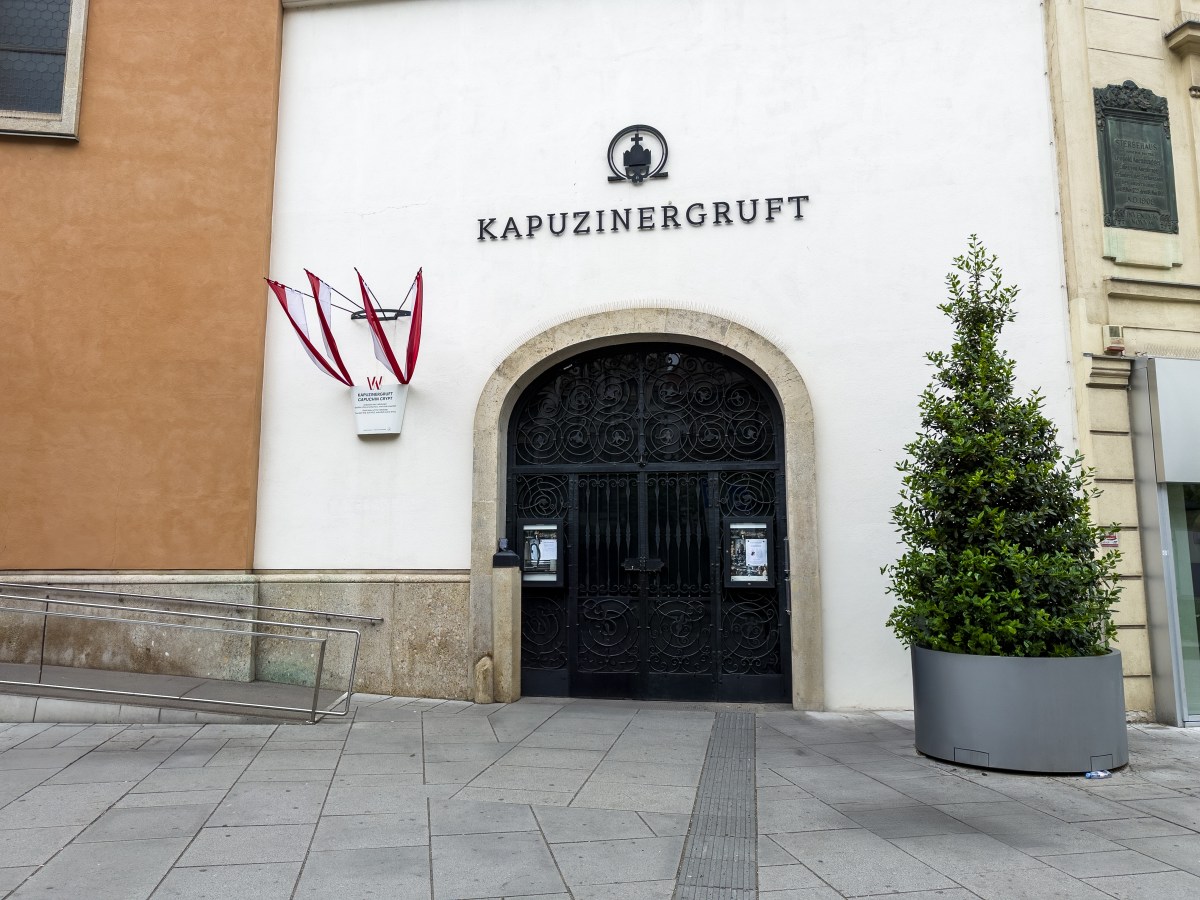
Imperial Crypt

The Imperial Crypt (Kapuzinergruft or Kaisergruft) in Vienna is one of the most fascinating and solemn sites for those interested in the history of the Habsburg dynasty. Located beneath the Capuchin Church, just a short walk from the Hofburg Palace, this burial site has served as the final resting place of Austrian emperors, empresses, and other members of the Habsburg family for over 400 years. The crypt houses over 150 ornate sarcophagi, many of them elaborately designed in Baroque and Rococo styles, reflecting the power and prestige of one of Europe’s most influential royal families.
Among the most notable tombs is that of Empress Maria Theresa, whose grand double sarcophagus—shared with her husband, Emperor Franz I—stands as a masterpiece of imperial craftsmanship. Visitors can also pay their respects at the modest yet moving tomb of Emperor Franz Joseph I, alongside his beloved wife, Empress Elisabeth (Sisi), and their son, Crown Prince Rudolf. The crypt’s dimly lit, atmospheric halls create a contemplative space where visitors can reflect on the legacy, triumphs, and tragedies of the Habsburgs. Whether you’re a history enthusiast or simply seeking a unique and poignant experience in Vienna, the Imperial Crypt offers a rare glimpse into Austria’s imperial past and its most famous ruling family.
Photos


Vienna
Vienna, the capital of Austria, is a city that effortlessly blends its rich history, cultural heritage, and modern vibrancy, making it a must-visit destination for anyone interested in art, music, architecture, or history. The city’s historic heart is the Hofburg Palace, a monumental complex that once served as the residence of the Austrian monarchy. Vienna…
Thanks for visiting! I hope you have a great trip.
-
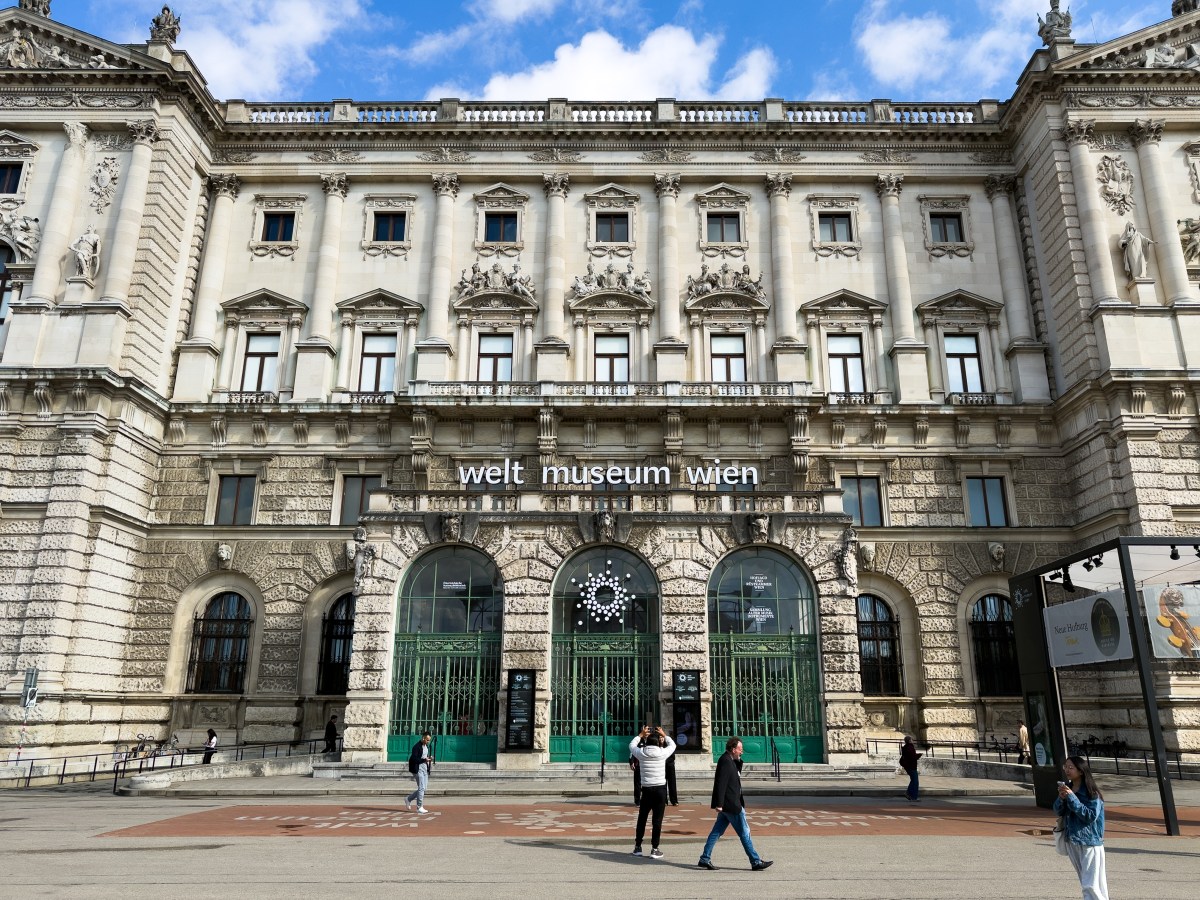
Weltmuseum Wien
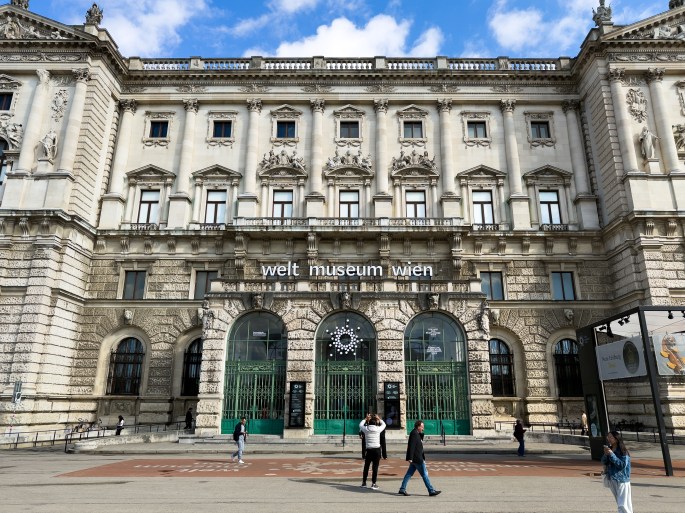
The Weltmuseum Wien is one of Europe’s most important ethnographic museums, offering a fascinating journey through diverse cultures from around the world. Located within the Hofburg Palace, this beautifully curated museum showcases an extensive collection of artifacts, textiles, weapons, and historical objects from Asia, Africa, the Americas, and Oceania. Its origins date back to the 16th century, when the Habsburgs began collecting rare and exotic items from their global explorations.
One of the museum’s highlights is the famous feathered headdress of Moctezuma, believed to have belonged to the last Aztec emperor. Other treasures include intricate Japanese samurai armor, rare Buddhist sculptures, and stunning South Pacific artifacts. The museum also presents thought-provoking exhibitions on colonial history, cultural exchange, and the impact of globalization.
With its modern and engaging displays, the Weltmuseum offers a deeper understanding of world cultures and histories in an immersive setting. Whether you’re passionate about anthropology, history, or simply love exploring different cultures, this hidden gem in Vienna is well worth a visit. Plus, its location in the Hofburg complex makes it easy to combine with other iconic sights like the Imperial Treasury or the Spanish Riding School.
Photos


Other Sights
Vienna
Vienna, the capital of Austria, is a city that effortlessly blends its rich history, cultural heritage, and modern vibrancy, making it a must-visit destination for anyone interested in art, music, architecture, or history. The city’s historic heart is the Hofburg Palace, a monumental complex that once served as the residence of the Austrian monarchy. Vienna…
Thanks for visiting! I hope you have a great trip.
-
Kunsthistoriches Museum Wien
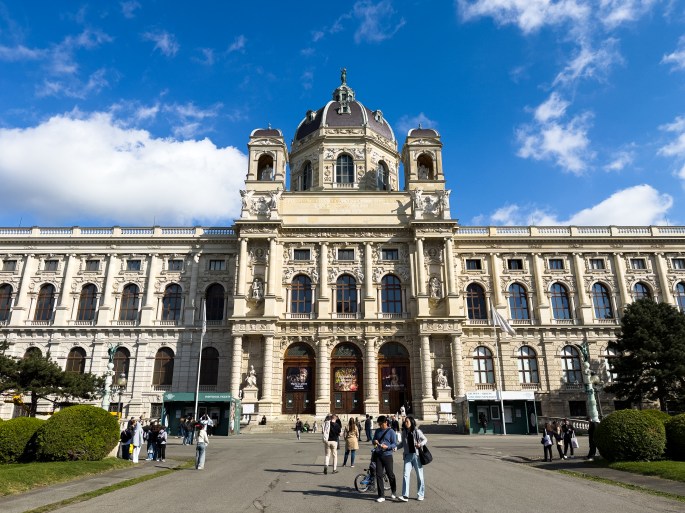
The Kunsthistorisches Museum Wien (KHM) is one of the world’s greatest art museums and an absolute must-visit for anyone traveling to Vienna. Located on Maria-Theresien-Platz, this grand museum was commissioned by Emperor Franz Joseph I in the late 19th century to house the Habsburgs’ vast art collection. The building itself is a masterpiece of neo-Renaissance architecture, with a grand central dome, elegant marble staircases, and ornate gold detailing that make it as much a work of art as the treasures it holds.
Inside, visitors will find an unrivaled collection of European masterpieces, including works by Titian, Raphael, Rembrandt, Rubens, and Vermeer. One of its highlights is the world’s largest collection of paintings by Pieter Bruegel the Elder, including his famous Hunters in the Snow and The Tower of Babel. The museum also boasts an extraordinary Egyptian and Near Eastern Collection, filled with mummies, sarcophagi, and ancient artifacts, as well as an impressive Greek and Roman antiquities section. Another highlight is the Kunstkammer, or Cabinet of Wonders, where visitors can admire intricately crafted objects, including the famous Saliera (a gold and enamel salt cellar by Benvenuto Cellini).
Beyond its stunning collections, the KHM offers an immersive journey through history and artistic excellence, making it a paradise for art lovers, history buffs, and casual visitors alike. Whether you spend hours admiring Old Masters or simply take in the museum’s breathtaking architecture, this cultural gem is one of Vienna’s top attractions.
Fancy a meal?
The Café-Restaurant in the Kunsthistorisches Museum Wien is an experience in itself, offering visitors the chance to dine in one of the most breathtaking museum cafés in the world. Located directly beneath the museum’s grand central dome, the café is set in an opulent neo-Renaissance hall, adorned with intricate stucco work, marble columns, and gilded details. The stunning ceiling frescoes and soft natural light filtering through the dome create an atmosphere of pure sophistication.
The menu features a selection of classic Viennese dishes, including Wiener Schnitzel, goulash, and seasonal specialties, as well as a variety of salads and lighter options. Of course, no visit to a Viennese café is complete without indulging in a slice of Sachertorte, Apfelstrudel, or Esterházy cake, all served with expertly brewed coffee. In the afternoon, the café also offers a traditional Austrian coffeehouse experience, where guests can relax with a Melange or Einspänner while soaking in the museum’s grandeur.
You will need a valid museum ticket to dine, and it’s recommended to get reservations in advance.
Photos


Vienna
Vienna, the capital of Austria, is a city that effortlessly blends its rich history, cultural heritage, and modern vibrancy, making it a must-visit destination for anyone interested in art, music, architecture, or history. The city’s historic heart is the Hofburg Palace, a monumental complex that once served as the residence of the Austrian monarchy. Vienna…
Thanks for visiting! I hope you have a great trip.
-
Austrian National Library
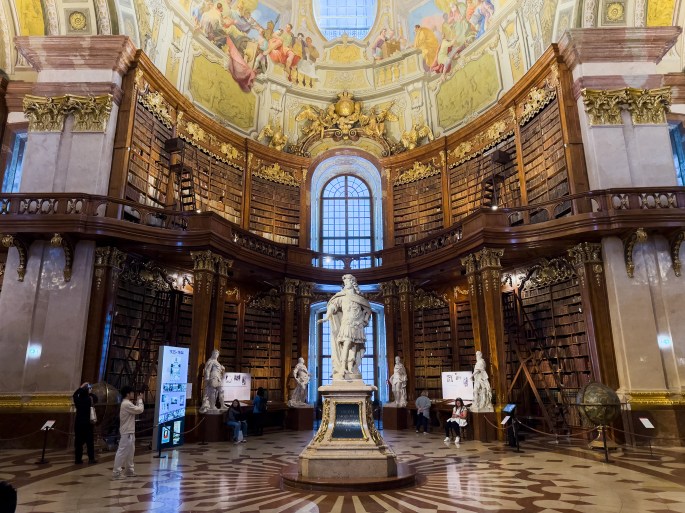
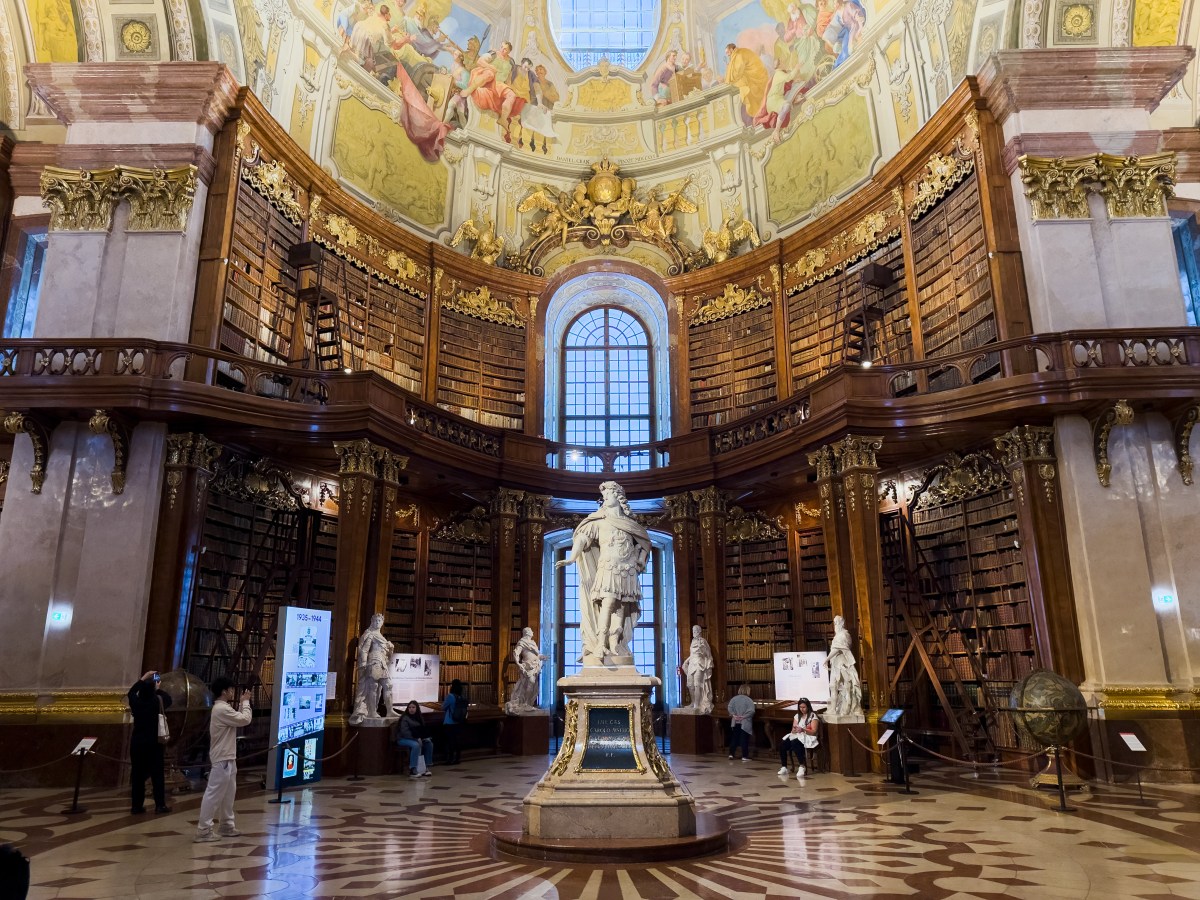
The Austrian National Library in Vienna is a breathtaking destination for book lovers, history enthusiasts, and architecture admirers alike. Located within the Hofburg Palace, it is one of the most beautiful and historically significant libraries in the world. The highlight is the State Hall (Prunksaal), an opulent Baroque masterpiece adorned with grand frescoes, towering wooden bookshelves, and life-sized marble statues. Built in the early 18th century under Emperor Charles VI, the hall exudes imperial grandeur, with a vast collection of rare books, manuscripts, and historical globes. Walking through its halls feels like stepping into a scene from a fairytale. Beyond its aesthetic beauty, the library also houses valuable historical collections, including ancient maps, papyrus manuscripts, and even the personal library of Prince Eugene of Savoy. Located in the heart of Vienna, just steps from Heldenplatz and the Hofburg complex, the Austrian National Library offers a mesmerizing glimpse into Austria’s literary and intellectual heritage. Whether you’re drawn by the architecture, the history, or simply the chance to experience one of the world’s most stunning libraries, this is a must-visit spot in Vienna.
Photos


Vienna
Vienna, the capital of Austria, is a city that effortlessly blends its rich history, cultural heritage, and modern vibrancy, making it a must-visit destination for anyone interested in art, music, architecture, or history. The city’s historic heart is the Hofburg Palace, a monumental complex that once served as the residence of the Austrian monarchy. Vienna…
Thanks for visiting! I hope you have a great trip.









About Me
The sky is not completely dark at night. Were the sky absolutely dark, one would not be able to see the silhouette of an object against the sky.
Follow Me On
Subscribe To My Newsletter
Subscribe for new travel stories and exclusive content.
 Meticulous Meanderings
You must be logged in to post a comment.