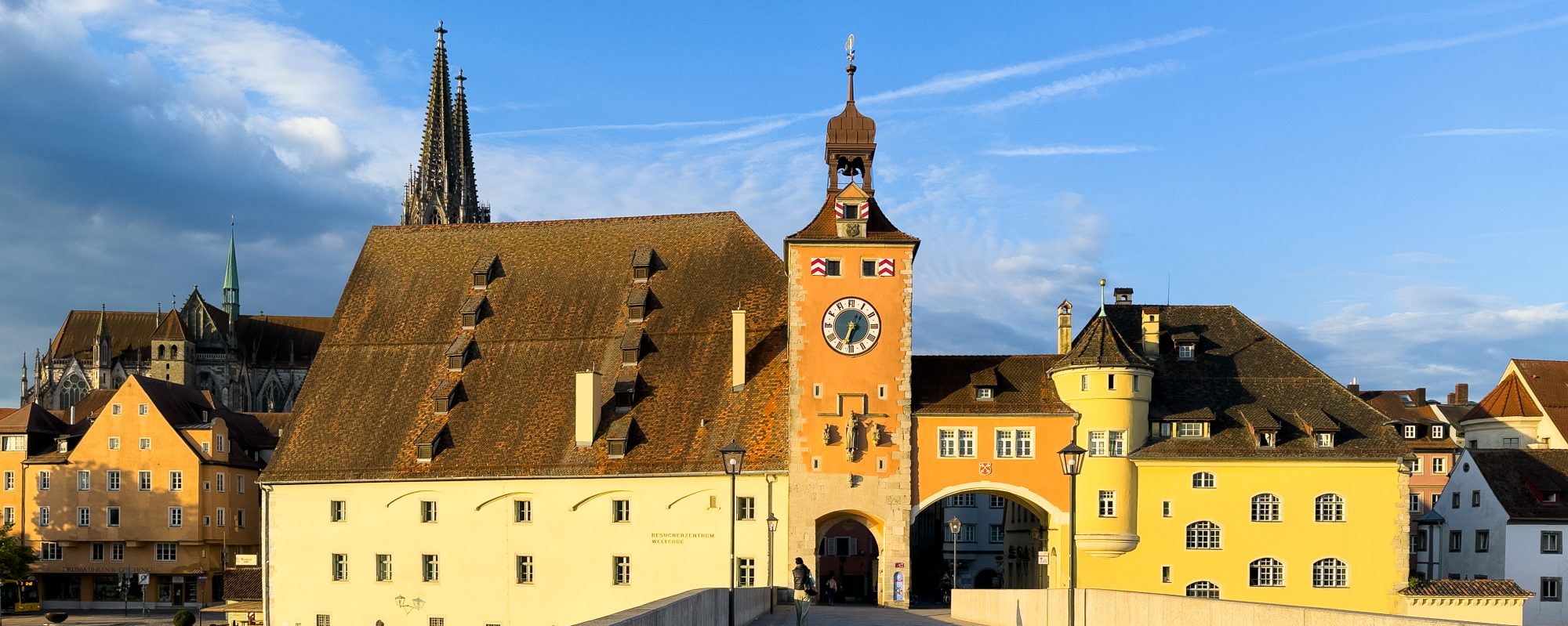

Hello, I’m Veronica
The sky is not completely dark at night. Were the sky absolutely dark, one would not be able to see the silhouette of an object against the sky.


-
Plaza de Zorrilla

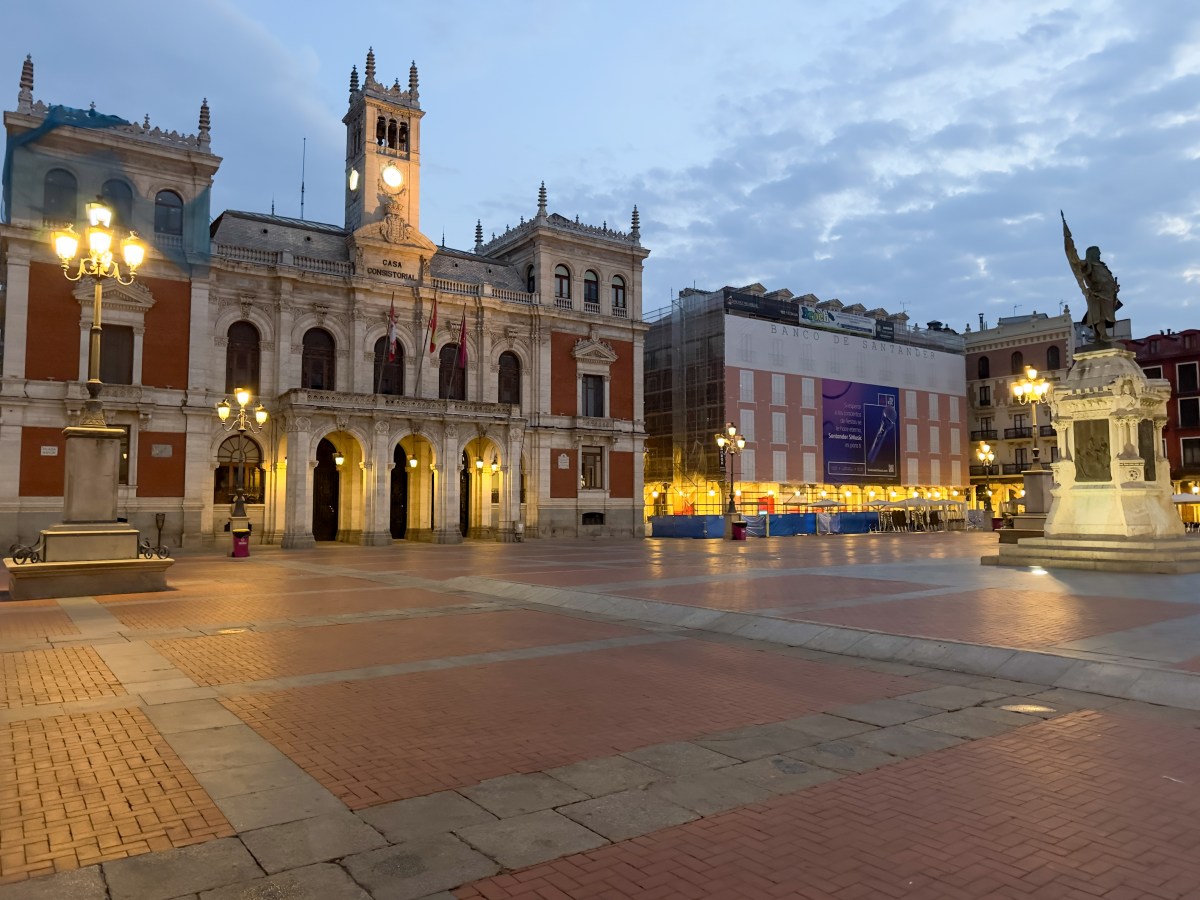
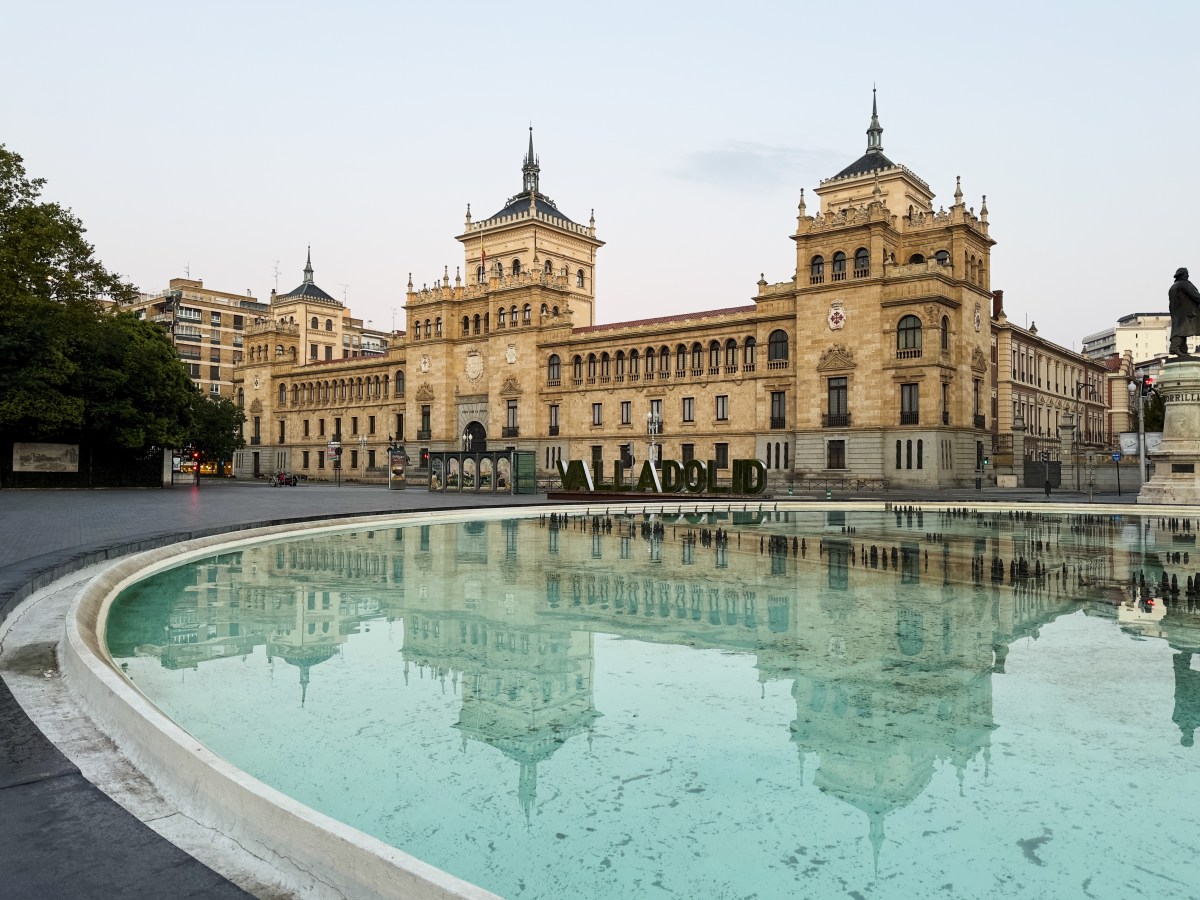
The Plaza de Zorrilla is a prominent and bustling square located at the heart of Valladolid, a historic city in the Castile and León region of Spain. This square holds great cultural, historical, and social significance, making it a must-visit destination for both locals and tourists.
As you step into the Plaza de Zorrilla, you’ll be greeted by an open and spacious area adorned with elegant architecture, including charming buildings and statues that reflect the city’s rich history. One of the most eye-catching features of the square is the imposing Monument to José Zorrilla, a famous Spanish poet and playwright who hailed from Valladolid. The monument serves as a tribute to his contributions to literature and the arts.
Surrounding the square, you’ll find a mix of shops, cafes, and restaurants where you can immerse yourself in the local culture and cuisine. This makes it an excellent spot to relax, enjoy a cup of coffee, or savor delicious Spanish dishes while people-watching and taking in the vibrant atmosphere.
The Plaza de Zorrilla is not only a hub for leisure but also a central point for transportation, making it convenient to explore the rest of Valladolid. From here, you can easily access other iconic landmarks and attractions that the city has to offer, such as the Valladolid Cathedral, the National Museum of Sculpture, and the historic Plaza Mayor.
Details
P.º de Zorrilla, 47001 Valladolid, Spain
Photos


Other Sights
Valladolid
Valladolid, located in the heart of Spain, is a captivating city with a rich history, charming architecture, and a vibrant cultural scene that makes it an ideal destination for travelers seeking an authentic Spanish experience. Historical Heritage: As one of the oldest cities in Spain, Valladolid boasts a plethora of historical sites and landmarks. The…
Thanks for visiting! I hope you have a great trip.
-
Iglesia Conventual de San Pablo
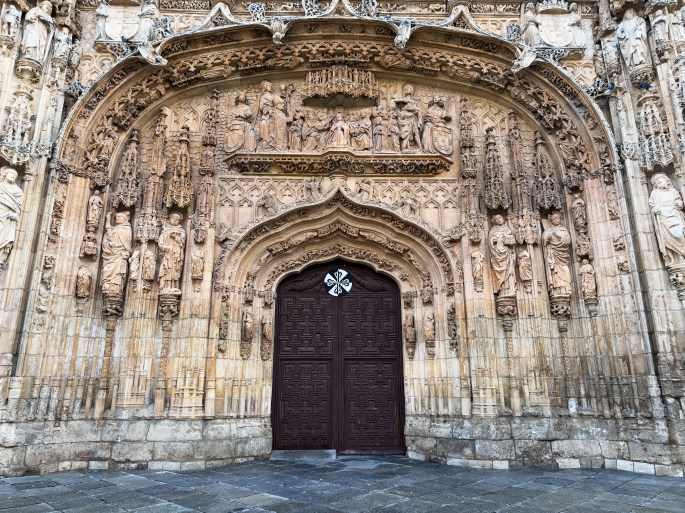
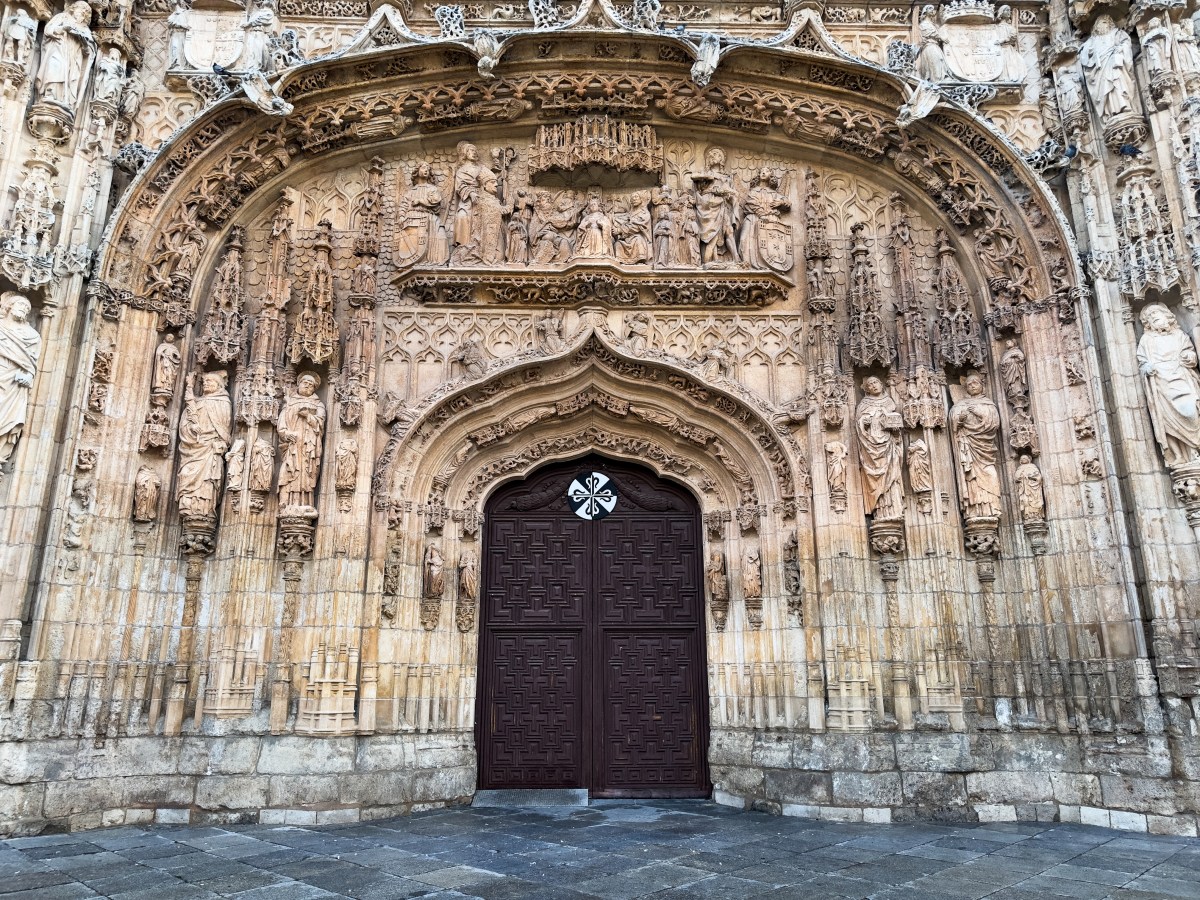
The history of the Iglesia Conventual de San Pablo dates back to the 15th century. Construction of the church began in 1445 under the patronage of the Catholic Monarchs, King Ferdinand II of Aragon and Queen Isabella I of Castile. The purpose of its construction was to serve as a Dominican monastery.
The church, situated near the heart of Valladolid, played a vital role in the religious and cultural life of the city over the centuries. Many notable figures from Spanish history have been associated with the church, adding to its historical importance.
The architecture of the Iglesia Conventual de San Pablo is a stunning blend of different styles, showcasing the evolution of architectural trends over the centuries.
Gothic Style: The initial construction of the church embraced the Gothic style, characterized by pointed arches and ribbed vaults. The elegant lines and soaring height of the nave are typical of this period.
Renaissance Influence: As the construction progressed, the Renaissance influence began to take hold, infusing the church with elements like pilasters, classical columns, and geometric patterns. The altarpiece, considered one of the most remarkable in Spain, is an excellent example of Renaissance artistry. It was created by Juan de Juni and Juan de Ancheta, two prominent sculptors of the era.
Baroque Additions: In the 17th century, during the Baroque period, further additions and renovations were made to the church. Elaborate facades, intricate decorations, and exuberant ornamentation were incorporated, giving the church a more theatrical and lavish appearance.
Neoclassical Features: In the 18th century, the Neoclassical style made its presence felt, with some parts of the church undergoing modifications to reflect the classical revival of the time.
Restoration Efforts: Over the centuries, the church has faced its share of challenges, including fires and structural damages. However, concerted restoration efforts have been made to preserve its historical and architectural significance, ensuring that visitors today can still marvel at its grandeur.
When you visit the Iglesia Conventual de San Pablo, you will be treated to a remarkable journey through various architectural styles, each with its unique charm. The grand facade, intricate sculptures, and beautiful altarpiece are bound to leave you awe-inspired.
Photos


Other Sights
Valladolid
Valladolid, located in the heart of Spain, is a captivating city with a rich history, charming architecture, and a vibrant cultural scene that makes it an ideal destination for travelers seeking an authentic Spanish experience. Historical Heritage: As one of the oldest cities in Spain, Valladolid boasts a plethora of historical sites and landmarks. The…
Thanks for visiting! I hope you have a great trip.
-
Pasaje Gutiérrez
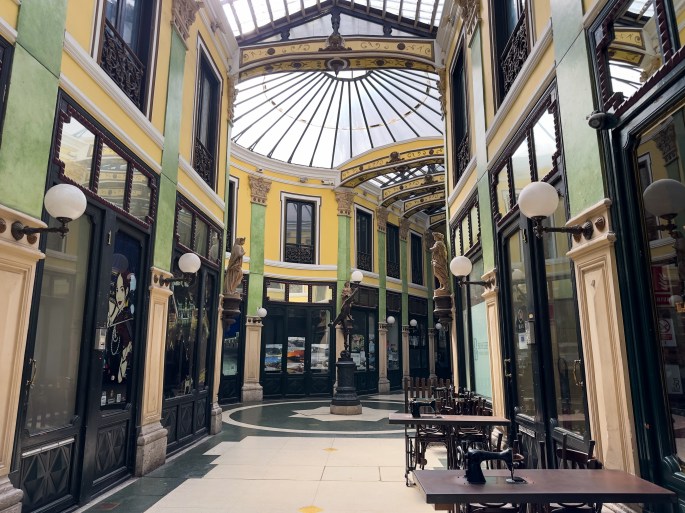
Pasaje Gutiérrez is an elegant 19th-century arcade, known for its unique architecture and charming atmosphere. The passage was built in 1884 and designed by the architect Jerónimo Ortiz de Urbina. Its grand façade and ornate details will instantly transport you back in time.
The passage serves as a commercial hub and is renowned for its boutique shops, quaint stores, and charming cafés. As you walk through the arcade, you’ll find a diverse range of shops selling everything from fashion and accessories to artisanal goods and local crafts. It’s a perfect place to indulge in some retail therapy or find unique souvenirs to take back home.
While exploring Pasaje Gutiérrez, you’ll also encounter some excellent dining options. The passage houses several delightful restaurants and cafes, each offering a variety of delicious Spanish and international cuisines. Whether you’re in the mood for a traditional tapas feast or a cup of coffee with some sweet treats, you’ll find plenty of enticing options to satisfy your taste buds.
The arcade’s design creates a covered walkway that shields visitors from the elements, making it a perfect spot to visit regardless of the weather. Whether it’s a hot summer day or a rainy afternoon, you can comfortably stroll through the passage and enjoy its unique atmosphere.
Details
Pasaje Gutierrez, 6, 47002 Valladolid, Spain
Photos


Valladolid
Valladolid, located in the heart of Spain, is a captivating city with a rich history, charming architecture, and a vibrant cultural scene that makes it an ideal destination for travelers seeking an authentic Spanish experience. Historical Heritage: As one of the oldest cities in Spain, Valladolid boasts a plethora of historical sites and landmarks. The…
Thanks for visiting! I hope you have a great trip.
-
Museo Oriental
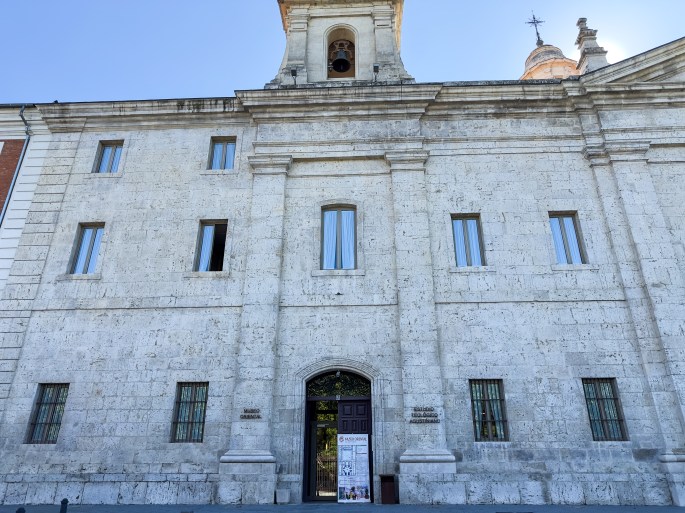
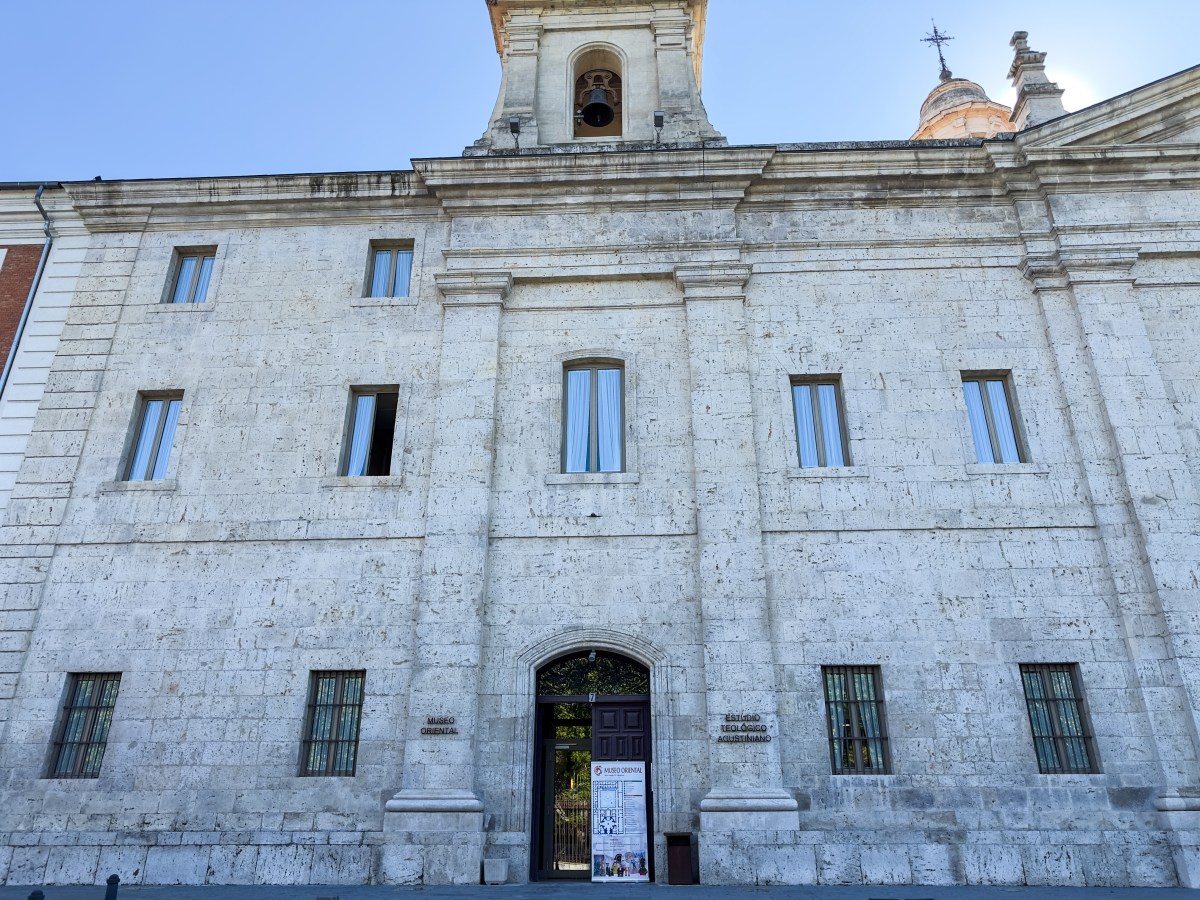
The Museo Oriental is a fascinating cultural institution located within The Royal College of the Augustinian (Colegio de San Gregorio) in Valladolid. The Royal College of the Augustinian itself is an impressive historical building, constructed during the 15th century, and it serves as the perfect setting for this unique museum.
The Museo Oriental is renowned for its remarkable collection of Asian art and artifacts, which spans a wide range of cultures and time periods from various Asian countries. This diverse collection allows visitors to embark on a captivating journey through the art, history, and traditions of Asia. The artifacts were collected by Augustinian missionaries since 1565.
Upon entering the museum, you’ll be greeted by a carefully curated selection of artifacts, including exquisite ceramics, intricately carved sculptures, ancient textiles, and delicate paintings. The museum’s exhibits offer insights into the rich cultural heritage of countries such as China, Japan, India, Korea, and more.
One of the highlights of the Museo Oriental is its exceptional display of traditional Asian craftsmanship. The attention to detail in the artwork and the use of vibrant colors will undoubtedly leave you in awe. You’ll have the opportunity to discover the symbolism behind each piece and gain a deeper understanding of the traditions that have shaped Asian societies.
The museum not only showcases the artistic side of Asia but also provides a glimpse into the daily lives of its people. You’ll find displays of everyday objects, religious artifacts, and even ancient manuscripts, which shed light on the diverse lifestyles and beliefs of the Asian cultures.
For anyone interested in Asian history or art, the Museo Oriental is a must-visit destination in Valladolid. It’s an enriching experience that offers a unique perspective on the interwoven tapestry of cultures that span across the vast continent of Asia.
Photos


Valladolid
Valladolid, located in the heart of Spain, is a captivating city with a rich history, charming architecture, and a vibrant cultural scene that makes it an ideal destination for travelers seeking an authentic Spanish experience. Historical Heritage: As one of the oldest cities in Spain, Valladolid boasts a plethora of historical sites and landmarks. The…
Thanks for visiting! I hope you have a great trip.
-
Templo do Senhor Bom Jesus da Cruz

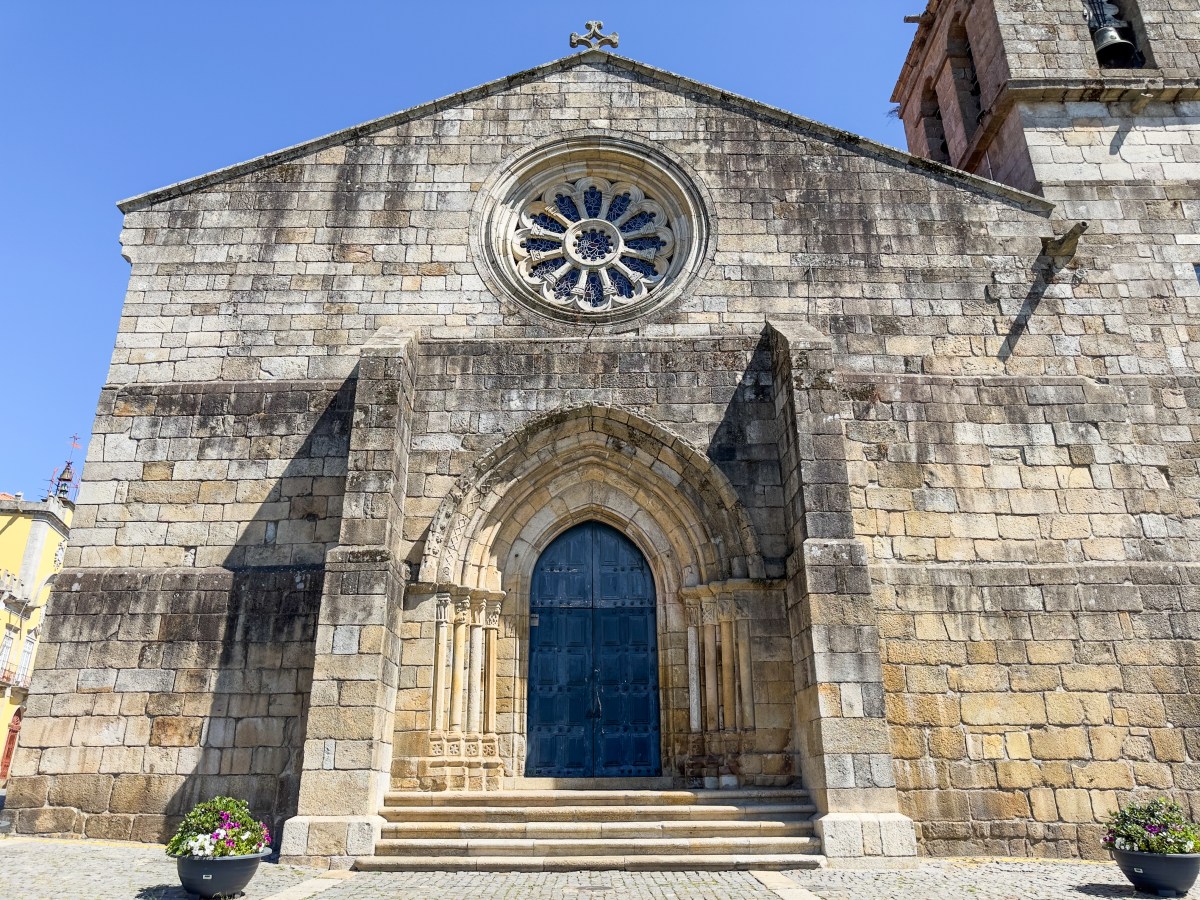
The construction of Templo do Senhor Bom Jesus da Cruz began in the 18th century, with its foundation stone laid on September 14, 1704. The project was initiated by the local Brotherhood of Senhor Bom Jesus da Cruz, a religious association that wanted to build a sanctuary dedicated to the veneration of the Holy Cross. The Brotherhood aimed to create a place of pilgrimage and worship, attracting believers from both Barcelos and surrounding regions.
The architecture of Templo do Senhor Bom Jesus da Cruz is a beautiful example of the Baroque style that was prominent during the church’s construction in the 18th century. The Baroque style is characterized by its elaborate ornamentation, grandeur, and dynamic, sweeping shapes, which were often used to evoke strong emotions and religious awe.
The façade of the church is an impressive sight to behold. It features intricate stonework, sculptures, and decorative elements that showcase the artistic craftsmanship of the time. As you approach the entrance, you’ll be greeted by elaborate carvings depicting religious scenes and figures.
The interior of the church is equally breathtaking. Once you step inside, you’ll be surrounded by stunning gilded woodwork, beautiful paintings, and ornate altars. The main altar is the focal point, dedicated to Senhor Bom Jesus da Cruz (Lord Good Jesus of the Cross), and it is adorned with intricate details that exemplify the devotion and craftsmanship of the era.
The church’s architecture is a perfect reflection of the devotion and spiritual significance it holds for the local community. It has been carefully preserved over the centuries, and visitors can truly immerse themselves in the history and religious fervor of the region.
Photos


Barcelos
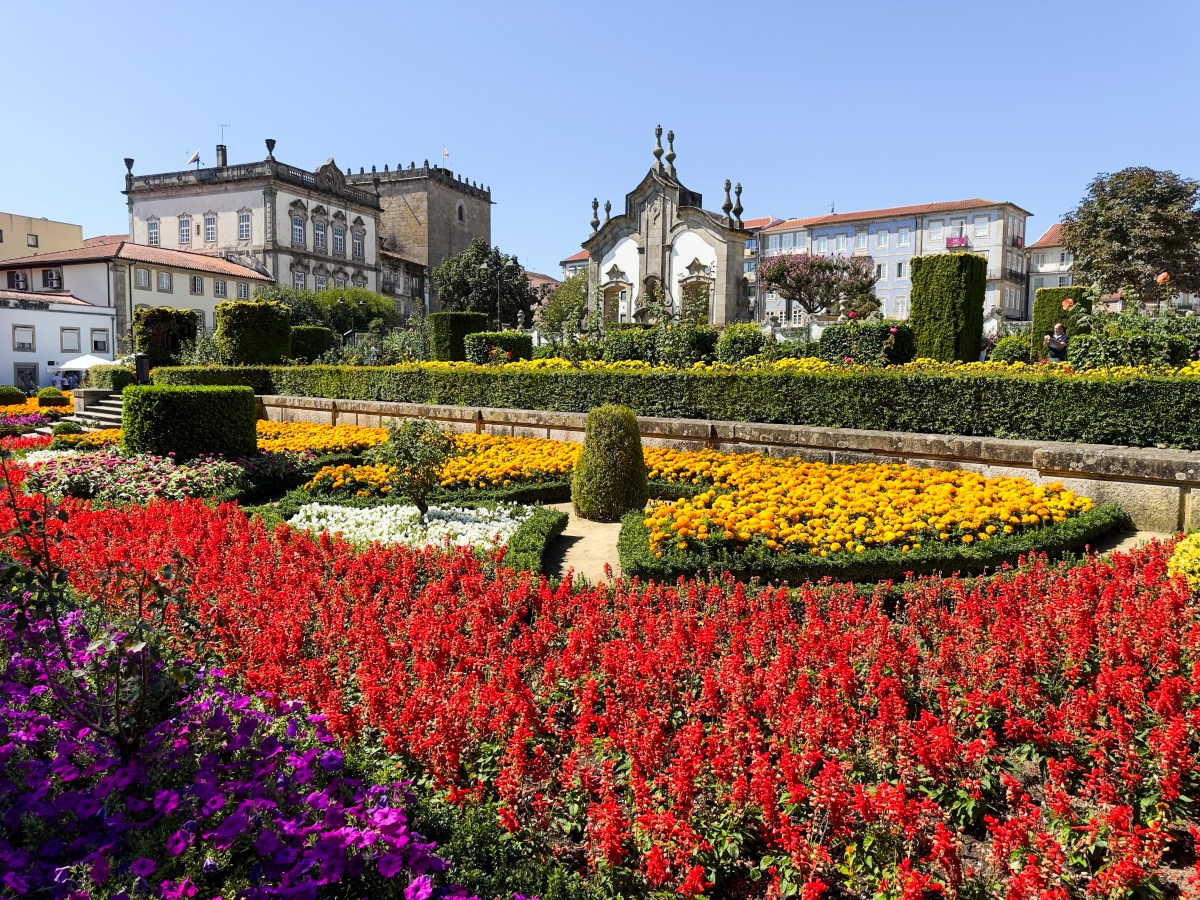
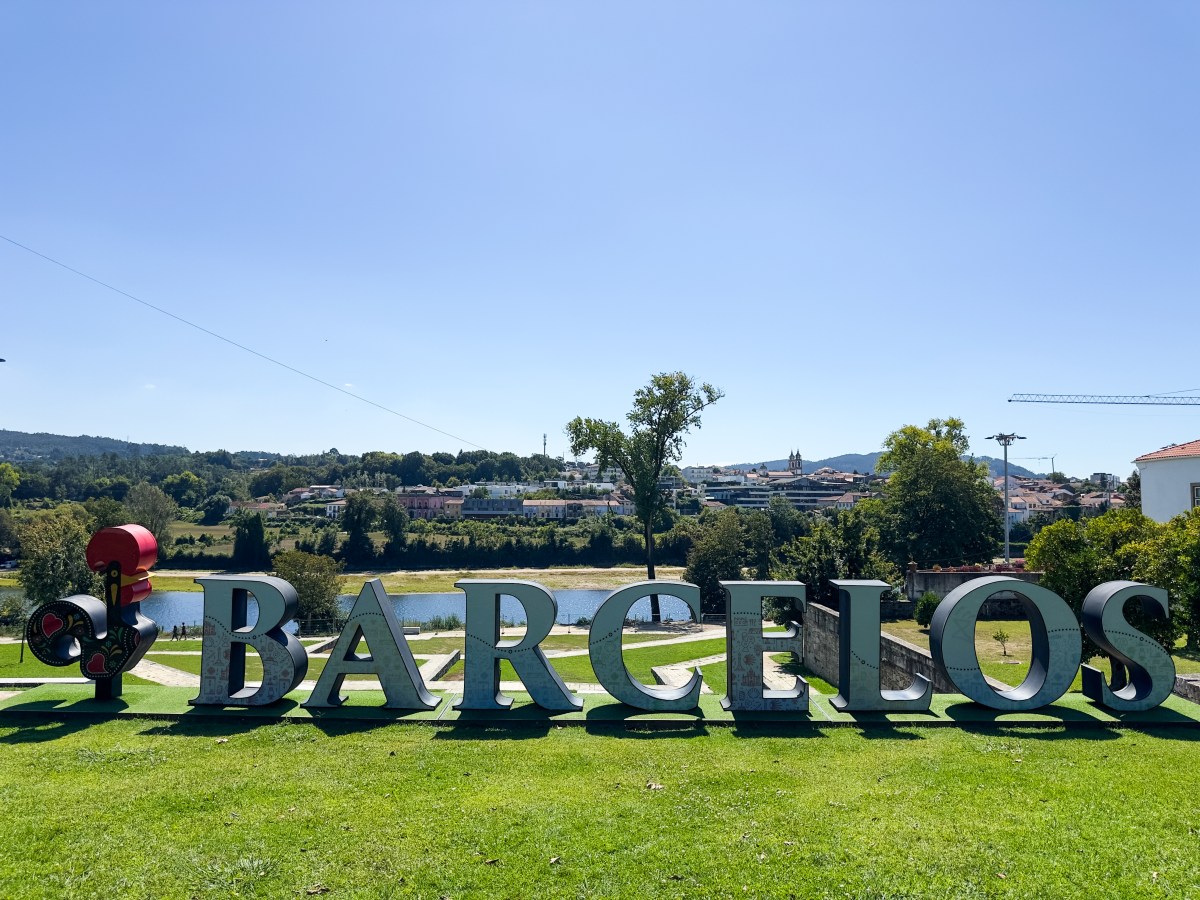
Barcelos is a charming and historic town located in the northwestern part of Portugal, known for its rich cultural heritage, vibrant atmosphere, and picturesque landscapes. Situated in the Braga district, it is just a short drive away from the city of Porto, making it a convenient and popular destination for both locals and tourists. One…
Thanks for visiting! I hope you have a great trip.








About Me
The sky is not completely dark at night. Were the sky absolutely dark, one would not be able to see the silhouette of an object against the sky.
Follow Me On
Subscribe To My Newsletter
Subscribe for new travel stories and exclusive content.
 Meticulous Meanderings
You must be logged in to post a comment.