
Hello, I’m Veronica
The sky is not completely dark at night. Were the sky absolutely dark, one would not be able to see the silhouette of an object against the sky.


-
Iglesia de Santa María del Camino o del Mercado

The Iglesia de Santa María del Camino, also known as Nuestra Señora del Mercado, is a historic Romanesque church located in the heart of León, Spain. Dating back to the 12th century, this church holds significant historical and architectural value. Its dual names reflect its importance along the Camino de Santiago pilgrimage route (“del Camino”) and its proximity to the traditional market square, Plaza del Grano (“del Mercado”).
Architecturally, the church presents a unique irregular basilica floor plan comprising three naves that progressively widen from the entrance to the main altar. The structure has undergone various modifications over the centuries, incorporating Gothic, Renaissance, and Baroque elements alongside its original Romanesque features.
Inside, the 18th-century main altarpiece houses a 15th-century sculpture of the Virgen del Camino. The side altars, crafted by José Suárez Gavilanes, are dedicated to St. Joseph and Saints Francis Xavier and Eloy. Additionally, the Camarín, designed by Manuel de la Lastra Alvear and adorned with 18th-century murals, adds to the church’s artistic appeal.
The church’s exterior retains Romanesque window grilles from the 12th century, featuring intricate spiral designs. Its location adjacent to the cobblestone Plaza del Grano enhances its charm, offering visitors a glimpse into León’s medieval past.
Recognized as a Site of Cultural Interest since 1973, the Iglesia de Santa María del Camino o del Mercado stands as a testament to León’s rich religious and architectural heritage.
Photos


Thanks for visiting! I hope you have a great trip.
-
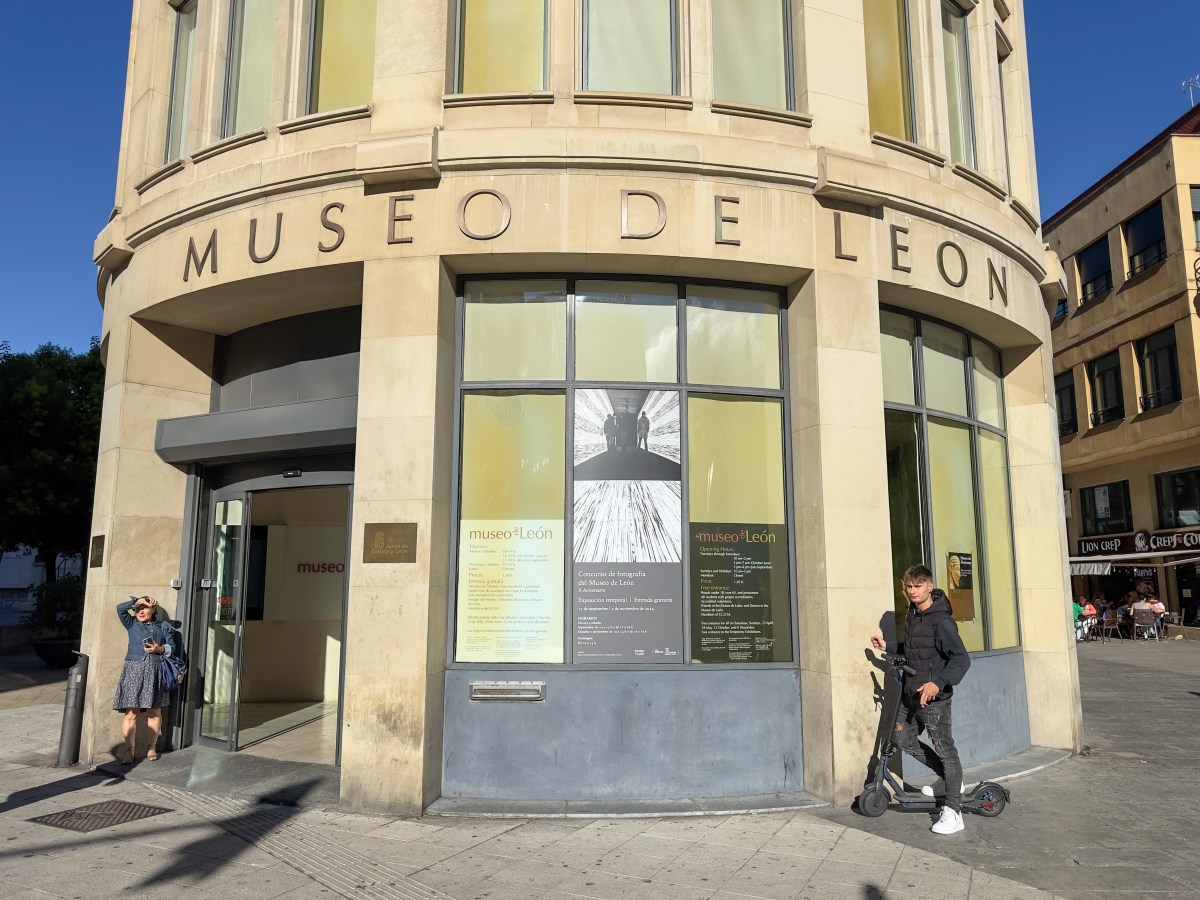
Museo de León

The Museo de León, established in 1869, is the oldest museum in the province and offers visitors a comprehensive journey through the region’s history, culture, and heritage. Its main facility is located in the “Pallarés” building at Plaza de Santo Domingo, 8, in León.
The museum’s extensive collection spans from the Palaeolithic era to contemporary times, encompassing archaeology, fine arts, and ethnography. Notable exhibits include Roman mosaics such as the one depicting Hylas and the Nymphs, medieval artifacts like the Mozarabic Cross of Santiago de Peñalba, and the Romanesque Calvary of Corullón.
In addition to the main building, the museum maintains two annexes: the historic Convent of San Marcos in León, which serves as a monumental annex, and the Roman villa of Navatejera, an archaeological site located a few kilometers away in the municipality of Villaquilambre.
Visitors can explore the museum’s seven well-structured sections, each organized chronologically to provide a clear narrative of León’s evolution through various historical periods.
Whether you’re an archaeology enthusiast, art lover, or history buff, the Museo de León offers a rich and enlightening experience that delves into the diverse cultural tapestry of the region.
Photos


Other Sights
Thanks for visiting! I hope you have a great trip.
-
El Museo del Chocolate

The Museo del Chocolate in Astorga, Spain, is a destination for chocolate lovers and anyone interested in learning about the fascinating history and production of this beloved treat. Situated in the picturesque town of Astorga, known for its rich cultural heritage and stunning architecture, the museum offers a sweet and educational experience for visitors of all ages.
As you step inside the museum, you’ll be greeted by the enticing aroma of chocolate, setting the mood for a mouth-watering adventure. The museum is housed in a beautiful historic building, adding to the charm of the overall experience. The museum’s design and displays are tastefully curated, making it both visually appealing and informative.
Your journey through the Museo del Chocolate begins with an immersive introduction to the history of chocolate. You’ll learn about its origins, dating back to the ancient Mesoamerican civilizations, and how it evolved into the beloved treat it is today. The exhibits take you through the fascinating journey of chocolate’s introduction to Europe and its rise to popularity across the continent.
As you continue your exploration, you’ll encounter a variety of chocolate-related artifacts, historical packaging, and vintage advertisements. These displays provide insight into how chocolate has been marketed and enjoyed over the centuries.
Of course, what would a chocolate museum be without the opportunity to indulge in some delightful treats? The museum’s gift shop offers an array of high-quality chocolates and confections, both traditional and innovative flavors. Don’t miss the chance to sample some of the finest chocolates made right in Astorga.
As you conclude your visit, you’ll likely leave with not only a satisfied sweet tooth but also a newfound appreciation for the art and science behind chocolate-making. The Museo del Chocolate in Astorga offers an experience that combines history, culture, and gastronomy, making it a must-visit destination for anyone with a love for chocolate.
Photos


Astorga
Astorga, Spain, is a charming and historical town located in the province of León, in the northwestern part of the country. Nestled amidst picturesque landscapes, Astorga offers a unique blend of Roman, medieval, and modern influences, making it an ideal destination for travelers seeking both cultural immersion and natural beauty. One of the highlights of…
Thanks for visiting! I hope you have a great trip.
-
Palace of Gaudí

The construction of the palace began in 1889 and was completed in 1915, spanning a period of over two decades. The design and construction were overseen by Antoni Gaudí, who is famous for his iconic works like the Sagrada Família in Barcelona and Casa Batlló. The palace was commissioned by the Bishop of Astorga, Joan Baptista Grau Vallespinós, who wanted a grand residence that would serve as the bishop’s official residence and an administrative center for the Diocese of Astorga.
The Palace of Gaudí Astorga is a stunning example of Gaudí’s unique architectural style, which is characterized by a blend of Gothic and Art Nouveau influences. The palace’s exterior boasts an intricate and ornate facade, with delicate sculptures and a striking use of local materials, such as the pink granite from the nearby town of Valdeorras.
One of the most remarkable features of the palace is its magnificent Episcopal Garden, designed by Gaudí himself. This beautifully landscaped garden adds a touch of serenity and charm to the palace surroundings, making it a perfect spot for a leisurely stroll or a relaxing afternoon.
As you step inside, you’ll be greeted by the lavish interiors, which include intricate woodwork, stained glass windows, and elaborately designed ceilings. The various rooms within the palace showcase a rich collection of religious and historical artifacts, giving visitors a glimpse into the history of the region and its ecclesiastical past.
Visiting the Palace of Gaudí Astorga is not only a journey through time but also a unique opportunity to witness the ingenuity of Antoni Gaudí outside of his more famous works in Barcelona. The combination of architectural brilliance, historical significance, and serene surroundings makes it a must-visit destination for architecture enthusiasts, history buffs, and anyone looking to experience the beauty of Spain’s cultural heritage. Whether you’re an avid admirer of Gaudí’s work or simply a curious traveler, this palace promises a truly memorable and inspiring visit.
Visit Notes
The palace is one of the best things to do in Astorga, so if you’re in town, you should absolutely add it to your itinerary. There are a couple of different options for self-guided tours at the palace. I highly recommend the tour that takes you to the attic and the roof. It was interesting to see the roof structure and even better to go out on the roof and get a bird’s eye view of Astorga and the cathedral.
Photos


Other Sights
Astorga
Astorga, Spain, is a charming and historical town located in the province of León, in the northwestern part of the country. Nestled amidst picturesque landscapes, Astorga offers a unique blend of Roman, medieval, and modern influences, making it an ideal destination for travelers seeking both cultural immersion and natural beauty. One of the highlights of…
Thanks for visiting! I hope you have a great trip.
-
Cathedral of Santa María de Astorga
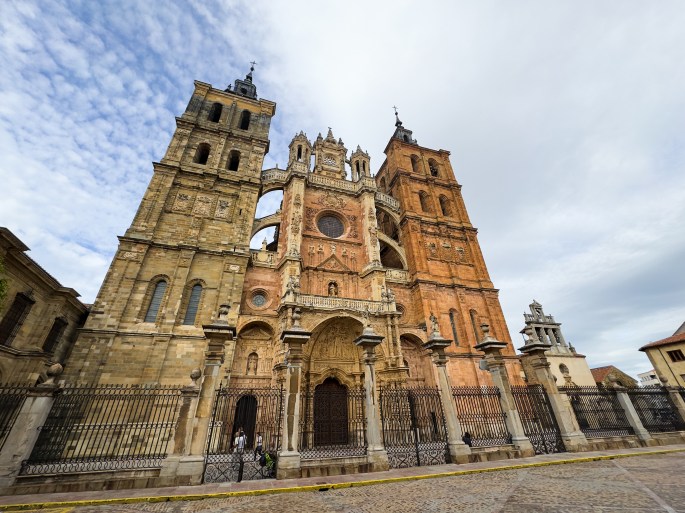
The Cathedral of Santa María de Astorga, located in the heart of Astorga, Spain, is a remarkable testament to the evolution of Spanish religious architecture. Its construction commenced in 1471 atop the site of a former Romanesque church, and the project spanned several centuries, culminating in the 18th century. This extended timeline resulted in a blend of architectural styles, predominantly late Gothic, with significant Renaissance, Baroque, and Plateresque influences.
The cathedral’s façade is particularly striking, featuring intricate sculptures depicting five scenes from the life of Christ. Flanking the main entrance are two imposing towers, completed in the 18th century, which add to the grandeur of the structure.
Inside, visitors are greeted by the magnificent main altarpiece, a 16th-century masterpiece by Gaspar Becerra that narrates the life of the Virgin Mary. The choir stalls, crafted from walnut in the same era, showcase exquisite craftsmanship. Notable sculptures include the 12th-century “Virgin of Majesty,” reflecting Byzantine influences, and the “Immaculate Conception” by Gregorio Fernández from the 16th century.
Adjacent to the cathedral is the Cathedral Museum, established in 1954. The museum houses an impressive collection of sacred art, including paintings, sculptures, and liturgical ornaments. Highlights include the 10th-century Arqueta de San Genadio and the 12th-century Carrizo Romanesque chest, renowned for its polychrome decoration.
Whether you’re an architecture enthusiast, art lover, or history buff, the Cathedral of Santa María de Astorga offers a rich and immersive experience that reflects the cultural and spiritual heritage of the region.
Visit Notes
Despite being there in the middle of the day, I had the cathedral almost entirely to myself. I briefly saw two people, but otherwise I was able to enjoy the place all by myself.
This was one of my favorite cathedrals from my seven week trip to Spain and Portugal. The museum portion had a large number of interesting art pieces and religious artifacts. The cathedral was huge and there were so many little details to explore. One of my favorite features was the cathedral lighting. They have motion sensors to turn on the lights in the portion of the cathedral you are currently visiting. I thought this was a nice touch that rode that line between energy conservation and having enough light to enjoy the cathedral.
Photos


Astorga
Astorga, Spain, is a charming and historical town located in the province of León, in the northwestern part of the country. Nestled amidst picturesque landscapes, Astorga offers a unique blend of Roman, medieval, and modern influences, making it an ideal destination for travelers seeking both cultural immersion and natural beauty. One of the highlights of…
Thanks for visiting! I hope you have a great trip.






About Me
The sky is not completely dark at night. Were the sky absolutely dark, one would not be able to see the silhouette of an object against the sky.
Follow Me On
Subscribe To My Newsletter
Subscribe for new travel stories and exclusive content.
 Meticulous Meanderings
You must be logged in to post a comment.