
Below are some of my favorite places to spend time while visiting Lisbon, Portugal.
All of these locations are worthwhile, but don’t forget to leave some time to meander through the many charming streets and squares that can be found throughout the city. There are so many fascinating hidden corners in Lisbon that you can only discover by getting a little bit lost in its winding streets.
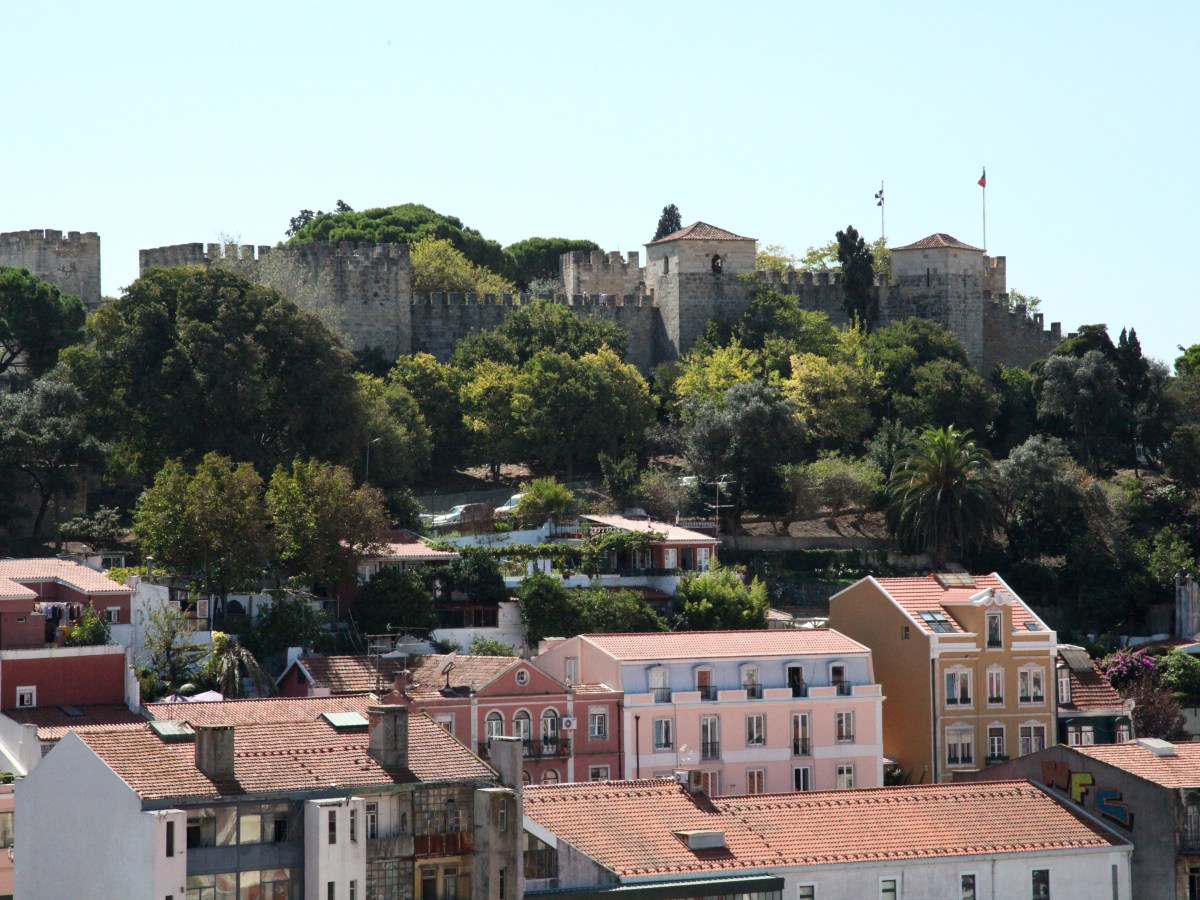
Castelo de São Jorge
Perched on a hilltop in the historic Alfama district, the Castelo de São Jorge (St George Castle, Castle of Saint George) has been a prominent feature of the city’s skyline for centuries. Its origins can be traced back to the 6th century when it was built as a Moorish fortress. Over the years, it underwent…

Rua Augusta
Rua Augusta is a vibrant and iconic street located in the heart of Lisbon, Portugal. It stretches from the majestic Praça do Comércio to the lively Rossio Square, making it a central hub for both locals and tourists alike. If you’re considering visiting Lisbon, Rua Augusta is definitely a must-see destination. As you step onto…
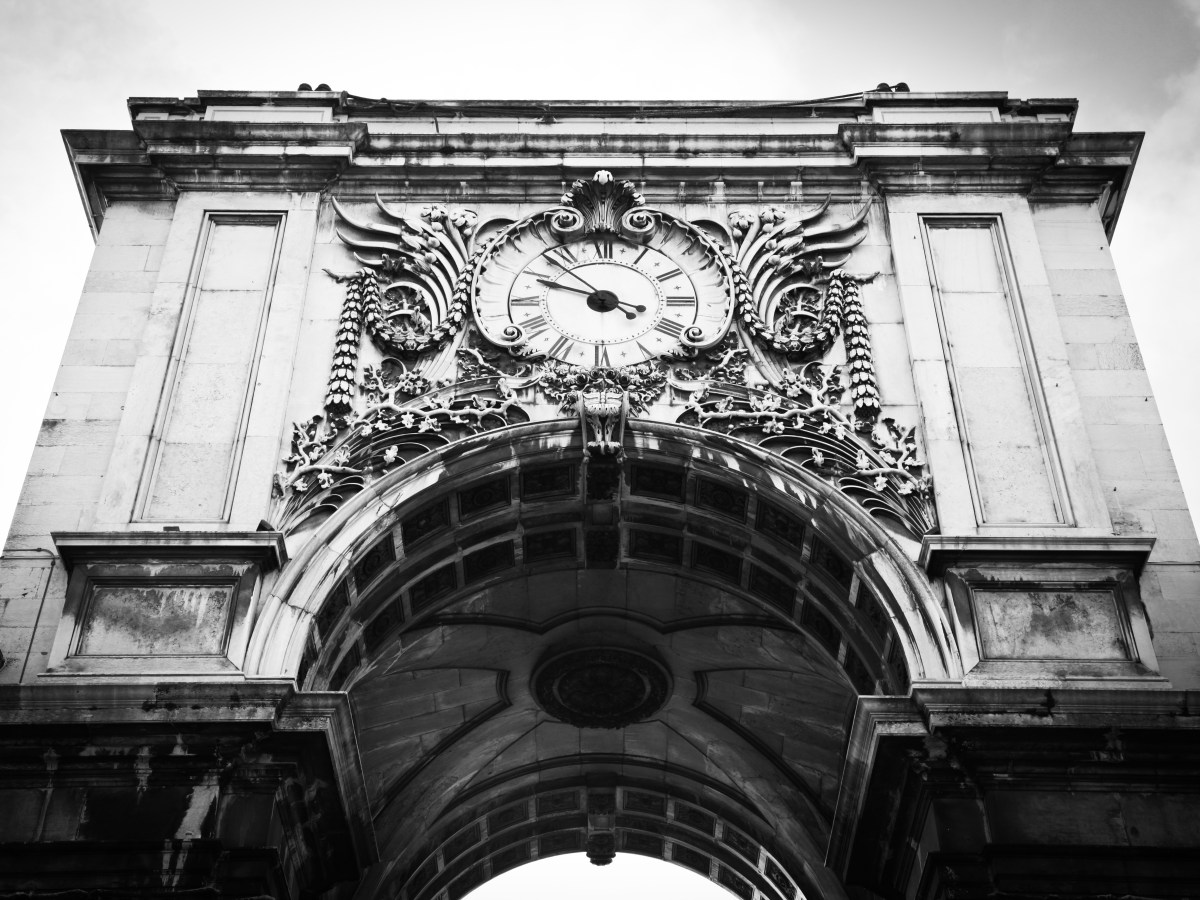
Arco da Rua Augusta
The Arco da Rua Augusta (Rua Augusta Arch) is a magnificent architectural landmark located in Lisbon, Portugal, and it’s definitely worth a visit if you’re considering exploring the city. Situated in the lively neighborhood of Baixa, this iconic triumphal arch stands at the end of Rua Augusta, one of Lisbon’s most famous and bustling pedestrian…
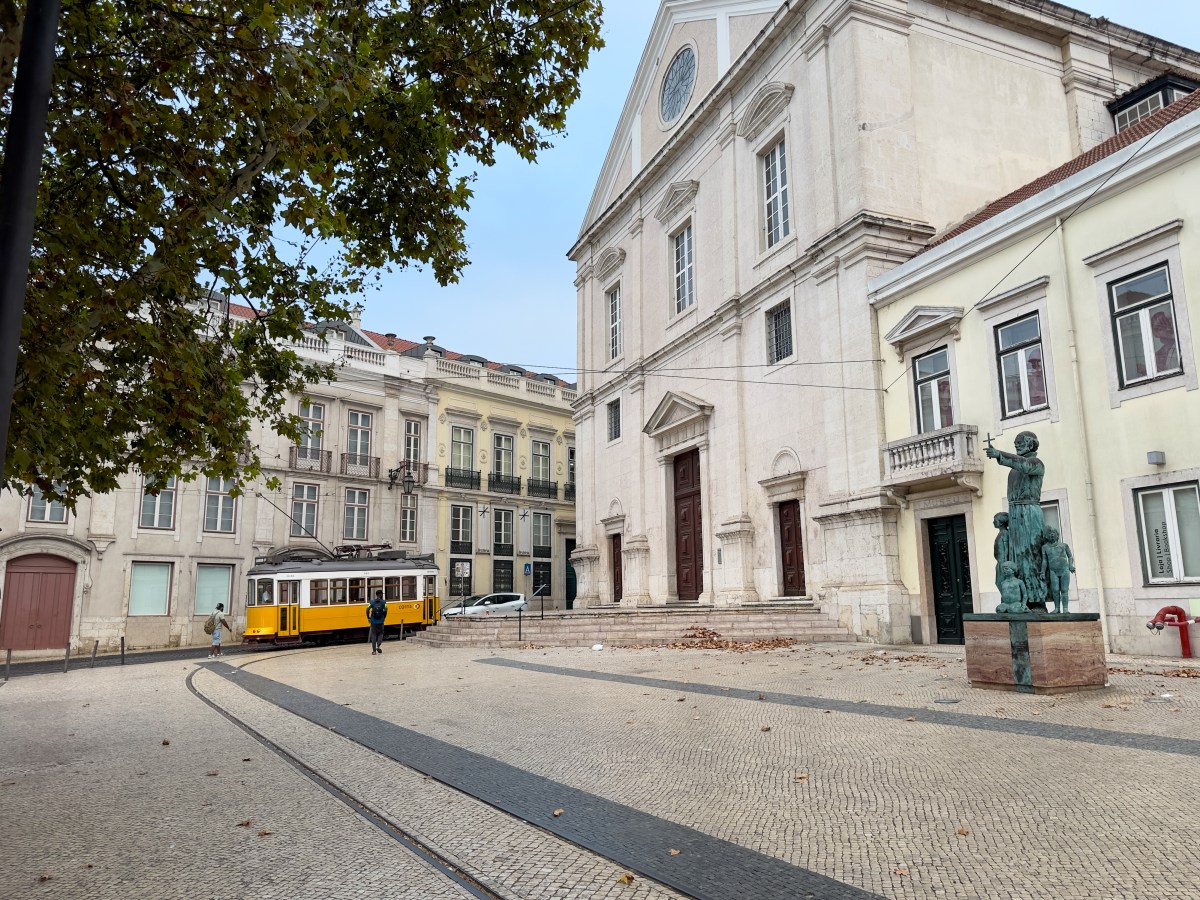
Igreja de São Roque
The Igreja de São Roque in Lisbon is one of the most ornate and historically significant churches in Portugal, offering visitors an extraordinary display of Baroque art and craftsmanship. Built in the 16th century as one of the first Jesuit churches in the world, it has a relatively simple façade that contrasts sharply with its…
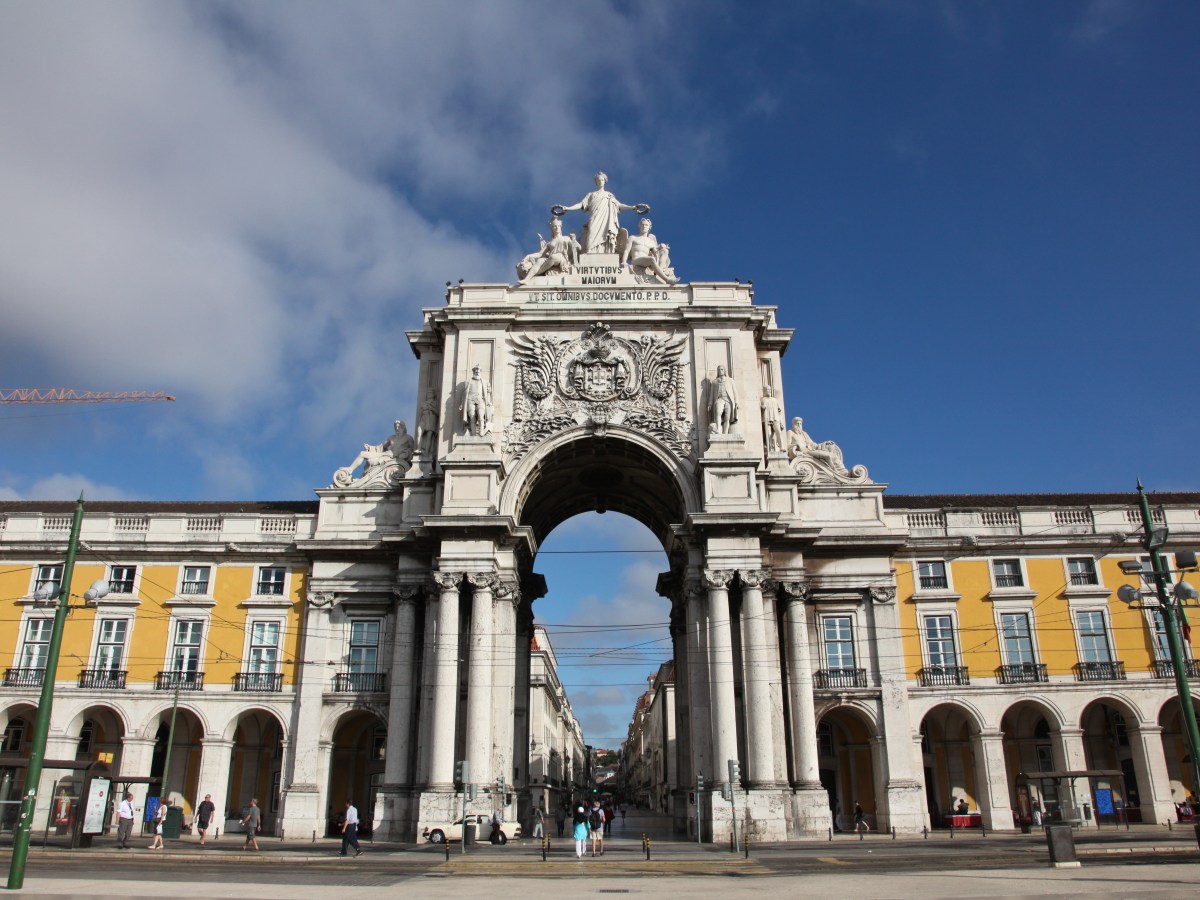
Praça do Comércio
The Praça do Comércio, also known as Terreiro do Paço, is one of Lisbon’s most iconic and grand public squares, situated right on the banks of the Tagus River. This vast, elegant square is framed by classical 18th-century yellow buildings with grand arcades, which house government offices, shops, cafés, and restaurants. Its open layout and…

Monument to the Discoveries
The Monument to the Discoveries (Padrão dos Descobrimentos) in Lisbon is a striking and symbolic tribute to Portugal’s Age of Exploration during the 15th and 16th centuries. Located along the Tagus River waterfront in the Belém district, the monument was originally constructed in 1940 for the Portuguese World Exhibition and later rebuilt in 1960 to…

Belém Tower
The Belém Tower (Torre de Belém) in Lisbon is one of Portugal’s most famous and picturesque landmarks, celebrated for its unique Manueline architectural style and historical significance. Built between 1514 and 1519 under the reign of King Manuel I, the tower was designed by architect Francisco de Arruda to serve as a fortress and ceremonial…
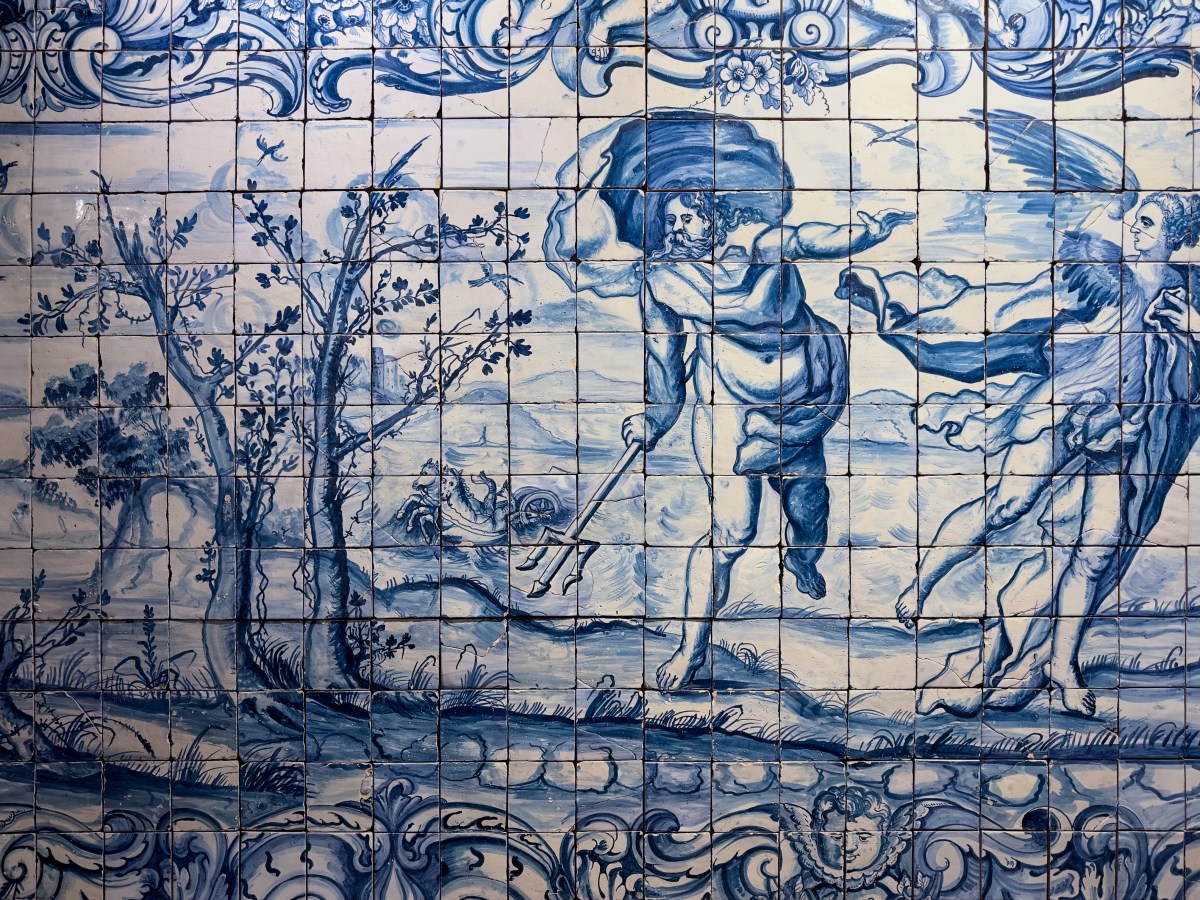
National Tile Museum
The National Tile Museum (Museu Nacional do Azulejo) in Lisbon is a captivating tribute to Portugal’s rich tradition of azulejos, the beautiful, decorative ceramic tiles that have adorned Portuguese architecture for centuries. Housed in the 16th-century Madre de Deus Convent, the museum itself is an architectural gem, combining Manueline, Mannerist, and Baroque styles. Inside, the…
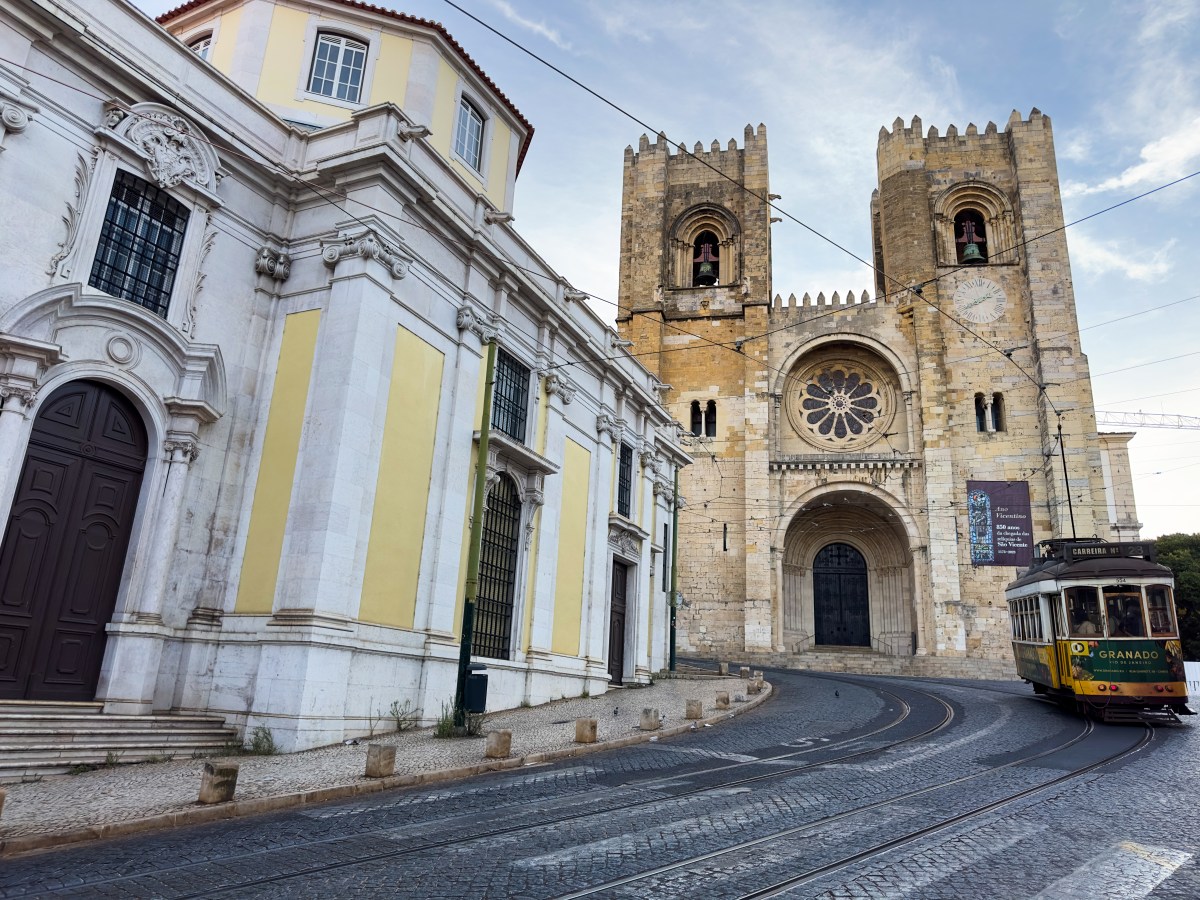
Lisbon Cathedral
The Lisbon Cathedral, also known as Sé de Lisboa, is the city’s oldest and most important church, with a history dating back to the 12th century. Built soon after the Christian reconquest of Lisbon from the Moors in 1147, it has served as a powerful symbol of Portugal’s resilience and religious devotion ever since. Its…
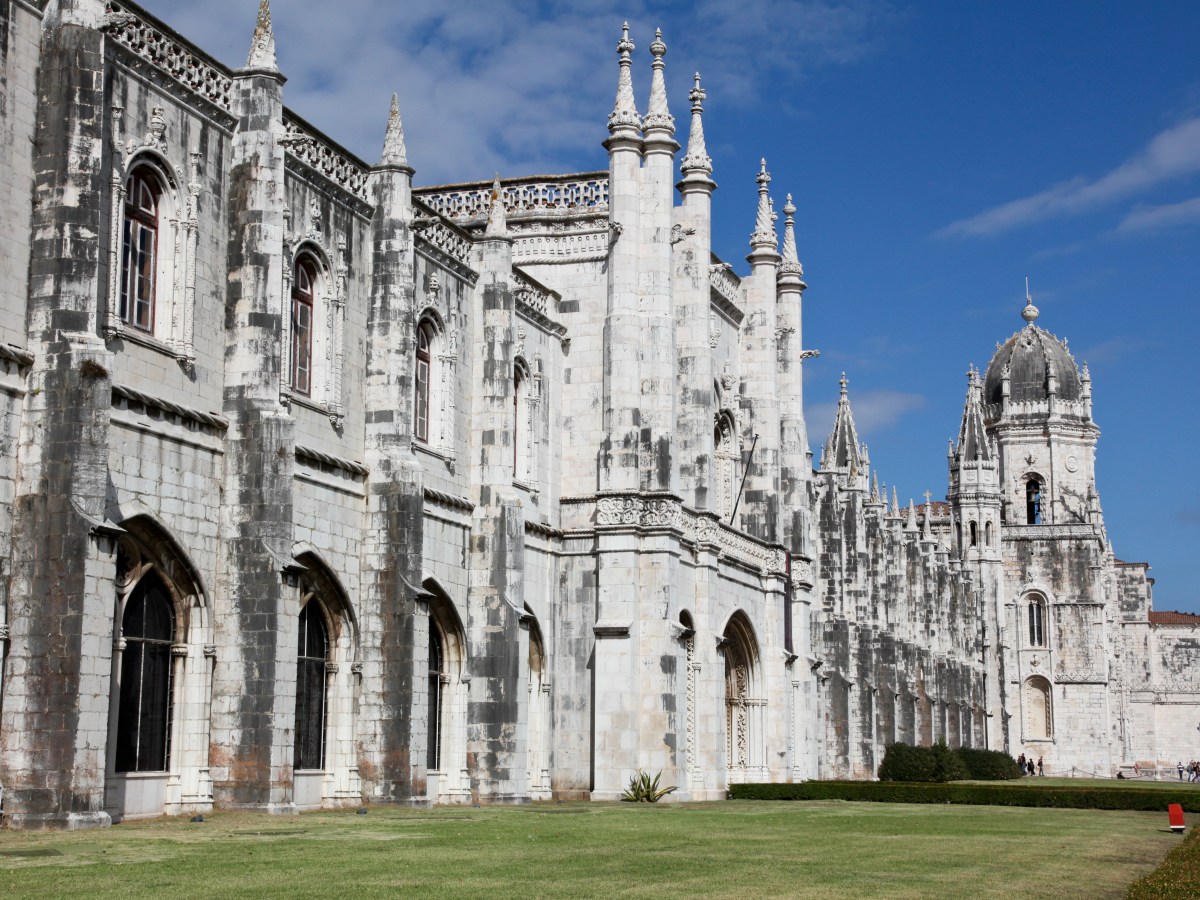
Jerónimos Monastery
The Jerónimos Monastery (Mosteiro dos Jerónimos) and the adjoining Igreja de Santa Maria de Belém are stunning masterpieces of Manueline architecture located in the Belém district of Lisbon. Built to commemorate Vasco da Gama’s successful voyage to India and to honor the Virgin Mary, construction began in 1501 under King Manuel I and took nearly…

Carmo Convent
The Carmo Convent, located in Lisbon, Portugal, is an interesting historical site that stands as a poignant reminder of the devastating earthquake that struck the city in 1755. The convent, originally built in the 14th century, was severely damaged during the earthquake, leaving its magnificent Gothic architecture in ruins. Today, the Carmo Convent stands as…
 Meticulous Meanderings