
The 12th century was a period of significant historical and cultural developments across the world. Here are some notable world events that occurred during this time:
- Crusades: The 12th century witnessed several Crusades, which were a series of religiously motivated military campaigns by Western European Christians to recapture the Holy Land from Muslim rule. These wars had a profound impact on the political, economic, and cultural landscape of Europe and the Middle East.
- Norman Conquest of England (1066): Although this event occurred in the late 11th century, its aftermath continued to shape the 12th century. The Norman Conquest led by William the Conqueror resulted in the establishment of Norman rule in England and brought significant changes to the English language, legal system, and societal structures.
- Investiture Controversy (1075-1122): This conflict emerged as a power struggle between the papacy and the Holy Roman Empire over the appointment of church officials. It had profound political and religious consequences, leading to the Concordat of Worms in 1122, which resolved the issue by recognizing the pope’s authority in spiritual matters and the emperor’s role in secular affairs.
- Rise of Islamic Empires: The 12th century saw the rise of several powerful Islamic empires. The Seljuk Turks expanded their influence in the Middle East, Anatolia, and parts of Central Asia. The Ayyubid dynasty emerged under the leadership of Salah ad-Din (Saladin), who retook Jerusalem from the Crusaders in 1187. Meanwhile, the Almohad Caliphate gained control over parts of North Africa and the Iberian Peninsula.
- Mongol Conquests: The Mongol Empire, under the leadership of Genghis Khan and his successors, embarked on a series of conquests throughout the 12th century. They rapidly expanded across Asia, establishing one of the largest empires in history and significantly influencing the political and cultural landscape of Eurasia.
- Renaissance of the 12th Century: Often overshadowed by the later Italian Renaissance, the 12th century witnessed a period of intellectual and cultural revival in Europe. It was characterized by advancements in philosophy, theology, science, and literature, particularly in universities and monastic centers.
- Song Dynasty in China: The 12th century marked the height of the Song Dynasty in China, a period known for its economic prosperity, technological advancements, and cultural achievements. The Song Dynasty witnessed innovations such as the development of movable type printing, the use of gunpowder in warfare, and the flourishing of landscape painting.
- Inventions and Discoveries: The 12th century saw notable inventions and discoveries. These include the advent of Gothic architecture in Europe, the introduction of windmills in Western Europe, and advancements in maritime technology, such as the use of the compass and astrolabe for navigation.
These are just a few of the many events that shaped the 12th century. The era was characterized by dynamic changes in politics, religion, art, and technology, setting the stage for the transformations that would occur in the centuries to come.

Chiesa di San Nicolò dei Mendicoli
The Chiesa di San Nicolò dei Mendicoli is a charming little church located in the Dorsoduro district of Venice, known for its rustic beauty. Dating back to the 12th century, this historic church boasts a delightful Romanesque facade, characterized by its simple yet elegant design. As visitors approach, they will be greeted by the traditional…
Rothenburg City Walls
The medieval city walls of Rothenburg ob der Tauber are one of the town’s most iconic and well-preserved features, offering visitors a chance to step back in time and experience the town as it was in the Middle Ages. These fortifications, originally built in the 12th century, were expanded over time and played a crucial…

The Scottish Church
The Scottish Church (Schottenkirche) is a historic and architecturally fascinating church in Vienna’s first district. Founded in the 12th century by Irish Benedictine monks—referred to as “Scots” at the time—it has long been a significant religious and cultural site in the city. Though originally Romanesque, the church underwent several renovations, resulting in its current Baroque…

St. Peter’s Church
St. Peter’s Church (Peterskirche) is Munich’s oldest parish church and one of its most beloved landmarks, offering both rich history and stunning views of the city. Standing on a small hill just east of Marienplatz, it predates the founding of Munich itself, with origins tracing back to the 12th century. Over the centuries, the church…
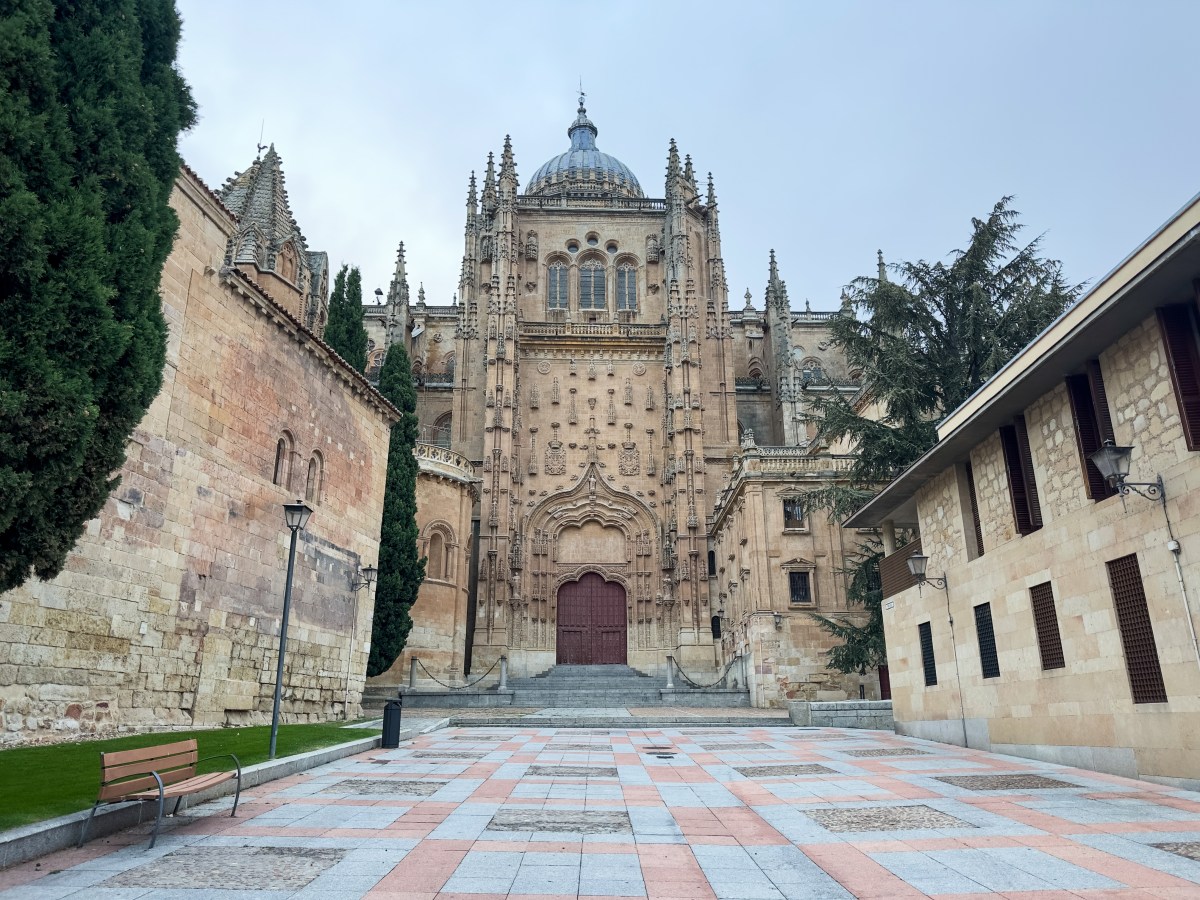
Catedral de Salamanca
The construction of the Salamanca Cathedral began in the 12th century, in 1102, during the Romanesque period. However, as was common with many cathedrals in Europe, it went through various expansions and modifications over the centuries, incorporating different architectural styles. As a result, the cathedral displays a beautiful blend of Romanesque, Gothic, Renaissance, and Baroque…
Iglesia de San Andrés
(AKA Church of Saint Andrew) The Iglesia de San Andrés has a long and storied past that dates back to the 12th century. It was originally constructed in the Romanesque style during the 1100s, making it one of the oldest churches in Ávila. The church has undergone several renovations and additions over the centuries, which…
Iglesia de San Pedro Apóstol
(AKA Parish of St. Peter the Apostle) The Parish of St. Peter the Apostle has a rich history that dates back centuries. Its origins can be traced to the medieval period, with construction believed to have started in the 12th century. The church was built on the site of a former Romanesque temple, and over…

San Vicente de Ávila
The Basilica of San Vicente has a rich history that dates back to the 12th century. Its construction began in the Romanesque style, around 1130, during the reign of Alfonso VII of León and Castile. The basilica was built to house the relics of three Christian martyrs, Saint Vincent, Saint Sabina, and Saint Cristeta, who…
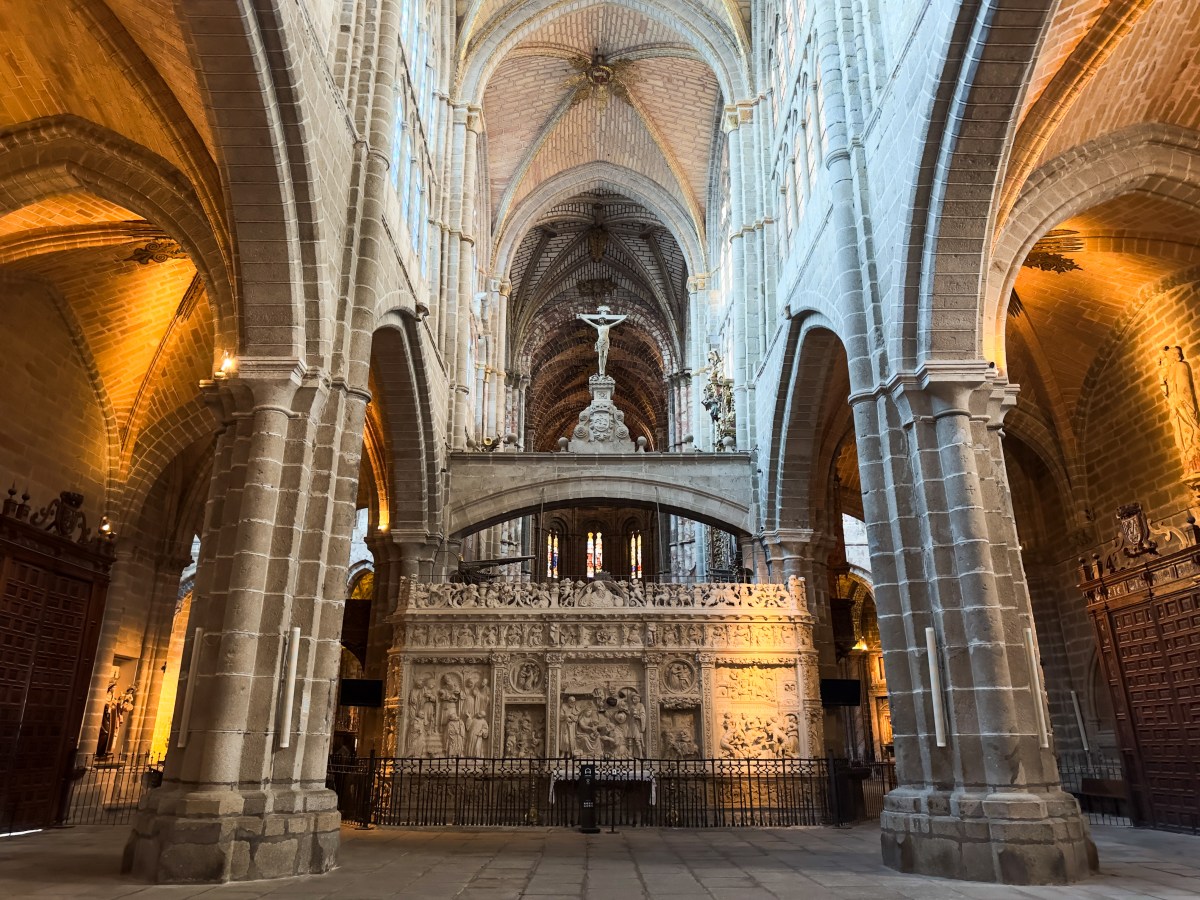
Cathedral of Ávila
The construction of the Cathedral of Ávila began in the 12th century, precisely in 1107, during the reign of King Alfonso VI of Castile and León. It was built on the site of a former Visigothic church, and its construction took place over several centuries, incorporating a mix of architectural styles due to its lengthy…
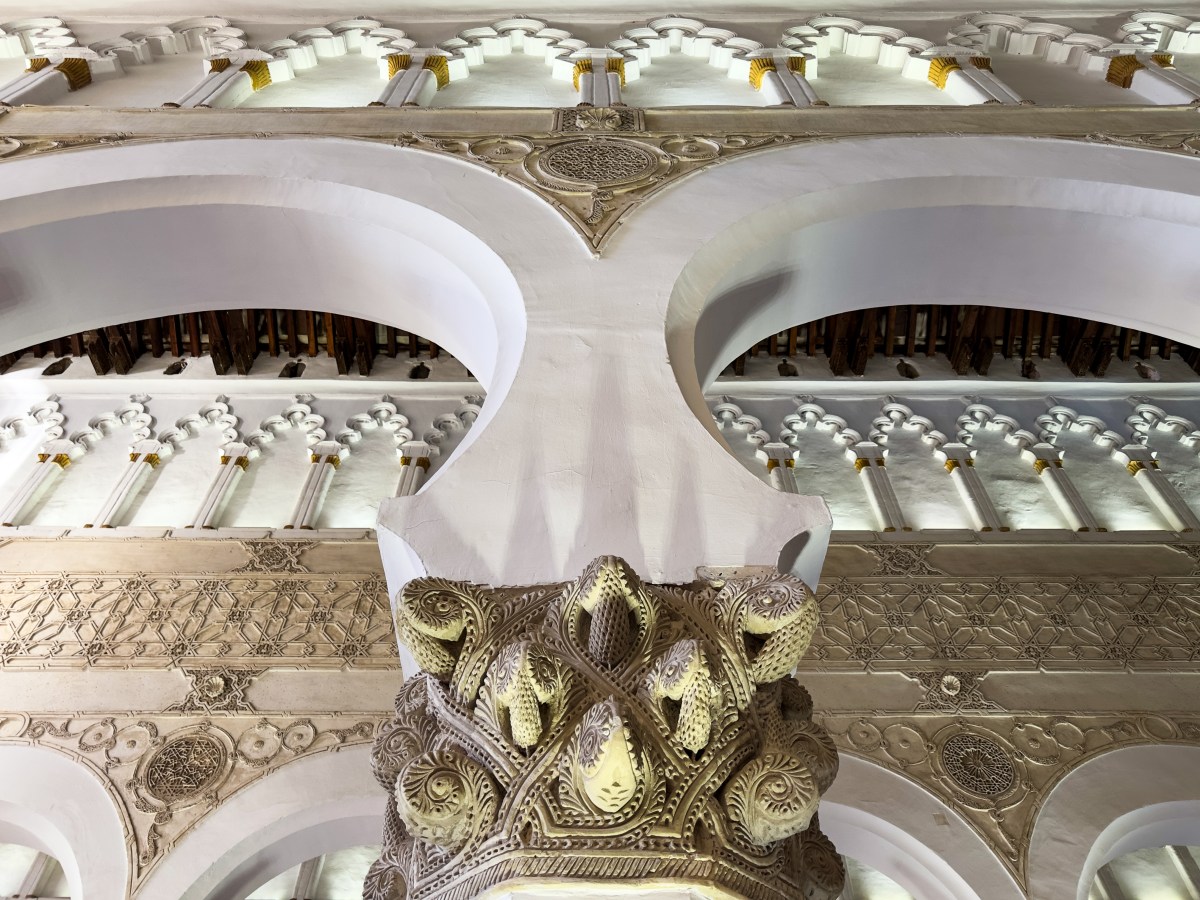
Sinagoga de Santa María La Blanca
The Sinagoga de Santa María La Blanca is a remarkable historical and architectural gem located in Toledo, Spain. It is one of the most important and well-preserved synagogues from the medieval period in the country. The synagogue’s construction dates back to the late 12th century when Toledo was under Muslim rule. It was erected as…

Alcázar de Segovia
The Alcázar de Segovia is a magnificent fortress located in the city of Segovia, Spain. It holds a rich history and boasts a unique architectural style, making it a must-visit destination for history and architecture enthusiasts. The history of the Alcázar dates back to Roman times when a fortress stood on the same site. However,…
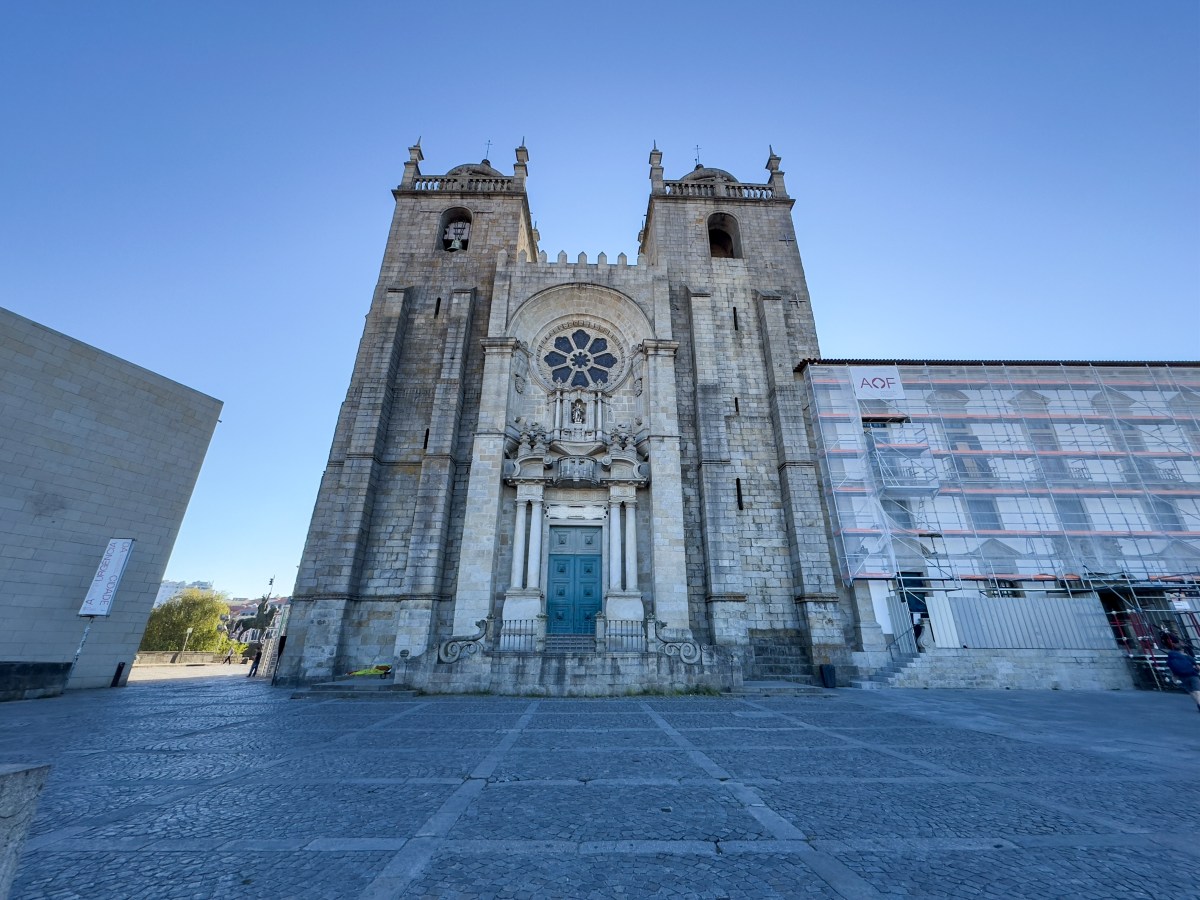
Sé do Porto
As you approach the cathedral, you’ll immediately notice its commanding presence and stunning architectural style. Originally built in the 12th century, Sé do Porto (Porto Cathedral) is a magnificent example of Romanesque architecture, adorned with Gothic and Baroque elements added over the centuries. The exterior features intricately carved facades, imposing towers, and a grand rose…
Something went wrong. Please refresh the page and/or try again.
 Meticulous Meanderings