
Empress Maria Theresa of Austria (1717–1780) was one of the most significant and influential figures in European history. She was the Archduchess of Austria, Queen of Hungary and Bohemia, and the ruler of the Habsburg Monarchy from 1740 to 1780. As the first and only female ruler of the Habsburg dominions, her reign was marked by profound political, social, and cultural transformations. Here’s an overview of her life and legacy:
Early Life and Family
Born on May 13, 1717, in Vienna, Maria Theresa was the eldest daughter of Holy Roman Emperor Charles VI and Elisabeth Christine of Brunswick-Wolfenbüttel.
Charles VI’s Pragmatic Sanction ensured that Maria Theresa could inherit the throne despite being a woman, as he had no male heirs.

Ascension to Power
Maria Theresa became ruler in 1740 upon her father’s death, inheriting a weakened empire. Her ascension sparked the War of the Austrian Succession (1740–1748), as various European powers, including Prussia, contested her claim to the throne. Despite significant challenges, she maintained her rule and solidified her position as a powerful monarch.
.jpg)
Reforms and Policies
Maria Theresa was a reformer who modernized her empire and strengthened its administration:
- Government and Administration: Centralized the bureaucracy and introduced reforms to streamline governance.
- Military: Strengthened and modernized the army, making the Habsburg Monarchy a formidable power in Europe.
- Economic Reforms: Encouraged trade and industrial development, restructured taxation, and aimed to reduce corruption.
- Education: Introduced compulsory education for children, a groundbreaking reform in Europe at the time.
- Judicial Reforms: Promoted legal reforms to standardize laws and reduce the influence of feudal lords.
Personal Life
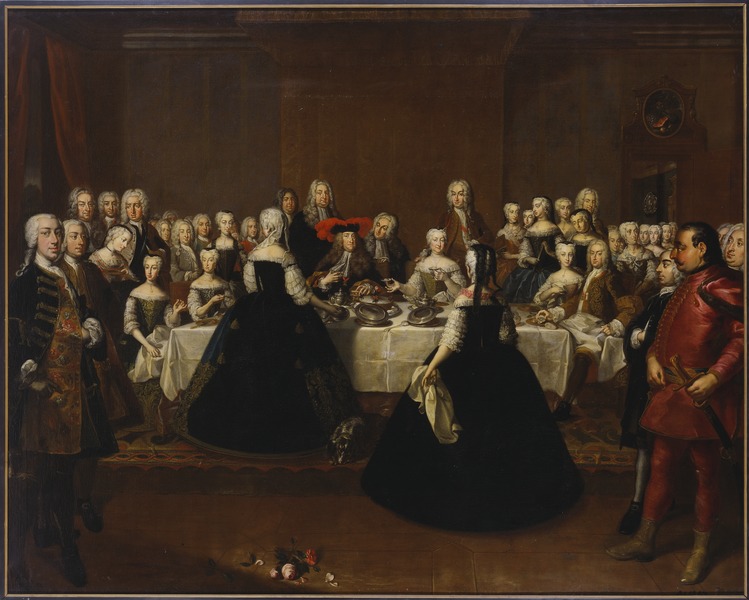
Maria Theresa married Francis Stephen of Lorraine in 1736, a union that was both politically and personally successful. Francis later became Holy Roman Emperor Francis I.
The couple had 16 children, including Marie Antoinette, who became Queen of France, and Joseph II, who succeeded Maria Theresa as Holy Roman Emperor. Her large family allowed her to forge strategic alliances through marriage, strengthening the Habsburg dynasty’s influence across Europe.

Challenges During Her Reign
- The War of the Austrian Succession (1740–1748) tested her resolve but ended with the preservation of most of her territories.
- The Seven Years’ War (1756–1763) saw her attempt to reclaim Silesia from Prussia, though it remained under Prussian control.
- Despite these conflicts, Maria Theresa expanded and consolidated her empire, leaving it stronger than she had inherited.
Religious and Cultural Legacy
A devout Catholic, Maria Theresa enforced religious policies that were conservative and sometimes controversial, including the suppression of Protestantism and Judaism in her realm.
She supported the arts and culture, contributing to Vienna’s reputation as a cultural capital of Europe.
Death and Legacy
Maria Theresa passed away on November 29, 1780, in Vienna, after a 40-year reign.
Her reforms laid the groundwork for a more modern state and left a lasting impact on the Habsburg Monarchy.
She is remembered as a strong and capable leader, a devoted mother, and a reformer who balanced tradition with progress.

Why Is Maria Theresa Important?
Maria Theresa’s reign was a turning point in Austrian history. She managed to hold her vast empire together during times of great turmoil, introduced progressive reforms, and established a legacy of strong leadership. Her influence extended far beyond Austria, shaping the course of European politics, culture, and governance in the 18th century.
 Meticulous Meanderings