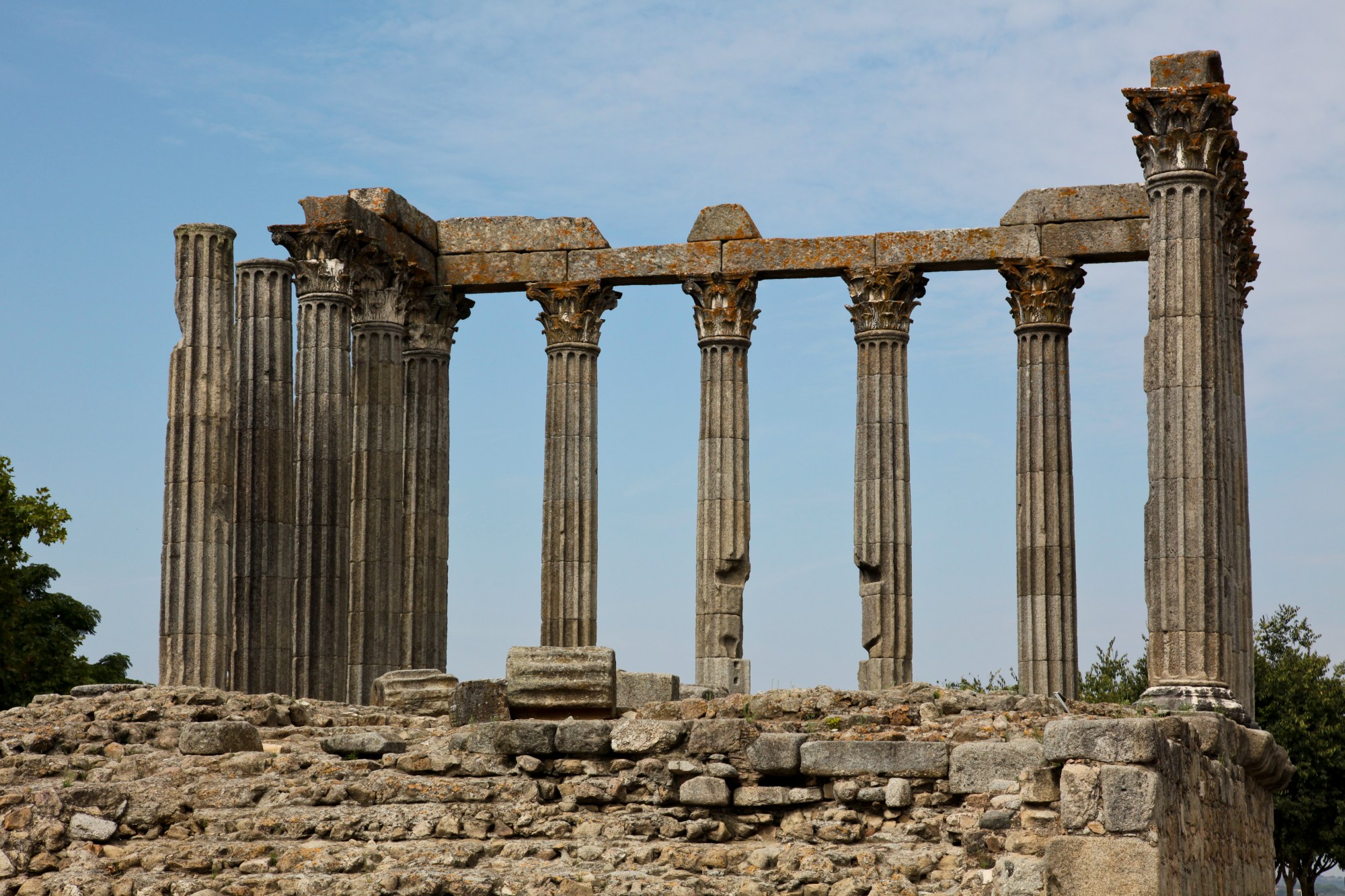
Évora is a historic city located in the Alentejo region of Portugal. Its origins can be traced back to Roman times, when it was known as Ebora Liberalitas Julia. The city flourished under Roman rule and became an important administrative and commercial center.
In the 5th century, the Visigoths conquered Évora, and it remained under their control until the arrival of the Moors in the 8th century. The Moors transformed the city, constructing fortifications and expanding its urban layout. Évora became an important cultural and intellectual center during this period, known for its impressive architecture and educational institutions.
In the 12th century, Évora was reconquered by Christian forces during the Portuguese Reconquista. Under Portuguese rule, the city experienced a period of growth and prosperity. King Afonso II granted Évora a charter in 1165, which further contributed to its development. During the 15th and 16th centuries, Évora became the residence of Portuguese kings during the summer months.
The Renaissance period was a golden age for Évora. The University of Évora, one of the oldest universities in Portugal, was founded in 1559 and attracted scholars from across Europe. The city became a hub of cultural and artistic activity, resulting in the construction of numerous magnificent buildings, including palaces, churches, and monasteries. Évora’s historic center, with its well-preserved medieval and Renaissance architecture, was designated a UNESCO World Heritage site in 1986.
However, like the rest of Portugal, Évora also faced challenges and setbacks. In the 17th and 18th centuries, the city suffered from the decline of the Portuguese empire and economic stagnation. Évora’s importance diminished, and its population dwindled.
In the 20th century, Évora underwent significant urban development, including the construction of new neighborhoods and infrastructure. It became a center for agriculture and the food-processing industry in the Alentejo region. The city also saw a revival in tourism, with visitors drawn to its rich history, well-preserved landmarks, and vibrant cultural scene.
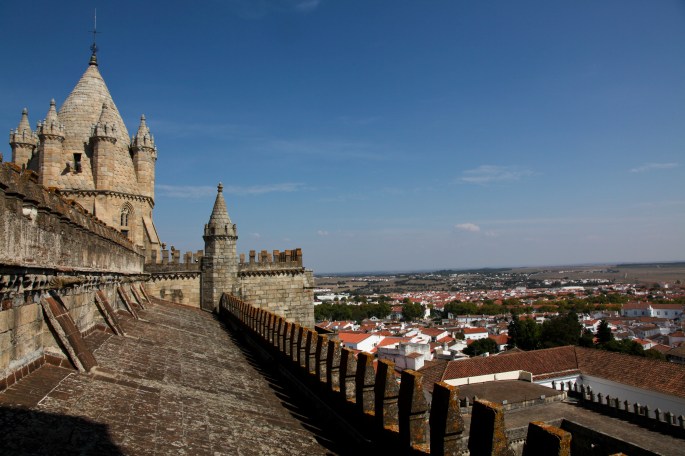
Today, Évora continues to thrive as a charming city that seamlessly blends its ancient heritage with modern life. Its historic center remains a treasure trove of architectural wonders, including the Roman Temple of Évora, the Cathedral of Évora, and the Church of São Francisco with its Chapel of Bones. Évora’s cultural events, traditional festivals, and renowned cuisine further enhance its appeal, making it a popular destination for tourists from around the world.


 Meticulous Meanderings
You must be logged in to post a comment.