
Lech Wałęsa is a prominent Polish political leader and labor activist who played a pivotal role in the transformation of Poland from a communist state to a democratic one. He is best known for his leadership in the Solidarity movement, which had a profound influence on Poland’s political landscape and ultimately contributed to the end of communism in the country.
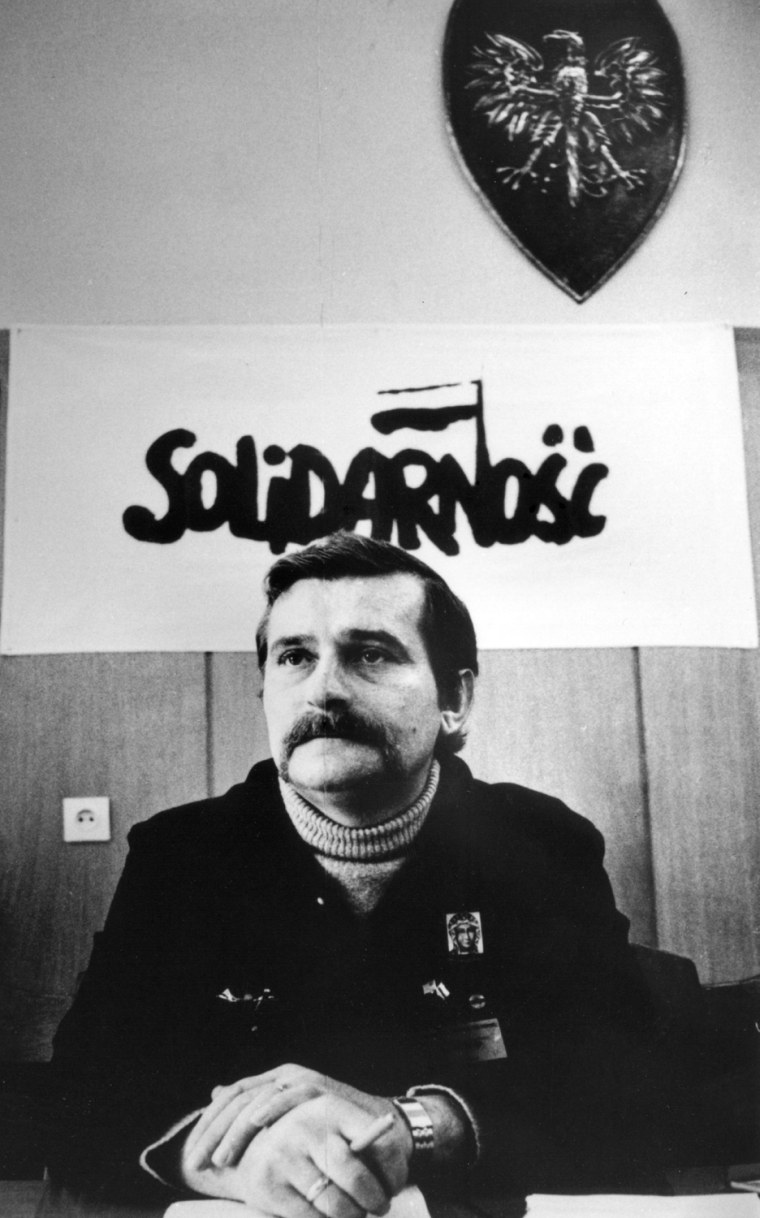
Here is an overview of Lech Wałęsa’s life and his influence on Poland:
Early Life and Labor Activism: Lech Wałęsa was born on September 29, 1943, in Popowo, Poland. He worked as an electrician at the Gdańsk Shipyards, where he became involved in labor activism. His experiences as a worker in the shipyards shaped his views on workers’ rights and social justice.
Formation of Solidarity: In 1980, Lech Wałęsa emerged as a leader during the Gdańsk Shipyard strikes, which led to the formation of the Solidarity (Solidarność) trade union. Solidarity became a mass movement advocating for workers’ rights, political reform, and greater freedom in Poland.
Martial Law and Persecution: In December 1981, the Polish government, under General Wojciech Jaruzelski, imposed martial law in an attempt to suppress Solidarity and its activities. During this period, Wałęsa was arrested and detained several times. However, Solidarity continued to operate underground, maintaining its influence and growing support.
Negotiations and Political Transition: After years of struggle, negotiations between the Polish government and Solidarity gained momentum. In 1989, the Round Table Talks took place, leading to a peaceful transition to democracy. Lech Wałęsa played a key role in these negotiations, which paved the way for free elections and political change in Poland.
Presidential Election: In 1990, Lech Wałęsa ran for the presidency of Poland and won, becoming the country’s first democratically elected president after World War II. His presidency marked a significant turning point in Polish history as the country embarked on the path of political and economic transformation.
Legacy and Influence: Lech Wałęsa’s influence on Poland extends beyond his presidency. His leadership and the Solidarity movement played a crucial role in shaping Poland’s modern political landscape. Poland transitioned from communism to a democratic republic with a market-oriented economy, and it subsequently joined NATO and the European Union.
Criticisms and Controversies: While celebrated as a hero by many for his role in the fight against communism, Lech Wałęsa also faced criticism and controversies during and after his presidency. Some critics raised questions about his post-communist political career and allegations of collaboration with the communist regime, although these allegations were not definitively proven.
Lech Wałęsa’s legacy as a symbol of resistance to communist oppression and his contribution to Poland’s democratization process cannot be denied. His leadership and the Solidarity movement remain important chapters in the history of Poland and the broader struggle for freedom and human rights.
 Meticulous Meanderings
You must be logged in to post a comment.