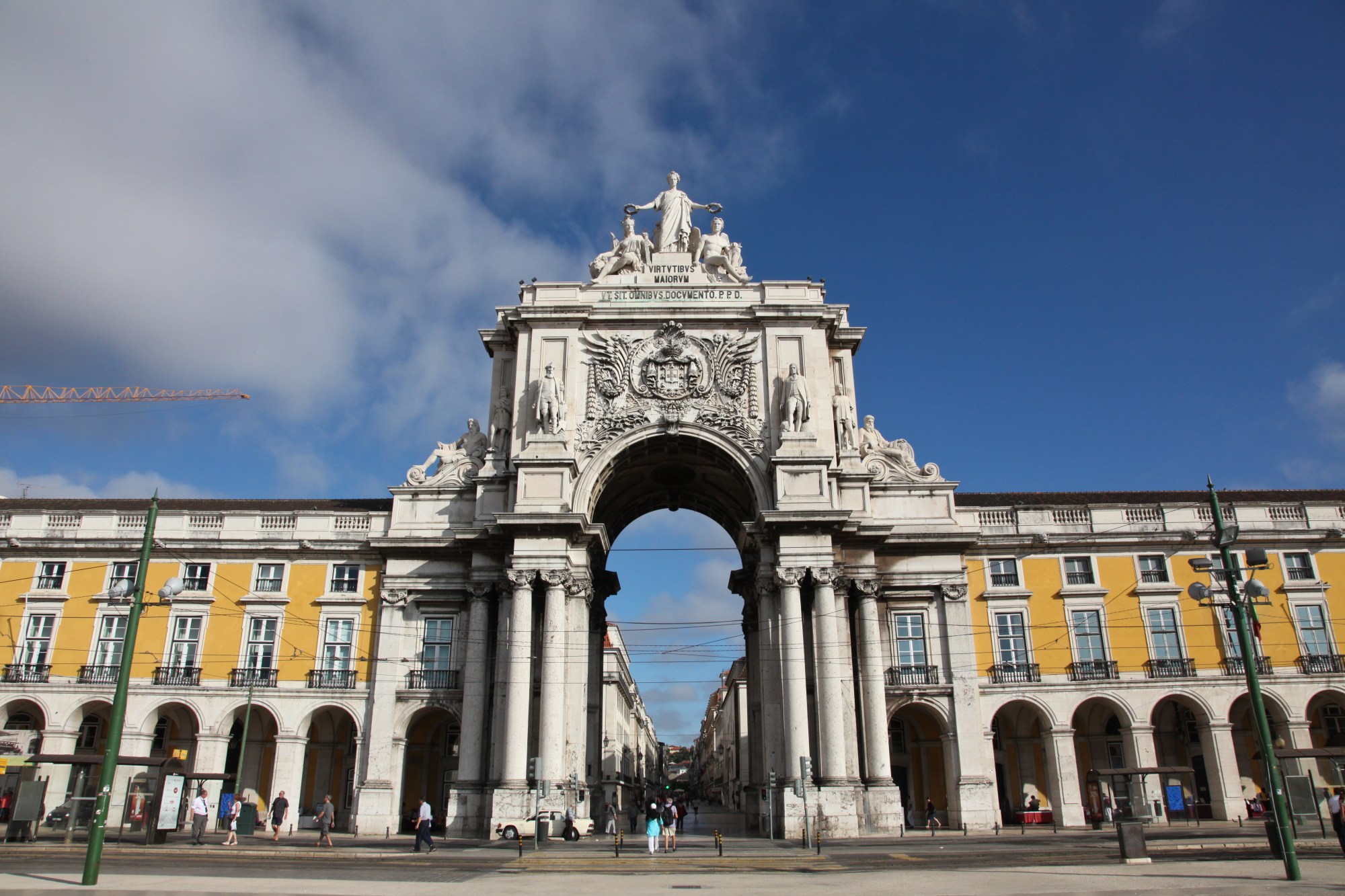
Lisbon, the capital city of Portugal, has a rich and varied history that spans over two millennia. Here’s a brief overview of the key historical periods and events that shaped the city:
Ancient Origins: Lisbon’s origins can be traced back to the Phoenicians, who established a trading post called “Olissipo” around the 7th century BC. The area was later inhabited by the Romans, who made it a significant port and renamed it “Felicitas Julia.” During the Roman era, Lisbon prospered as a commercial hub and played a vital role in the trade routes across the Mediterranean.
Moorish Rule: In the early 8th century AD, Lisbon fell under Muslim rule during the Islamic conquest of the Iberian Peninsula. The city was known as “Al-Ushbuna” during this period and experienced a period of cultural and economic growth under Moorish influence. However, in 1147, Lisbon was recaptured by Christian forces during the Reconquista, marking the end of Muslim rule.
Age of Discoveries: The 15th and 16th centuries were a golden age for Lisbon. Portugal emerged as a major maritime power and initiated the Age of Discoveries. Lisbon became a thriving center for explorers, navigators, and traders, such as Vasco da Gama and Ferdinand Magellan. The city’s port was a departure point for numerous expeditions to explore and establish trade routes to Africa, India, Asia, and the Americas.
Destruction and Rebirth: In 1755, Lisbon was struck by a devastating earthquake, followed by a tsunami and widespread fires. This catastrophic event, known as the Great Lisbon Earthquake, caused massive destruction and claimed the lives of thousands of people. Despite the destruction, the city was gradually rebuilt and revitalized with the vision of the Marquis of Pombal, a prominent statesman.
20th Century: Lisbon played a significant role in the political and social transformations of the 20th century. In 1910, the city witnessed the overthrow of the Portuguese monarchy and the establishment of the First Portuguese Republic. The country later endured a period of dictatorship under António de Oliveira Salazar, who ruled from 1932 to 1968. In 1974, the Carnation Revolution took place in Lisbon, leading to the end of the dictatorship and the transition to democracy.
Modern Lisbon: Over the past few decades, Lisbon has experienced a renaissance as a vibrant cultural and economic center. The city has undergone extensive urban redevelopment, including the renovation of historic neighborhoods, the expansion of transportation infrastructure, and the revitalization of public spaces. Lisbon has become a popular tourist destination, renowned for its charming streets, historic monuments, and a thriving arts and music scene.
Today, Lisbon stands as a cosmopolitan city that seamlessly blends its rich historical heritage with modern innovation, attracting visitors from around the world.
 Meticulous Meanderings