
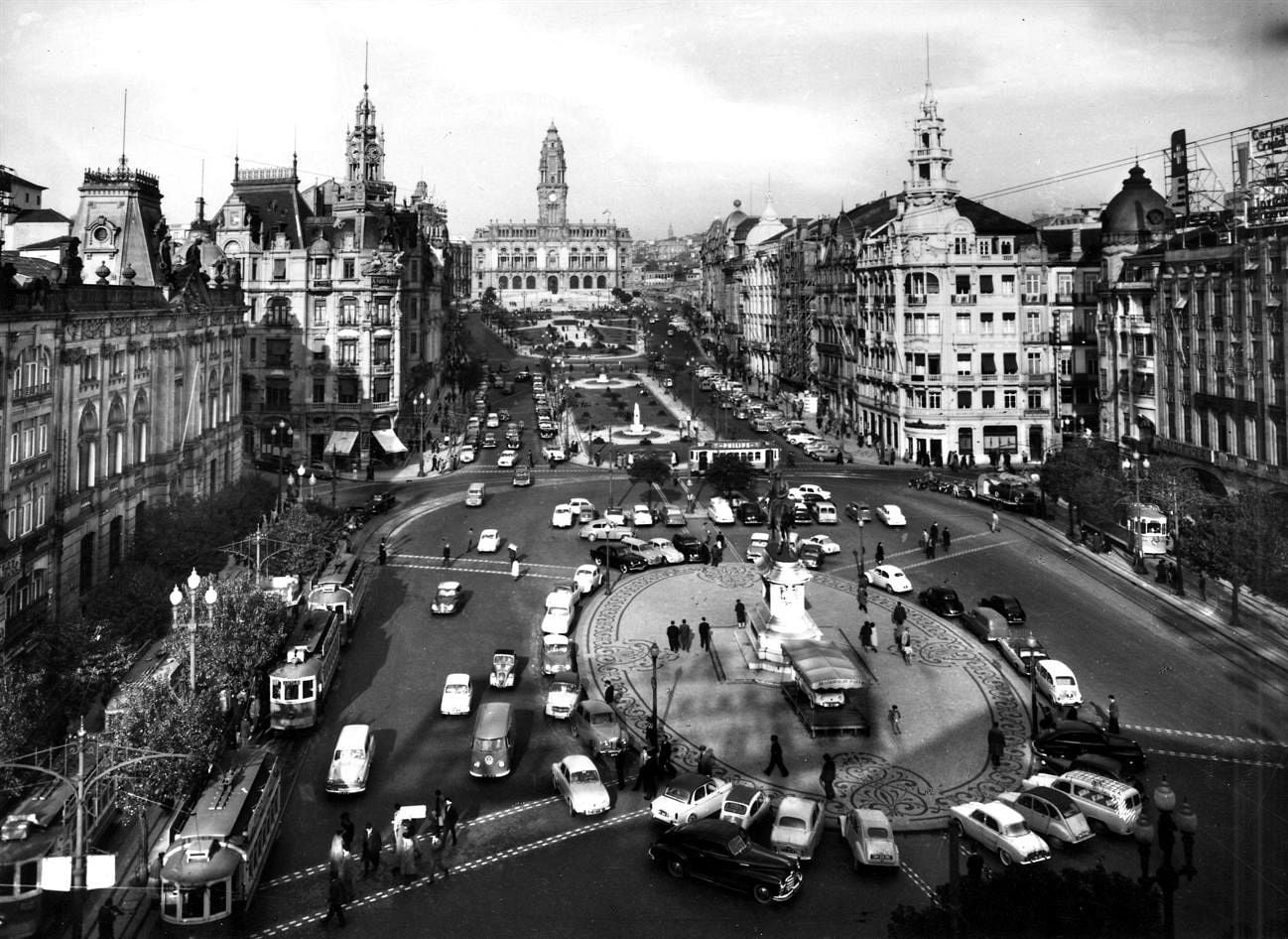
Porto, also known as Oporto, is a historic and vibrant city located on the northwest coast of Portugal. It is the second-largest city in the country and has a rich history dating back thousands of years.
The origins of Porto can be traced back to the Roman period when it was known as Portus Cale, a bustling trading port. The city prospered under Roman rule and continued to flourish during the Moorish occupation in the 8th century. However, it was in the 12th century that Porto gained significant importance when it became the capital of the County of Portugal.
During the Age of Discoveries in the 15th and 16th centuries, Porto played a crucial role as a departure point for numerous voyages of exploration. It was from the nearby city of Gaia that many of the famous Portuguese explorers, such as Vasco da Gama and Ferdinand Magellan, set sail to discover new trade routes and expand Portugal’s global influence. This period of exploration brought wealth and prosperity to Porto, leading to the construction of grand buildings, churches, and impressive infrastructure.
One of the most iconic symbols of Porto’s history is the Ribeira district, a UNESCO World Heritage site. Its narrow and picturesque streets are lined with colorful buildings, and it offers stunning views of the Douro River and the iconic Dom Luís I Bridge, designed by Gustave Eiffel’s apprentice. The Ribeira district is the historic heart of the city and showcases the traditional architecture and charm that Porto is renowned for.
Another architectural gem is the Porto Cathedral, known as Sé do Porto, which dates back to the 12th century. This Romanesque-style cathedral is a magnificent structure that dominates the city’s skyline and offers panoramic views from its terrace. It is a must-visit site for history enthusiasts and those interested in religious and architectural history.
Porto is also famous for its production of port wine, a fortified wine that has been a hallmark of the city for centuries. The port wine cellars are located across the Douro River in Vila Nova de Gaia, and they offer tours and tastings, providing visitors with a chance to learn about the production process and sample various types of port wines.
In recent years, Porto has experienced a renaissance and has become a popular tourist destination. Its vibrant atmosphere, cultural events, and thriving art scene have contributed to its growing appeal. The city boasts numerous museums, art galleries, and performance venues, including the renowned Casa da Música, a modern concert hall designed by Dutch architect Rem Koolhaas.
Exploring Porto’s neighborhoods is a delight in itself. From the trendy and bohemian Rua das Flores to the lively student area of Cedofeita, each district has its own unique character, offering a blend of historical landmarks, trendy shops, traditional cafes, and modern eateries.
Finally, the friendly and welcoming nature of the people of Porto adds to the city’s charm. The locals, known as “Portuenses,” take great pride in their city and are always willing to share their stories, traditions, and gastronomic delights with visitors.
In summary, Porto is a city with a fascinating history, stunning architecture, and a vibrant cultural scene. Whether you are interested in exploring its historical sites, indulging in its gastronomic offerings, or simply strolling along its picturesque streets, Porto offers a memorable experience that combines tradition and modernity in a unique way.
 Meticulous Meanderings
You must be logged in to post a comment.