
The history of Portugal is rich and complex, spanning over many centuries. Here is a brief overview of its major historical periods:
Ancient and Roman Era (Pre-5th century AD):
The region now known as Portugal has been inhabited since prehistoric times. The area was colonized by various Celtic tribes and later came under Roman rule around the 2nd century BC. The Romans established cities and infrastructure, leaving a lasting impact on the region.
Moorish Rule (8th-12th centuries):
In the 8th century, the Moors, Muslim conquerors from North Africa, invaded the Iberian Peninsula, including the territory of present-day Portugal. For several centuries, much of the region was under Moorish rule, leaving a lasting influence on culture, agriculture, and language.
Reconquista and the Birth of Portugal (12th century):
The Reconquista, a long period of Christian campaigns to recapture the Iberian Peninsula from the Moors, began in the 11th century. In 1139, Portugal’s first king, Afonso Henriques, declared the country’s independence from the Kingdom of León. This marked the foundation of the Kingdom of Portugal, with its capital in Coimbra.
Age of Discoveries (15th-16th centuries):
Portugal’s most significant historical period was the Age of Discoveries, beginning in the 15th century. Explorers like Prince Henry the Navigator, Bartholomew Dias, and Vasco da Gama embarked on maritime expeditions, establishing trade routes and colonies in Africa, Asia, and the Americas. This era marked Portugal’s global expansion and brought immense wealth and influence to the country.
Union with Spain (1580-1640):
Following a succession crisis in 1580, Portugal was united with the Kingdom of Spain under the rule of King Philip II. This period, known as the Iberian Union, lasted for over six decades. Portugal’s autonomy and global influence diminished during this time.
Restoration of Independence (1640):
In 1640, Portugal regained its independence after a successful revolution against Spanish rule. The House of Braganza came to power, and João IV became the first monarch of the Braganza dynasty.
Colonial Expansion and Decline (17th-20th centuries):
Portugal continued its colonial expansion, primarily in Brazil, Africa (Angola, Mozambique, Cape Verde, etc.), and Asia (Goa, Macau, East Timor, etc.). However, by the 19th century, Portugal’s empire began to decline, facing conflicts, revolts, and pressures for decolonization.
Transition to Democracy (20th century):
In the early 20th century, Portugal underwent significant political changes. In 1910, the monarchy was overthrown, and Portugal became a republic. The country faced political instability, including a military dictatorship under António de Oliveira Salazar from 1932 to 1968. The dictatorship was later replaced by a military junta, which was overthrown in the Carnation Revolution of 1974.
Modern Portugal (1974-present):
The Carnation Revolution led to the establishment of democracy in Portugal. The country experienced economic development, joined the European Union in 1986, and adopted the euro as its currency in 2002. Portugal has since become a stable democracy and a member of several international organizations.
Exploration
Portuguese explorers played a significant role in shaping the world during the Age of Discovery, which spanned from the 15th to the 17th century. Their expeditions and discoveries had a profound influence on various aspects of global history, including trade, navigation, cartography, cultural exchange, and colonization. Here are some key contributions and impacts of Portuguese explorers:
Maritime Exploration: Portuguese explorers, most notably Vasco da Gama, embarked on ambitious voyages to find new sea routes to Asia. In 1498, Da Gama successfully reached India, establishing the first direct maritime route from Europe to Asia. This accomplishment opened up vast opportunities for trade and established Portugal as a major maritime power.
Trade and Commerce: Portuguese explorers played a crucial role in the development of global trade networks. They established lucrative trade routes, bringing back valuable goods such as spices, silk, and precious metals from Asia. This led to the growth of trade and the establishment of trading posts and colonies along the African and Asian coasts.
Cartography and Navigation: Portuguese explorers made significant advancements in navigation and cartography. They developed new navigational instruments, such as the astrolabe and the quadrant, and refined the use of the magnetic compass. Additionally, they created more accurate maps and charts, improving the knowledge of the world’s geography.
Cultural Exchange: Portuguese explorers facilitated cultural exchange between Europe, Africa, and Asia. They encountered diverse societies, establishing trade relations and exchanging ideas, technologies, and knowledge. This interaction contributed to the enrichment of European culture and scientific advancements.
Colonization and Empire: Portuguese explorers were instrumental in the establishment of overseas colonies and the formation of a vast maritime empire. They founded colonies in strategic locations, including Brazil, Angola, Mozambique, Goa (India), Macau (China), and Timor (Indonesia). These colonies served as important trading posts and provided Portugal with economic wealth and geopolitical influence.
Impact on European Powers: The Portuguese explorations inspired other European nations, such as Spain, England, France, and the Netherlands, to undertake their own expeditions and establish their colonial empires. The knowledge gained from Portuguese explorers laid the foundation for future European expansion and dominance.
Scientific and Technological Advances: Portuguese explorers contributed to scientific and technological progress. They studied natural phenomena, such as ocean currents, wind patterns, and marine life, enhancing scientific understanding. Additionally, their voyages stimulated advancements in shipbuilding, navigation, and astronomy.
Overall, the Portuguese explorers’ voyages had a transformative impact on global history. They opened up new trade routes, expanded geographical knowledge, fostered cultural exchange, and laid the groundwork for the European colonial era. Their influence can still be seen today in the shared cultural heritage and historical connections between Portugal and the regions they encountered.
Notable People
Portuguese history is rich with notable individuals who have made significant contributions to various fields. Here are some of the most significant people in Portuguese history:
Henry the Navigator (1394-1460): Infante Dom Henrique, also known as Henry the Navigator, played a crucial role in Portugal’s Age of Discovery. He sponsored numerous voyages of exploration and helped establish Portugal as a global maritime power.
Vasco da Gama (1460-1524): Vasco da Gama was a Portuguese explorer who led the first naval expedition from Europe to India, opening a direct sea route to the East. His voyage marked a major milestone in the European Age of Discovery and expanded Portugal’s influence in the Indian Ocean.


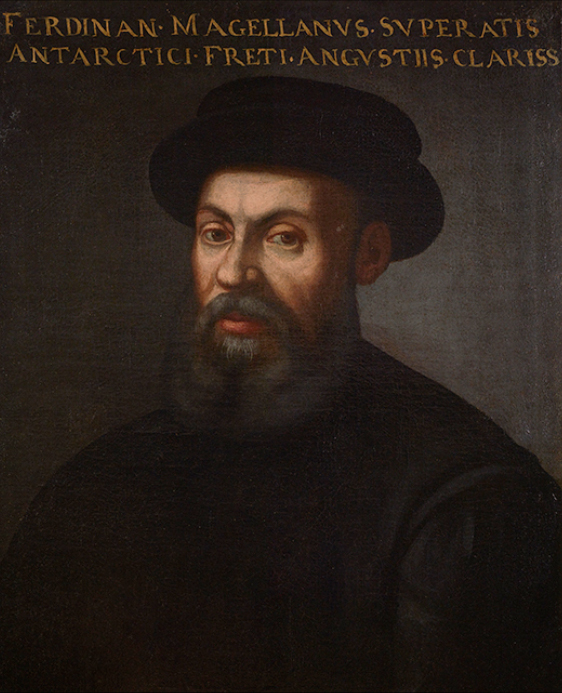
Ferdinand Magellan (1480-1521): Although born in Portugal, Ferdinand Magellan is best known for leading the first circumnavigation of the globe under the Spanish crown. His voyage, which commenced in 1519, demonstrated that the Earth was round and significantly advanced global navigation.
King Afonso Henriques (1109-1185): Afonso Henriques was the first King of Portugal and played a pivotal role in the establishment of an independent Portuguese kingdom. He led successful military campaigns against the Moors and laid the foundation for Portugal’s future growth.
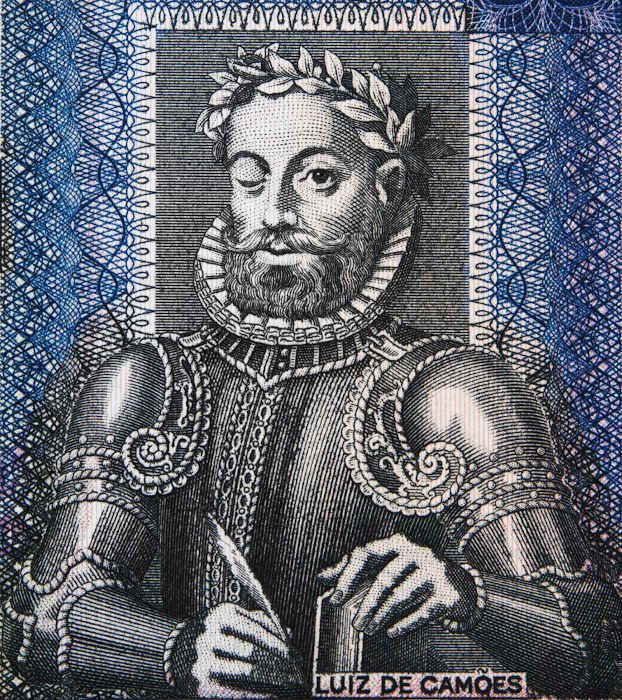
Luís de Camões (1524-1580): Luís de Camões was a renowned poet and author, best known for his epic poem “Os Lusíadas.” This masterpiece celebrated Portugal’s maritime achievements, including Vasco da Gama’s voyage to India, and is considered one of the greatest works of Portuguese literature.
Marquis of Pombal (1699-1782): Sebastião José de Carvalho e Melo, also known as the Marquis of Pombal, served as the prime minister of Portugal during the reign of King Joseph I. He implemented significant reforms, modernizing the country’s administration, economy, and education system.

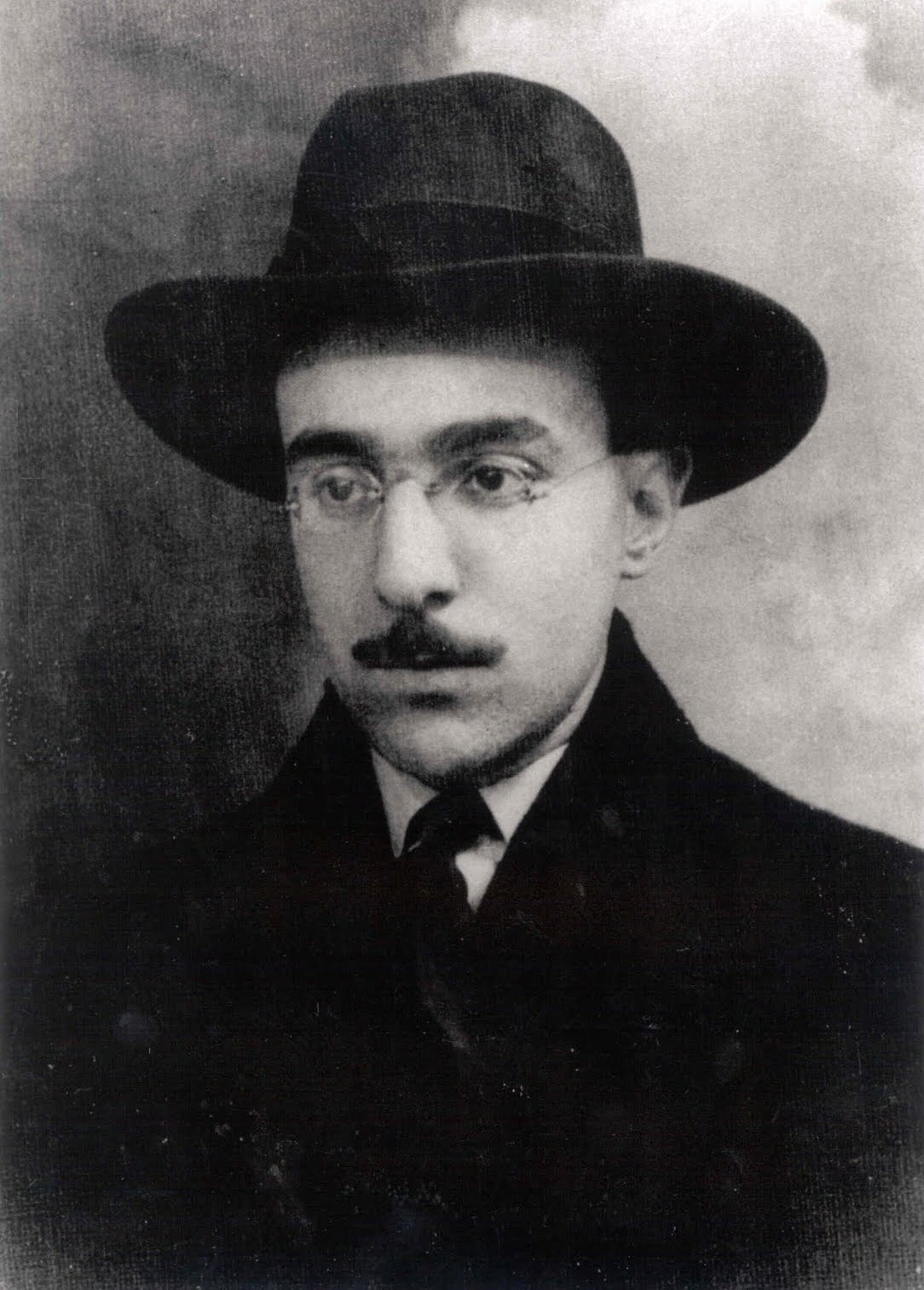
Fernando Pessoa (1888-1935): Fernando Pessoa was a prolific poet, writer, and philosopher. He is considered one of the greatest literary figures in the Portuguese language and is known for his diverse poetic voices and introspective writings.
Amália Rodrigues (1920-1999): Amália Rodrigues, often referred to as the “Queen of Fado,” was a renowned singer and actress. She popularized Fado, a traditional Portuguese music genre, and became an international ambassador for Portuguese culture.

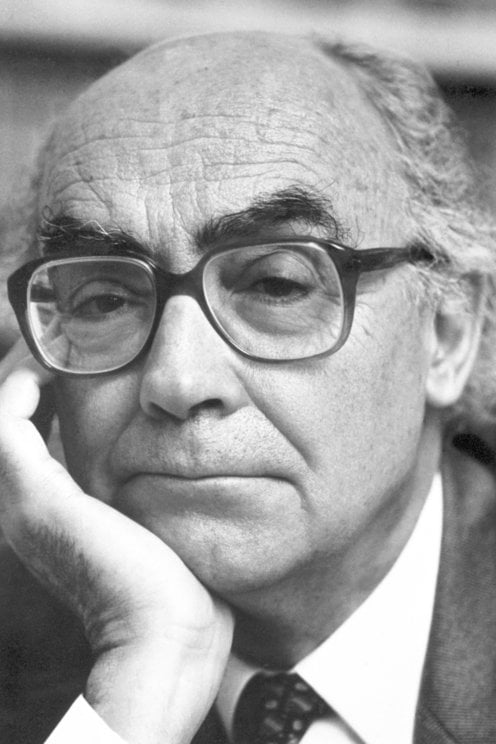
José Saramago (1922-2010): José Saramago was a Nobel Prize-winning novelist and one of Portugal’s most acclaimed writers. His works, such as “Blindness” and “The Gospel According to Jesus Christ,” explore philosophical and social themes, earning him worldwide recognition.
António Guterres (born 1949): António Guterres is a Portuguese diplomat and the current Secretary-General of the United Nations. He has played a crucial role in international affairs, focusing on issues such as climate change, migration, and peacekeeping.

These individuals have left an indelible mark on Portuguese history, whether through their explorations, literature, leadership, or cultural contributions. They represent a diverse range of fields and have shaped Portugal’s legacy on the global stage.
 Meticulous Meanderings
You must be logged in to post a comment.