
The Industrial Revolution was a period of major industrialization that transformed societies from predominantly agrarian economies to ones centered around industry and manufacturing. It began in the late 18th century in Great Britain and gradually spread across Europe, North America, and the rest of the world, lasting roughly from the mid-18th to the mid-19th century. The Industrial Revolution had a profound impact on almost every aspect of human life, including the economy, society, and technology.
Before the Industrial Revolution, most production was done in small-scale workshops or at home, using hand tools and simple machinery. Agriculture was the primary occupation, with the majority of people living in rural areas and engaged in farming. However, several factors emerged in Britain that set the stage for the revolution.
One crucial factor was the agricultural revolution that took place in the 18th century. Innovations such as selective breeding, crop rotation, and improved farming techniques led to increased agricultural productivity. This resulted in a surplus of food and a population growth, freeing up labor for other industries.
Another significant factor was Britain’s abundant natural resources, including coal and iron ore, which were essential for industrial development. Additionally, Britain had a stable political climate, a powerful navy protecting its trade routes, and a strong financial system that provided capital for investments.
The textile industry played a central role in the early stages of the Industrial Revolution. Innovations in the textile sector, such as the spinning jenny, water frame, and power loom, revolutionized the production of textiles, making it more efficient and cost-effective. This led to the rise of factories and the concentration of workers in urban areas.
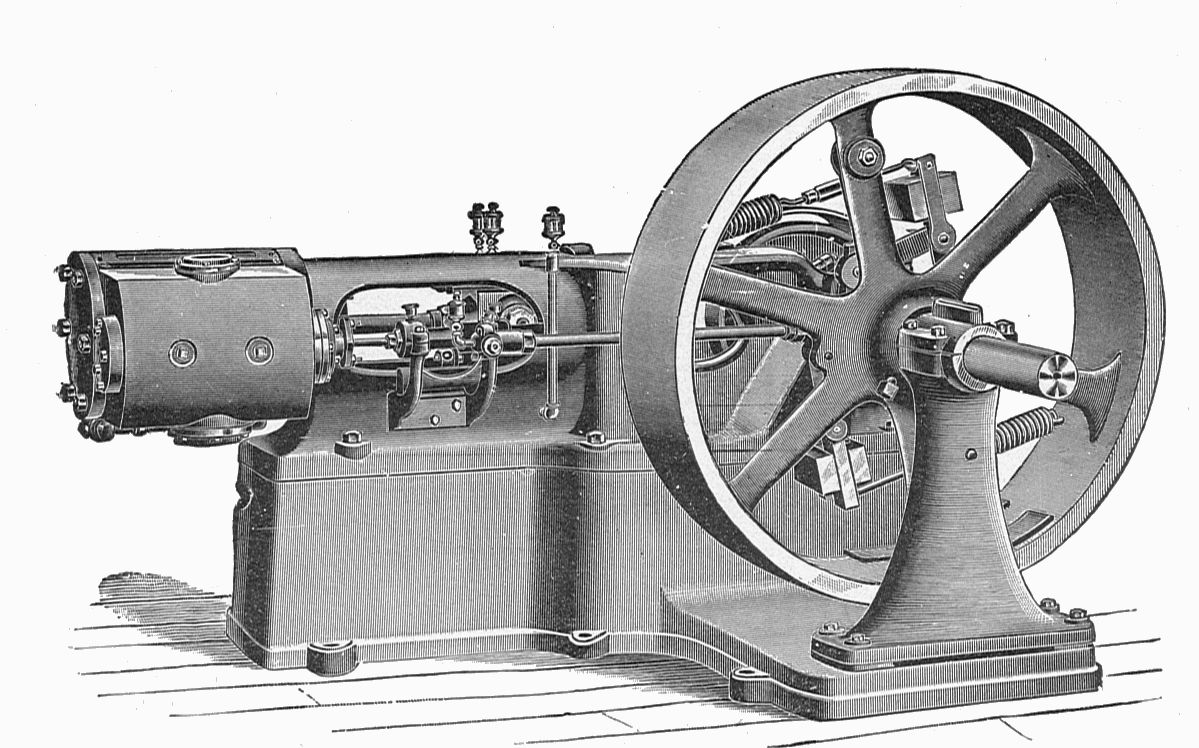
The invention and improvement of steam power were pivotal in driving industrialization forward. James Watt’s steam engine, patented in 1769, became a crucial power source in factories, mines, and transportation. Steam power enabled the mechanization of various industries, such as mining, iron production, and transportation, including the development of steamships and railways.
The rapid growth of the factory system during the Industrial Revolution brought significant social and economic changes. As people migrated from rural areas to cities in search of employment, urban areas expanded, leading to overcrowding, poor living conditions, and the emergence of slums. The factory system introduced the concept of wage labor, with workers, including women and children, working long hours under harsh conditions.
The Industrial Revolution also brought advancements in transportation and communication. The development of canals, followed by the construction of railways, facilitated the movement of goods and people across long distances, opening up new markets and stimulating economic growth. The invention of the telegraph revolutionized communication by enabling rapid transmission of information over long distances.
The Industrial Revolution eventually spread to other countries, notably Western Europe and North America. The United States experienced its own industrialization in the 19th century, focusing on industries such as steel, textiles, and manufacturing.
While the Industrial Revolution brought unprecedented economic growth and technological advancements, it also resulted in significant social and environmental challenges. The working conditions in factories were often dangerous and exploitative, leading to the emergence of labor movements and the fight for workers’ rights. The rapid industrialization also had detrimental effects on the environment, leading to pollution and resource depletion.
Nonetheless, the Industrial Revolution marked a fundamental shift in human history, transforming societies and laying the foundation for the modern industrialized world. It set the stage for further technological advancements, the rise of capitalism, and the emergence of new social and political ideologies.

 Meticulous Meanderings
You must be logged in to post a comment.