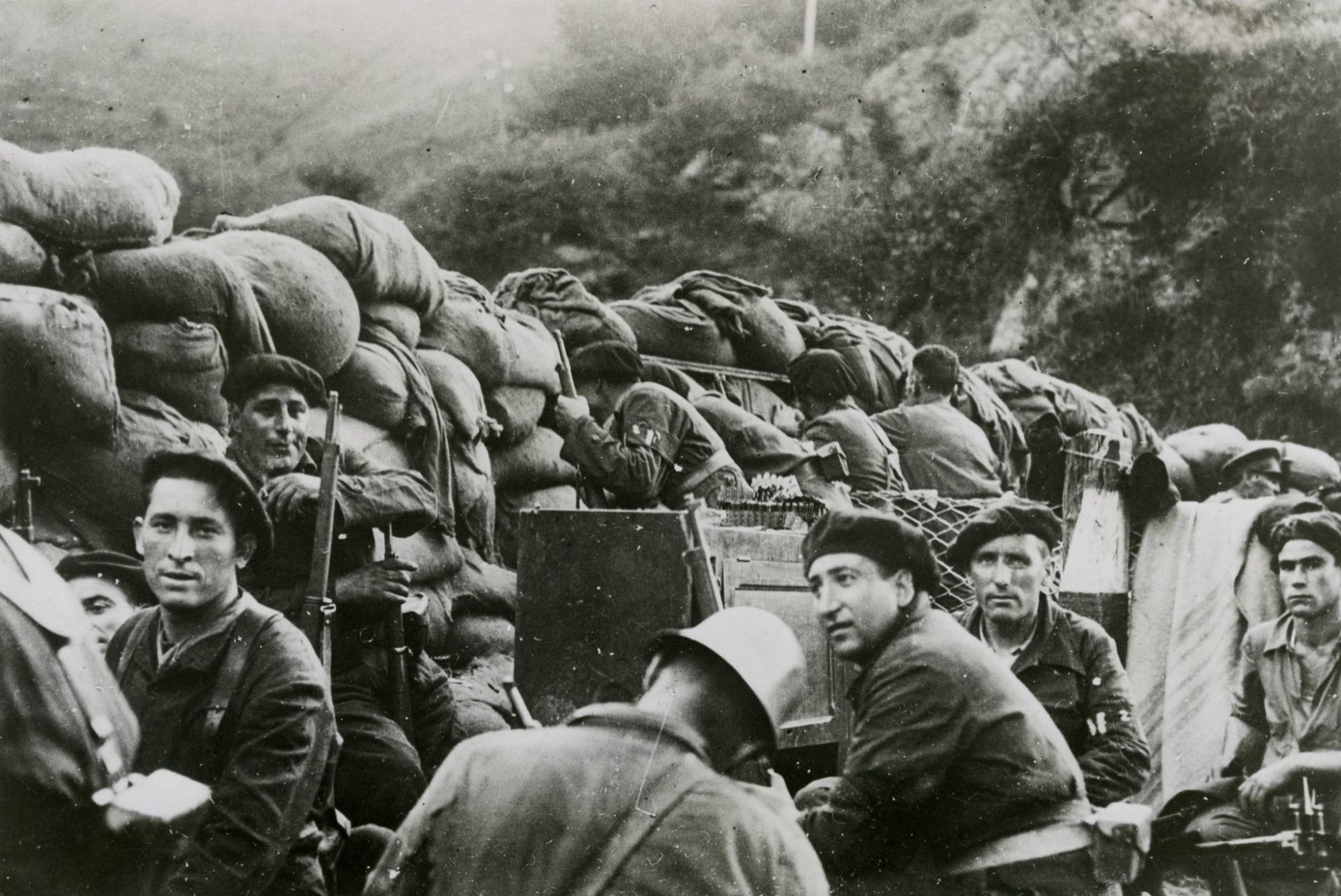
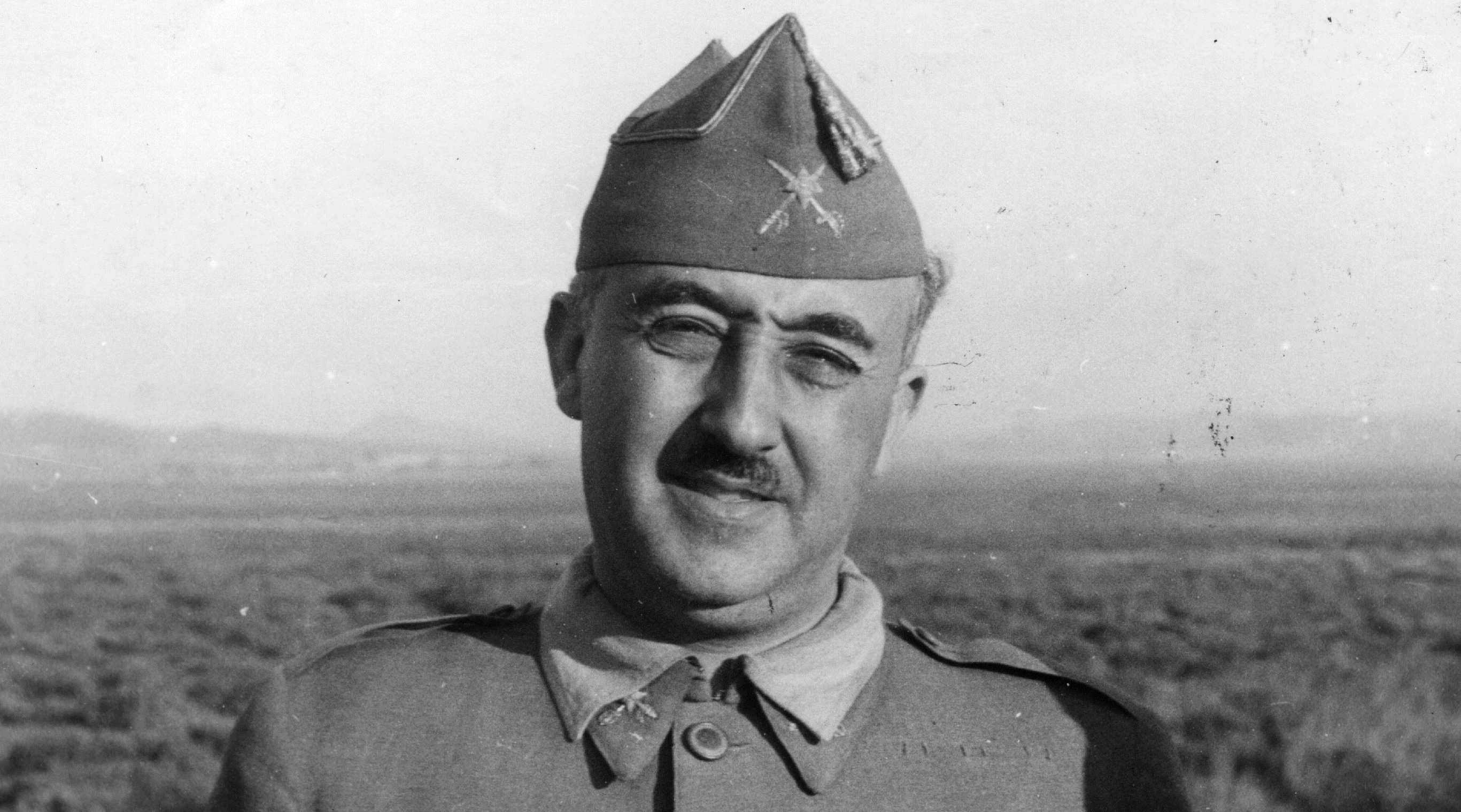
The Spanish Civil War was a conflict that took place in Spain from 1936 to 1939. It was fought between the Republicans, who were a coalition of leftist, liberal, and socialist groups, and the Nationalists, led by General Francisco Franco, who represented right-wing and conservative factions. The war had far-reaching political, social, and international implications.
The Spanish Civil War was triggered by a series of political and social tensions in Spain. In the 1930s, Spain was grappling with economic hardships, social inequality, and political instability. The ruling monarchy was overthrown in 1931, leading to the establishment of the Second Spanish Republic. However, the republic faced numerous challenges, including conflicts between left-wing and right-wing groups, regional tensions, and the rise of extremist ideologies.
In 1936, a right-wing military uprising, led by General Francisco Franco, sought to overthrow the republic. The Nationalists, backed by conservative elements within Spain and supported by fascist Italy and Nazi Germany, aimed to establish a totalitarian regime. On the other hand, the Republicans, supported by leftist factions, anarchists, and international volunteers, fought to defend the republic and its democratic institutions.

The conflict quickly escalated into a full-scale civil war, with both sides engaging in intense fighting across Spain. The war witnessed significant atrocities and brutalities committed by both sides. Cities such as Madrid, Barcelona, and Valencia became important battlegrounds. The Republicans were initially fragmented, with different factions vying for control, but eventually formed a unified Popular Front government.
The war drew international attention and involvement. While fascist Italy and Nazi Germany supported the Nationalists by providing troops, military aid, and air support, the Republican side received assistance from the Soviet Union, international brigades, and volunteers from around the world who joined the International Brigades.

The Spanish Civil War witnessed some notable events, such as the Siege of Madrid, the bombing of Guernica (which inspired Pablo Picasso’s famous painting), and the Battle of Ebro. It was also marked by political and ideological divisions, with anarchists, socialists, and communists having different visions for Spain’s future.

In 1939, after three years of intense conflict, the Nationalists emerged victorious. General Francisco Franco established a dictatorial regime, known as Francoist Spain, which lasted until his death in 1975. The civil war had a profound impact on Spain, with thousands of casualties, widespread repression, and a long-lasting legacy of political divisions and collective trauma.
The Spanish Civil War is often seen as a precursor to World War II, as it served as a testing ground for new military strategies and technologies. It also represented a struggle between fascism and democracy and had significant implications for the geopolitical landscape of Europe at the time.
 Meticulous Meanderings
You must be logged in to post a comment.