
The Visigoths were a Germanic people who played a significant role in the history of Europe during the late Roman Empire and the early Middle Ages. Originally part of a larger group known as the Goths, they emerged as a distinct branch and eventually established their own kingdom on the Iberian Peninsula.
The Goths themselves were an East Germanic people who first appeared in history in the 3rd century. They were initially divided into two major branches: the Ostrogoths (Eastern Goths) and the Visigoths (Western Goths). The Visigoths, in particular, played a prominent role in the decline and fall of the Western Roman Empire.
In the 4th century, the Visigoths came into contact with the Roman Empire and became allies of Rome. They served as foederati, Germanic tribes contracted by the Romans to provide military assistance in exchange for land and other benefits. The Visigoths were settled in the Roman province of Dacia (located in modern-day Romania) and were gradually Romanized.
However, tensions between the Visigoths and the Roman authorities grew, mainly due to mistreatment and broken promises by the Romans. In 376, the Visigoths, under their leader Fritigern, rose in rebellion against the Roman Empire. This event marked the beginning of a series of conflicts between the Visigoths and Rome that would last for several decades.
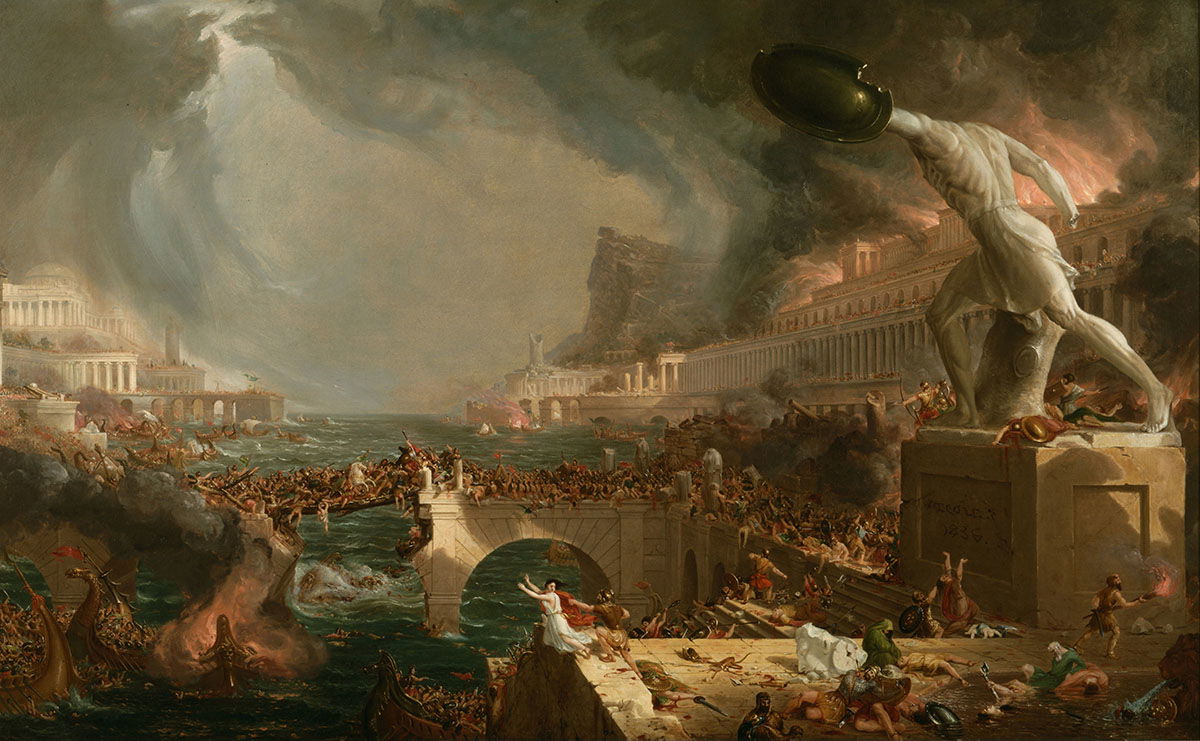
In 410, under the leadership of Alaric I, the Visigoths sacked the city of Rome, a significant event that shocked the world and symbolized the decline of the Western Roman Empire. The Visigoths subsequently settled in Gaul (modern-day France) and eventually established their own kingdom in Aquitaine.
In 507, the Visigothic kingdom in Gaul was defeated by the Frankish king Clovis I, and the Visigoths were forced to retreat further south into the Iberian Peninsula. They established their new capital at Toledo in Spain and formed the Visigothic Kingdom of Hispania, which lasted for over two centuries.
:max_bytes(150000):strip_icc():format(webp)/clovis-nuremberg-56a48f4b5f9b58b7d0d78b5e.jpg)
During their rule in Hispania, the Visigoths faced internal struggles for power and external threats from the Byzantine Empire in the south and various Muslim invasions from North Africa. In 711, the Visigothic kingdom was finally conquered by the Umayyad Caliphate, led by the general Tariq ibn Ziyad. This marked the beginning of Muslim rule in most of the Iberian Peninsula, known as Al-Andalus.
Although the Visigothic kingdom fell, the Visigoths themselves did not disappear entirely. Some Visigoths managed to survive and preserve their culture, either by assimilating into the Muslim society or by seeking refuge in the northern Christian realms of the peninsula. Over time, the Visigoths were gradually assimilated into the broader Spanish population.
The history of the Visigoths represents a significant period of transition in Europe, where Germanic tribes clashed with the declining Roman Empire and played a role in shaping the subsequent medieval kingdoms and societies that emerged on the continent.

 Meticulous Meanderings
You must be logged in to post a comment.