
Tucson, Arizona has a varied history shaped by its location and the diverse cultures that have called it home over thousands of years.
Early History: Tucson’s history begins with indigenous peoples, particularly the Hohokam and later the Tohono O’odham and Pascua Yaqui tribes. These groups settled along the Santa Cruz River, utilizing irrigation to cultivate crops in the arid desert environment.
Spanish Arrival: In 1692, Spanish missionaries and explorers arrived in the area, establishing the Presidio San Agustín del Tucsón to protect settlers from Native American raids and to facilitate trade. The town grew around the presidio, becoming a center for ranching, agriculture, and trade.

Mexican Period: After Mexico gained independence from Spain in 1821, Tucson became part of Mexico. During this time, Tucson experienced growth as a stop on the trade route between Sonora and California.
American Territory: Following the Mexican-American War (1846-1848), Tucson became part of the United States in 1854 under the Gadsden Purchase. This purchase established the southern border of present-day Arizona and New Mexico.

Wild West Era: Tucson played a significant role in the Wild West era, being a lively frontier town with saloons, gunfights, and a diverse population of cowboys, miners, and merchants.
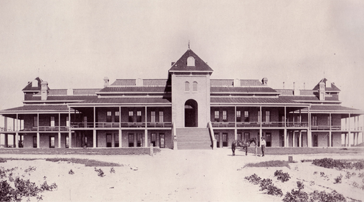
20th Century Growth: Tucson’s growth accelerated in the early 20th century with the arrival of the railroad and the establishment of Davis-Monthan Air Force Base during World War II. The University of Arizona, founded in 1885, also contributed to the city’s development as an educational and cultural center.
Modern Tucson: In recent decades, Tucson has grown into a major city known for its vibrant arts scene, diverse population, and outdoor recreational opportunities. It’s also recognized for its astronomy and desert ecology research, supported by institutions like the Kitt Peak National Observatory and the Arizona-Sonora Desert Museum.
Throughout its history, Tucson has maintained a unique blend of Native American, Hispanic, and Anglo influences, shaping its cultural identity and making it one of the most distinctive cities in the American Southwest.
 Meticulous Meanderings