
The Basque culture and history are rich and distinctive, characterized by a strong sense of identity and a unique language known as Euskara. The Basques are an indigenous ethnic group primarily inhabiting a region called the Basque Country, which straddles the border between Spain and France.
History:
The origins of the Basque people and their language remain a subject of debate among historians and linguists. Basque culture has ancient roots that can be traced back for thousands of years. The Basques have inhabited the region for centuries and have a history of resisting outside influences and maintaining their distinct identity.
Throughout history, the Basques have faced various challenges, including invasions and attempts at assimilation by surrounding powers. The region witnessed Roman rule, the arrival of Germanic tribes, and the influence of the Visigoths and Moors. However, the Basques managed to preserve their cultural and linguistic identity.
During the Middle Ages, the Basque Country was divided into several independent territories, each with its own political and administrative systems. The Basque people developed a unique legal tradition called the fueros, which granted them self-governance and a degree of autonomy.
In the modern era, the Basque Country became a contested region between Spain and France. The Spanish Basque Country experienced the Spanish Civil War (1936-1939) and later faced the repressive policies of Francisco Franco’s dictatorship (1939-1975). The Basque nationalist movement, particularly represented by the armed group ETA, emerged during this period to fight for Basque independence. In recent decades, there has been a shift towards a more peaceful approach to achieving Basque autonomy.

Culture:
Basque culture is characterized by its strong sense of community, pride in their heritage, and a focus on preserving their traditions. Some key aspects of Basque culture include:
- Language: Euskara, the Basque language, is one of the oldest living languages in Europe and is unrelated to any other known language. The Basques take great pride in their language and efforts have been made to promote its use and preservation.
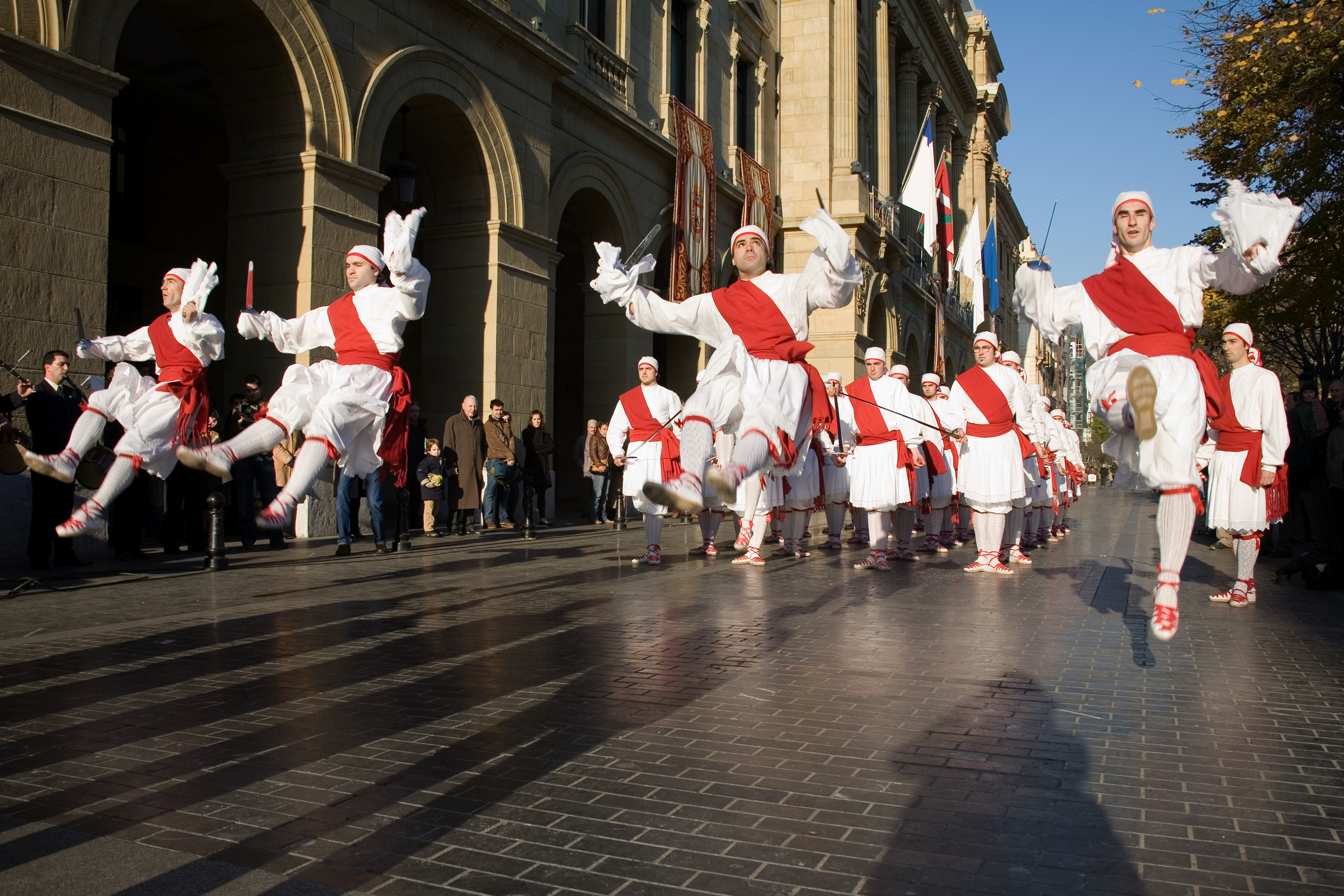
- Festivals and Celebrations: Basques are known for their vibrant festivals, often featuring traditional music, dance, and sports. The most famous festival is the Semana Grande in Bilbao, which attracts visitors from around the world.
- Cuisine: Basque cuisine is renowned for its quality and diversity. Pintxos, small finger foods served in bars, are a popular culinary tradition. The region also boasts numerous Michelin-starred restaurants and is known for its seafood, cheeses, and wines.
- Rural Traditions: Basque society has historically been tied to agriculture and pastoralism. The rural areas maintain strong cultural traditions, including rural sports such as Basque pelota (a handball game) and rural festivals.
- Art and Crafts: Basque culture has a rich artistic tradition, including traditional crafts such as pottery, woodcarving, and textile weaving. The region is also known for its contemporary art scene, with Bilbao hosting the renowned Guggenheim Museum.
The Basque culture and history reflect a resilient and distinctive identity that has endured for centuries. The Basque people have strived to maintain their language, traditions, and aspirations for self-governance, contributing to a unique cultural heritage within Europe.


 Meticulous Meanderings
You must be logged in to post a comment.