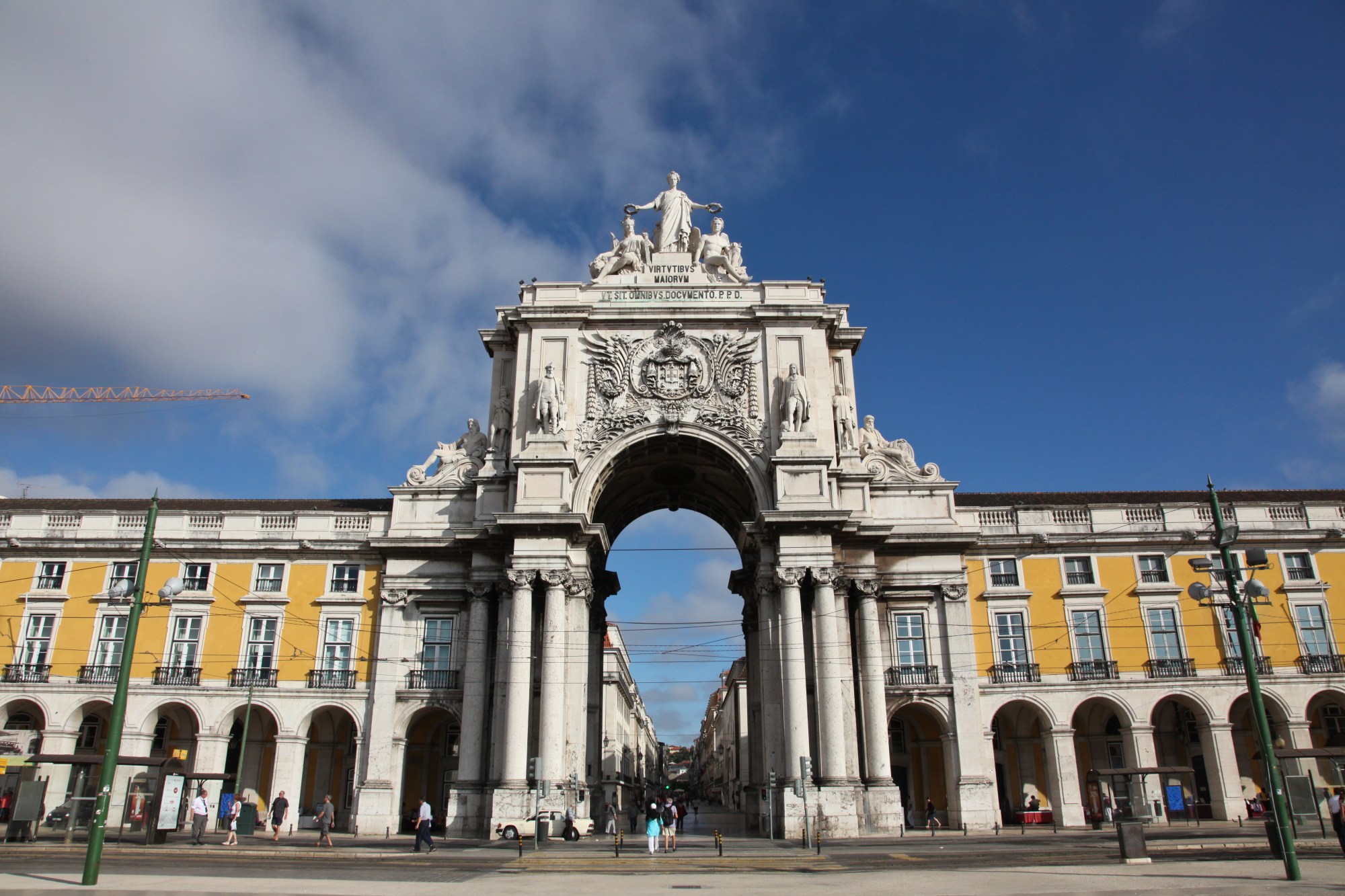
The Lisbon earthquake of 1755 was a devastating natural disaster that occurred on November 1, 1755, in Lisbon, Portugal. It is considered one of the most destructive earthquakes in history, not only due to its intensity but also because of the widespread destruction and loss of life that followed. Here is a description of the earthquake and its aftermath:
The earthquake struck early in the morning and lasted for approximately six minutes, estimated to have a magnitude between 8.5 and 9 on the Richter scale. It originated in the Atlantic Ocean, off the southwest coast of Portugal, and caused intense shaking that was felt throughout the Iberian Peninsula and even as far as Morocco, Ireland, and Brazil.
The initial tremors were followed by three massive waves of a tsunami that struck the coastal areas, including Lisbon. These waves further added to the destruction and loss of life, as they engulfed the city’s waterfront and low-lying areas. The combination of the earthquake and the tsunami resulted in extensive damage to buildings, infrastructure, and human lives.
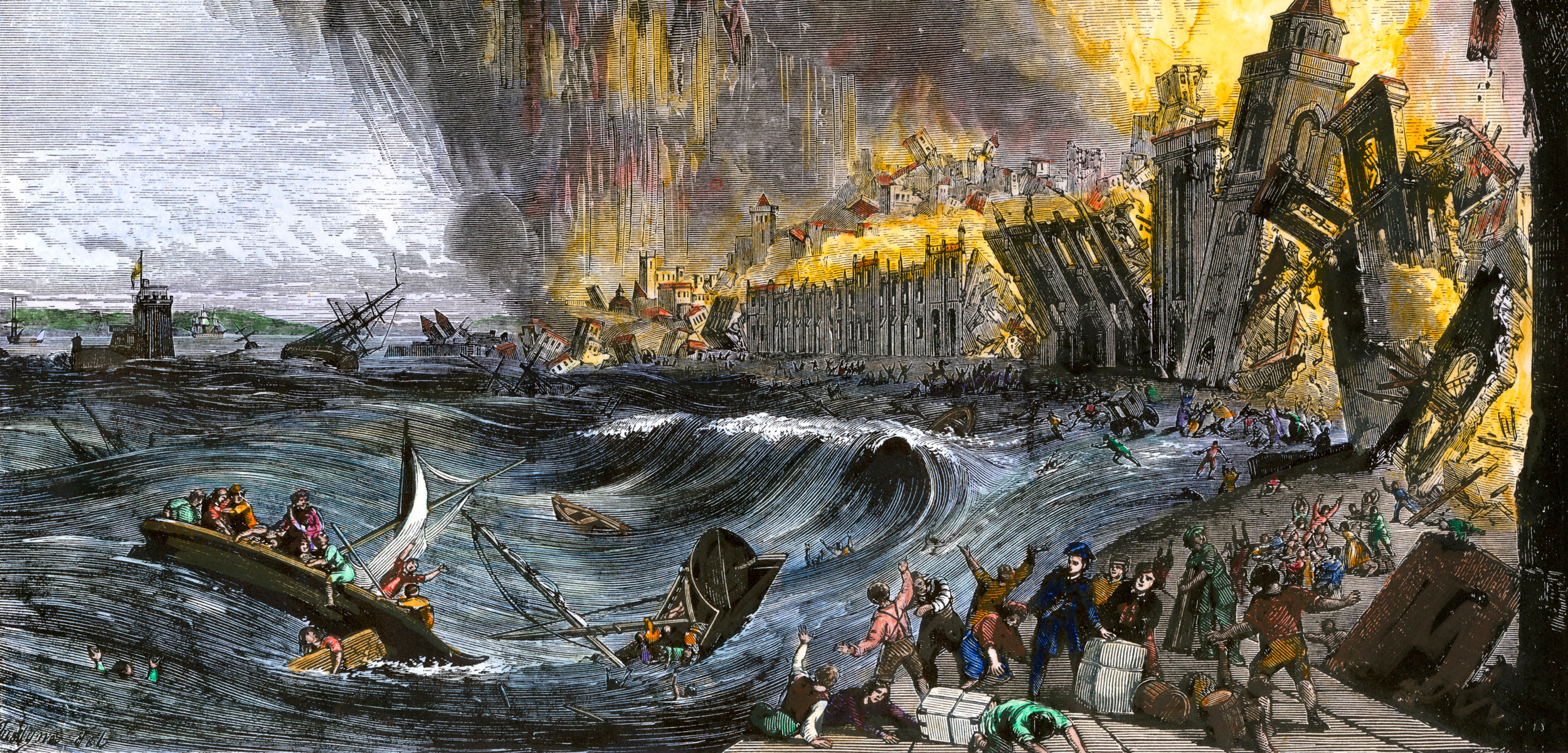
Lisbon, being a major urban center and a hub of political, economic, and cultural activities, suffered catastrophic consequences. The city was largely built with traditional, non-earthquake-resistant structures, which contributed to the devastation. The shaking caused buildings to collapse, triggering fires that quickly spread throughout the city due to the prevalent use of candles and oil lamps.
The aftermath of the earthquake was marked by widespread chaos, panic, and the loss of an estimated 60,000 to 100,000 lives, though the exact number remains uncertain. The casualties were not only limited to Lisbon but also affected nearby towns and coastal areas. The destruction of infrastructure and the loss of key personnel disrupted governance, trade, and daily life in the region.
The disaster had profound social, cultural, and political consequences. It shook the faith of the population, as Lisbon was a deeply religious city, and the earthquake struck on All Saints’ Day when many were attending church services. The event led to questioning and debates about religious beliefs and the existence of a benevolent God in the face of such devastation.
In addition to the immediate impact, the Lisbon earthquake of 1755 had significant long-term effects. It spurred scientific inquiry and advancements in seismology, as scholars and thinkers sought to understand the causes and effects of earthquakes. The event also influenced philosophical and intellectual discussions during the Enlightenment period, leading to debates about human suffering, the nature of disaster, and the role of government in response and recovery.
The disaster prompted extensive efforts to rebuild and modernize Lisbon. The reconstruction focused on implementing new architectural and urban planning techniques, incorporating earthquake-resistant designs, wider streets, and more open spaces. The rebuilding process took years to complete but ultimately transformed Lisbon into a modern European city.
Rebuilding
The rebuilding of Lisbon after the devastating earthquake of 1755 marked a significant turning point in the city’s history.
The earthquake’s impact was so severe that it led to a radical transformation of Lisbon’s urban landscape and architectural style. The city’s reconstruction efforts were influenced by Enlightenment ideas and a desire to create a more modern and resilient city. Here are some key aspects of the rebuilding process:
- Urban Planning: The reconstruction of Lisbon embraced new urban planning concepts. A team of engineers, led by Eugénio dos Santos, was appointed to design a new city layout. They introduced wider streets, broader squares, and a grid-like pattern to improve traffic flow and facilitate the evacuation of buildings in case of future emergencies.
- Baixa Pombalina: The downtown area of Lisbon, known as Baixa, was one of the most affected areas. The Marquis of Pombal, the Prime Minister of Portugal at the time, played a crucial role in the city’s reconstruction. He implemented a groundbreaking plan known as the “Pombaline style,” named after him. This architectural style featured earthquake-resistant buildings characterized by sturdy stone walls, iron reinforcements, and wooden frameworks. The buildings were typically designed with arcades on the ground floor to provide stability and shelter. The Baixa Pombalina district stands as a testament to this reconstruction effort and remains an iconic part of Lisbon’s urban fabric.
- Riverfront and Trade: The earthquake caused significant damage to Lisbon’s port area along the Tagus River. During the reconstruction, the riverfront was redesigned and modernized to accommodate increased trade and commerce. The port facilities were expanded, and new warehouses and docks were constructed. This revitalization of the riverfront played a crucial role in the city’s economic recovery.
- Cultural and Architectural Influences: The rebuilding of Lisbon also incorporated cultural and architectural influences from other European cities. Neoclassical and Rococo styles gained prominence, bringing a sense of grandeur and elegance to the city’s new buildings. Palaces, churches, and public buildings were constructed with intricate facades, ornate decorations, and elaborate interiors.


The rebuilding process of Lisbon after the earthquake of 1755 was a massive undertaking that took several years to complete. While the destruction caused immense loss and tragedy, the reconstruction effort transformed Lisbon into a more resilient and modern city. The Pombaline style and the redesigned urban layout continue to define the city’s character, making Lisbon a unique blend of history, culture, and architectural beauty.

 Meticulous Meanderings
You must be logged in to post a comment.