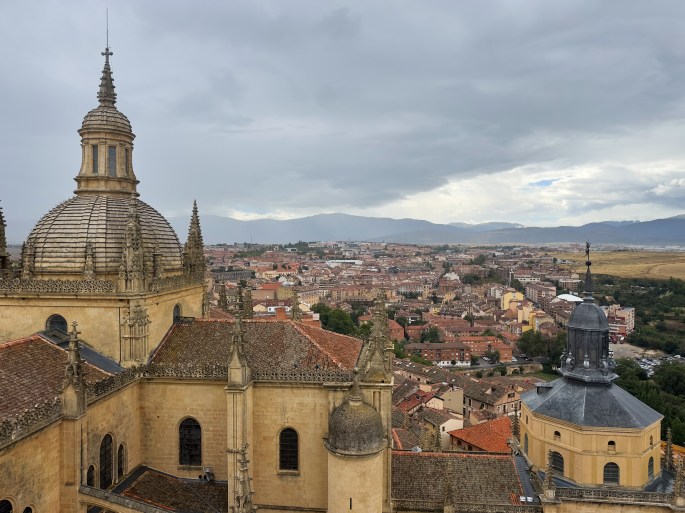
The Catedral de Segovia is a magnificent religious structure located in the historic city of Segovia, Spain. It is considered one of the finest examples of Gothic architecture in the country and holds great historical and cultural significance. The construction of Segovia Cathedral began in the 16th century, following the demolition of the city's former … Continue reading Catedral de Segovia
Tag: 16th Century
Arco de Santa Marรญa
The original Arco de Santa Marรญa was built during the 12th century as part of the wall fortifications for Burgos. It was reconstructed by Charles V, Holy Roman Emperor, during the 16th century. It was built as the main entrance to the city of Burgos, serving as a gateway for those entering the city. The … Continue reading Arco de Santa Marรญa
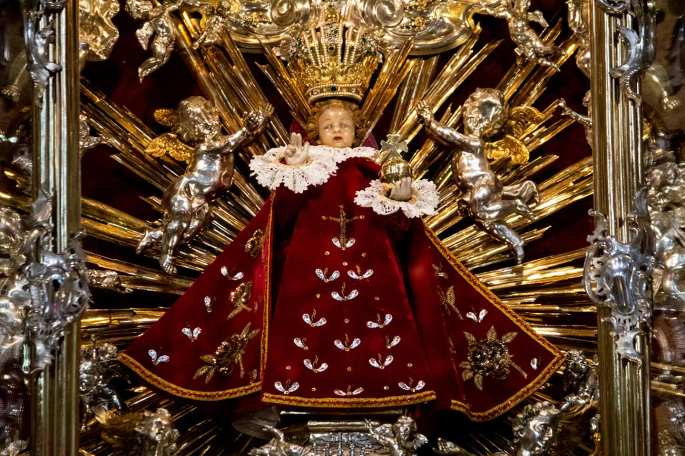
Church of Our Lady Victorious and The Infant Jesus of Prague
(AKA Kostel Panny Marie Vรญtฤznรฉ a Praลพskรฉ Jezulรกtko) The church is a beautiful Baroque-style building, constructed in the 16th century, with intricate architecture and stunning ornamental details. It is situated in the Lesser Town area of Prague, near the Prague Castle and other prominent landmarks, making it easily accessible for visitors. What makes the Church … Continue reading Church of Our Lady Victorious and The Infant Jesus of Prague
Golden Lane
The Golden Lane at Prague Castle is a charming and historic street tucked away within the magnificent Prague Castle complex, located in the heart of the city of Prague, Czech Republic. It is a must-visit destination for anyone interested in history, culture, and picturesque surroundings. The Golden Lane, also known as Zlatรก uliฤka in Czech, … Continue reading Golden Lane
Convento do Pรณpulo
The Convento do Pรณpulo is a remarkable historical site located in the enchanting city of Braga, Portugal. It is an absolute must-visit for anyone interested in exploring the rich cultural heritage and architectural wonders of the region. The convent dates back to the 16th century and is known for its stunning Manueline-style architecture, which is … Continue reading Convento do Pรณpulo
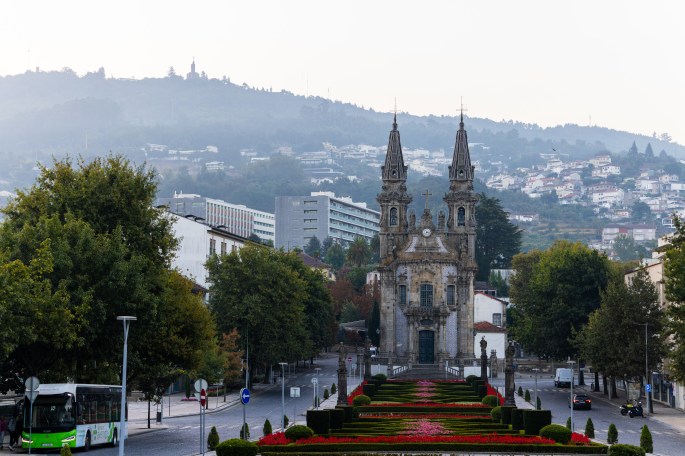
Igreja de Nossa Senhora da Consolaรงรฃo
The Igreja de Nossa Senhora da Consolaรงรฃo e Santos Passos, often simply called the Church of Nossa Senhora da Consolaรงรฃo, is a stunning Baroque and Rococo-style church located in the charming city of Guimarรฃes, Portugal. Its impressive twin-towered faรงade, adorned with elaborate stone carvings and intricate detailing, immediately captures the attention of visitors approaching the … Continue reading Igreja de Nossa Senhora da Consolaรงรฃo
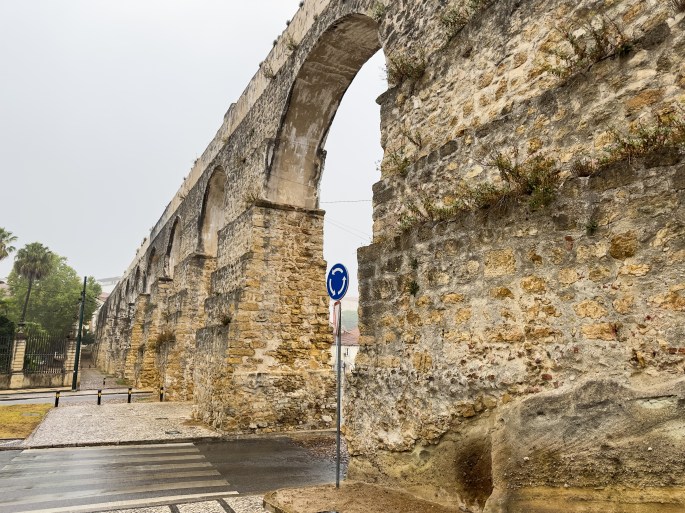
Aqueduto de Sรฃo Sebastiรฃo
The aqueduct is a testament to the ingenuity and engineering prowess of the past, as it was built during the 16th century to supply Coimbra with a reliable water source. The remains of the aqueduct extend for one kilometer near the Coimbra Botanical Garden . As you explore the aqueduct, you'll notice the meticulous craftsmanship … Continue reading Aqueduto de Sรฃo Sebastiรฃo
Sรฉ Nova de Coimbra
The Sรฉ Nova de Coimbra (New Cathedral) is a magnificent cathedral that was constructed in the 16th century, blending Gothic and Renaissance architectural styles. It holds great significance as it replaced the former Sรฉ Velha (Old Cathedral) and became the new religious center of Coimbra. As you approach the cathedral, you'll be greeted by its … Continue reading Sรฉ Nova de Coimbra
Pegรตes Altos Aqueduct
(AKA Convent of Christ Aqueduct, Aqueduto dos Pegรตes) The Aqueduto dos Pegรตes in Tomar, Portugal is a remarkable historical structure that is definitely worth visiting if you have an interest in architectural marvels and the rich history of the region. It is a prime example of the engineering prowess and ingenuity of the Portuguese people. … Continue reading Pegรตes Altos Aqueduct
Agua de Prata Aqueduct
(AKA Aqueduct of Silver Water) Stretching across the charming city of Evora, the aqueduct was built to supply water to the city from the surrounding countryside. It consists of a series of majestic arches that span over valleys and hills, creating an awe-inspiring sight. Built in the 16th century, between 1531 and 1537, the aqueduct … Continue reading Agua de Prata Aqueduct
You must be logged in to post a comment.