Lisbon Military Museum

Chiesa della Pietà

Founded in the 14th century, the Chiesa della Pietà (Church of the Pietà) was originally part of the Ospedale della Pietà, an orphanage and hospital dedicated to abandoned children. This institution quickly became a leader in social welfare, providing shelter, education, and musical training to orphaned girls. The talents and dedication of these young musicians … Continue reading Chiesa della Pietà

Bürgersaalkirche

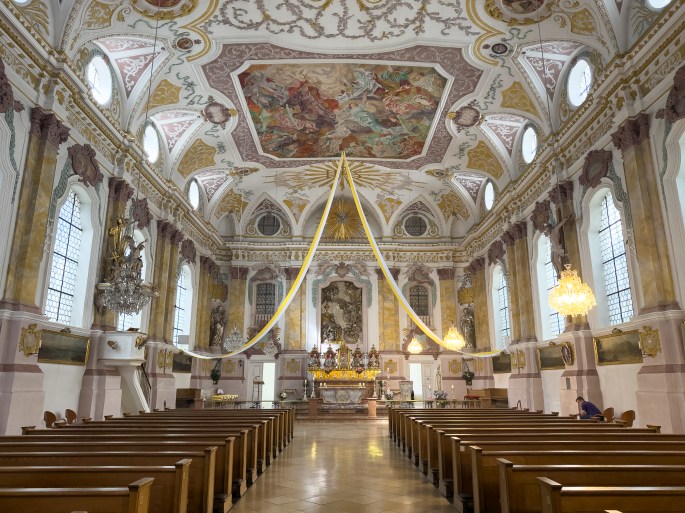
The Bürgersaalkirche (Bürgersaal Church) in Munich is a remarkable Baroque church tucked in the city’s historic center, offering both spiritual significance and artistic beauty. Originally built in the early 18th century as a hall for the Marian Congregation, it later became a full church while retaining its distinctive hall-like structure, which gives the interior an … Continue reading Bürgersaalkirche

Church of Santa Marta, Astorga

Church of Santa Marta

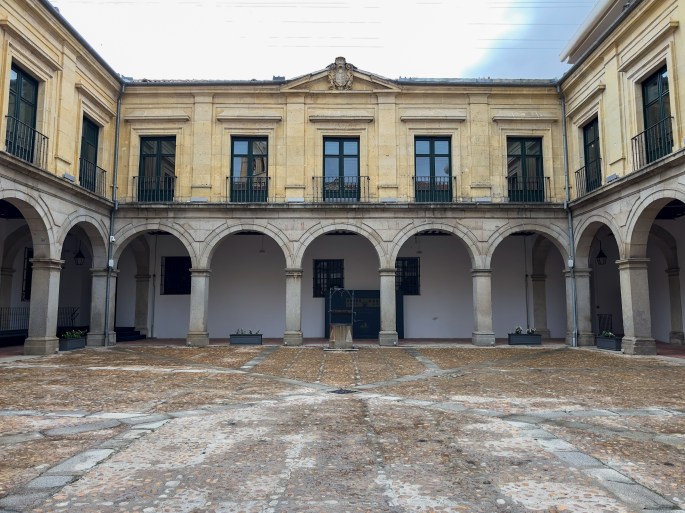
Situated adjacent to the Cathedral in Astorga, Spain, the Church of Santa Marta is a notable example of 18th-century Baroque architecture. According to tradition, it occupies the site of the house of Santa Marta, the city's patron saint. The current structure was constructed between 1738 and 1741 under the guidance of Canon Bartolomé de Loredo, … Continue reading Church of Santa Marta

Lisbon Military Museum

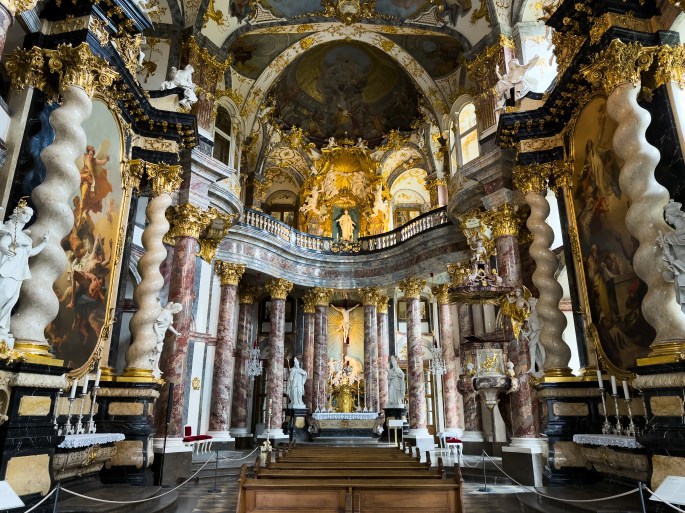
Court Church of the Würzburg Residence

The Court Church of the Würzburg Residence (Hofkirche Allerheiligste Dreifaltigkeit) is a stunning Baroque masterpiece that is well worth a visit while exploring the Würzburg Residence. Built in the 18th century as the private chapel for the Prince-Bishops, this small yet incredibly opulent church is a true hidden gem within the palace complex. Designed by … Continue reading Court Church of the Würzburg Residence

Lisbon Military Museum

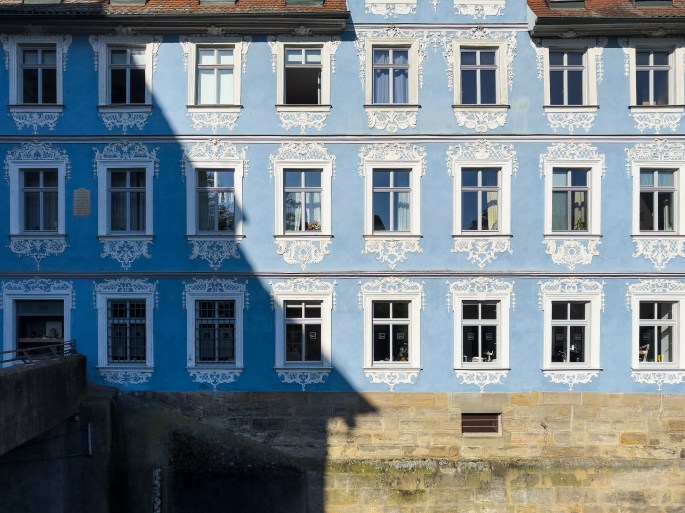
Heller Haus

The Heller Haus in Bamberg is a stunning example of Baroque architecture, located on the upper side of the Old Town. This beautiful townhouse was built in the 18th century and is renowned for its elegant design, including a decorative façade with intricate stucco work and a magnificent front door. The house has a rich … Continue reading Heller Haus

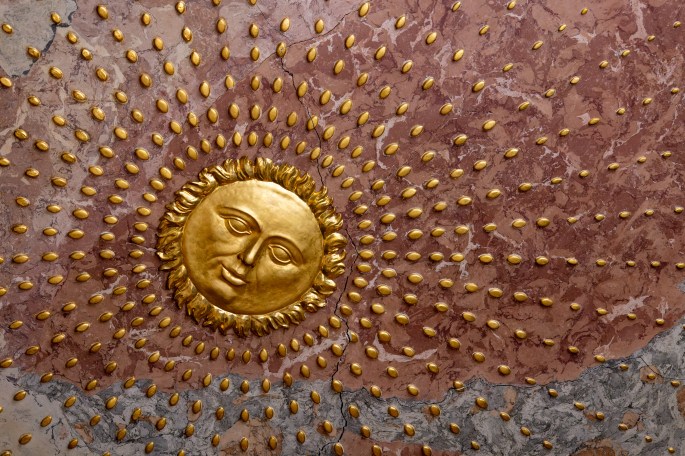
Golden sun in marble

Asamkirche

(AKA Asam Church, Church of St. John Nepomuk) The Asamkirche (Asam Church), officially known as the Church of St. John Nepomuk, is a stunning Baroque masterpiece tucked into the streets of central Munich. Built in the 18th century by the renowned Asam brothers, this small but incredibly ornate church is a must-visit for anyone interested … Continue reading Asamkirche

Daviidos, CC BY-SA 4.0 , via Wikimedia Commons

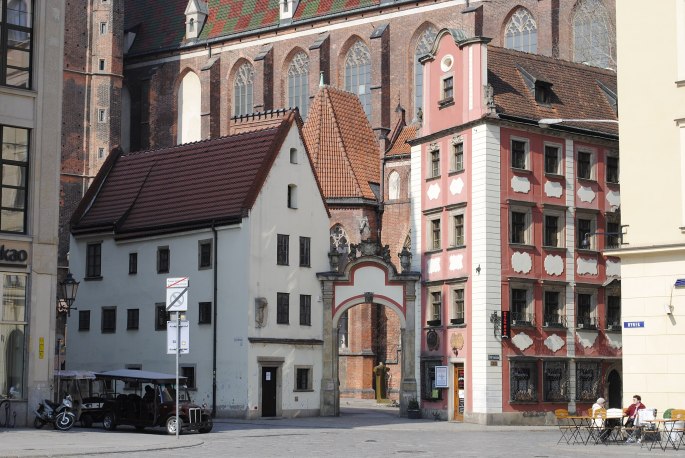
Hansel and Gretel Houses

(AKA Jaś i Małgosia) This pair of homes on the corner of Odrzańska and Świętego Mikołaja, just off the Rynek, are known as the 'Hansel & Gretel' houses. Built in the 16th and 18th century they once marked the entrance to the church cemetery, hence the inscription in Latin on the Baroque archway, ‘Death is … Continue reading Hansel and Gretel Houses

Dresden Cathedral

Dresden Cathedral

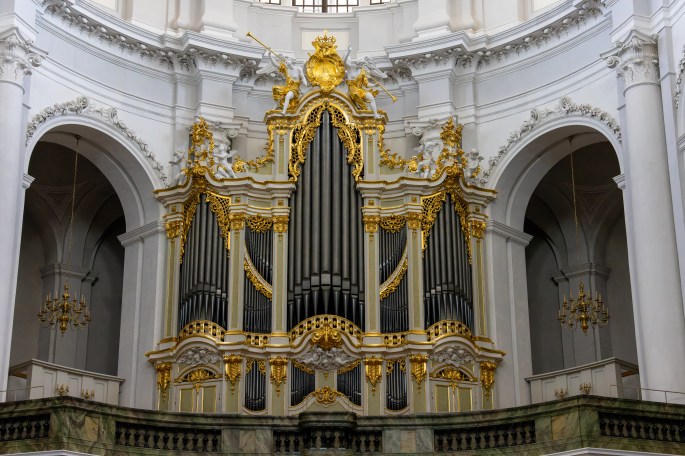
(AKA Katholische Hofkirche, Kathedrale Sanctissimae Trinitatis) The Dresden Cathedral is a Baroque-style cathedral that dates back to the 18th century. Its construction began in 1739 and was completed in 1751 under the reign of Augustus III of Poland, who was also the Elector of Saxony. The cathedral was commissioned as a Roman Catholic Church and … Continue reading Dresden Cathedral

Templo do Senhor Bom Jesus da Cruz, Barcelos

Templo do Senhor Bom Jesus da Cruz

The construction of Templo do Senhor Bom Jesus da Cruz began in the 18th century, with its foundation stone laid on September 14, 1704. The project was initiated by the local Brotherhood of Senhor Bom Jesus da Cruz, a religious association that wanted to build a sanctuary dedicated to the veneration of the Holy Cross. … Continue reading Templo do Senhor Bom Jesus da Cruz

Palacio Episcopal, Segovia

Palacio Episcopal

The Palacio Episcopal (Episcopal Palace) is a remarkable architectural gem located in the historic city of Segovia, Spain. The construction of the Palacio Episcopal dates back to the late 18th century, with the initial work being commissioned by the Bishop Agustín Rubín de Ceballos. The palace was intended to serve as the residence for the … Continue reading Palacio Episcopal