The Convento de San Marcos in Leรณn, Spain, stands as a monumental testament to the city's rich history and architectural grandeur. Originally established in the 12th century as a modest shelter for pilgrims on the Camino de Santiago, the current edifice was constructed in the 16th century, evolving into one of the most significant examples … Continue reading Convento de San Marcos
Tag: Convent
Convento San Esteban
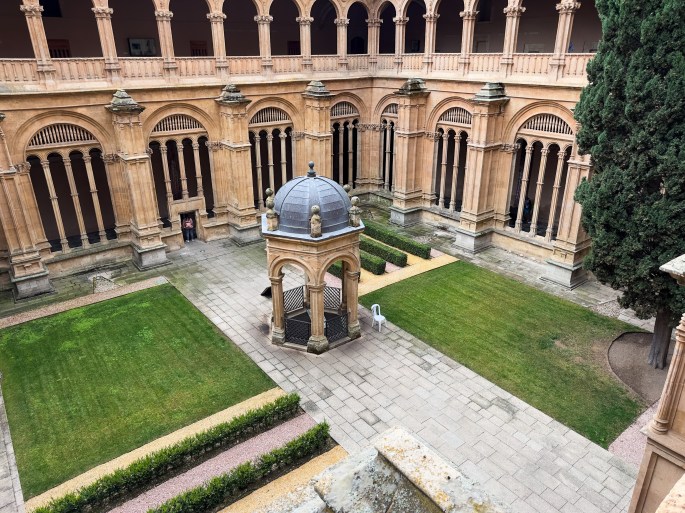
The Convento San Esteban was founded in the 16th century, with construction beginning in 1524 and completed in 1610. It was designed by the renowned Spanish architect Rodrigo Gil de Hontaรฑรณn. The convent was established by the Dominican Order, one of the most influential religious orders during the medieval period. The Dominican friars, who inhabited … Continue reading Convento San Esteban
Convento de las Dueรฑas
The Convento de las Dueรฑas was founded in the 15th century, with construction starting in 1419 and continuing over the following decades. It was commissioned by the Catholic Monarchs, Queen Isabella I of Castile and King Ferdinand II of Aragon, as a place of worship and residence for nuns of the Order of Saint Clare … Continue reading Convento de las Dueรฑas
Convento do Pรณpulo
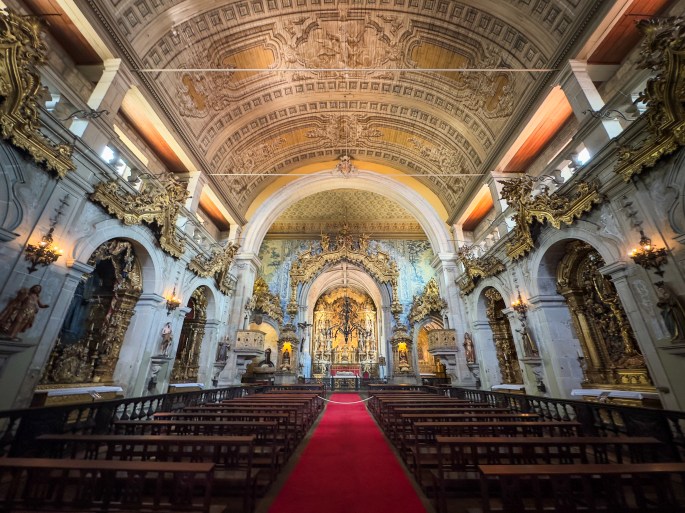
The Convento do Pรณpulo is a remarkable historical site located in the enchanting city of Braga, Portugal. It is an absolute must-visit for anyone interested in exploring the rich cultural heritage and architectural wonders of the region. The convent dates back to the 16th century and is known for its stunning Manueline-style architecture, which is … Continue reading Convento do Pรณpulo
Igreja de Sรฃo Francisco
The Igreja de Sรฃo Francisco in Guimarรฃes is a stunning example of Portugalโs rich religious heritage, blending Gothic foundations with ornate Baroque embellishments. Originally built in the 13th century by the Franciscans, the church has undergone many changes over time, resulting in a beautiful mix of architectural styles that tell the story of its evolution. … Continue reading Igreja de Sรฃo Francisco
Antigo Convento de Santa Clara
Situated in the heart of Guimarรฃes, the Antigo Convento de Santa Clara holds a significant place in the city's history and architectural heritage. It dates back to the 14th century and was founded by King Afonso IV in 1342. The convent served as a haven for the Poor Clares, an order of nuns dedicated to … Continue reading Antigo Convento de Santa Clara
Convento dos Capuchos
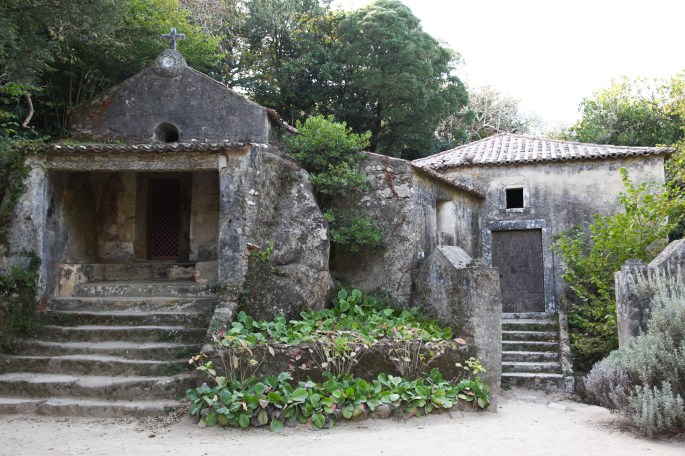
What sets the Convento dos Capuchos (Convent of the Capuchos or Convent of Cork) apart is its humble and austere nature. Built in the 16th century, it was originally established as a haven for the Franciscan friars who sought a life of seclusion and simplicity. The convent's architecture and design reflect their devotion to a … Continue reading Convento dos Capuchos
Convento dos Cardaes
The Convento dos Cardaes in Lisbon is a hidden gem that offers visitors a rare glimpse into 17th-century Portuguese Baroque art and architecture. Built in 1681, this convent miraculously survived the 1755 earthquake, preserving its original azulejo tile panels, gilded woodwork, and intricate stucco ceilings. The convent was originally founded by Dona Luรญsa de Tรกvora … Continue reading Convento dos Cardaes
Convento de Sรฃo Pedro de Alcรขntara
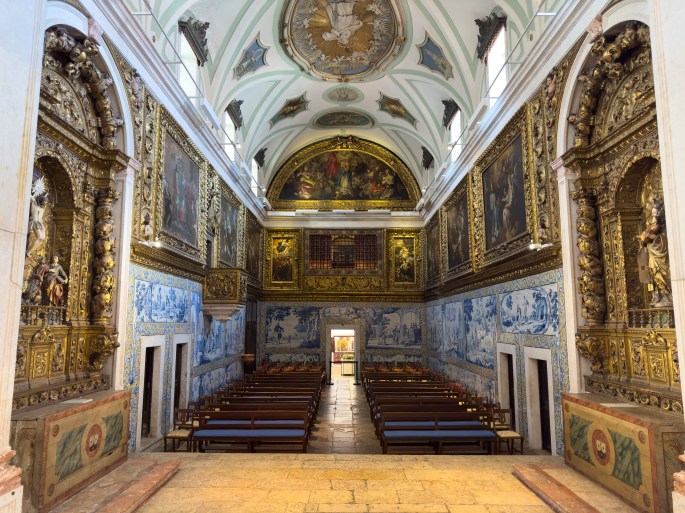
The Convento de Sรฃo Pedro de Alcรขntara in Lisbon is a peaceful and historic site that offers visitors a glimpse into Portugalโs religious and artistic heritage. Founded in the 17th century by the Franciscan Order, this convent is best known for its beautiful church, which features stunning azulejo tile panels, intricate gilded woodwork, and impressive … Continue reading Convento de Sรฃo Pedro de Alcรขntara
National Tile Museum
The National Tile Museum (Museu Nacional do Azulejo) in Lisbon is a captivating tribute to Portugalโs rich tradition of azulejos, the beautiful, decorative ceramic tiles that have adorned Portuguese architecture for centuries. Housed in the 16th-century Madre de Deus Convent, the museum itself is an architectural gem, combining Manueline, Mannerist, and Baroque styles. Inside, the … Continue reading National Tile Museum
You must be logged in to post a comment.