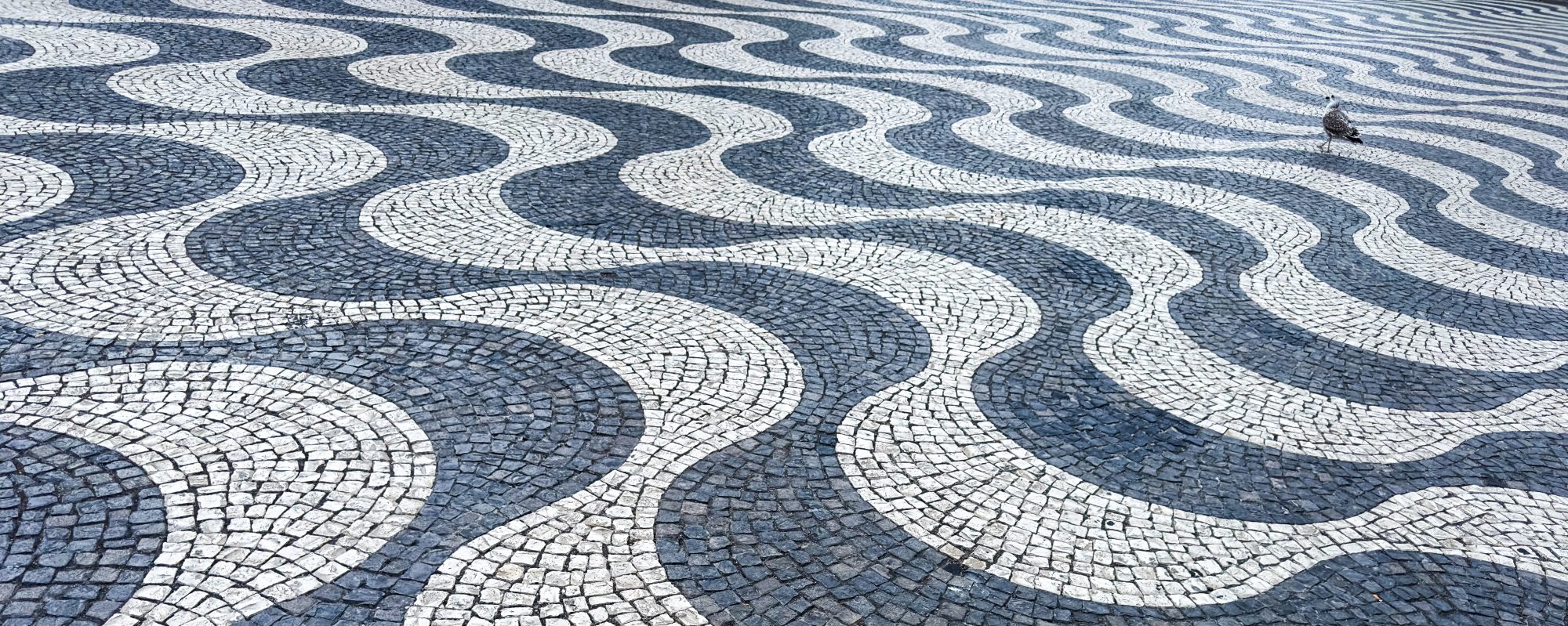
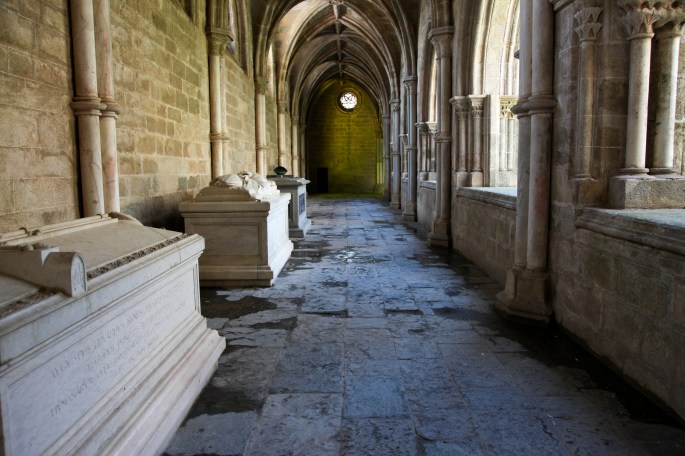
Cathedral of Évora

(AKA Sé de Évora, Evora Cathedral) Built between the 12th and 13th centuries, the Évora Cathedral is one of the most significant medieval cathedrals in Portugal. As you approach the cathedral, you'll be captivated by its impressive Gothic-Romanesque façade, adorned with intricate carvings and statues. The entrance is flanked by two sturdy towers, adding to … Continue reading Cathedral of Évora
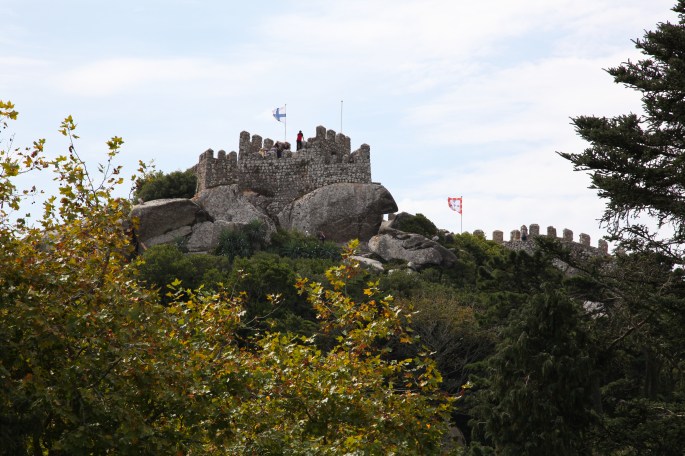
Castelo dos Mouros

Dating back to the 9th century, the castle has a fascinating history. Originally built by the Moors during their occupation of the Iberian Peninsula, the Castelo dos Mouros (Castle of the Moors, The Moorish Castle) served as a strategic stronghold to defend the region. Over the centuries, it witnessed numerous battles and changes in ownership … Continue reading Castelo dos Mouros

Convento dos Capuchos

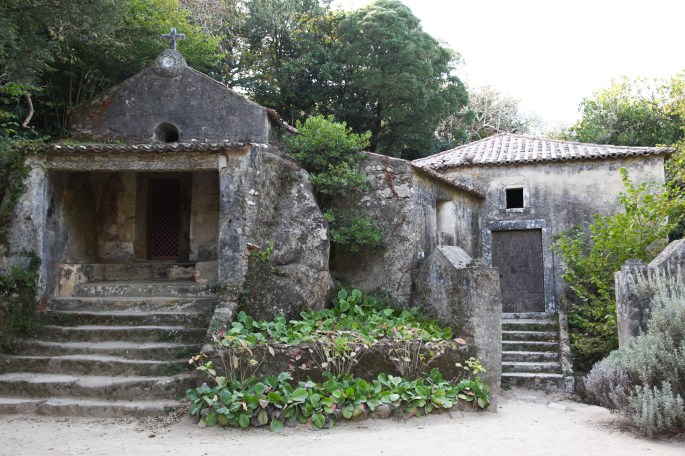
What sets the Convento dos Capuchos (Convent of the Capuchos or Convent of Cork) apart is its humble and austere nature. Built in the 16th century, it was originally established as a haven for the Franciscan friars who sought a life of seclusion and simplicity. The convent's architecture and design reflect their devotion to a … Continue reading Convento dos Capuchos

The Palácio de Monserrate

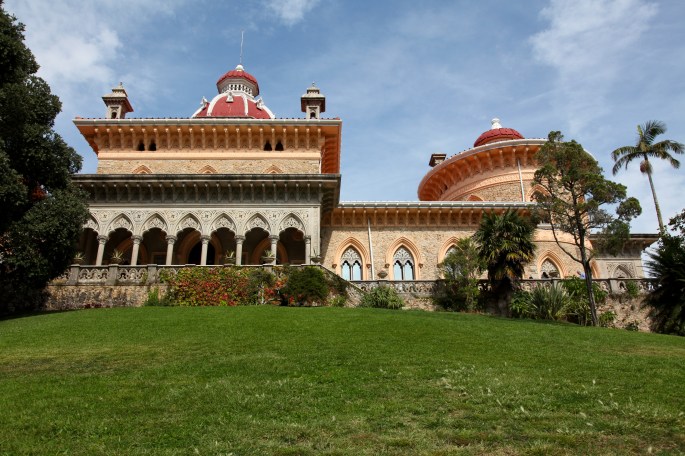
The Palácio de Monserrate in Sintra is a romantic, exotic palace and garden that feels like stepping into a fantasy. Built in 1858 as a summer residence for the wealthy English merchant Sir Francis Cook, this architectural gem combines Moorish, Gothic, and Indian influences with elements of Victorian eclecticism. Its striking design features intricately carved … Continue reading The Palácio de Monserrate

Palácio Nacional da Pena

Perched on top of a hill in the Sintra Mountains, the National Palace of Pena stands as a vibrant blend of Romanticism, Gothic, Moorish, and Renaissance architectural styles. It was originally built as a monastery in the Middle Ages but was later transformed into a summer residence for the Portuguese royal family in the 19th … Continue reading Palácio Nacional da Pena

Castelo de São Jorge

Perched on a hilltop in the historic Alfama district, the Castelo de São Jorge (St George Castle, Castle of Saint George) has been a prominent feature of the city's skyline for centuries. Its origins can be traced back to the 6th century when it was built as a Moorish fortress. Over the years, it underwent … Continue reading Castelo de São Jorge

Rua Augusta

Rua Augusta is a vibrant and iconic street located in the heart of Lisbon, Portugal. It stretches from the majestic Praça do Comércio to the lively Rossio Square, making it a central hub for both locals and tourists alike. If you're considering visiting Lisbon, Rua Augusta is definitely a must-see destination. As you step onto … Continue reading Rua Augusta

Rua Augusta Arch, Lisbon, Portugal

Arco da Rua Augusta

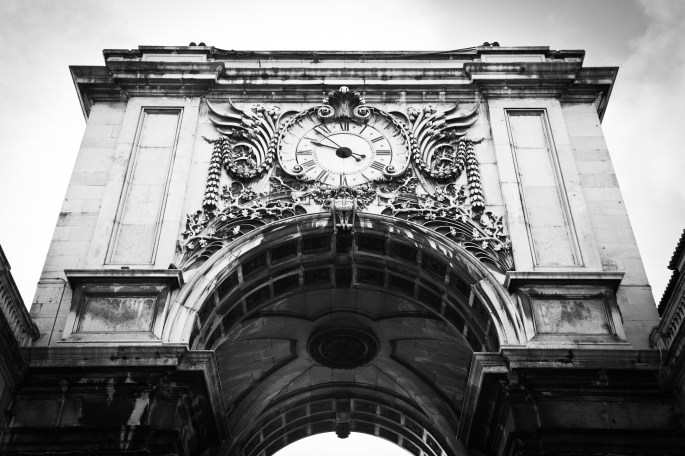
The Arco da Rua Augusta (Rua Augusta Arch) is a magnificent architectural landmark located in Lisbon, Portugal, and it's definitely worth a visit if you're considering exploring the city. Situated in the lively neighborhood of Baixa, this iconic triumphal arch stands at the end of Rua Augusta, one of Lisbon's most famous and bustling pedestrian … Continue reading Arco da Rua Augusta

Igreja de São Roque, Lisbon

Igreja de São Roque

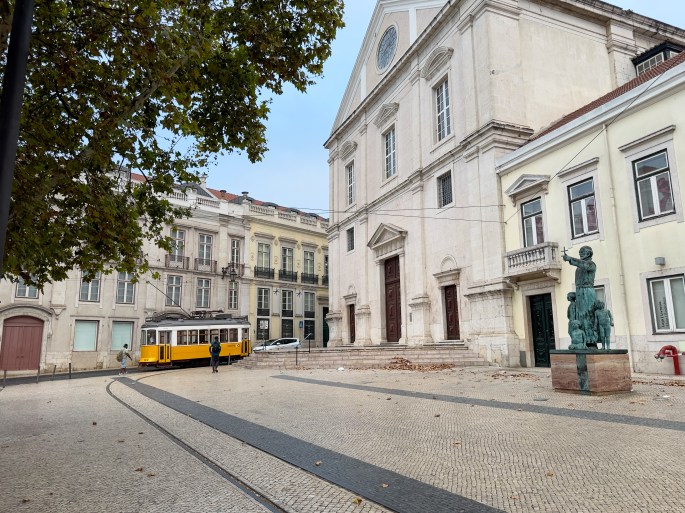
The Igreja de São Roque in Lisbon is one of the most ornate and historically significant churches in Portugal, offering visitors an extraordinary display of Baroque art and craftsmanship. Built in the 16th century as one of the first Jesuit churches in the world, it has a relatively simple façade that contrasts sharply with its … Continue reading Igreja de São Roque

Rua Augusta Arch, Lisbon, Portugal

Praça do Comércio

The Praça do Comércio, also known as Terreiro do Paço, is one of Lisbon’s most iconic and grand public squares, situated right on the banks of the Tagus River. This vast, elegant square is framed by classical 18th-century yellow buildings with grand arcades, which house government offices, shops, cafés, and restaurants. Its open layout and … Continue reading Praça do Comércio