Paço dos Duques de Bragança, Guimarães

Paço dos Duques de Bragança

The Paço dos Duques de Bragança was originally built in the 15th century and served as the residence of the Dukes of Braganza, one of the most powerful noble families in Portugal's history. Today, it stands as a remarkable testament to the country's medieval past. Stepping inside the palace, you'll find yourself immersed in a … Continue reading Paço dos Duques de Bragança

Santuário da Penha, Guimarães

Santuário da Penha

The Santuário da Penha, perched high on Monte da Penha overlooking Guimarães, is a striking pilgrimage site that combines spiritual significance, modernist architecture, and breathtaking natural beauty. Designed by architect José Marques da Silva and completed in the 1940s, the sanctuary stands out with its bold granite construction and Art Deco influences, quite different from … Continue reading Santuário da Penha

Igreja de São Miguel do Castelo, Guimarães

Igreja de São Miguel do Castelo

As you approach the church, you will immediately notice its striking medieval architecture, which is a blend of Romanesque and Gothic styles. The surrounding castle walls add to the atmosphere, creating a truly awe-inspiring sight. The church is small, but imposing. The thick local granite used to build the structure gives it an air of … Continue reading Igreja de São Miguel do Castelo

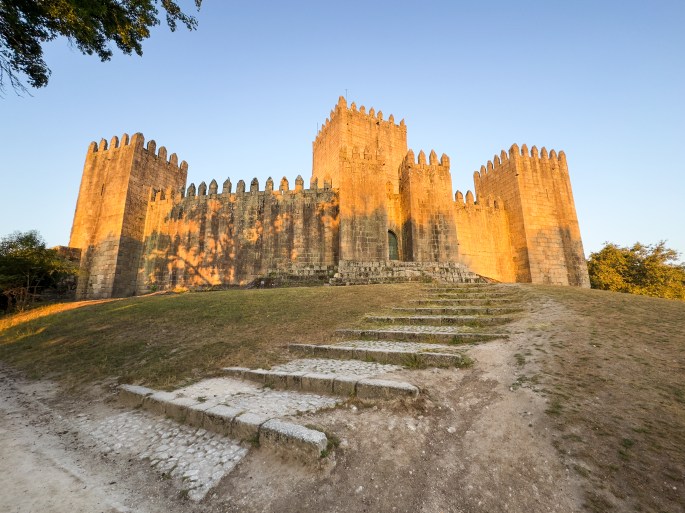
Castelo de Guimarães

Castelo de Guimarães

The Castelo de Guimarães (Guimarães Castle) is located in the charming city of Guimarães, which is often referred to as the "birthplace of Portugal." This magnificent castle sits atop a hill and offers breathtaking panoramic views of the surrounding countryside. Built in the 10th century, the castle played a crucial role in Portugal's history. It … Continue reading Castelo de Guimarães

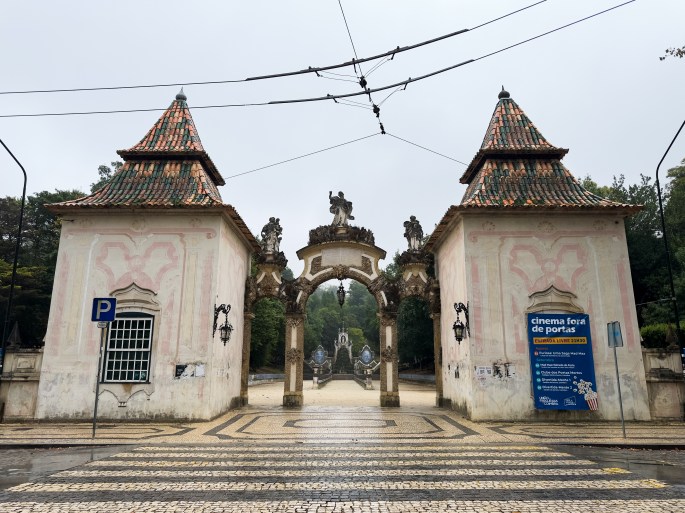
Jardim da Sereia, Coimbra

Jardim da Sereia

Sereia Garden, also known as Jardim da Sereia in Portuguese, is a picturesque and enchanting garden located in the city of Coimbra, Portugal. Nestled in the heart of the historic center, this hidden gem offers a serene and tranquil retreat for visitors seeking respite from the bustling city life. As you step into the Sereia … Continue reading Jardim da Sereia

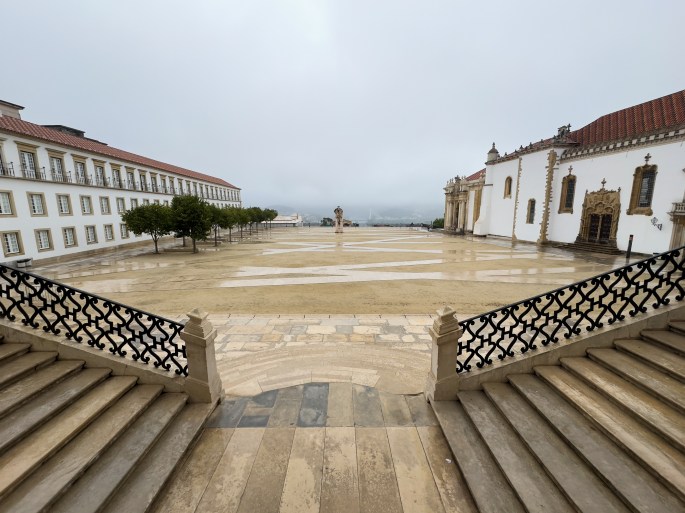
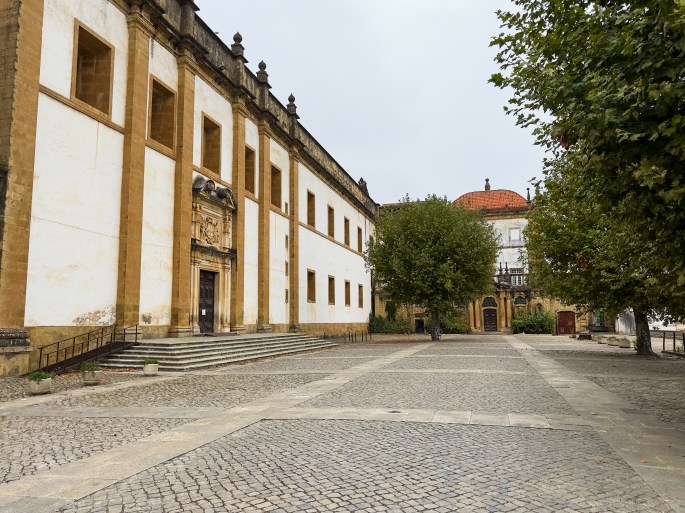
Paço das Escolas, Coimbra

Coimbra University

The university is situated atop a hill, providing breathtaking views of the city and the Mondego River. Its historic campus, known as the Alta or Upper Town, is a UNESCO World Heritage site and a must-visit destination for those interested in both academia and history. Walking through the narrow streets and ancient courtyards, you'll be … Continue reading Coimbra University

Mosteiro de Santa Clara-a-Nova, Coimbra

Mosteiro de Santa Clara-a-Nova

Situated on the left bank of the Mondego River, the Santa Clara-a-Nova Monastery dates back to the 17th century and was established as a convent for the Poor Clares, a Catholic religious order of nuns. The monastery's architecture is a delightful blend of Manueline and Baroque styles, offering a visual treat for visitors. As you … Continue reading Mosteiro de Santa Clara-a-Nova

Mosteiro de Santa Clara-a-Velha, Coimbra

Mosteiro de Santa Clara-a-Velha

As you approach the monastery, you will be struck by its stunning location near the Mondego River. The serene surroundings and picturesque views create a tranquil atmosphere that transports you back in time. However, it's important to note that the monastery suffered considerable damage from floods over the centuries, but it has been carefully restored … Continue reading Mosteiro de Santa Clara-a-Velha

Joanina Library, Coimbra

Joanina Library

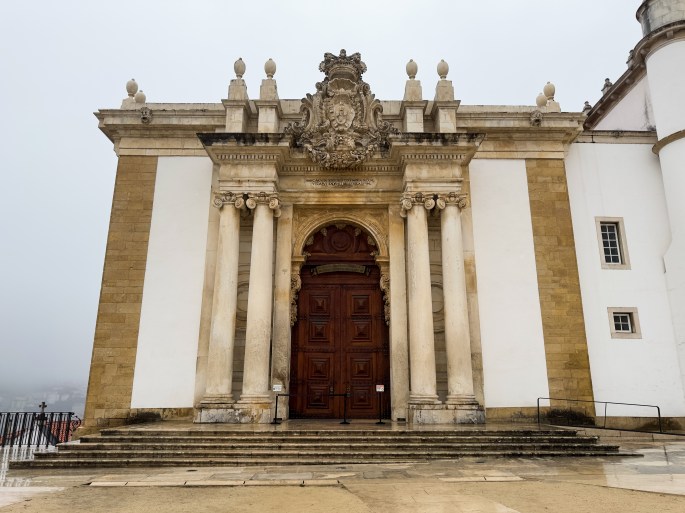
The Joanina Library in Coimbra is a magnificent Baroque library located within the University of Coimbra, one of the oldest universities in Europe, founded in 1290. Built between 1717 and 1728 during the reign of King João V, it’s considered one of the most beautiful and lavish libraries in the world. The library's interior is … Continue reading Joanina Library

Aqueduto de São Sebastião, Coimbra

Aqueduto de São Sebastião

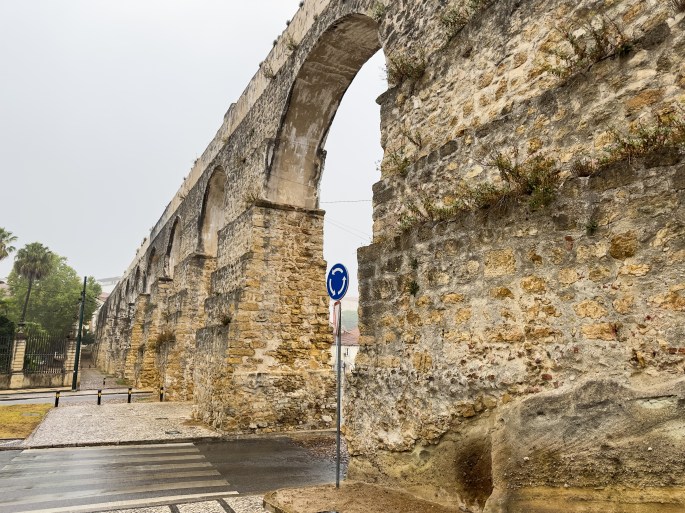
The aqueduct is a testament to the ingenuity and engineering prowess of the past, as it was built during the 16th century to supply Coimbra with a reliable water source. The remains of the aqueduct extend for one kilometer near the Coimbra Botanical Garden . As you explore the aqueduct, you'll notice the meticulous craftsmanship … Continue reading Aqueduto de São Sebastião