Kollegienkirche

The Kollegienkirche (Collegiate Church) in Salzburg is a striking example of Baroque architecture and a must-visit for those who appreciate grand, elegant design. Located in the heart of the city on Universitätsplatz, this church was built in the late 17th century by the famous architect Johann Bernhard Fischer von Erlach, who also designed some of … Continue reading Kollegienkirche

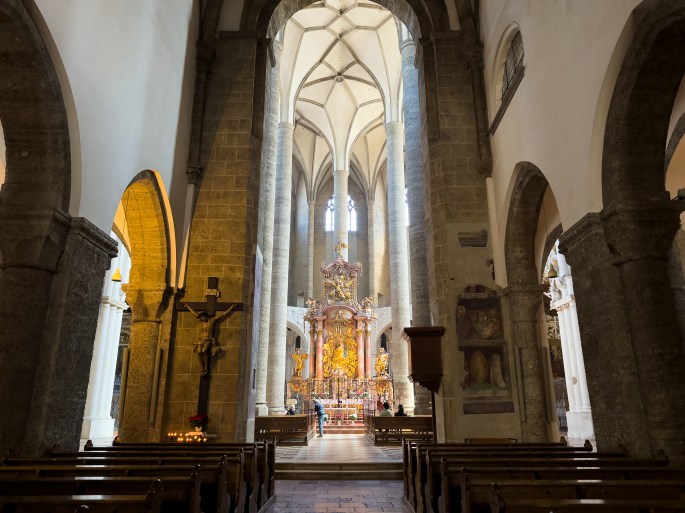
Franziskanerkirche

The Franziskanerkirche (Franciscan Church) in Salzburg is a fascinating blend of architectural styles and spiritual ambiance, making it a must-visit for those who appreciate history, art, and peaceful spaces. Located near St. Peter’s Abbey and just a short walk from the Salzburg Cathedral, this church stands out with its striking contrast between its Romanesque nave … Continue reading Franziskanerkirche

Mirabell Palace and Gardens

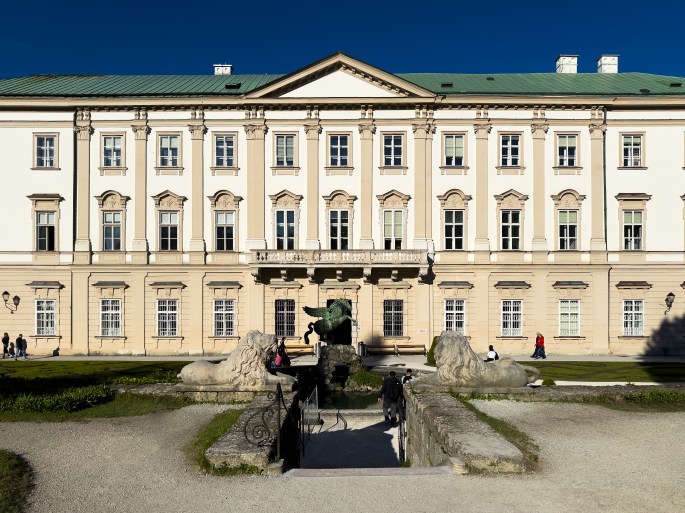
If you’re visiting Salzburg, Mirabell Palace and Gardens is a must-see destination that perfectly blends history, elegance, and breathtaking scenery. Originally built in 1606 by Prince-Archbishop Wolf Dietrich von Raitenau as a grand residence for his beloved Salome Alt, the palace has since been transformed into a symbol of Salzburg’s rich architectural heritage. While the … Continue reading Mirabell Palace and Gardens

St. Sebastian Church and Cemetery

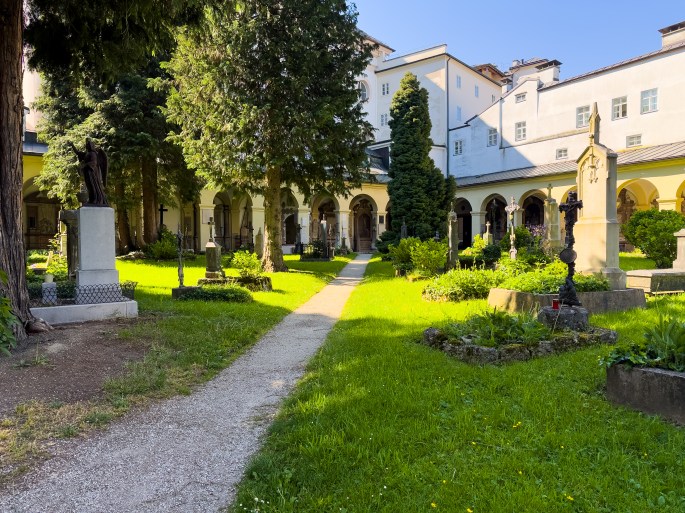
St. Sebastian Church and Cemetery (Sebastianskirche und Friedhof) in Salzburg, Austria, is a historically and architecturally significant site located in the city’s Neustadt (New Town) district. Originally built in 1505 under the orders of Prince-Archbishop Leonhard von Keutschach, the church was later reconstructed in the Rococo style between 1753 and 1757 after an earthquake caused … Continue reading St. Sebastian Church and Cemetery

Munich Botanical Garden

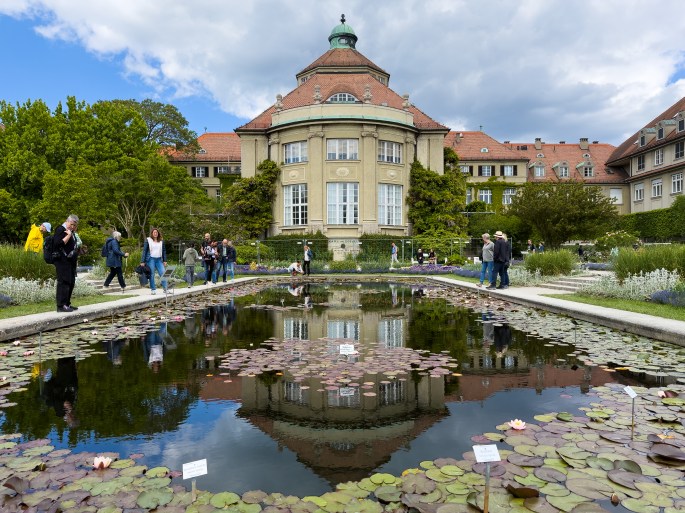
The Munich Botanical Garden (Botanischer Garten München-Nymphenburg) is a serene 21.20-hectare oasis located near Nymphenburg Palace. Home to over 14,000 plant species, it offers visitors a chance to explore diverse flora from various climatic regions. What to Expect Greenhouses: Covering approximately 4,500 square meters, these structures house plants from humid tropical regions, arid deserts, and … Continue reading Munich Botanical Garden

Schloss Nymphenburg

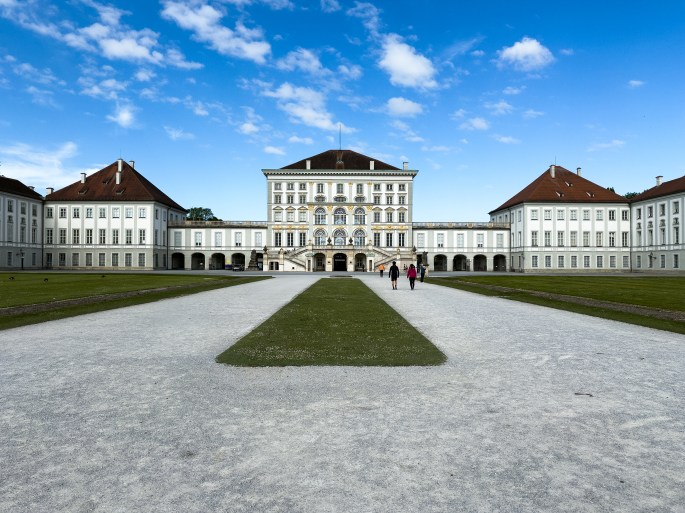
Visiting Schloss Nymphenburg in Munich is a journey into the elegance and grandeur of Bavaria’s royal past. Originally built in the 17th century as a summer residence for the Wittelsbach family, the palace impresses with its sweeping Baroque façade, lavishly decorated rooms, and beautiful parkland that stretches for hundreds of acres. Inside the main palace, … Continue reading Schloss Nymphenburg

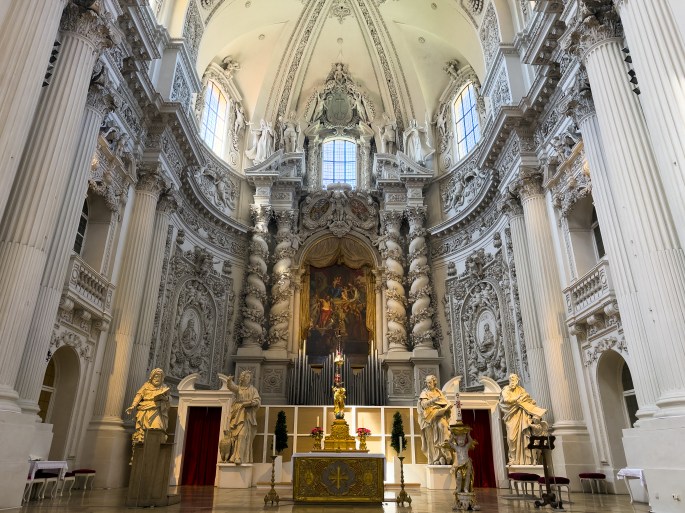
Theatinerkirche

The Theatinerkirche, or Theatine Church of St. Cajetan, is one of Munich’s most striking landmarks and a masterpiece of Italian Baroque architecture. Located on Odeonsplatz, its bright yellow façade and twin towers stand out vividly against the city’s skyline. Built in the 17th century by Elector Ferdinand Maria and his wife Henriette Adelaide of Savoy … Continue reading Theatinerkirche

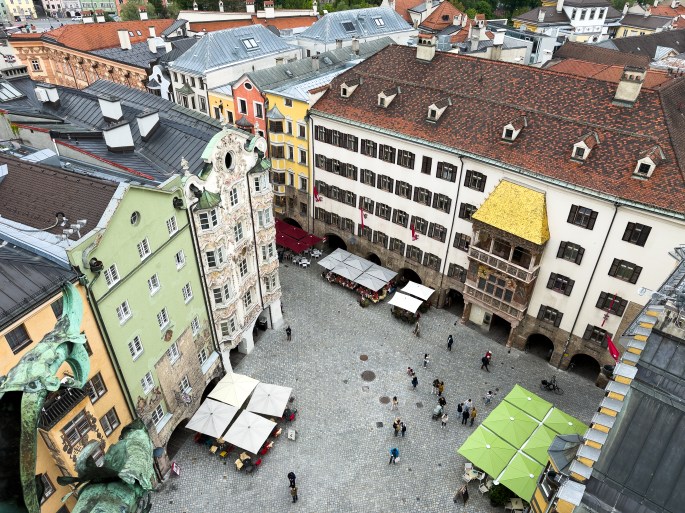
Golden Roof

The Golden Roof (Goldenes Dachl) is one of Innsbruck’s most iconic landmarks and a must-see for anyone visiting the city. Located in the heart of the Old Town, this ornate structure is a late-Gothic bay window built in the early 1500s for Emperor Maximilian I. Its most striking feature is the gleaming roof made of … Continue reading Golden Roof

Stadtturm

The Stadtturm (City Tower) in Innsbruck, Austria, is a prominent historical landmark and an excellent spot for panoramic views of the city and its surrounding mountains. Located in the heart of the Old Town, near the Golden Roof (Goldenes Dachl), the Stadtturm is both an architectural gem and a reminder of Innsbruck’s medieval heritage. Built … Continue reading Stadtturm

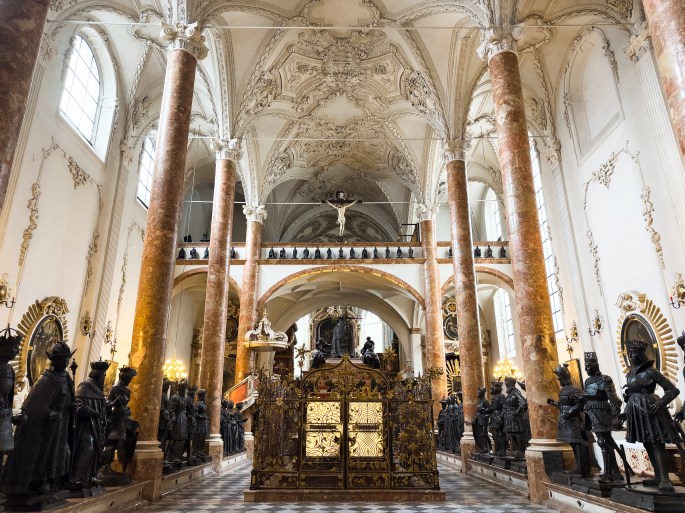
Hofkirche

The Hofkirche (Court Church) in Innsbruck, Austria, is a remarkable Gothic church renowned for its historical, artistic, and cultural significance. Built in the mid-16th century, it houses one of the most famous imperial monuments in Europe and is a must-visit destination for history and art enthusiasts. The Hofkirche was built between 1553 and 1563 to … Continue reading Hofkirche