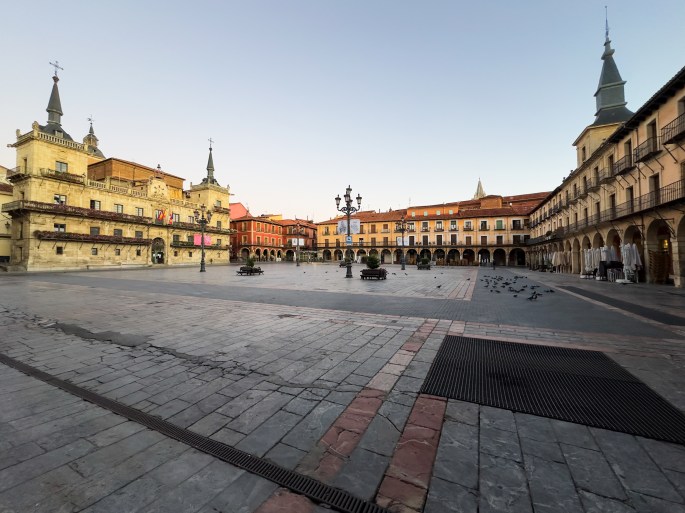
Plaza Mayor, León

Plaza Mayor, León

The Plaza Mayor serves as the heart of León's social and cultural life. It's a bustling and vibrant hub where locals and tourists alike gather to enjoy the city's atmosphere and charm. The square is surrounded by impressive buildings, showcasing a blend of architectural styles that span centuries. One of the main highlights of the … Continue reading Plaza Mayor, León
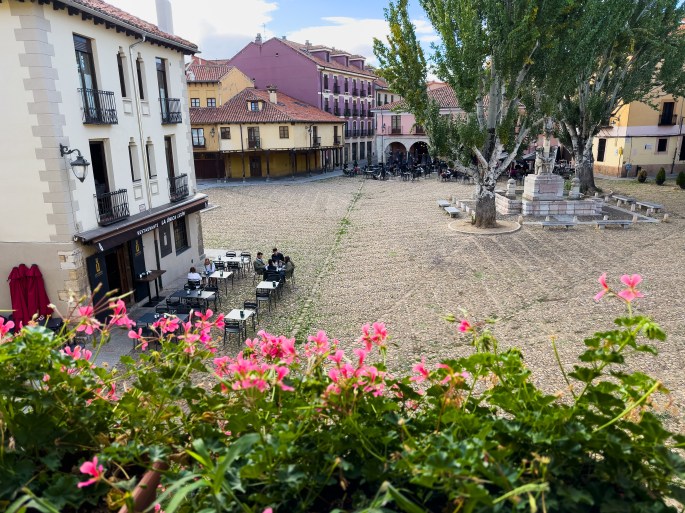
Plaza del Grano

Plaza del Grano

As you step into Plaza del Grano, you'll immediately be transported back in time. The cobblestone streets, surrounded by well-preserved medieval buildings, create an enchanting ambiance that exudes a sense of history and authenticity. It's like stepping into a living postcard, making it an ideal spot for photography enthusiasts. The centerpiece of the plaza is … Continue reading Plaza del Grano

Iglesia de Santa María del Camino o del Mercado, León

Iglesia de Santa María del Camino o del Mercado

The Iglesia de Santa María del Camino, also known as Nuestra Señora del Mercado, is a historic Romanesque church located in the heart of León, Spain. Dating back to the 12th century, this church holds significant historical and architectural value. Its dual names reflect its importance along the Camino de Santiago pilgrimage route ("del Camino") … Continue reading Iglesia de Santa María del Camino o del Mercado

Museo de León

Museo de León

The Museo de León, established in 1869, is the oldest museum in the province and offers visitors a comprehensive journey through the region's history, culture, and heritage. Its main facility is located in the "Pallarés" building at Plaza de Santo Domingo, 8, in León. The museum's extensive collection spans from the Palaeolithic era to contemporary … Continue reading Museo de León

El Museo del Chocolate, Astorga

El Museo del Chocolate

The Museo del Chocolate in Astorga, Spain, is a destination for chocolate lovers and anyone interested in learning about the fascinating history and production of this beloved treat. Situated in the picturesque town of Astorga, known for its rich cultural heritage and stunning architecture, the museum offers a sweet and educational experience for visitors of … Continue reading El Museo del Chocolate

Palace of Gaudí, Astorga

Palace of Gaudí

The construction of the palace began in 1889 and was completed in 1915, spanning a period of over two decades. The design and construction were overseen by Antoni Gaudí, who is famous for his iconic works like the Sagrada Família in Barcelona and Casa Batlló. The palace was commissioned by the Bishop of Astorga, Joan … Continue reading Palace of Gaudí

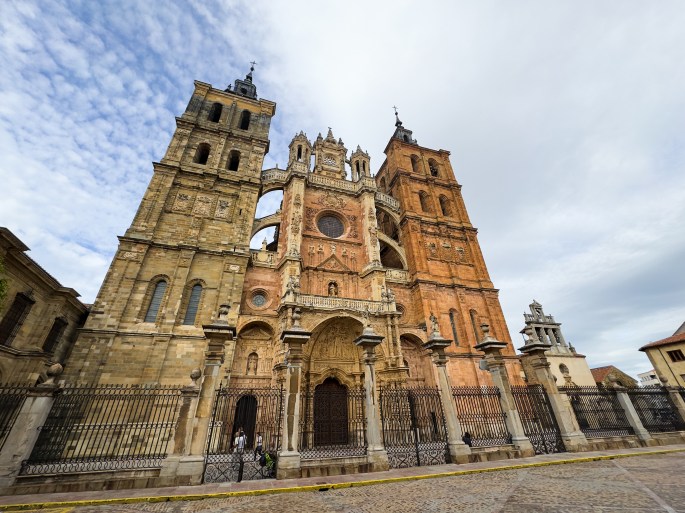
Cathedral of Santa María de Astorga

Cathedral of Santa María de Astorga

The Cathedral of Santa María de Astorga, located in the heart of Astorga, Spain, is a remarkable testament to the evolution of Spanish religious architecture. Its construction commenced in 1471 atop the site of a former Romanesque church, and the project spanned several centuries, culminating in the 18th century. This extended timeline resulted in a … Continue reading Cathedral of Santa María de Astorga

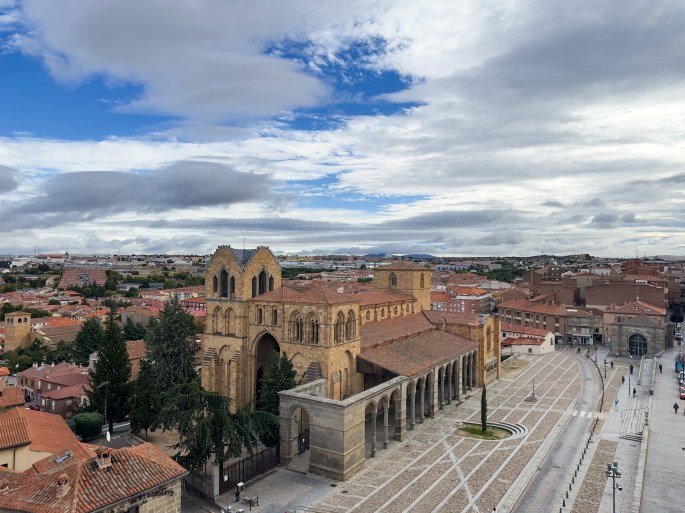
San Vicente de Ávila

San Vicente de Ávila

The Basilica of San Vicente has a rich history that dates back to the 12th century. Its construction began in the Romanesque style, around 1130, during the reign of Alfonso VII of León and Castile. The basilica was built to house the relics of three Christian martyrs, Saint Vincent, Saint Sabina, and Saint Cristeta, who … Continue reading San Vicente de Ávila

Cathedral of Ávila

Cathedral of Ávila

The construction of the Cathedral of Ávila began in the 12th century, precisely in 1107, during the reign of King Alfonso VI of Castile and León. It was built on the site of a former Visigothic church, and its construction took place over several centuries, incorporating a mix of architectural styles due to its lengthy … Continue reading Cathedral of Ávila

Muralla de Ávila

Muralla de Ávila

The origins of the Muralla de Ávila can be traced back to the 11th century, during the period of Islamic rule in the Iberian Peninsula. However, the most significant phase of its construction occurred between the 11th and 14th centuries, under Christian rule, as part of the Reconquista – the Christian campaign to recapture the … Continue reading Muralla de Ávila